
Quick Take
- The two remedies most beachgoers swear by for jellyfish stings can actually make things significantly worse with this species. See the dangerous myths →
- A jellyfish doesn't have to be alive or even whole to sting you just as badly as a live one. Discover the hidden danger →
- What you do in the first few seconds after the sting hits determines how bad it gets, and most people's instinct turns out to be exactly wrong. Get the right response →
- A cove that looks perfectly clear at sunrise can turn into a jellyfish trap by noon, and the reason why is less random than it seems. Understand the swarm triggers →
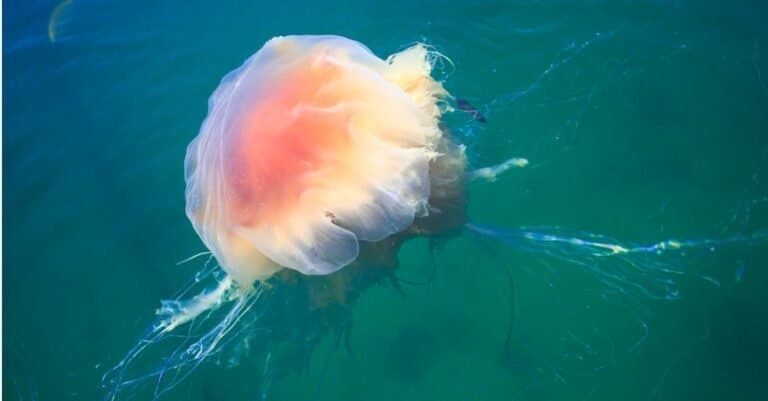
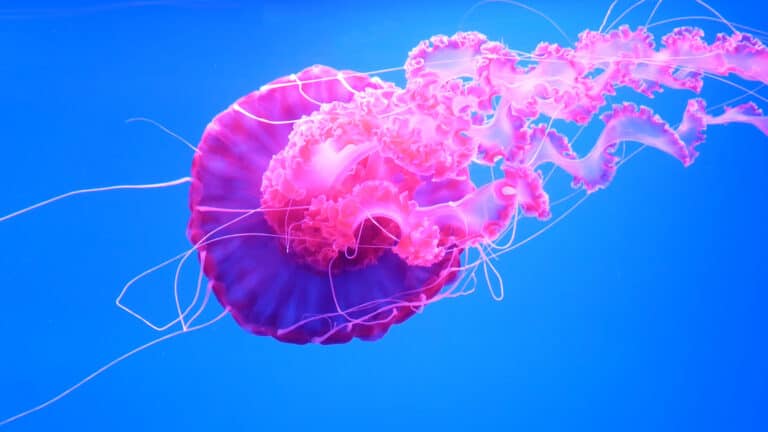
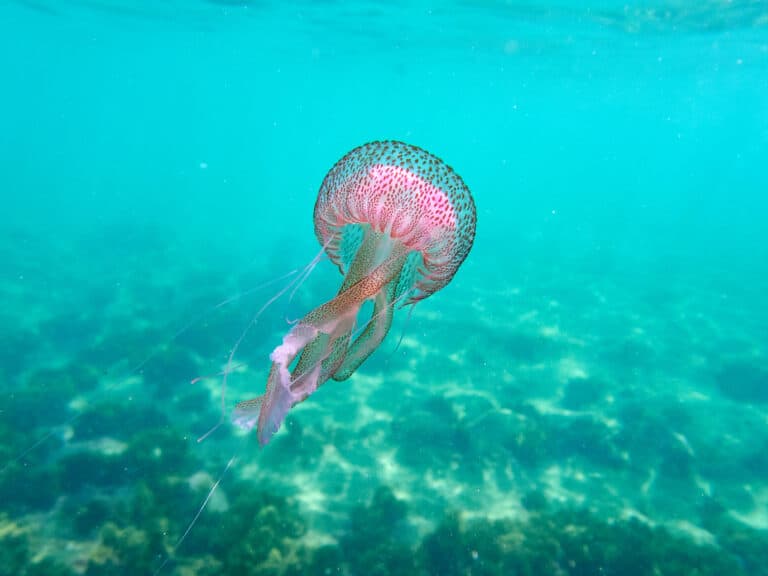
Every summer, swimmers and beachgoers along the Mediterranean start to share stories: sudden stings, violet filaments in the water, and entire coves overtaken seemingly overnight. At the heart of these incidents drifts an elegant but troublesome creature the purple jellyfish, known scientifically as Pelagia noctiluca.
How a Drifting Beauty Becomes a Swimmer’s Hazard
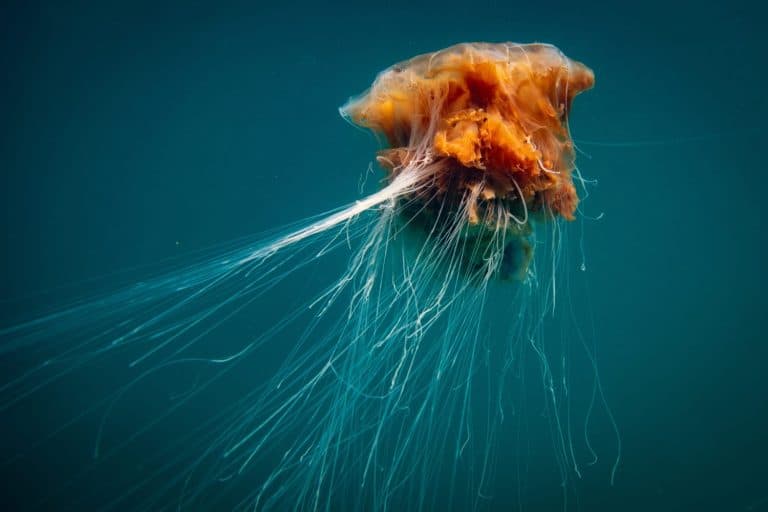
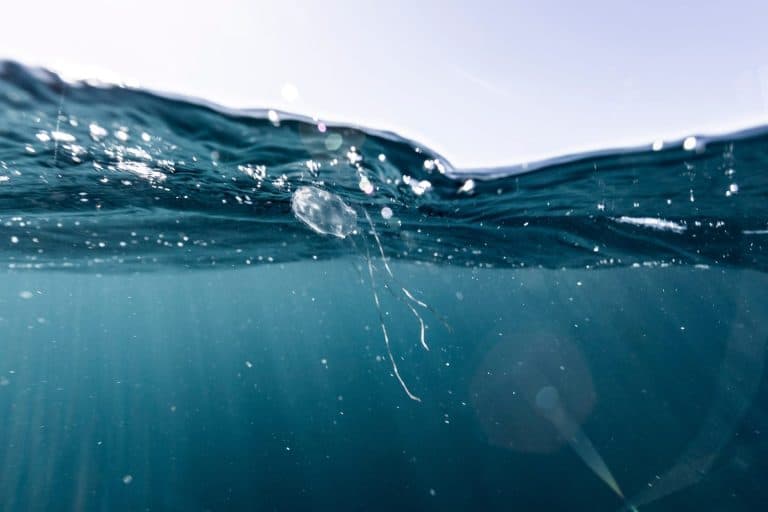
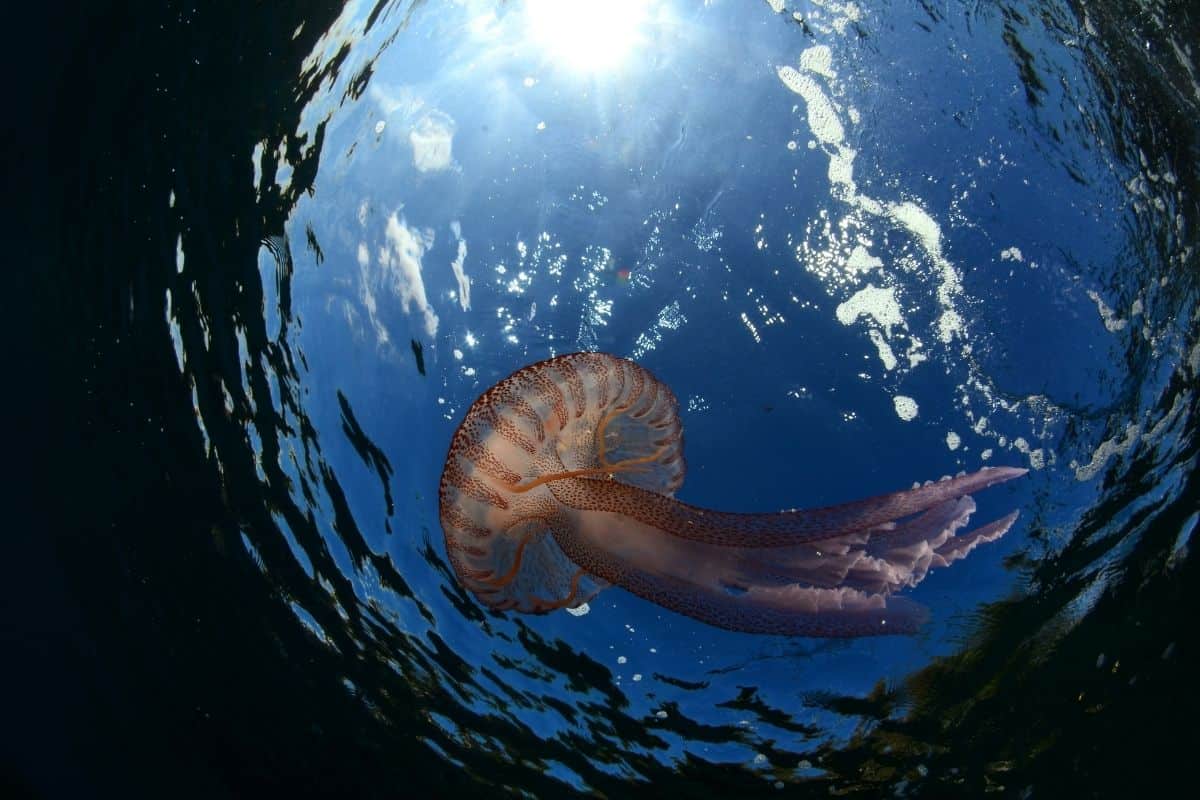
With its small, bell-shaped cap measuring between two and four inches and trailing, hair-like tentacles, the purple jellyfish might look harmless. Its striking pink or violet coloring makes it easy to spot if only you see it in time. But its size and near-transparency of its tentacles mean swimmers often don’t notice it until it’s too late.
Unlike many jellyfish that spend part of their lives anchored to the sea floor, Pelagia noctiluca spends its entire life cycle adrift in open water. It reproduces throughout the year when conditions allow, which means vast swarms can materialize whenever the environment is right. The phenomenon is often called a “jellyfish invasion,” but marine scientists say it’s the result of natural mechanics: the jellyfish have no way to resist ocean currents and winds. Their direction and destination are entirely at nature’s mercy.
According to researchers, environmental factors like sea temperature, food availability (mostly plankton), and deep marine currents shape their numbers year to year. When a consistent marine wind blows toward the coast, whole swarms can be pushed ashore in just a matter of hours. Bays and coves then act as traps, and the result can mean a once-clear swimming area suddenly swarming with violet strands by afternoon.
The Glow That Warns, If Only We Notice
The purple jellyfish offers a subtle warning: its species name, noctiluca, means “shines at night.” Indeed, when disturbed by waves or swimmers late in the day, it can emit a phosphorescent glow, an otherworldly display that’s as beautiful as it is cautionary. But most encounters are less enchanting. Its tentacles, which can extend several feet, are difficult to see in moving water. Swimmers are often touched by these near-invisible filaments before they spot the jellyfish itself.
The sting isn’t a conscious act. Each tentacle and the cap are covered in millions of microscopic stinging capsules called nematocysts. These work like tiny spring-loaded harpoons: the moment something brushes against them, toxins are injected into the skin. Alarmingly, these cells remain active as long as they are hydrated, meaning a severed tentacle fragment or even a dead jellyfish can still deliver a painful sting hours later.
What to Do When the Sting Hits
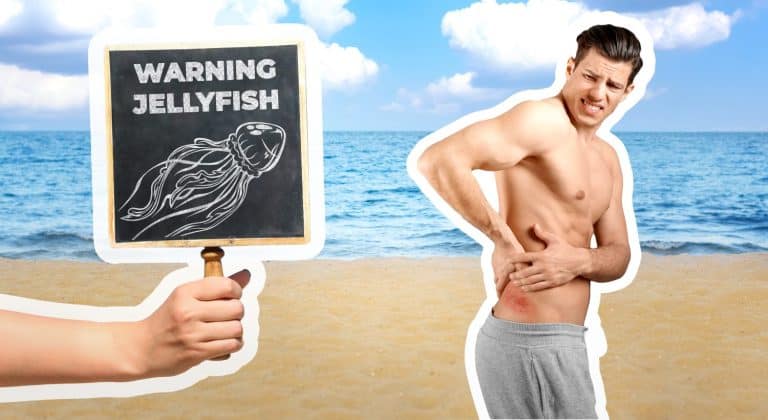
Experts agree: if you feel a sudden burning pain in the water, stay calm and swim to shore without panic. Distress accelerates the spread of toxins in your body. Once ashore, carefully remove visible filaments without rubbing the area. A pair of tweezers works best, but if none are available, local lifeguards recommend applying fine sand and gently scraping the area with a stiff card like a credit card to dislodge stinging cells without breaking them and releasing more venom.
Popular myths persist, especially the idea of using urine to treat stings. In this case, the practice not only lacks medical support but might worsen the injury: depending on concentration, urine can trigger an osmotic shock, causing undischarged nematocysts to burst and further aggravate the burn. Similarly, vinegar is often cited as a general remedy but is actually counterproductive for this Mediterranean species. Scientific tests show vinegar stimulates these jellyfish to release more venom, making the reaction worse.
Staying Safe: Prevention Above All
Prevention, experienced beachgoers say, is the most reliable protection. Scanning the water surface before entering, looking for the telltale colored streaks, and following beach safety advisories can make the difference between a carefree swim and a painful experience.
When ocean winds shift or new blooms approach, lifeguards often post warnings or raise special flags. And since conditions can change rapidly, clear water at sunrise can turn into a veritable jellyfish alley by noon. Vigilance remains the best ally of those seeking to enjoy the Mediterranean coast safely.
Encounters with Pelagia noctiluca remind us that even the sea’s smallest drifters are at the mercy of forces much larger than themselves and so are we. Understanding how to spot danger and react wisely connects us more closely to the natural rhythms of the coast, ensuring we stay respectful visitors to their world.