
Quick Take
- Visitors at zoos should read signs and stay behind barriers to keep animals safe. Report dangerous actions to a staff member.
- Older resident animals often captivate zookeepers due to their long histories and tailored care, which makes it all the harder on zookeepers when these animals pass.
- Maintaining respect for one’s surroundings is one of the best things someone can do when visiting any zoo.
At the Oregon Zoo in Portland, thousands of animals representing hundreds of vibrant species live on 64 forested acres in gorgeous Washington Park. This zoo is the largest and most visited zoo in Oregon, drawing well over a million visitors from the PNW and beyond in a typical year.
For the staff who care for these animals, the work can be joyful, heartbreaking, funny, and genuinely frightening, and sometimes all of the above in the same shift. I wanted to take a closer look at what zookeepers deal with, both the pains and joys, so I turned to the zoo in my own backyard.
This Q&A features insights from an Oregon Zookeeper who requested anonymity for privacy. Their answers reflect common experiences shared by modern zookeepers and illustrate what it means to care for both animals and the diverse crowds at facilities like the Oregon Zoo.
Alongside the keeper’s own words, you’ll find context on how a place like the Oregon Zoo actually operates: how many animals live there, what kind of conservation work happens behind the scenes, and what happens when guests aren’t respectful of their surroundings. Let’s dive into the details and everything you should know before you visit your local zoo; your zookeeper will thank you for it.
Behind the Scenes with an Oregon Zoo Keeper
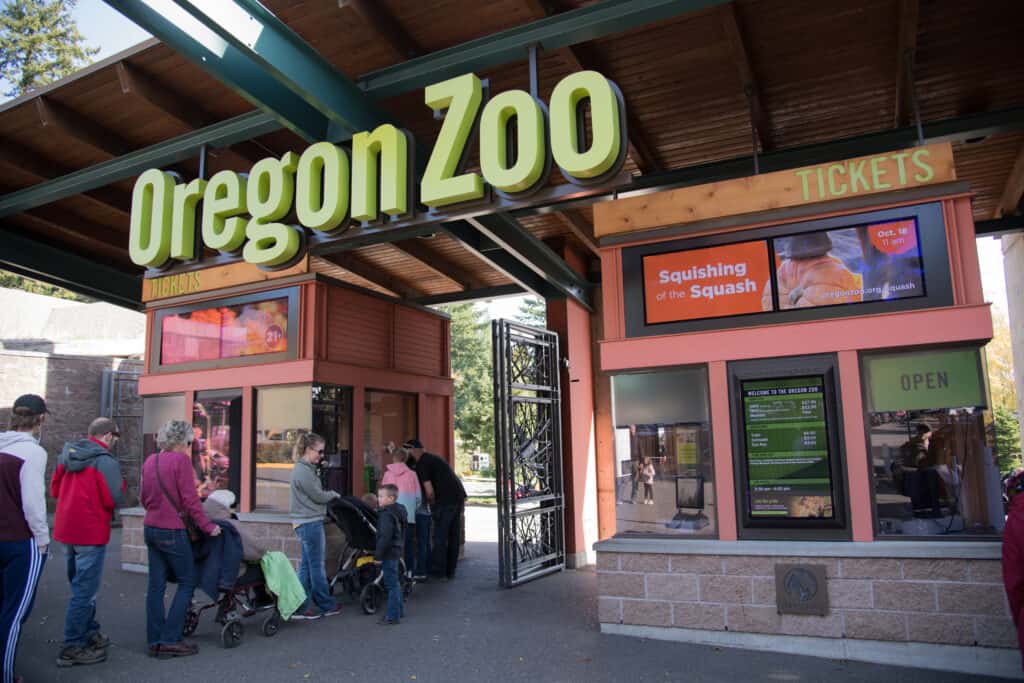
The Oregon Zoo sees over one million visitors every single year, making the job of a zookeeper very demanding.
©Michael Gordon/Shutterstock.com
What’s it like being a zookeeper? Keepers are typically assigned to specific areas, such as marine animals, primates, large carnivores, or hoofed animals. They then spend most of their time performing routine care of these animals in the form of cleaning, feeding, checking locks, setting up enrichment, and documenting behavior.
I asked about a day in the life of the average zookeeper, including what we inaccurately assume about this career.
Q: What do most people get completely wrong about your job?
A: “They assume I just hang out and cuddle animals all the time. In reality, about 80% of my day is cleaning. If an exhibit looks natural and effortless, it’s because one of our staff members spent hours making it that way.
The other big misconception is that the animals are here to entertain visitors. My job is not to make a sea lion pose for your Instagram. My job is to make sure that the sea lion is healthy, mentally stimulated, and safe, even if it hides from view all day. Guests always ask where animals are if they’re not visible. To me, that’s like showing up at someone’s house and demanding to be entertained.”
Selfies, Barriers, and Risky Crowd Behavior
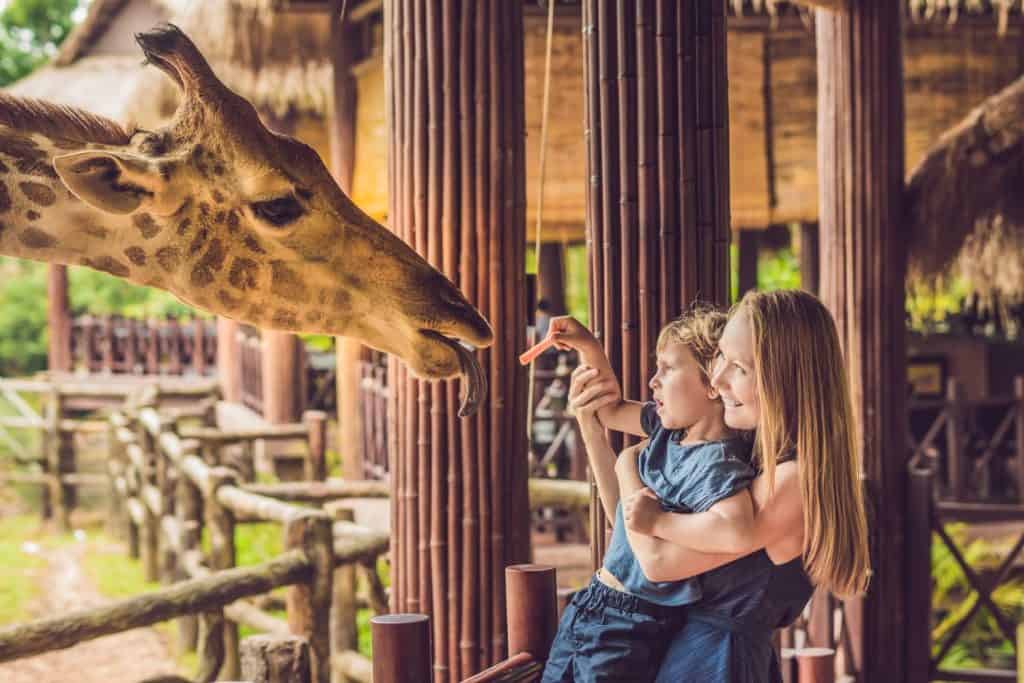
While many guests at zoos remain respectful, there are some who put themselves and the animals at risk.
©Elizaveta Galitckaia/Shutterstock.com
At especially busy zoos, crowd pressures and social media can push visitors to ignore rules that are clearly posted and should be common sense. Barriers around exhibits are engineered using careful measurements based on how high an animal can reach, jump, or climb. When people treat them as suggestions, keepers have to intervene before someone gets hurt.
Q: What’s the wildest thing you’ve seen a visitor do for a selfie?
A: “How much time do you have?
I’ve watched people lift toddlers onto railings over water, lean their whole upper body over a barrier meant to protect them from predators, stick fingers through mesh to try and touch animals. If I’m yelling across an exhibit, I’m really not trying to embarrass anyone, but I have to stop you from doing something that could end in serious injury to you or to an animal that we’d also have to put down should the worst happen.”
Q: Do visitors really put animals at risk, or is that exaggerated?
A: “They absolutely put animals at risk, though it isn’t the norm. Still though, people toss in coins, bottle caps, hair ties, snacks from home, all sorts of things. An animal swallowing the wrong thing can lead to surgery or worse. Besides the chance of obstructions or internal damage, their diets are carefully balanced, and some foods are just plain toxic to them.”
Building Trust and Everyday Training With Zoo Animals
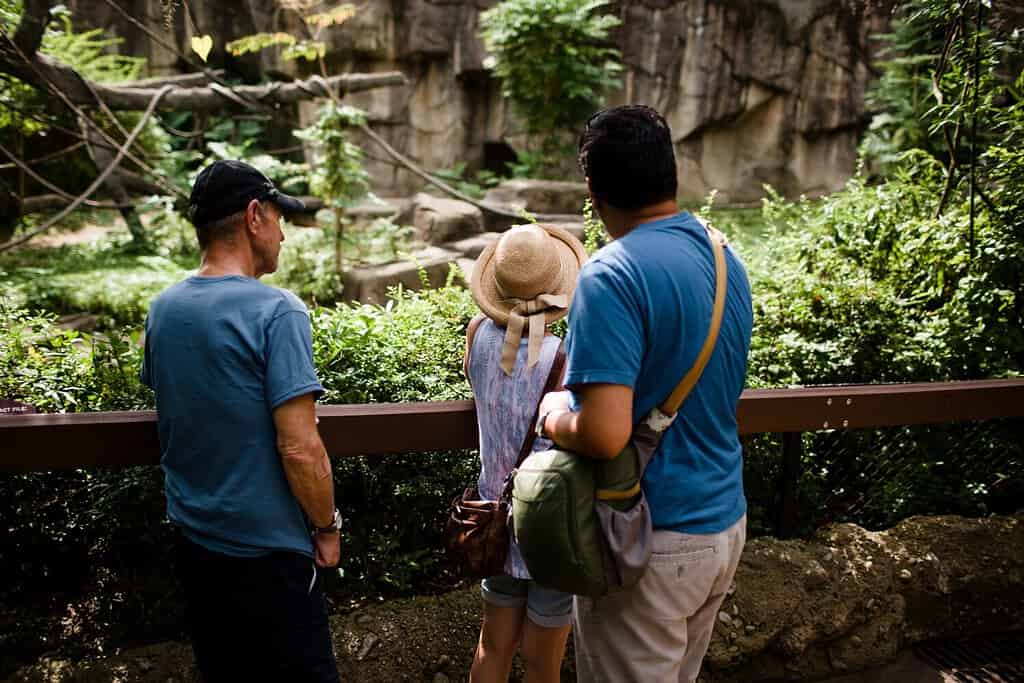
Zoos have entire teams of experts that design and care for the animals within their walls so that they can live a fulfilling life in captivity.
©Cavan-Images/Shutterstock.com
At the Oregon Zoo, animal care and design teams work together to encourage natural behaviors in their residents, giving animals choices within safe, controlled environments and exhibits. All of this is guided by welfare research described in the zoo’s own animal well-being program information. I wanted to learn what this zookeeper thinks of zoos and how their job fulfills them in surprising ways.
Q: What’s a part of the job that would surprise people, but in a positive way?
A: “There’s so much of zoo keeping that is all about building trust with these animals. We do a lot of training, but it’s all rooted in medical and husbandry behaviors. When an animal chooses to participate in what you’re asking it to do because it trusts you, that’s huge. That’s a win for me.”
Q: People talk about zoos being like prisons. How do you respond to that question when you get it?
A: “It depends on which zoos you’re talking about, especially in Oregon, where we have a lot of roadside wildlife businesses. These places aren’t the same as accredited zoos with full-time vets, behavior specialists, and conservation programs.”
“We have an entire team focused on welfare science, habitat design, enrichment, and giving animals as much freedom or natural ways of being as we possibly can. Are we asking animals to live in human-designed spaces? Yes. But we’re not designing these spaces without thought, and the animals we keep in captivity lead long, typically longer lives than their wild relatives.”
People toss in coins, bottle caps, hair ties, snacks from home, all sorts of things. An animal swallowing the wrong thing can lead to surgery or worse.
Zookeeper at Oregon Zoo
Death, Grief, and the Emotional Toll of Zoo Keeping
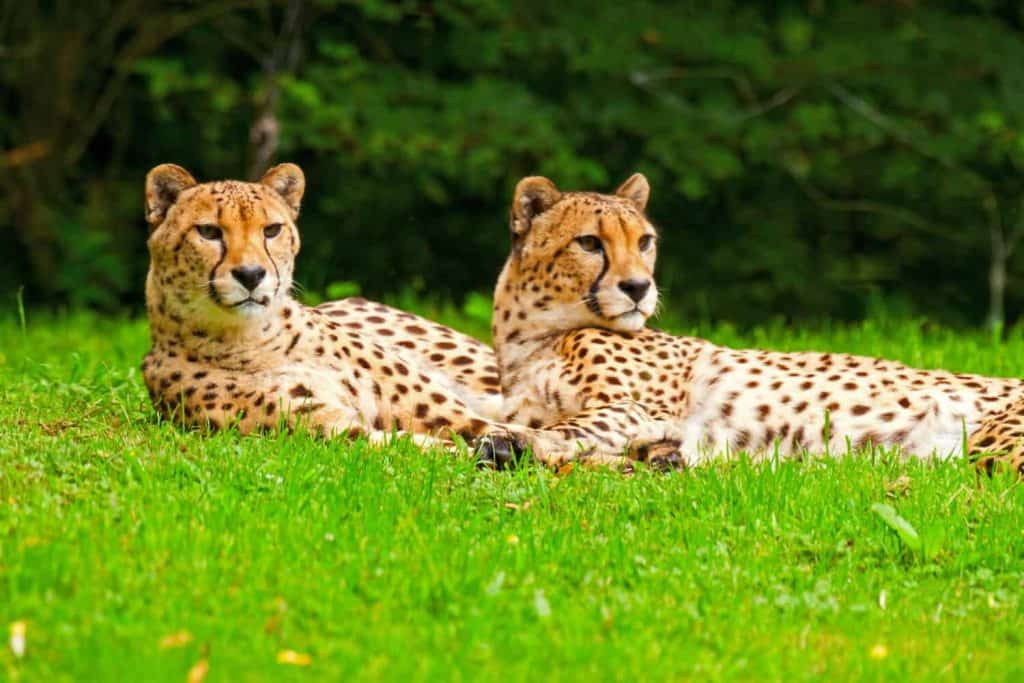
Given how long relationships last between animals in captivity and zookeepers, grief becomes a real aspect of the job.
©Greens and Blues/Shutterstock.com
Many zoo animals live for decades thanks to the care they receive, so keepers end up forming long relationships with them. They are the ones who often see them through age-related health issues. When a beloved resident declines, staff have to balance animal welfare with public expectations, especially for species that have become icons of the zoo, like Strike, one of the oldest cheetahs ever kept in captivity.
Q: What’s a part of this job you wish you didn’t have to deal with?
A: “How much death you see. Sometimes we know a euthanasia is coming for weeks, but sometimes a healthy animal passes unexpectedly. We’re the ones holding it together in front of visitors who are excited to be there, then going into the back hallway to cry. You learn to compartmentalize, but it still hits me some days when I drive home and realize I’ll never see that animal again.”
Emergencies, Drills, and “What If” Scenarios At a Zoo
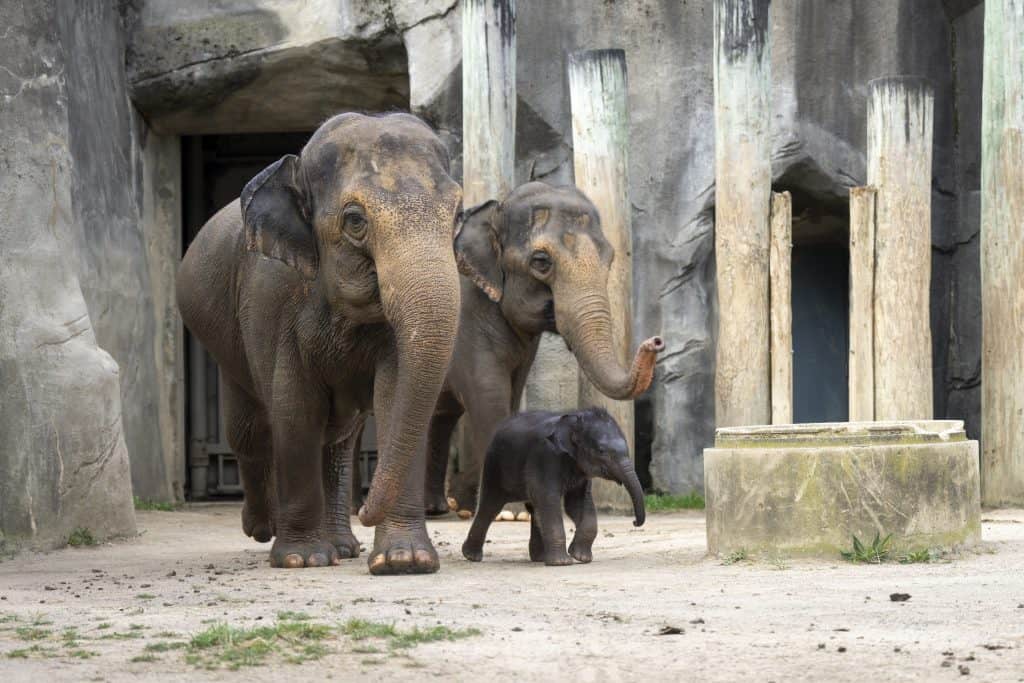
Behind the scenes, zoos run regular emergency drills. Even a low-risk event involves a formal response. That way, everyone can get on the same page if the stakes were ever much higher. I asked about any escapes or terrifying moments that have occurred at the Oregon Zoo.
Q: Any moments when you were genuinely scared on the job?
A: “I haven’t dealt with too many scary moments, since the animals I care for aren’t predators. But I was around when we lost Deschutes, who was a golden eagle. It was especially scary because he was half-blind and flew off into Forest Park, which isn’t exactly the easiest place to get a bird back from. Thankfully, he made it home safe all on his own, but we were all on high alert until then. Poor guy.”
Noise, Stress, and a Zoo’s Daily Annoyances
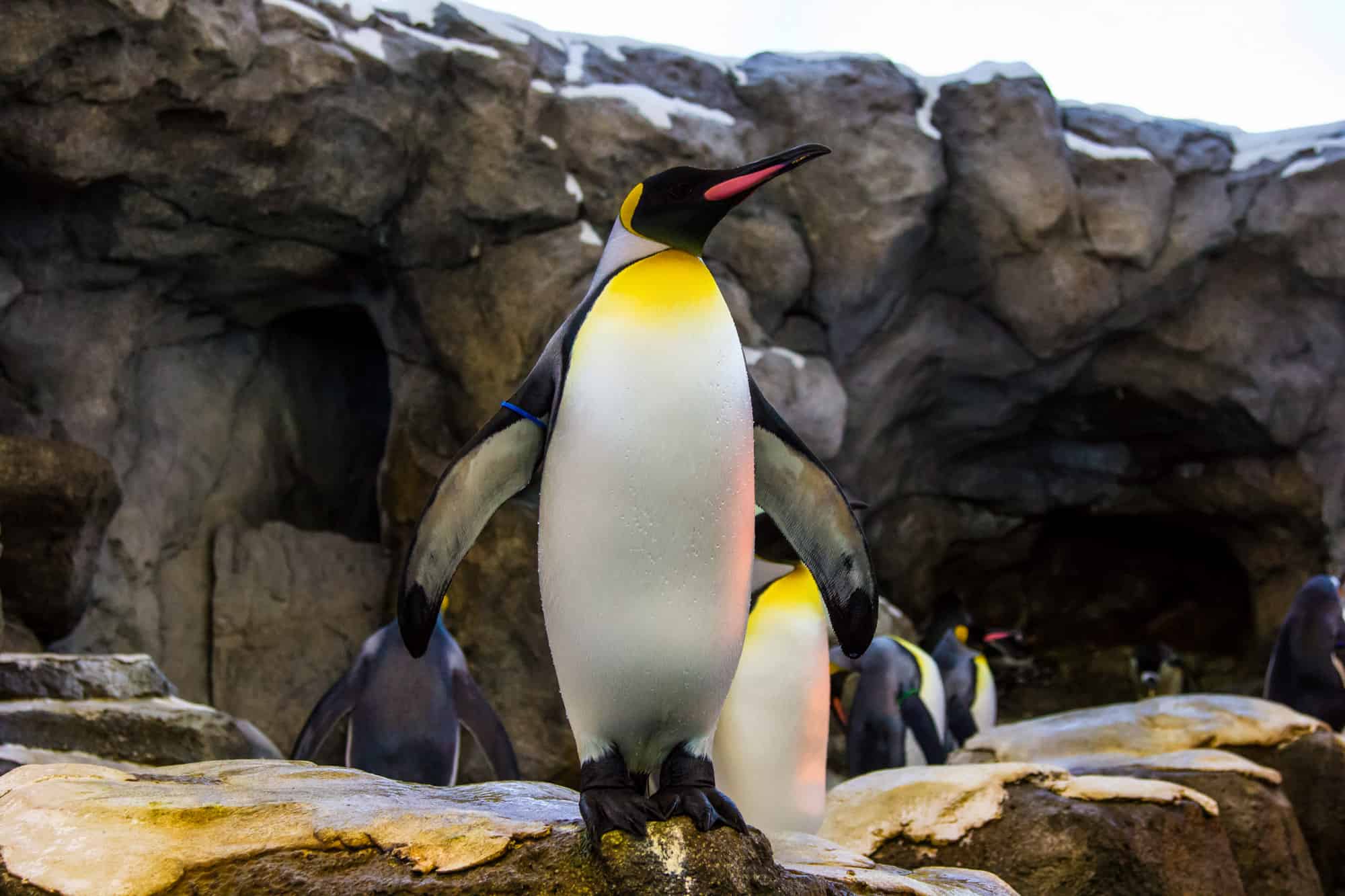
Zookeepers readily admit how often guests bang on the glass of animal exhibits.
©Alex JW Robinson/Shutterstock.com
Small visitor behaviors can add up quickly if you’re witnessing it day in, day out. Tapping on exhibit glass, shouting at animals, or blasting videos from phones can make habitats noisier and more stressful, especially for sensitive species. Keepers end up acting as crowd managers and educators as much as animal specialists, which was something I had to ask about.
Q: How do you feel about kids banging on the glass or yelling to get an animal’s attention?
A: “Honestly? It drives us nuts, just as much as the animals. When you see a keeper stepping in, we’re not trying to scold your kids; we’re hoping to teach them something by advocating for the animal. I like to hope we make a difference, but these days, it’s tough to tell.”
A Zookeeper’s Favorite Animals (and Least Favorite Visitors)
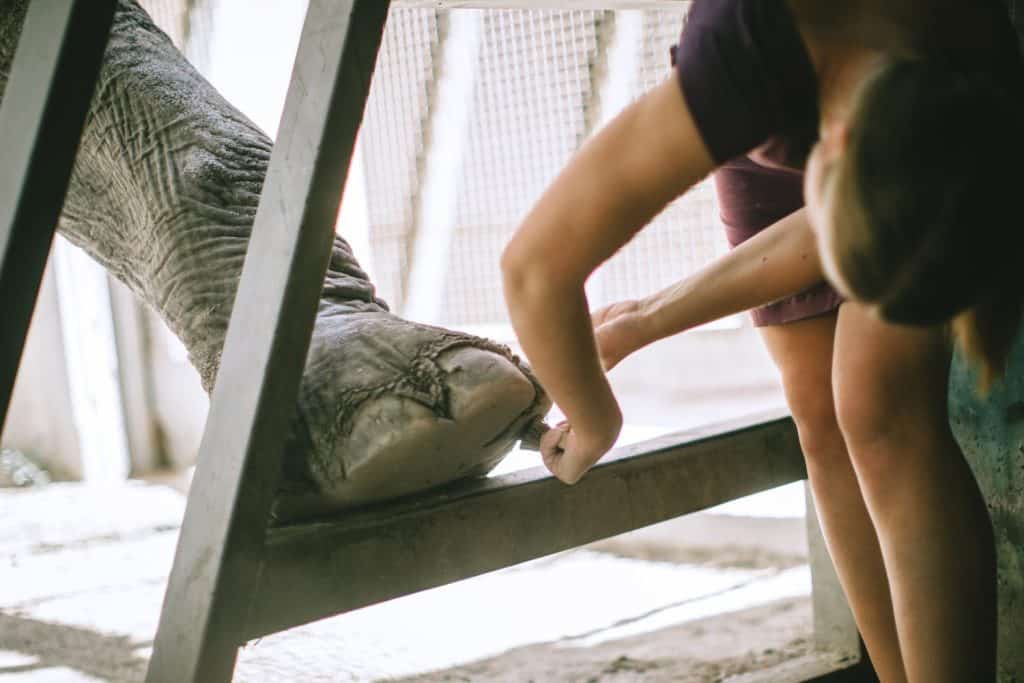
Visitors aren’t always as aware as they could be when observing animals in zoo habitats.
©Rosa Jay/Shutterstock.com
Besides the selfie-obsessed, I was determined to ask this Oregon Zookeeper what they wish guests and visitors would do differently upon visiting. I also couldn’t help but ask a biased question about their personal favorite species, if they have one.
Q: Do you have a favorite species to work with?
A: “We try not to play favorites, we really don’t, even in our own specialties. I know for me, though, the older residents, the animals that have been here longer than I’ve worked at the zoo, they really stick with me. They remember specific people and you can see how much they enjoy living here, with all of us. Makes me feel blessed to be a part of it.”
Q: What do you wish every visitor would do differently?
A: “Two super basic things: read the signs and stay behind barriers. We have signs that explain why an animal might not be visible, why you can’t feed it, or why it looks different depending on the season. Barriers are something you’d think would be obvious, but really isn’t. If you respect those two things, you’re already one of our favorite guests.”
Why Zookeepers Stay On the Job
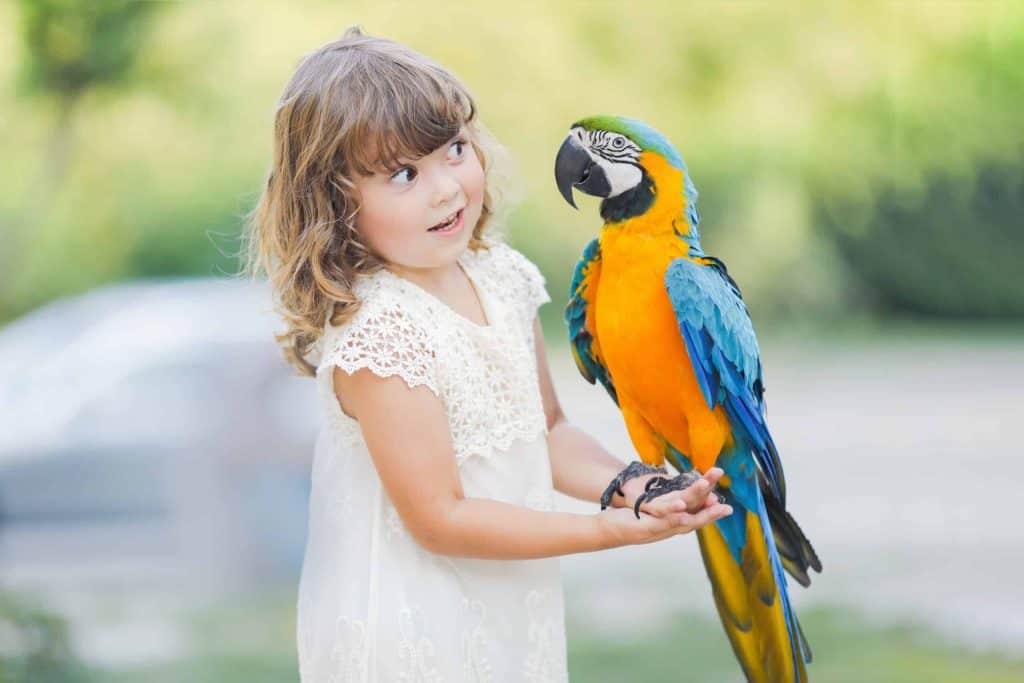
Making a difference in the lives of humans and animals is why some zookeepers stick with their jobs.
©Alina Demidenko/Shutterstock.com
Despite the strain, many zookeepers stay in the field for years. I knew this anonymous keeper had been in this job for many years and had to ask them why they enjoy this career so much.
Q: Why do you stay in this job? What makes it so fulfilling?
A: “There are so many special things about caring for animals, no matter how wild or domesticated. Plus, the people element, no matter how frustrating, can be extremely rewarding. Watching a rehabbed animal thrive, seeing a kid light up when they learn something new; it’s hard to walk away from stuff like that. It feels meaningful. And, on the worst days, the team has each other. Keepers are some of the funniest, toughest people I’ve ever met, and I love working with them.”
Oregon Zoo by the Numbers
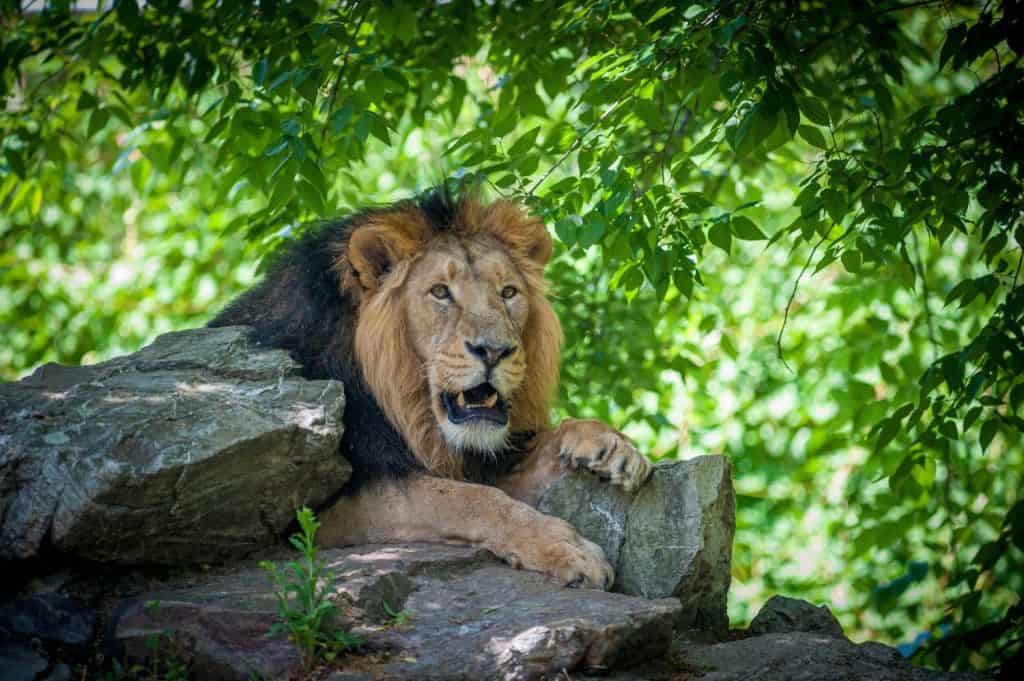
The Oregon Zoo isn’t the only zoo that advocates for countless species of animals.
©Frank Wagner/Shutterstock.com
Depending on the year, the Oregon Zoo is home to roughly 1,800 individual animals representing more than 230 species, including multiple endangered and threatened animals. Many of these are managed through formal conservation programs and Species Survival Plans, both things the Oregon Zoo puts a great deal of emphasis on.
Additionally, the animal-care team works with veterinarians, nutritionists, and behavior specialists to maintain countless species-specific diets, design enrichment that encourages natural behavior, and adjust habitats as welfare research evolves. The Oregon Zoo is both a local and international advocate for species great and small.
Ultimately, caring for so many species requires an enormous amount of daily labor, which is managed by a relatively small team of staff members. The keeper quoted in this piece is one of many staff members whose work is mostly invisible to visitors, which is why it’s important to remember these important things when heading out to your own local zoo.
Visiting a Zoo: Know Before You Go
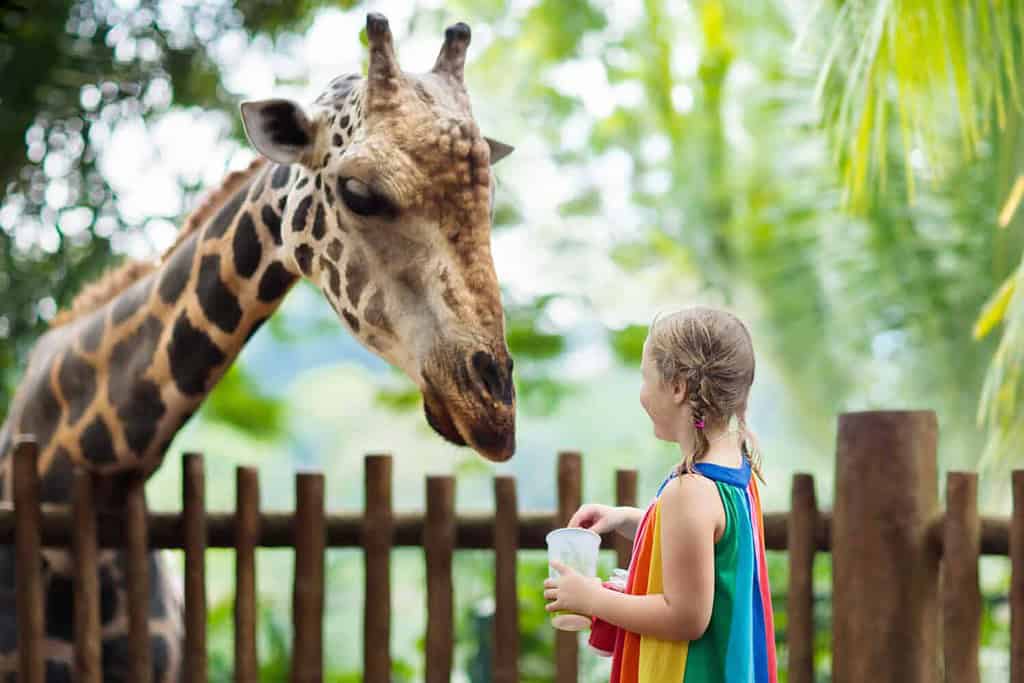
Ensure you observe your surroundings and any posted signs whenever you visit a zoo next.
©FamVeld/Shutterstock.com
Many of the stories keepers tell don’t actually involve aggressive animals. Instead, they focus on inappropriate guest behavior, which can put animals at risk. A tossed snack, a coin dropped into water, or a decision to ignore a barrier or sign might feel like no big deal. However, for staff, it can mean an emergency situation.
From a keeper’s perspective, those inappropriate moments show how much time is spent managing human choices rather than animal ones. Staff members and zookeepers are expected to protect visitors, advocate for animals, and keep the day running smoothly all at once, which is why you should do your part in respecting the zoo you next choose to visit.
Why These Zookeeper Confessions Matter
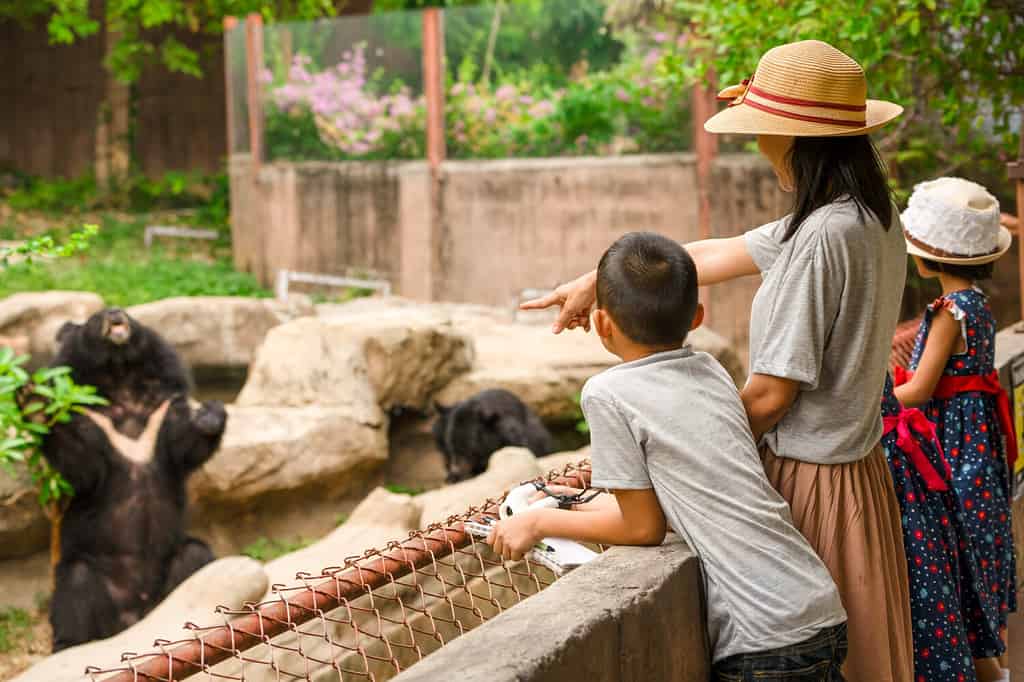
Zoos are wonderful places doing wonderful work for animals, which is why visitors should maintain respect while they are there.
©Torychemistry/Shutterstock.com
Learning specific information directly from a keeper can change how people visit and explore a zoo. No zoo could operate without the compassionate, competent people working both in front of and behind the scenes.
Ultimately, these zookeeper confessions are meant to ensure that visitors take their role seriously. When people respect barriers, follow posted guidelines, and treat animals as living beings, they make it easier for keepers to do the work they signed up for: giving animals the best possible lives they can.