England is the largest country in the United Kingdom, bordered by Wales to the west and Scotland to the north. This beautiful country has a lot to offer nature lovers, including pesky insects. Like many places around the world, England is home to a number of large, flying insects. Of course, size is measured differently depending on the species: beetles are generally measured by body length, while moths and butterflies are measured by wingspan. Although this makes direct comparisons challenging, we think you’ll agree these insects deserve a place on our list of the top 10 largest flying insects in England.
10. Hornet Robberfly
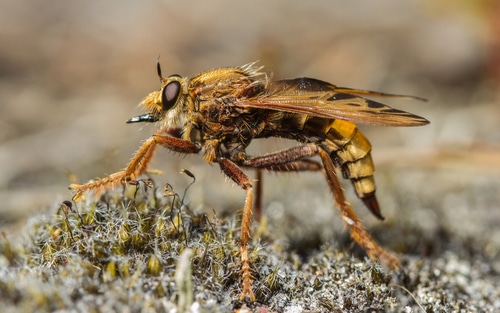
Hornet robberflies prey on other insects, but they are harmless to humans.
©thatmacroguy/Shutterstock.com
The hornet robberfly (Asilus crabroniformis) is most commonly seen between June and October in the southern half of England. The fly is black and yellow with a brown thorax, and it has a typical body length of around 1 inch. These insects feed on dung beetles, bees, and grasshoppers. Although they look intimidating, they are harmless to humans. The hornet robberfly is the largest robberfly in England.
9. Dark Giant Horsefly

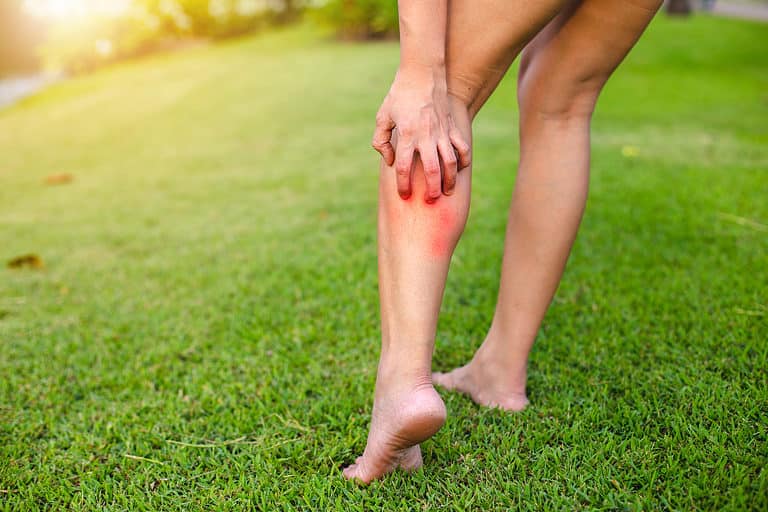
Dark giant horseflies have painful bites that can become infected.
The dark giant horsefly (Tabanus sudeticus) is England’s largest horsefly at up to 1 inch in length. It is often compared to the size of a queen bumblebee. They have dark brown to black bodies and black wings. Dark giant horseflies favor boggy regions and are more prevalent when the weather is hot and rainy. This horsefly bites livestock for a blood meal, but it also bites humans. They have a painful bite that can even become infected.
8. Cockchafers
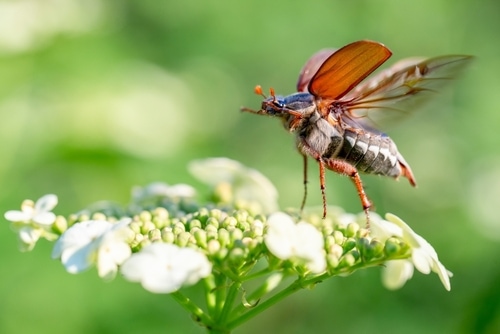
The cockchafer is the largest scarab beetle in England.
©Ihor Hvozdetskyi/Shutterstock.com
Cockchafers (Melolontha melolontha) are normally seen in the south of England in areas with soft soil and plenty of shade. They are England’s largest scarab beetle at 1-1.2 inches in length. They are most active at dusk from late April through July. These insects are attracted to light and make a noisy hum when flying. They have black bodies and reddish-brown legs and wing covers.
7. European Hornet
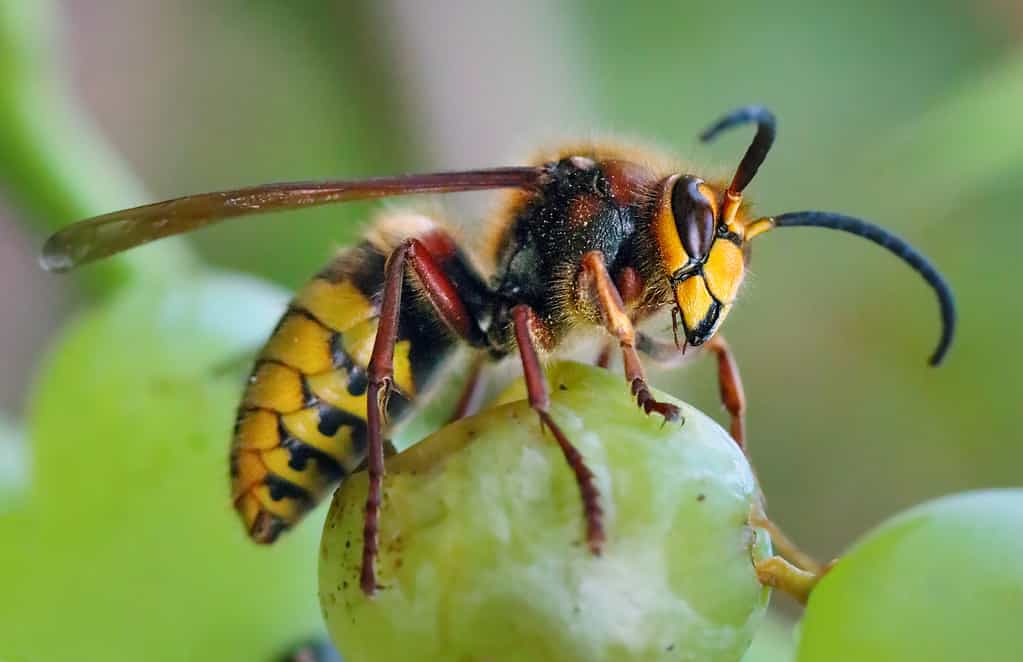
The European hornet may look intimidating, but it tends to be a docile insect unless it is defending its nest.
©TTstudio/Shutterstock.com
European hornets (Vespa crabro) are large, eusocial wasps that measure around 1.6 inches in length with a wingspan of about 1.4 inches. They are the largest and only native hornet in England. Although they have large stingers, they are docile insects and typically only use their stingers to defend their nests and attack prey. They have brown and yellow bodies with dark stripes. They are most commonly seen from May through November in woodland and grassland habitats in southern England.
6. Beautiful Demoiselle

Beautiful demoiselles prefer wetland environments.
The beautiful demoiselle (Calopteryx virgo) is the largest damselfly in England. They can reach about 2 inches in length with a wingspan of around 2.4 inches. Males have metallic blue bodies and dark wings, while females have green bodies and coppery-brown wings. They prefer wetland habitats near slow-moving water. Beautiful demoiselles are primarily found in the west of England from May through August.
5. Swallowtail Butterfly
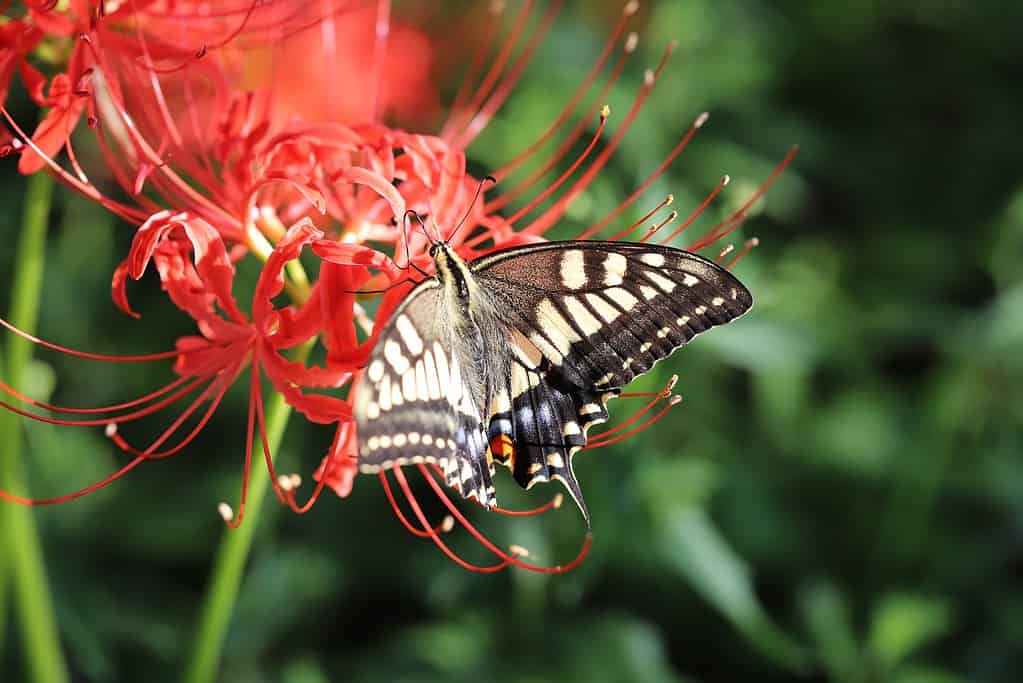
A swallowtail butterfly sucking nectar from red spider lily flower blooming in an autumn park in Japan.
©Tasak/Shutterstock.com
The swallowtail (Papilio machaon) can be seen flying in the wetlands of Norfolk from May through July. They have furry bodies and pale yellow wings with black veins and blue edges. Their hindwings have long tails with a distinctive red spot. With a wingspan of around 3.7 inches, swallowtails are England’s largest native butterfly.
4. Emperor Moth
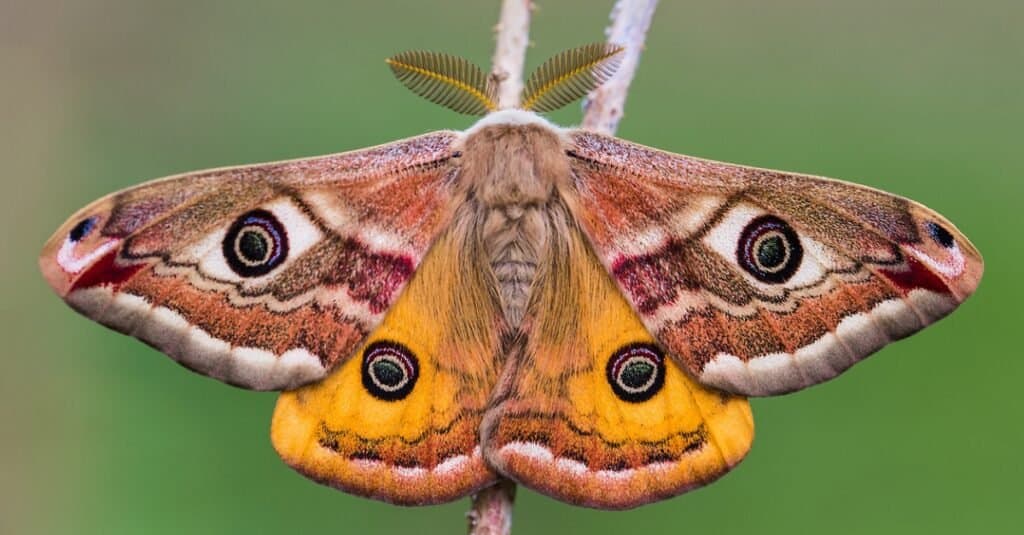
The only moth with eyespots on all four of its wings is the emperor moth.
©iStock.com/Simon002
Emperor moths (Saturnia pavonia) are the only members of the silk moth family in England. It is also one of the largest flying insects with a wingspan of nearly 4 inches. They are fluffy greyish-brown moths with reddish-pink markings and bright orange underwings. Emperor moths are the only large moths with peacock-like eyespots on all four wings. They are widespread throughout England and prefer grassland, heathland, moorland, and coastal habitats. The best time to see these moths is from March to May.
3. Emperor Dragonfly
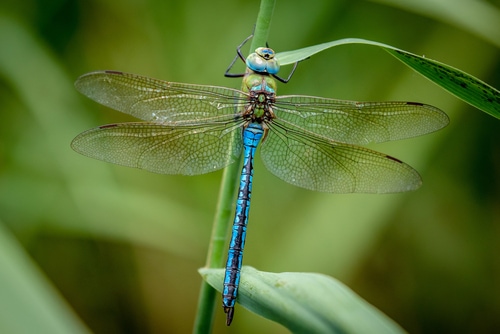
The emperor dragonfly has a wingspan of over 4 inches.
©Denis Vesely/Shutterstock.com
The emperor dragonfly (Anax imperator) is Britain’s stockiest dragonfly. This dragonfly reaches 3 inches in length with a wingspan of over 4 inches. They are bright blue and green, with the males distinguished by blue abdomens, while the females have green abdomens. They are widely distributed across England from May through October. Emperor dragonflies are frequently found near ponds, canals, and other bodies of water.
2. Privet Hawk-Moth
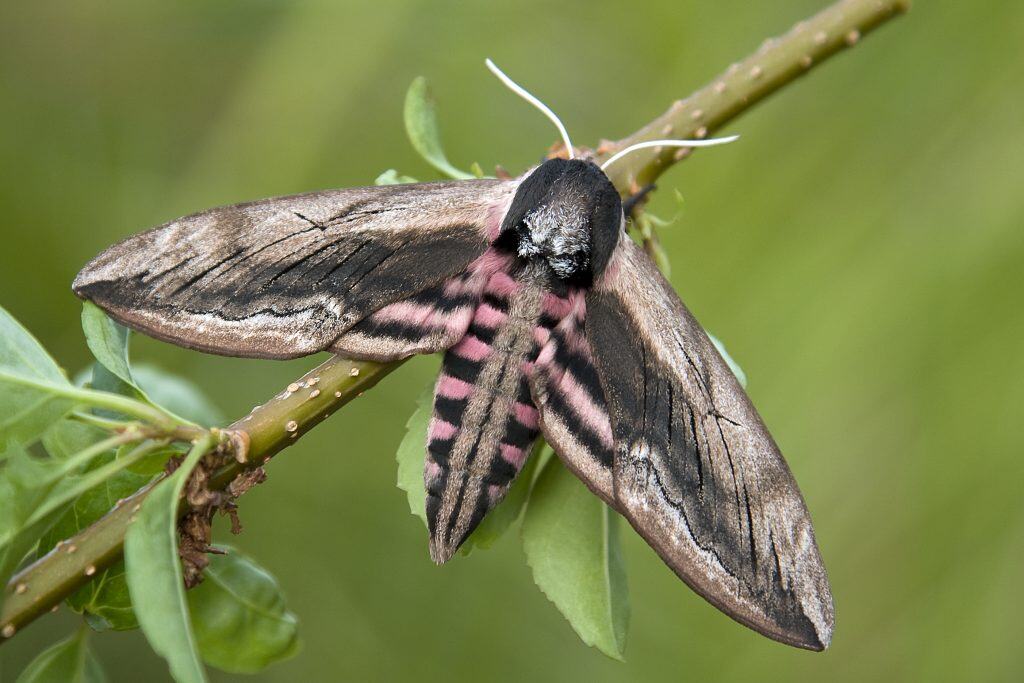
The privet hawk-moth is found in the woodlands, parks, and gardens of southern England.
The privet hawk-moth (Sphinx ligustri) is England’s largest native hawk-moth with a wingspan of up to 4.7 inches. They have pink and black striped abdomens, light brown to chocolate brown forewings, and pink, brown, and black striped hindwings. The best time to see the privet hawk-moth is in June and July. These moths are common across the parks, gardens, and woodlands of southern England and East Anglia.
1. Stag Beetle
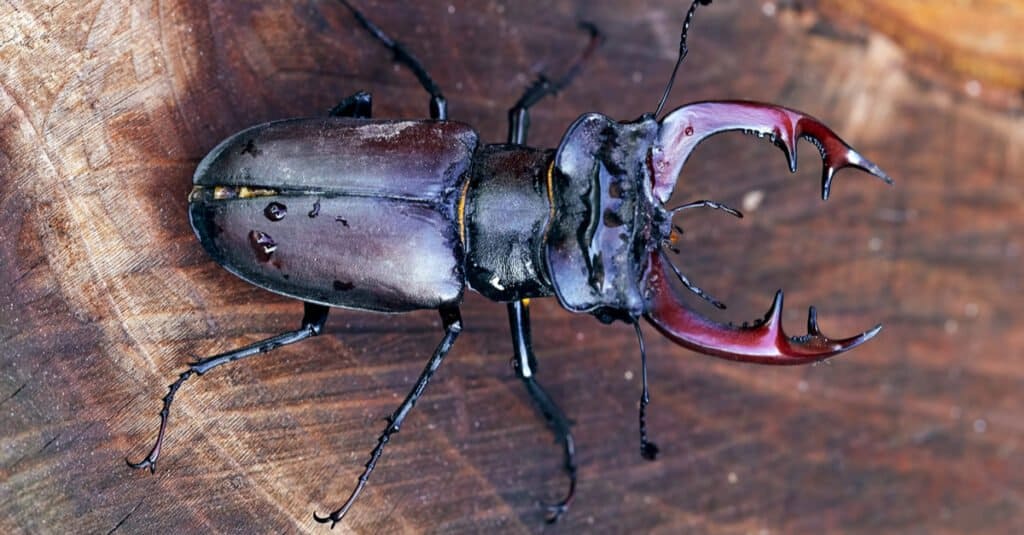
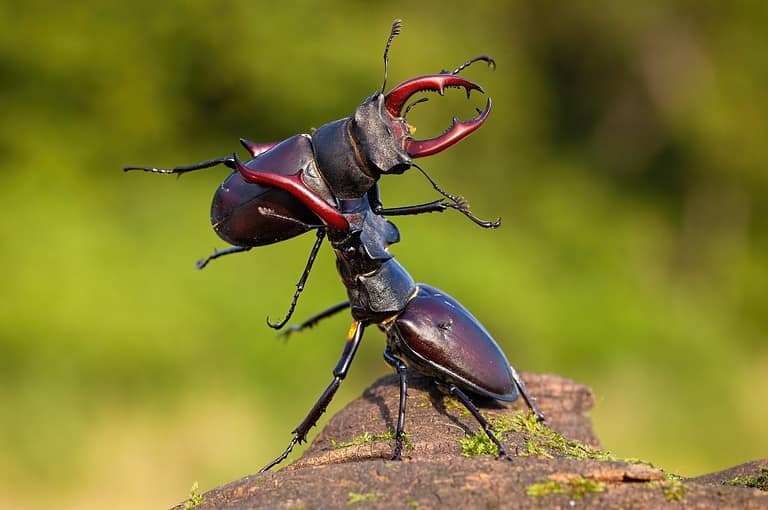
The stag beetle feeds on dead wood and can be found in woodlands, gardens, and parks.
©Istomina Olena/Shutterstock.com
Stag beetles (Lucanus cervus) are the largest beetles in England. Males can grow to 2.95 inches in length, including their mandibles. Although their wings are rarely visible, stag beetles have a wingspan of nearly 5 inches. The beetle gets its name from its antler-like mandibles that it uses to compete with other males for resources and mates. They are most commonly seen from late May to late July. Although their numbers are in decline across Europe, London and the Thames Valley have some of the largest populations of stag beetles in the world.