
Quick Take
- Grubs don't stop at grass roots. Their diet reaches plants in your garden and on your plate that you'd never think to protect. See what grubs eat →
- Your lawn can actually tolerate grubs to a certain point. The threshold that separates harmless from destructive is more specific than most homeowners realize. See damage thresholds →
- Grubs might not be the only ones wrecking your yard. The animals hunting them can cause just as much damage, and some of them might surprise you.
There are many different types of grubs all over the world, but the ones that most people are familiar with are white lawn grubs. These common pests can be extremely destructive, causing grass to wither and die in late summer and early fall. But what exactly do grubs eat? Read on to learn what foods are on a lawn grub’s menu.
What Are Grubs?
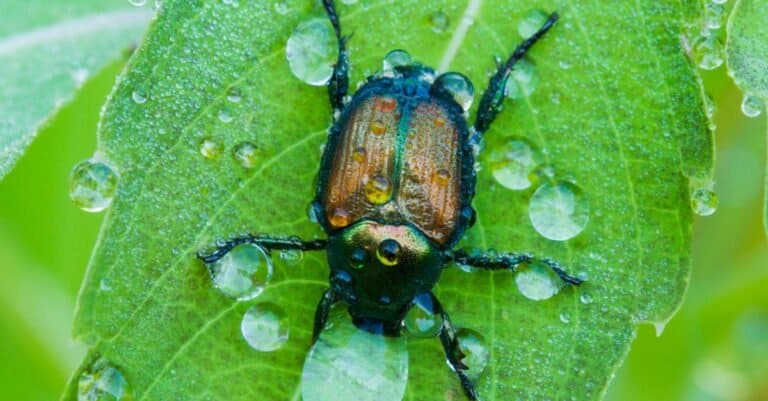
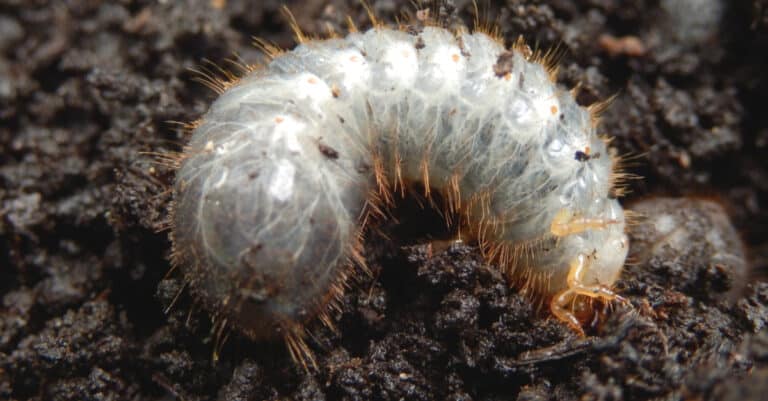
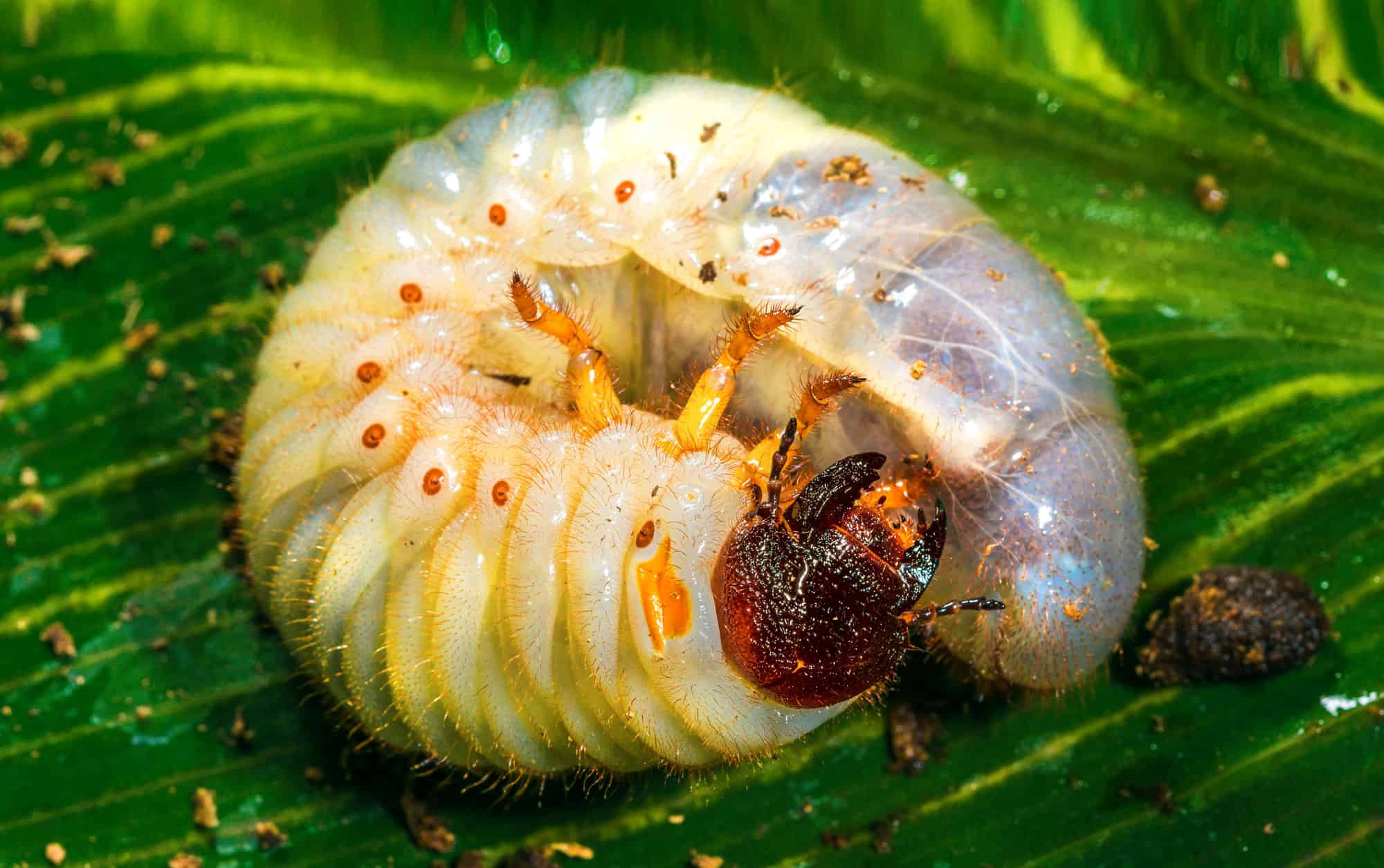
In the United States, the term grub typically refers to the larvae of beetles in the Scarabeoidea superfamily, of which there are 1,700 species in North America north of Mexico. Common lawn grubs in the U.S. include the larvae of May and June beetles, Japanese beetles, masked chafers, European chafers, Asiatic garden beetles, and black turfgrass ataenius, among others. Lawn grubs are generally white or greyish colored with C-shaped bodies, brown heads with developed mandibles, and six small legs near the head.
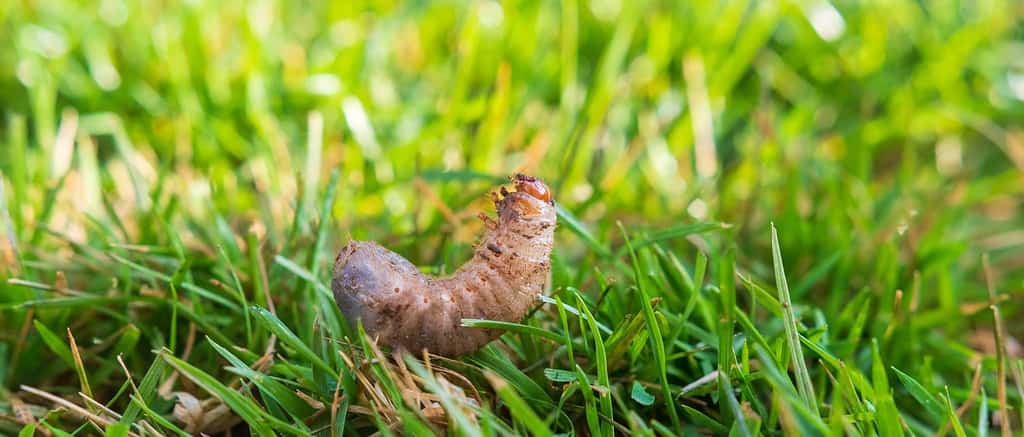
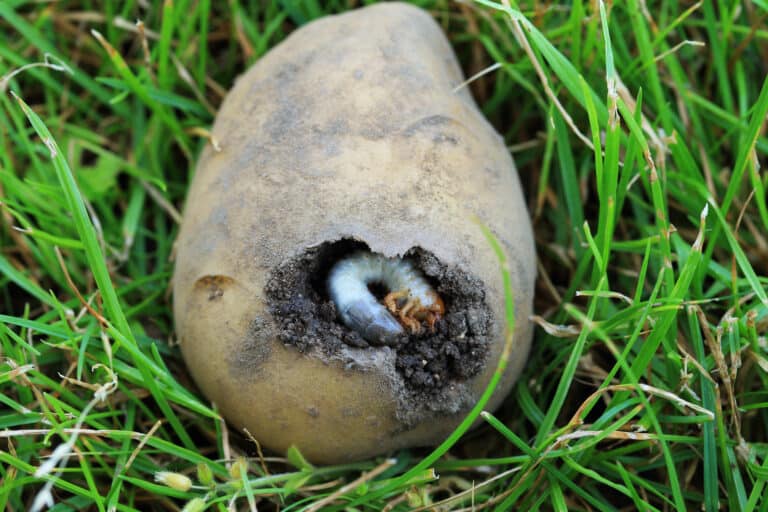
Lawn grubs are typically white or greyish with C-shaped bodies.
©Tob1900/Shutterstock.com
There are annual, biannual, and multi-annual grubs. Annual white grubs are the most common, producing one generation each year. Adult beetles lay their eggs in the soil during the summer. These eggs generally hatch beginning at the end of July through August, depending on which part of the country you live in. The newly hatched larvae begin to feed on roots.
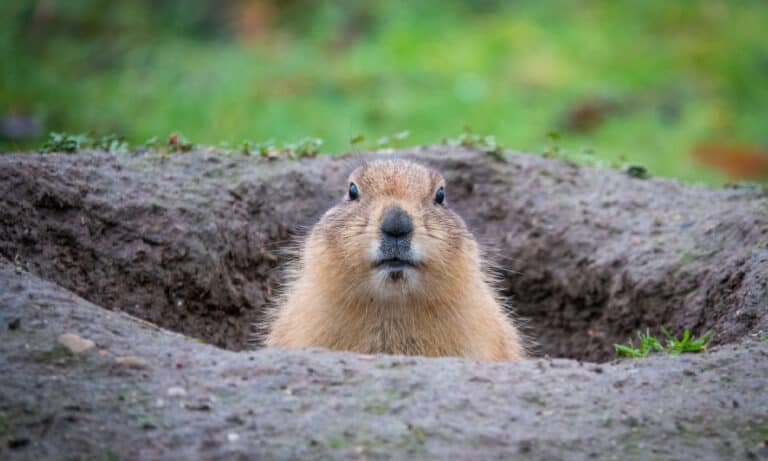
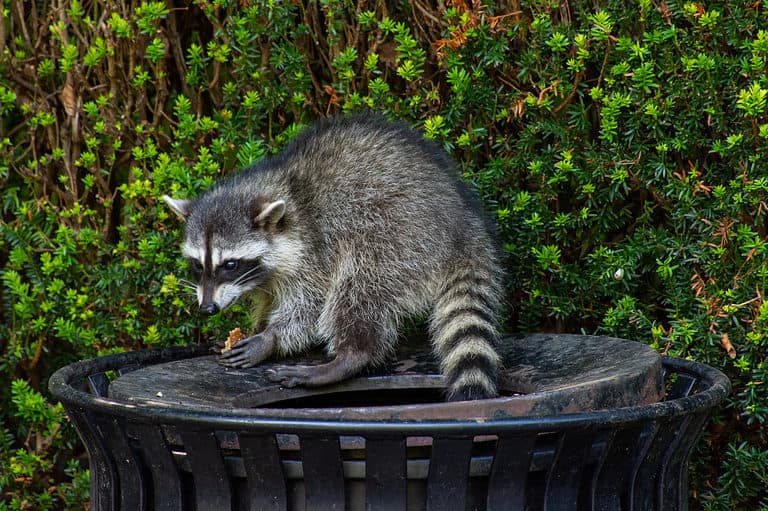
Depending on the grass type and conditions, lawns can generally sustain around 5 to 10 grubs per square foot before real damage begins, though some sources suggest treatment may be warranted at as few as 4 to 5 per square foot. Any fewer than that, and it is unlikely that grubs are the cause of the damage. Signs of grubs include wilting or discolored turf that does not respond to watering. Many animals eat grubs and can damage the grass in search of them. Skunks, birds, raccoons, moles, opossums, and armadillos eat grubs and will sometimes tear up lawns to get to them.
The Lawn Grub Diet
Lawn grubs can inhabit the soil of almost any backyard, sports field, or agricultural crop. Turfgrass such as Bermuda, Zoysia, Fescue, Kentucky bluegrass, and more can provide an ideal environment for lawn grubs. They are often found in well-watered soil in sunny areas.
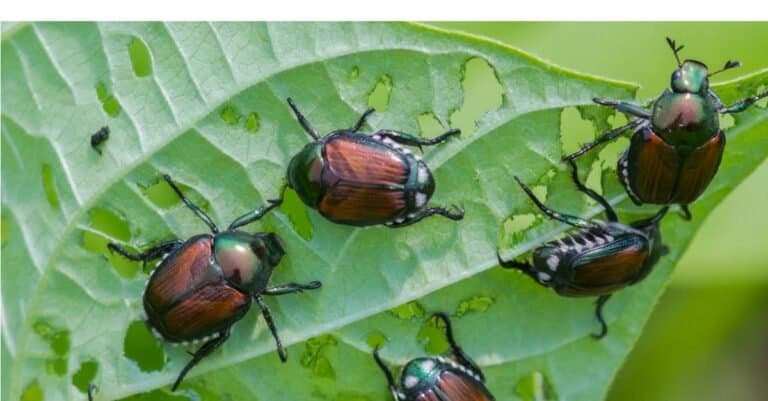
Some adult beetles eat the flowers and leaves of trees, shrubs, and vegetables, but lawn grubs generally consume:
- Turfgrass roots
- Shrub roots
- Cereal grain roots and other crop roots such as soybeans and potatoes
- Ornamental tree roots
- Decaying plant material
- Other organic matter in the soil
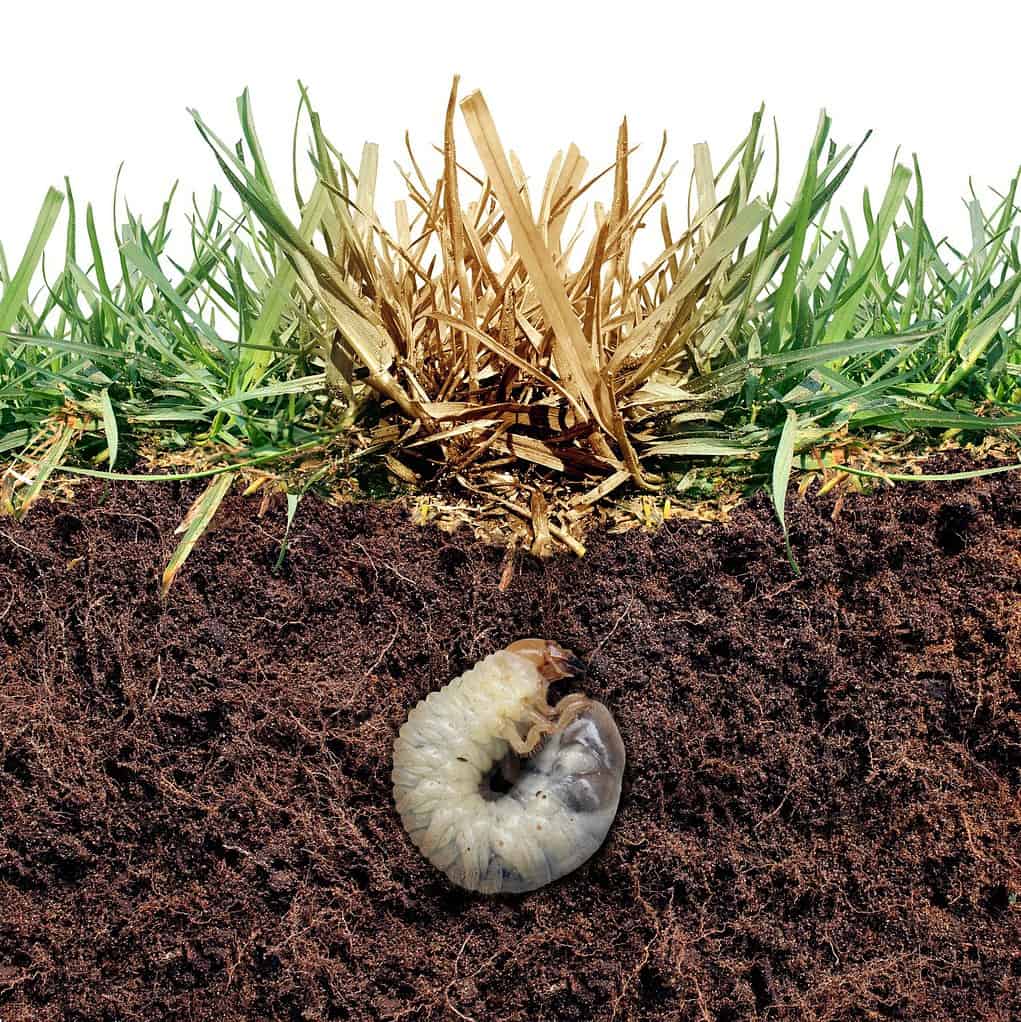
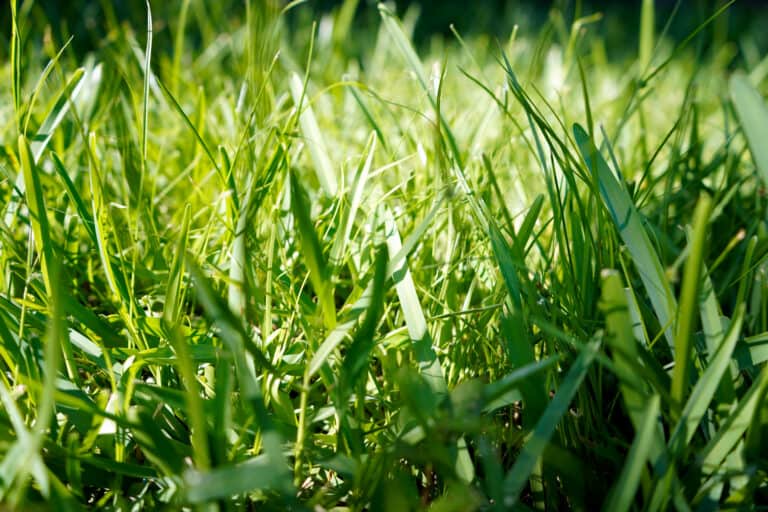
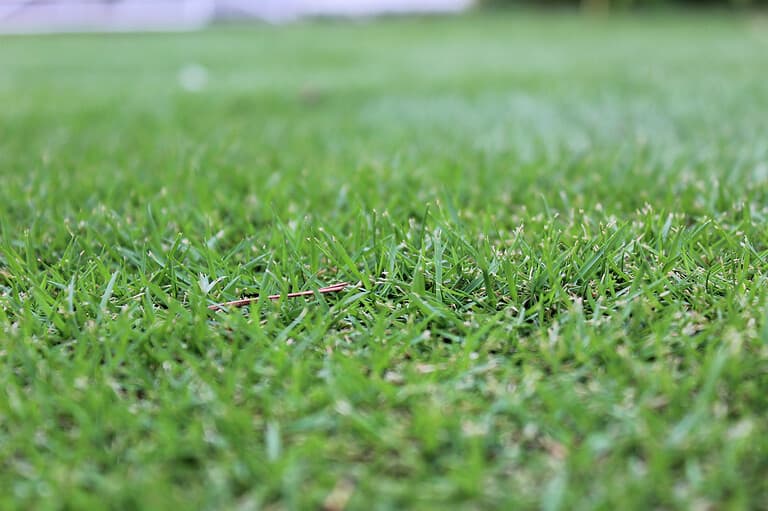
Grubs commonly consume turfgrass such as Bermuda, Zoysia, Fescue, and Kentucky bluegrass.
©Lightspring/Shutterstock.com
How to Get Rid of Grubs
The primary way people remove grubs is through chemical treatments. There are both preventative measures and curative measures involving pesticides. Experts note that the timing of the application is critical for the best results. Both preventative and curative measures are effective when applied according to instructions and at the proper time.
Preventative treatments are often recommended over curative treatments, as preventative products can be applied over a longer period, so the timing is not as crucial. One downside is that preventative treatments may be more expensive. However, they are generally more environmentally friendly and are safer for other organisms.