
Quick Take
- There are only two species of turkeys, and both are indigenous to the Americas.
- Male and female turkeys have distinctly different shapes of solid waste.
- Composted turkey droppings make a splendid fertilizer.
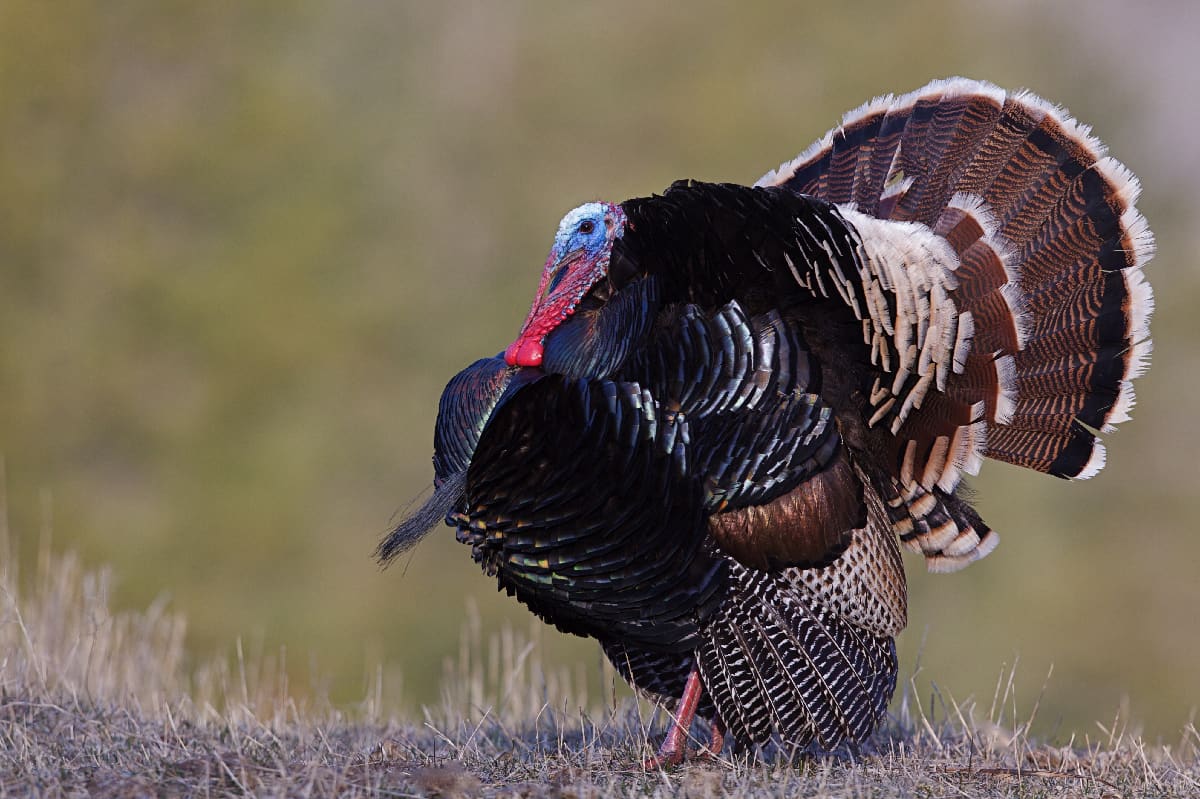
There are two distinct species of turkeys in the world: the wild turkey (Meleagris gallopavo), with five subspecies scattered across the United States and Canada, and the ocellated turkey (M. ocellata), found primarily in the Yucatan Peninsula of Mexico, as well as parts of Belize and Guatemala. These two turkey species are notably different in size and appearance, with the ocellated turkey being a smaller, more vibrantly colored tropical species, in which the males, called toms or gobblers, weigh up to 12 pounds. Wild turkeys are much larger and heavier, with toms weighing between 16 and 24 pounds. The females, called hens, of both species are slightly smaller than the toms. Although both species share similar, habitat-dependent diets consisting of insects, seeds, and berries, the significant difference in their physical size makes their solid waste easy to distinguish. Continue reading to discover everything you’ve ever wanted to know about turkey poop.
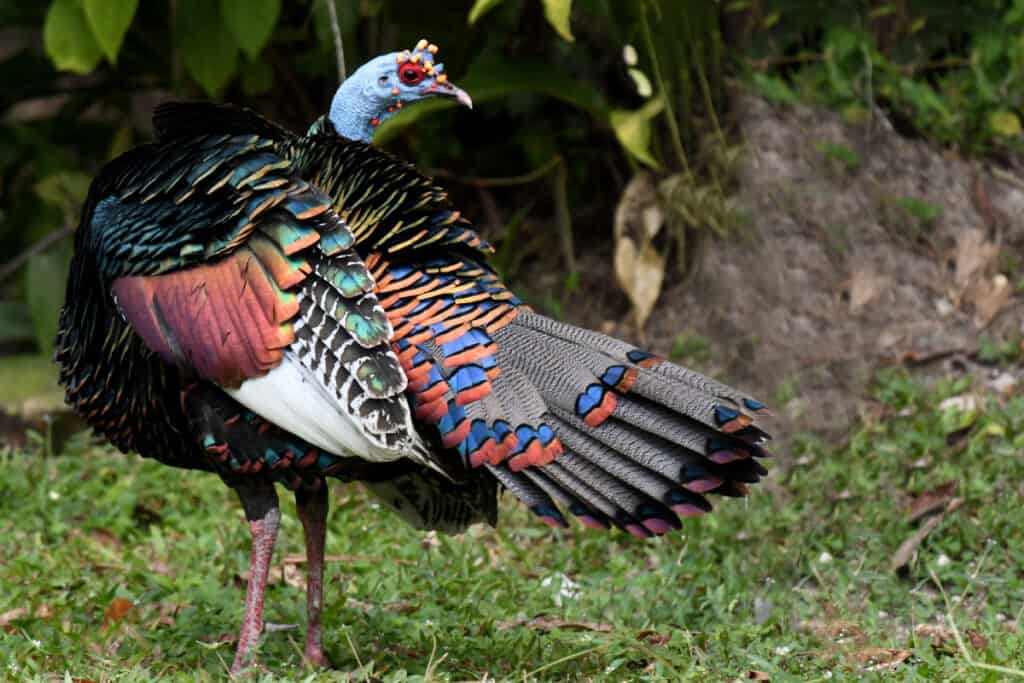
Ocellated turkeys have much more colorful plumage than wild turkeys.
©Lev Frid/Shutterstock.com
What Does Turkey Poop Look Like?
The biological sex of a turkey influences the appearance of its solid waste, called scat or droppings. This is due to anatomical differences in their cloaca, the single, multifunctional opening that houses their digestive, urinary, and reproductive tracts.
Located under their tail feathers, the cloaca serves as the exit for solid and nitrogenous waste and eggs. Due to the need to pass eggs, the female’s cloaca is larger and more flexible, while the male’s is more constrained, leading to distinct, sex-specific droppings.
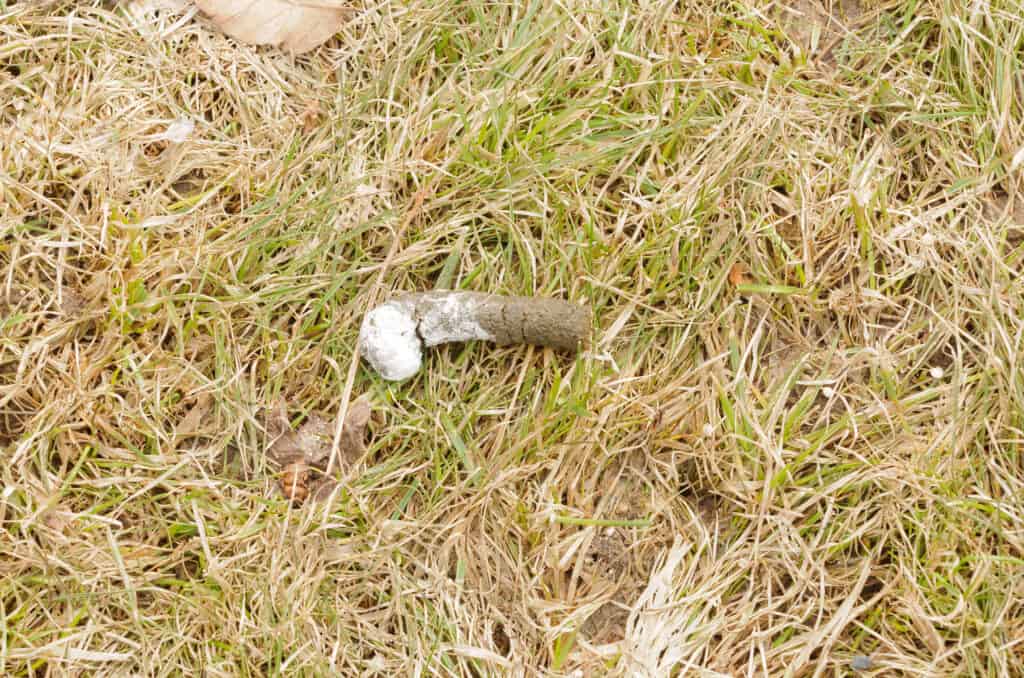
J-shaped droppings are usually excreted by tom turkeys.
©Jeffrey B. Banke/Shutterstock.com
Hens typically produce droppings that are more compact, rounded, and tend to spiral into a coil or pile. Their larger, stretchier cloaca allows the waste to twist and coil before being excreted.
Toms produce droppings that are long, tubular, and often shaped like the letter J or a hook. Because toms do not require the flexibility to lay eggs, their cloacas are smaller with less room for the waste to coil, resulting in this straighter, J-shaped appearance.
Wild toms typically excrete cylindrical, J-shaped droppings measuring up to 3 inches in length, with a diameter of 0.375 to 0.625 inches, typically with a white cap of uric acid, the white, chalky, paste-like substance found on one end of the dropping. This cap consists of the bird’s nitrogenous waste, which is excreted through the cloaca rather than as liquid urine.
The J-shaped droppings of ocellated tom turkey generally measure around 1 to 2 inches in length and between 0.4–0.5 inches in diameter, often with the signature white uric acid cap at the tip.
Turkey poop is generally a drab greenish-brown color.
Is Turkey Poop Harmful?
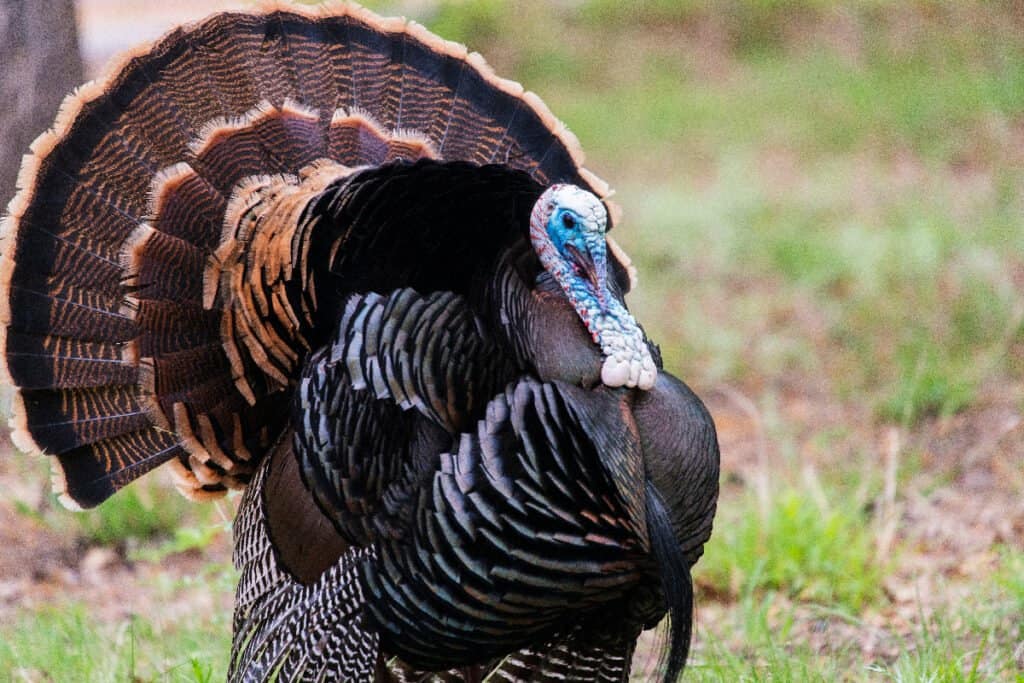
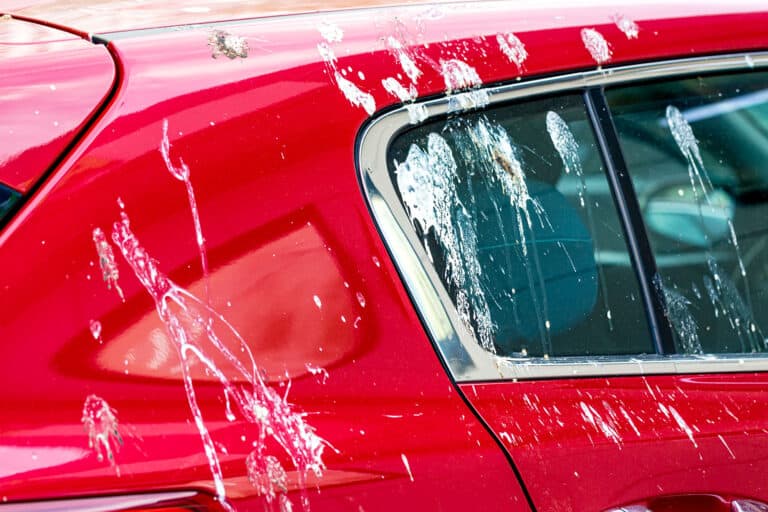
Humans can get diseases from handling turkey scat.
©Brent Coulter/Shutterstock.com
Turkey scat can potentially harbor bacteria such as E. coli, Salmonella, and Campylobacter, which are known to cause gastrointestinal illnesses in humans. While most human infections are linked to contaminated food or water, direct contact with animal droppings may also pose a health risk.
Is Turkey Poop Good Fertilizer?
Turkey droppings make excellent, nutrient-rich fertilizer, especially for gardens in need of a nitrogen and phosphorus boost. For safety, compost turkey manure until it reaches an internal temperature of 131–170°F for at least three days and is fully decomposed before application.