
Stingrays are instantly recognizable creatures. They glide around our oceans and rivers efficiently, using their flattened bodies and ‘wings’ (pectoral fins) to float in the water. But do not be fooled by their ethereal appearance. Stingrays are hunters! That much is clear from this crazy Instagram clip, featuring a stingray that looks remarkably like a cartoon. These creatures are ruthless predators with some clever adaptations that allow them to both catch and digest their food.
About Stingrays
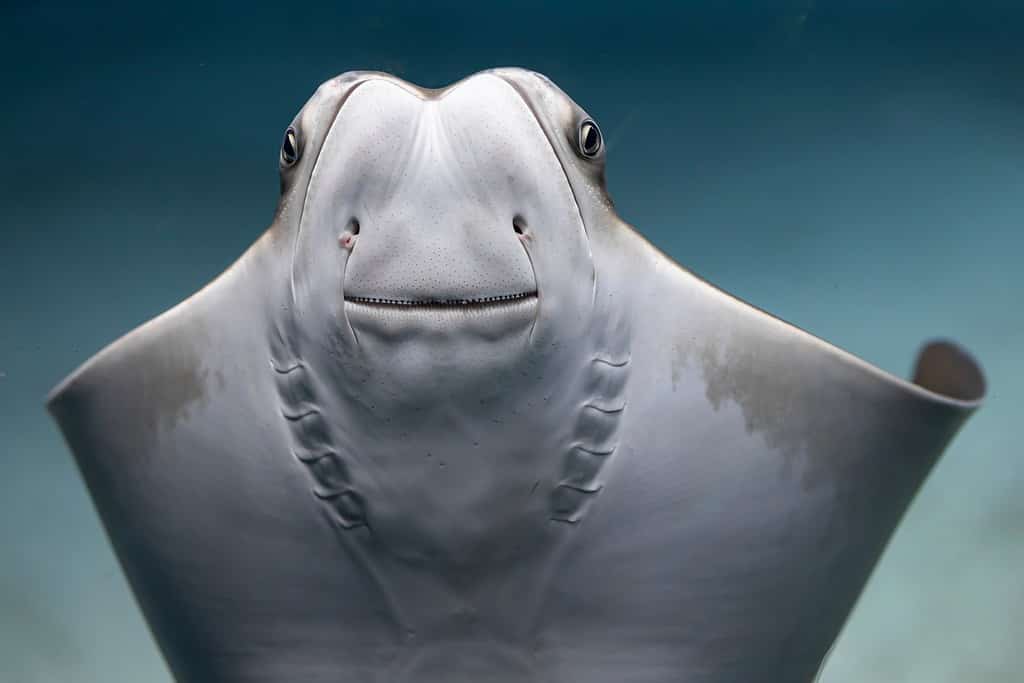
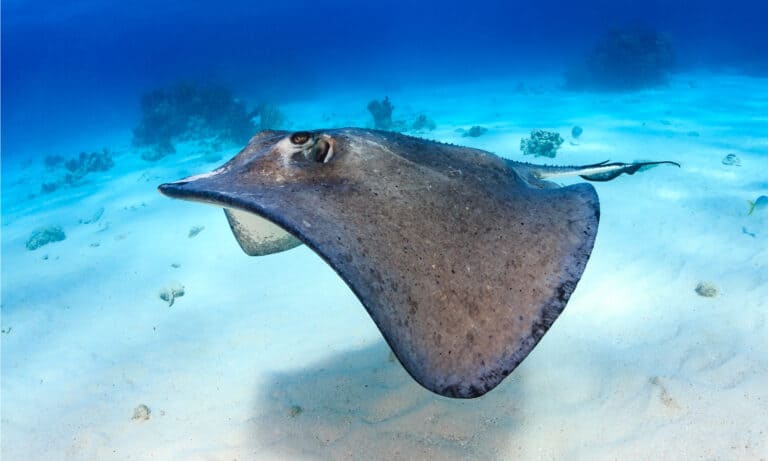
There are hundreds of species of stingrays.
©JENG BO YUAN/Shutterstock.com
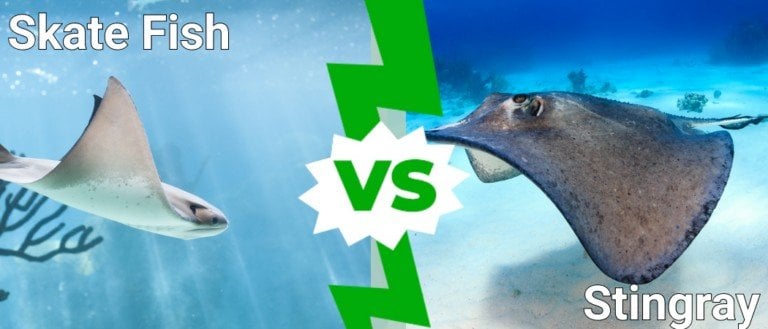
Stingrays belong to the Myliobatiformes order, but there are eight different families including Plesiobatidae and Urotrygonidae. They have cartilage instead of bones, and their bodies are flattened and wide. Color varies greatly between species, but as you can see in the clip, most have a paler belly. This helps them hide from their predators, which include sharks and seals. Humans also catch them using lines and spears, and they are eaten by people in cultures all over the world.
Stingrays primarily live throughout coastal tropical and subtropical oceanic waters, although some are found in the open ocean, while others live in freshwater. There are at least 200 different species of these solitary creatures who only gather together for mating and migration.
Stingrays as Hunters
Most stingrays have rows of sensory cells across their face, called the ampullae of Lorenzini. These cells can detect weak electrical fields generated by potential prey, helping the stingrays locate their next meal.
Once prey is located, some stingrays use a capture technique called tenting. They press their pectoral fins against the sea floor, creating a suction force that pulls the prey to their mouth. In the above clip, the stingray is using this technique against the aquarium wall rather than the floor, but it works just as well!
Other Stingray Feeding Methods
Other species of stingrays use alternative feeding methods. Some use a stirring method, during which they undulate their bodies to disturb the substrate and reveal hidden prey such as aquatic worms, mollusks, crustaceans, and small fish.
Others use a picking method, plucking insects from the surface of the water or from other surfaces. Some stingrays even hunt upside down and pull prey down into their mouths!
Chewing Their Food
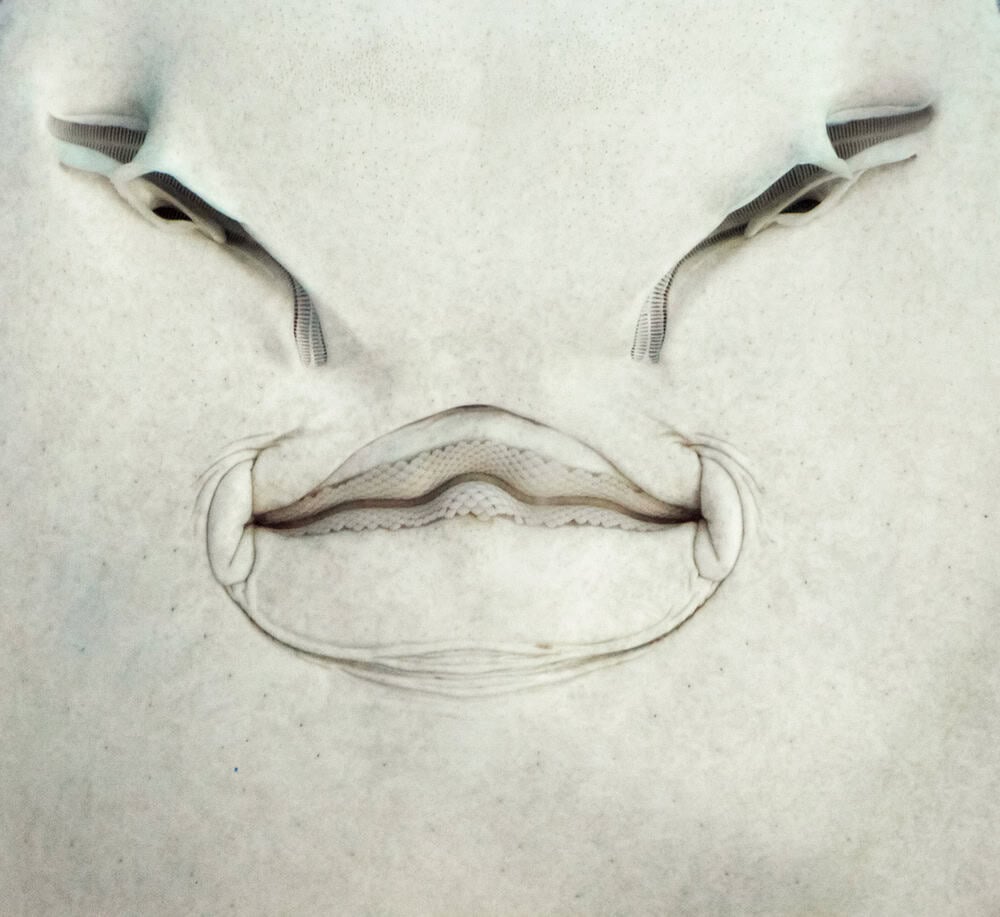
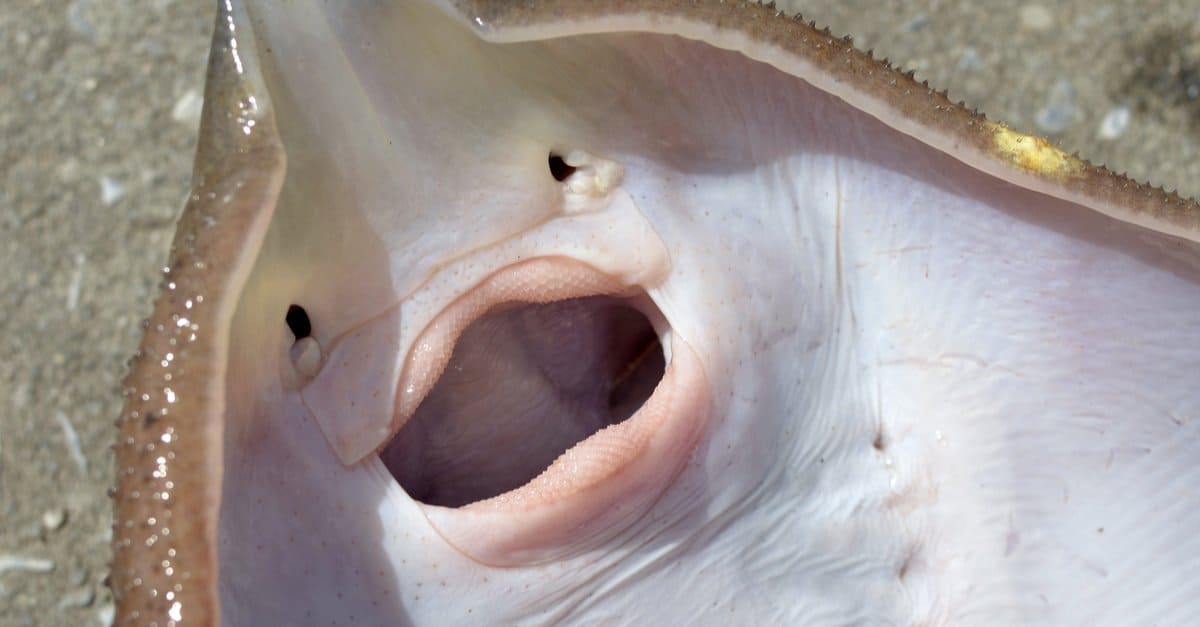
Stingrays have strong jaws.
©saiko3p/Shutterstock.com
The five slits you can see on either side of the mouth are gills. These have nothing to do with digestion but are used to ‘breathe’ in water. The gills have membranes covered with thin sheets of soft tissue containing millions of blood vessels. As water passes across the gill membranes, oxygen enters the stingray’s body. As the blood travels in the opposite direction of the water, carbon dioxide diffuses from the blood and into the water.
The mouth of a stingray is fascinating. Even though they have no bones, their jaws are very strong, made up of layers of cartilage. They also have flattened structures made of modified placoid scales, which act like teeth to process the food before digestion. Once inside the mouth, the fish is ‘chewed’ stingray style. This means that it will be repeatedly bitten, spat out, and sucked in again. Once the fish is completely mashed, the stingray can digest it much easier! To achieve this, the stingray engages in ‘asymetric’ chewing, moving their jaws up and down and from side to side. Because their jaw joints are so loose, they can extend them quite far forward.
The Stingray Digestive System and Spiral Poop
The stingray digestive system is remarkably similar to ours, considering we look very different from them! After being swallowed by a stingray, the fish will first enter the esophagus, which is essentially a pipe that transports food from the mouth to the stomach. The stingray’s stomach is a J-shaped organ; this is where digestion starts. The food then passes to the duodenum, a short, curved tube extending from the stomach to the valvular intestine, or spiral valve. This valve may have between five and 50 spirals, depending on the species. The unique structure of the stingray’s duodenum increases the surface area but also slows the passage of food, allowing further digestion to take place.
Finally, the food enters the colon, which is a short and broad tube connecting the spiral valve with the cloaca. Humans do not have a cloaca, which is used for the disposal of nitrogenous waste, urine, and reproductive fluids. Amazingly, stingray poop can come out as a spiral, taking on the shape of the spiral duodenum!