
Quick Take
- Wolf 832F, known as O-Six, was a breeding female of the Lamar Canyon Pack and one of the most closely observed wolves in Yellowstone National Park.
- She drew attention for initiating hunts alone and occasionally killing vulnerable elk—behavior considered uncommon but documented among experienced wolves.
- O-Six was legally killed by a hunter in Wyoming in 2012 after leaving Yellowstone’s boundaries, highlighting the risks research animals face outside the park.
- Her life and death contributed valuable long-term data to wolf research and reshaped public awareness of how wolves live, hunt, and disperse.
Wolves usually rely on cooperation to survive. Hunting large prey such as elk typically involves multiple pack members working together to isolate and exhaust an animal. That reality makes one Yellowstone wolf stand out decades after her death.
Known to researchers as Wolf 832F and to the public as O-Six, the female gray wolf became one of the most closely observed and widely known wolves in Yellowstone National Park. Her life offered rare insight into wolf behavior, pack leadership, and the challenges predators face when crossing park boundaries.
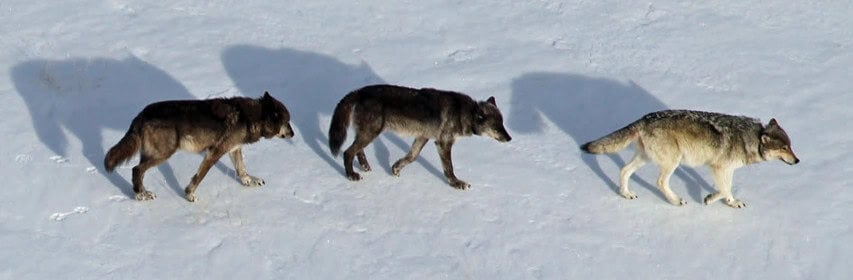
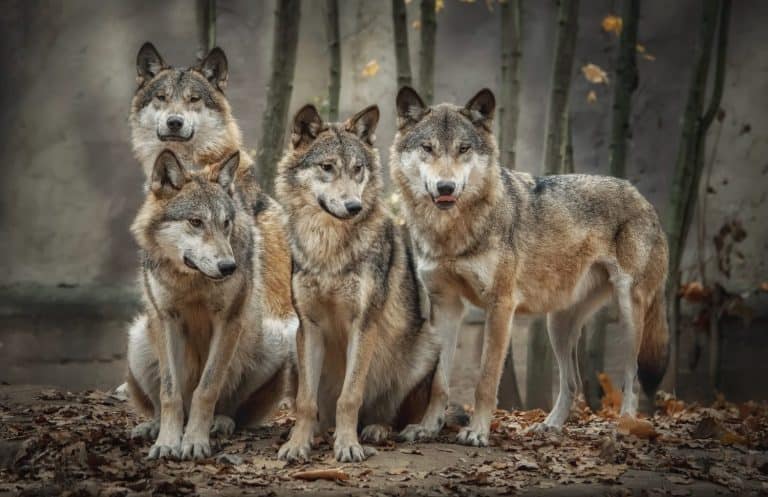
Wolf 832F, known to the public as O-Six, is pictured here on the far right.
©National Park Service (NPS)/Dan Stahler, Public domain, via Wikimedia Commons – Original / License
A Breeding Female in Yellowstone’s Lamar Valley
Born in 2006, Wolf 832F became the breeding female of the Lamar Canyon Pack by the age of three. The Lamar Valley, one of Yellowstone’s most visible wildlife corridors, made her easy to observe for both researchers and visitors. As a result, she became unusually well documented compared with most wild wolves.
Researchers with the Yellowstone Wolf Project fitted her with a radio collar early in her life. Tracking data and direct observation showed that she played a central role in pack cohesion, pup rearing, and hunting coordination. While older terminology often described wolves like her as “alpha,” modern wolf science recognizes pack leaders as breeding adults guiding their family group rather than dominant individuals ruling through aggression.
Hunting Behavior That Drew Attention
Wolves generally hunt cooperatively, especially when targeting elk, which can seriously injure or kill predators with kicks or antlers. However, Wolf 832F was observed on multiple occasions initiating hunts alone and harassing elk without immediate pack support.
In some cases, she successfully killed vulnerable elk, behavior considered uncommon but not unheard of among experienced wolves. Biologists note that such hunts usually involve animals weakened by age, injury, or environmental stress and carry significant risk to the wolf.
Her behavior did not overturn what scientists know about wolves, but it provided valuable data on the flexibility of hunting strategies under certain conditions.
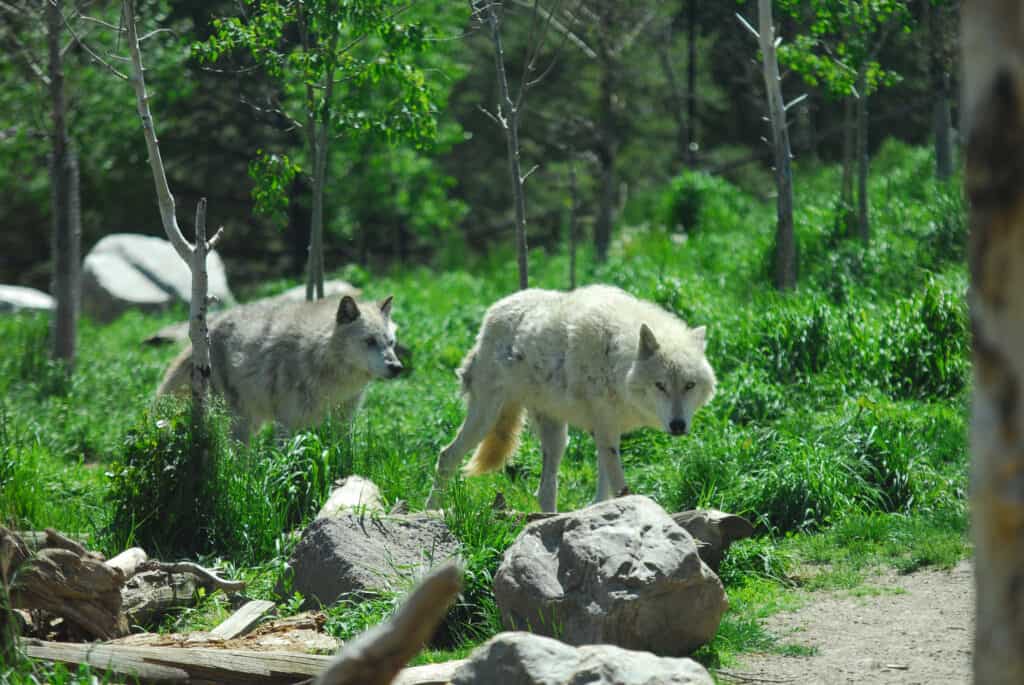
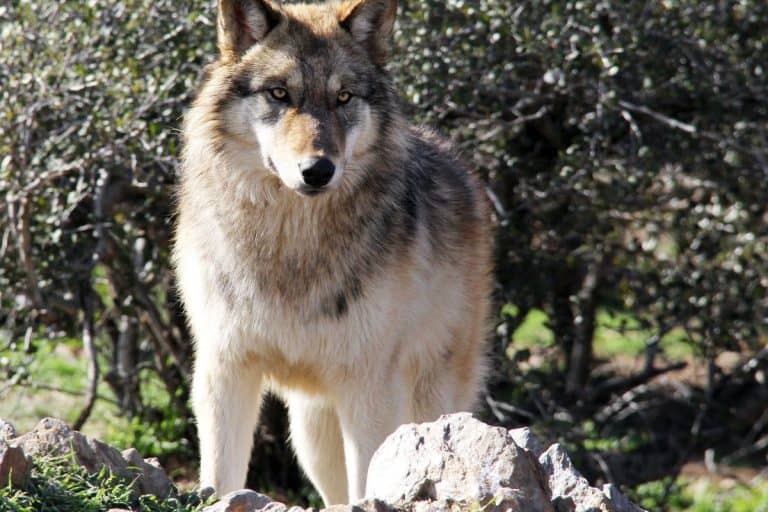
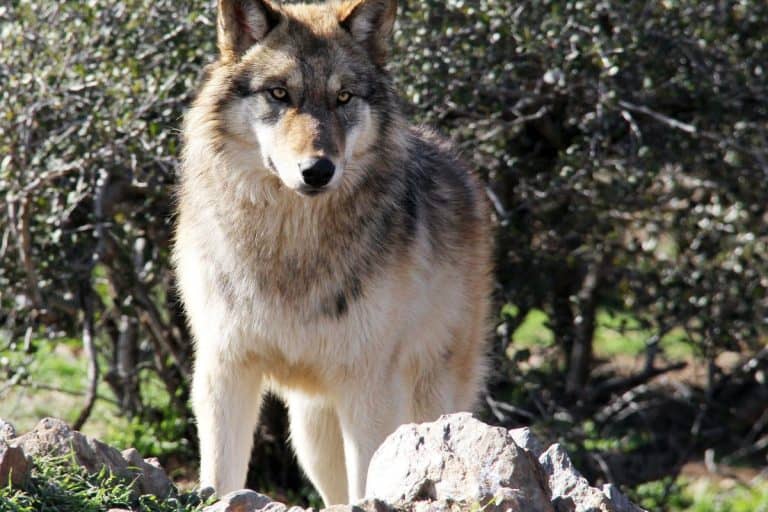
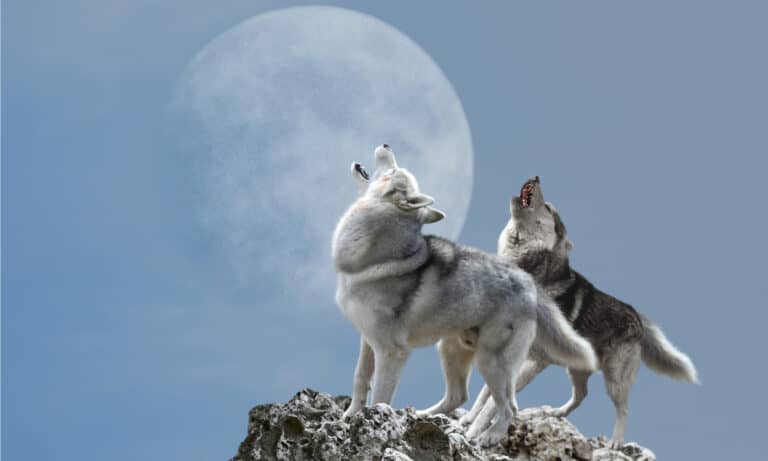
Wolves usually rely on cooperation to survive.
©MedstockPhotos/Shutterstock.com
Life Beyond the Park Boundary
As pack territories shifted, Wolf 832F and her group were eventually displaced from portions of Lamar Valley. In late 2012, she traveled roughly 15 miles east of Yellowstone’s boundary into Wyoming.
Outside the park, wolves fall under state wildlife regulations rather than federal protection. During the legal hunting season, Wolf 832F was shot and killed by a licensed hunter in December 2012. She was wearing a visible research collar at the time.
Her death received international attention and reignited debate over wolf hunting near national park borders. That same season, several other collared Yellowstone wolves were also legally killed after leaving park boundaries, raising concern among researchers about the vulnerability of study animals once they disperse.
A Lasting Scientific Legacy
Wolf 832F did not change wolf biology, but she changed public awareness. Her visibility helped illustrate how wolves structure family groups, raise offspring, and navigate shifting landscapes shaped by both natural and human forces.
Long-term research continues to rely on wolves like 832F, whose movements and behavior helped scientists better understand predator ecology in the Greater Yellowstone Ecosystem.
Wolves in Yellowstone Today
Gray wolves were eliminated from Yellowstone by the early 20th century as part of predator control programs. Following passage of the Endangered Species Act in 1973, wolves were reintroduced between 1995 and 1996, when 31 individuals from western Canada were released into the park.
Today, Yellowstone typically supports about 90 to 120 wolves in roughly 8 to 10 packs, though numbers fluctuate yearly due to births, deaths, dispersal, and shifting territories. Hundreds more wolves live throughout the Greater Yellowstone Ecosystem beyond park boundaries.
Where Wolves Are Most Often Seen
Wolves are most frequently observed in Lamar Valley and Hayden Valley, where open terrain allows long-distance viewing. Winter months often provide the best viewing opportunities, as wolves are more active during daylight hours and prey animals are more concentrated.
Visitors seeking assistance can join guided wildlife tours, which rely on expert knowledge of wolf behavior, known territories, and visual tracking rather than real-time GPS data.