
Quick Take
- Researchers studying gray wolf populations near the Chernobyl nuclear disaster site discovered a genetic evolution that may be protecting the wolves from cancer.
- Wolves in the Chernobyl Exclusion Zone (CEZ) have populations up to seven times higher than wolves in nearby areas.
- The wolves in the study were fitted with GPS collars that had radiation dosimeters attached.
- The data showed that the wolves were exposed daily to radiation levels six times higher than the legal limit for humans.
When the Chernobyl nuclear disaster happened on April 26, 1986, the region became one of the most heavily contaminated areas on the planet. A 1,000-square-mile area surrounding the doomed nuclear power plant in northern Ukraine was dubbed the Chernobyl Exclusion Zone (CEZ). The CEZ is about the size of Yosemite National Park in the U.S.
The CEZ’s purpose was to restrict public access to the area and prevent exposure to the extreme levels of radiation present after the blast. Nearly 116,000 people were evacuated from the CEZ and relocated to other Ukrainian cities.
But the wildlife was left to fend for itself. Now, forty years later, some species have demonstrated not just an ability to survive, but to thrive in the radioactive environment.
Gray Wolves Are Defying the Odds
One species that has demonstrated exceptional resistance to the harsh reality of life in the CEZ is the gray wolf. As apex predators in the CEZ, gray wolves feed on prey that have themselves eaten irradiated plants growing in contaminated soil. Scientists expected the CEZ wolf populations to be adversely impacted by radiation since they are exposed across the entire food chain. But the opposite turned out to be true.
A 2024 study published by two Princeton researchers revealed that not only are CEZ wolf populations not declining; they are thriving. In fact, they are up to seven times higher than wolf populations in nearby protected areas outside the CEZ.
What Did Scientists Discover?
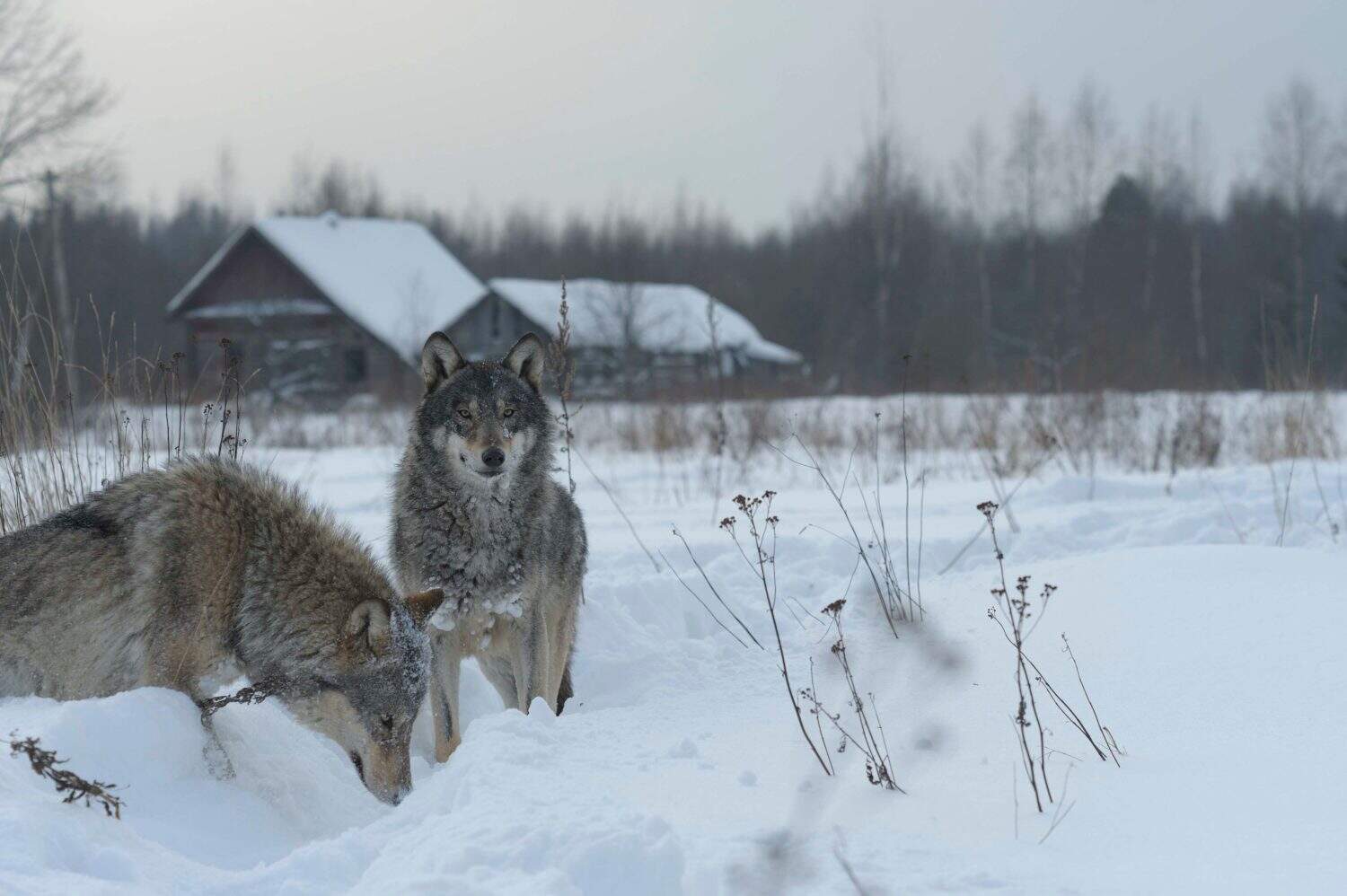
Cara Love, an evolutionary biologist and ecotoxicologist at Princeton University, and a team of colleagues have been studying the effects of radiation on CEZ wolves since 2014. Using specialty GPS collars equipped with radiation dosimeters, the researchers are able to get real-time measurements of where the wolves are and how much radiation they are exposed to.
The team discovered that Chernobyl wolves are exposed to more than 11.28 millirems of radiation every day. That’s more than six times the legal safety limit for the average human. The wolves are exposed to these extreme levels every single day of their lives.
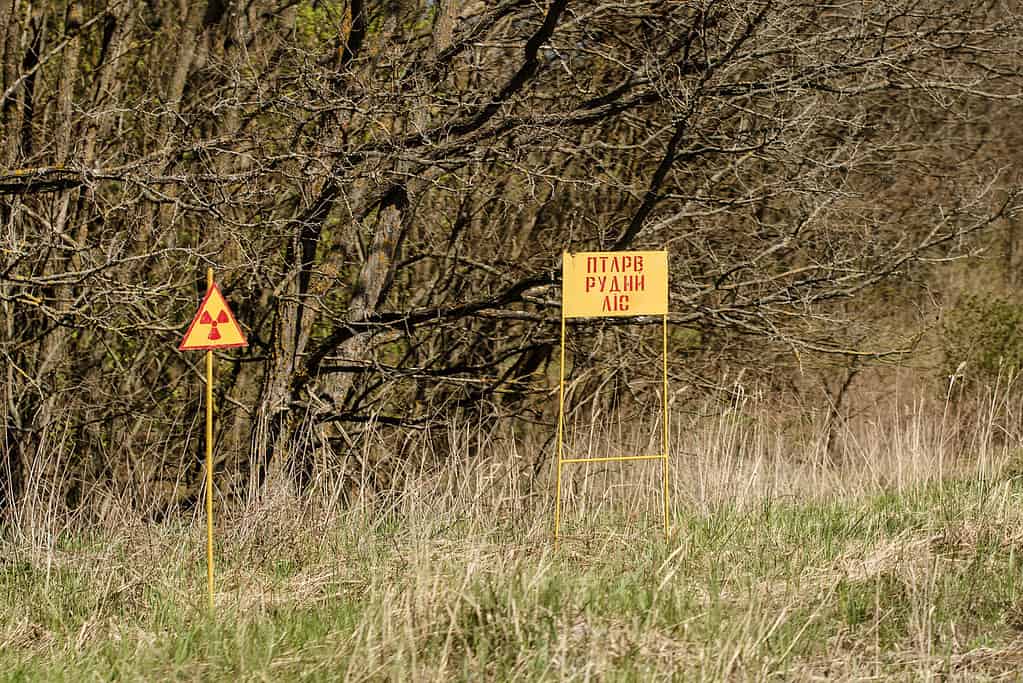
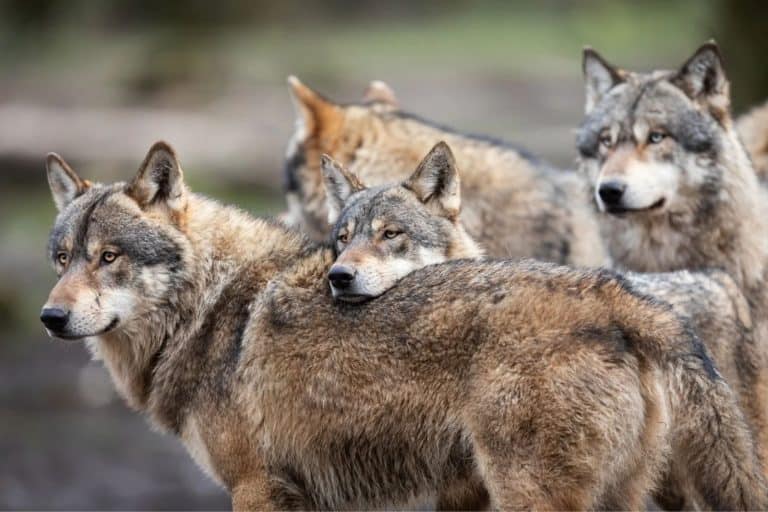
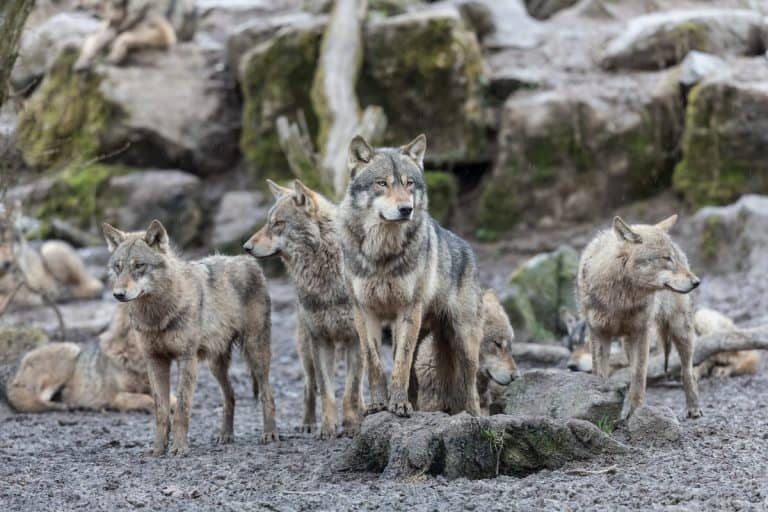
Wolves in the Chernobyl Exclusion Zone are exposed daily to radiation levels six times higher than the legal limit for humans.
©Maryna Kovalchuk/Shutterstock.com
So, why aren’t the Chernobyl wolves getting sick and dying from the extreme radiation levels?
Love says the team determined that some wolves in the CEZ have altered immune systems, similar to patients going through radiation treatments. The research also identified specific regions of the wolf genome that appear to be resilient to increased cancer risk.
The team believes that the chronic radiation exposure may also be speeding up natural selection. The wolves best able to withstand the effects of radiation exposure live longer and can pass that protection to future generations.
That’s not to say the wolves aren’t getting cancer at all. Across the CEZ wolf population, individual wolves are getting cancer at the same rate, according to Love. Wolves with enhanced immune systems are less affected, allowing them to pass their genes to future generations.
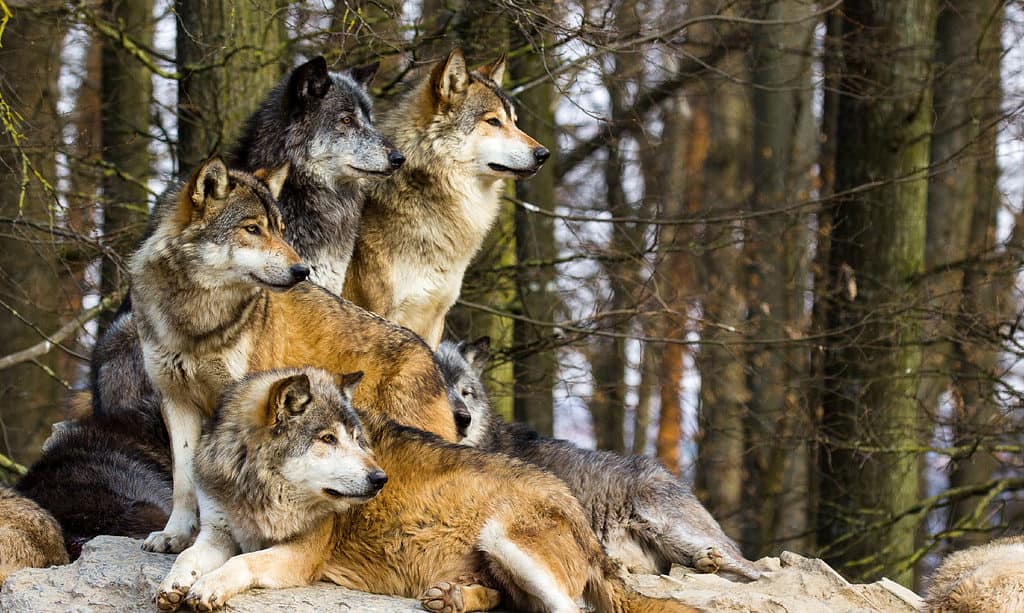
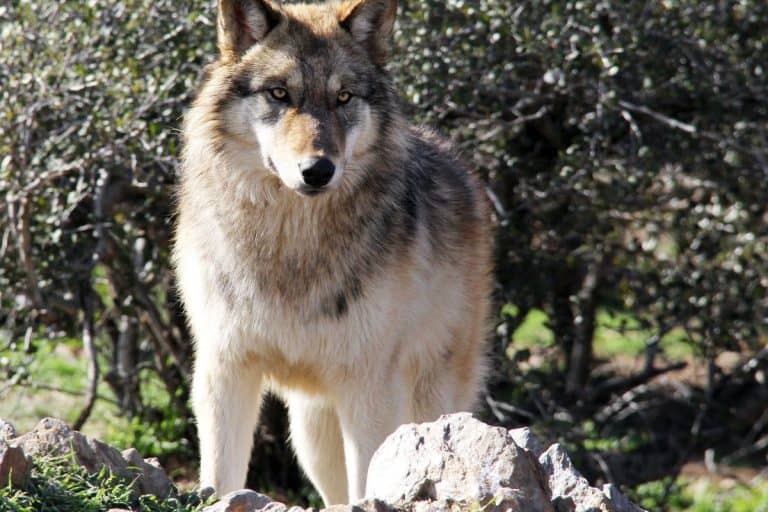
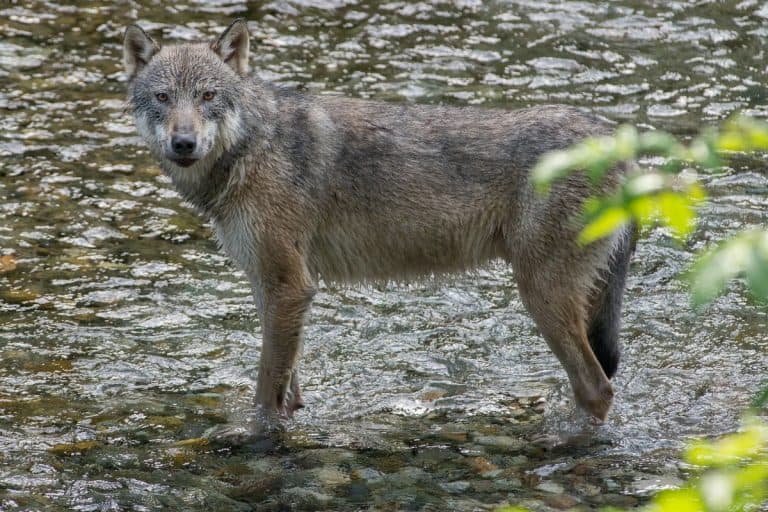
Some of the Chernobyl wolves had enhanced immune systems that seemed to protect them from the effects of cancer.
©iStock.com/Cloudtail_the_Snow_Leopard
The team also thinks the lack of humans in the area may play a part in the increased population numbers. With threats like habitat fragmentation, hunting, and vehicle collisions all but eliminated in the CEZ, the wolf population there is free to thrive and grow. This factor makes it difficult to directly link the wolves’ biological cancer responses to their increased populations or longevity. Love presented her findings at the 2024 Annual Meeting of the Society of Integrative and Comparative Biology.
Are Wolves the Only Species Responding This Way?
It turns out that gray wolves share similar genetic adaptations with at least one other species studied in the area.
A 2023 study found that Chernobyl dogs are also experiencing rapid evolutionary changes, too. The study involved the DNA of 302 feral dogs living near the power plant, along with DNA from dogs living farther away. The comparison showed significant genetic differences between the two groups, with the Chernobyl dogs better able to withstand the effects of radiation exposure.
Other species have also been observed making rapid adaptations to the CEZ’s unique environment. Przewalski’s horses were introduced as a conservation experiment several years after the explosion. Their populations are thriving, although scientists have not specifically studied them to determine genetic changes.
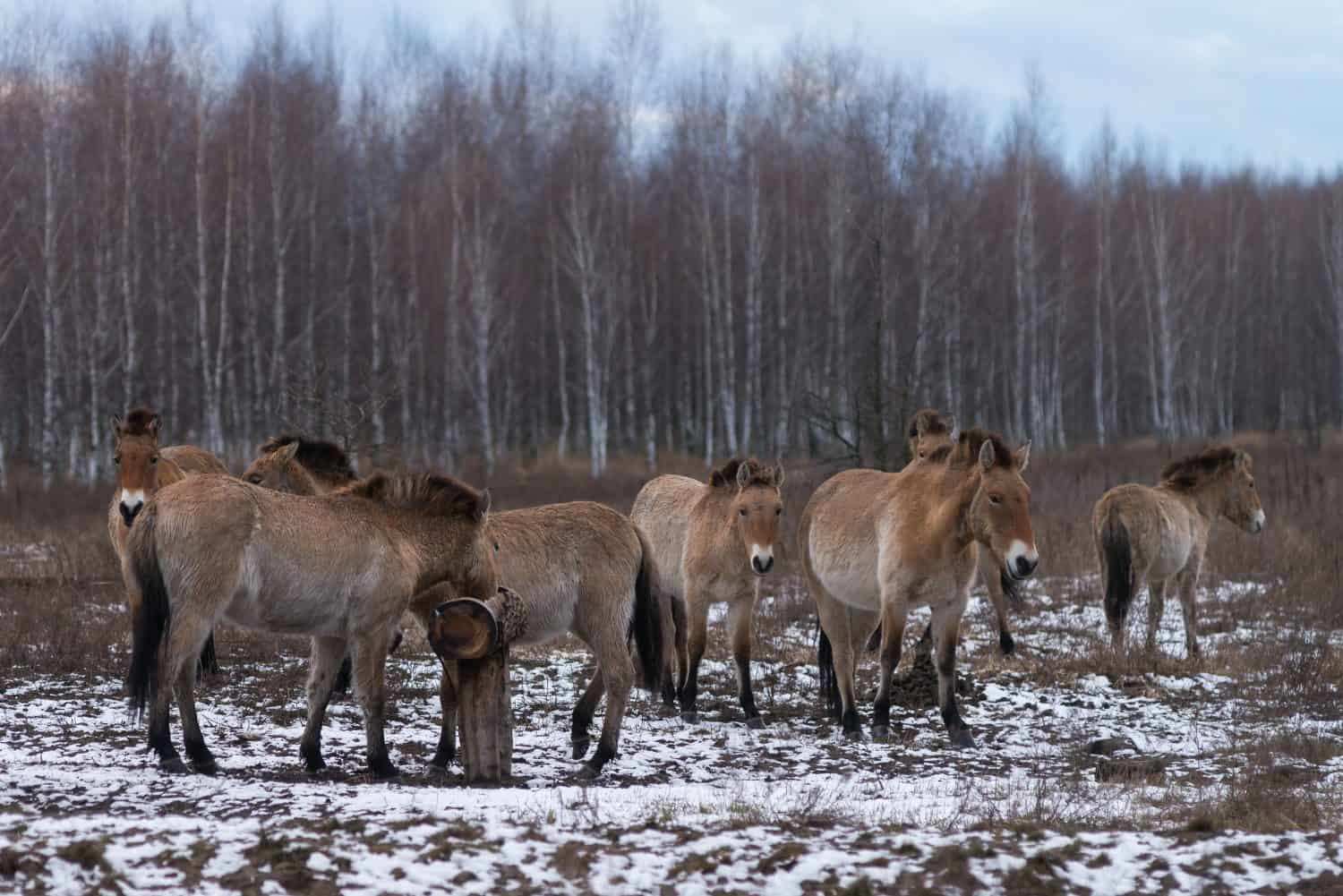
Wild horses are also thriving in the Chernobyl Exclusion Zone.
©Ihor Khomych/Shutterstock.com
Eastern tree frogs have also evolved in a more observable way. They have modified their natural coloration from bright green to nearly black. Scientists theorize that the darker skin color is better able to protect against radiation. The darker frogs are now referred to as Chernobyl black frogs.
However, gray wolves are the species that give Love and her peers involved in human cancer research the most hope.
What Are the Implications for Human Cancer Research?
Love and her team are now collaborating with cancer specialists to determine whether the study results on the wolves’ genetic adaptations can help guide future human therapeutic treatments. While the connection is still speculative, Love’s research is helping human cancer scientists understand how extreme environments may have an impact on disease resistance.