
Quick Take
- Spiridon II carried about 2,900 female cows, half pregnant, and was stranded for weeks after Turkey denied entry due to mismatched ear tags.
- Conditions aboard the Spiridon II were described as appalling, including overcrowding, limited light, and sewage transfer between lying and standing cows.
- About 60 cows were confirmed dead on the voyage, with higher tolls suspected, and animal groups call for ending live exports.
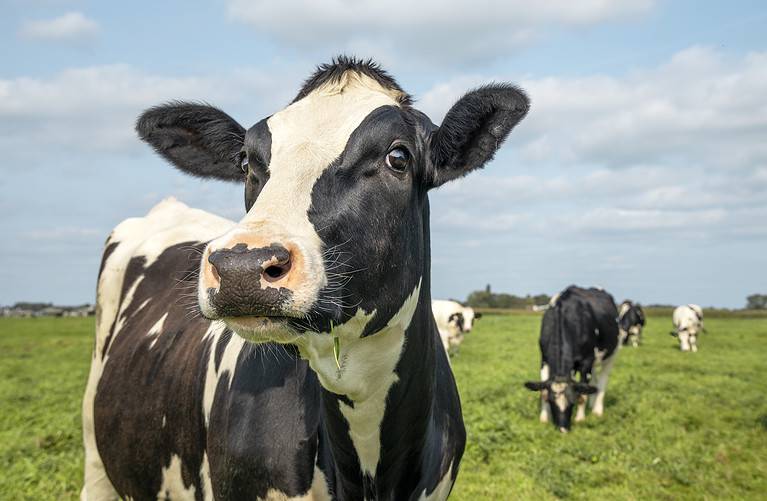
All too often, cows are treated as if they have no emotions or feel no pain. Because of this, many cows endure month-long voyages as part of the live export trade. The conditions are inhumane, with cows being unable to have much access to fresh water or food. When they lie down, they lie in their own excrement. However, this is what the export trade looks like, and it has not been forced to change, given that many cattle are shipped just to be killed for food.
The unfortunate plight of 2,901 female cows, some of which are pregnant, has made headlines recently. While these cows are also part of the live export trade, the conditions in which they have been forced to live have been deemed unacceptable by many. After more than 55 days adrift, the voyage became a tragedy for the 1,400 pregnant and non-pregnant cows on board. Animal rights groups are hoping this catastrophe becomes the catalyst for change for the welfare of livestock subjected to the live export trade.
Why the Cows Were Stuck on the Ship
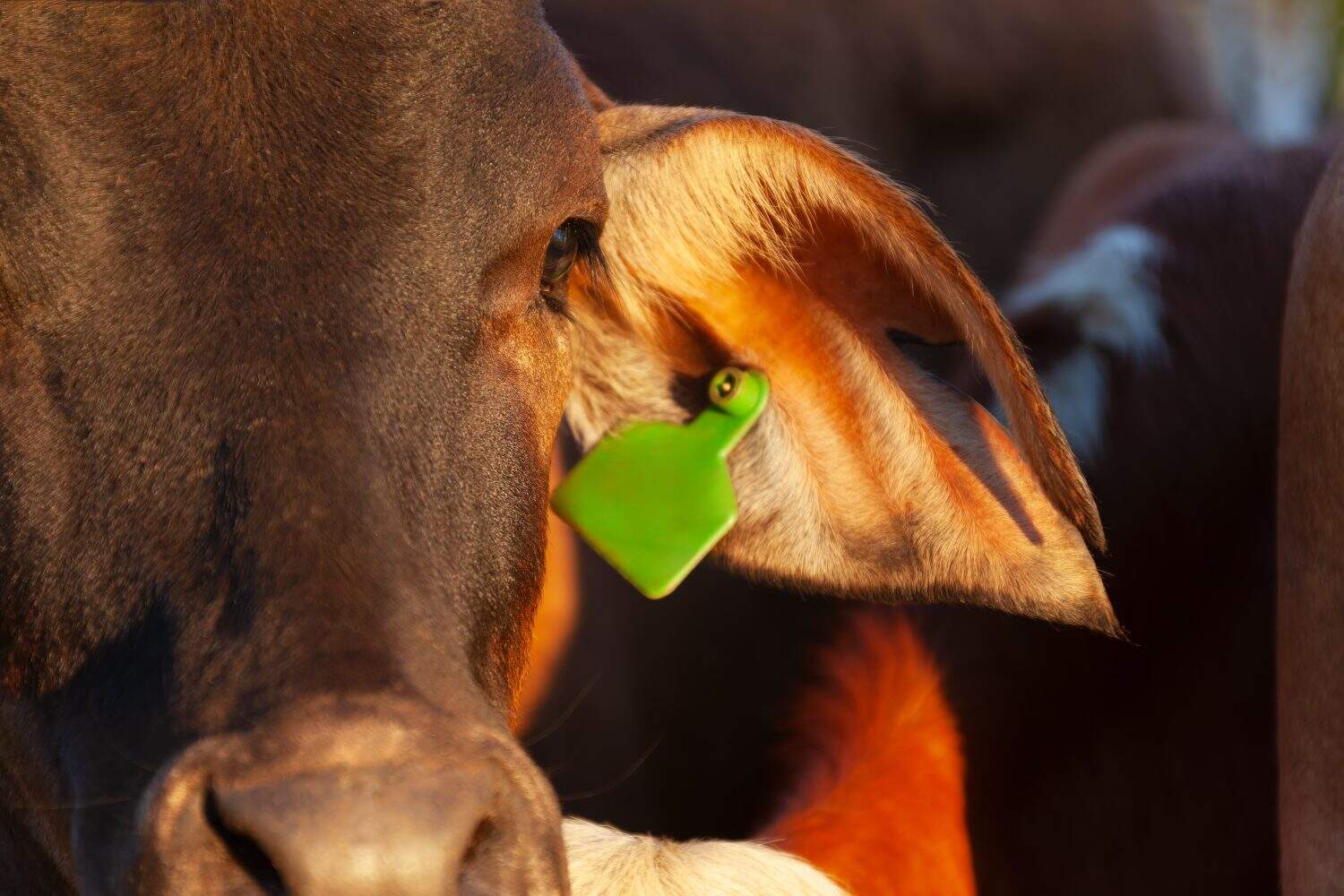
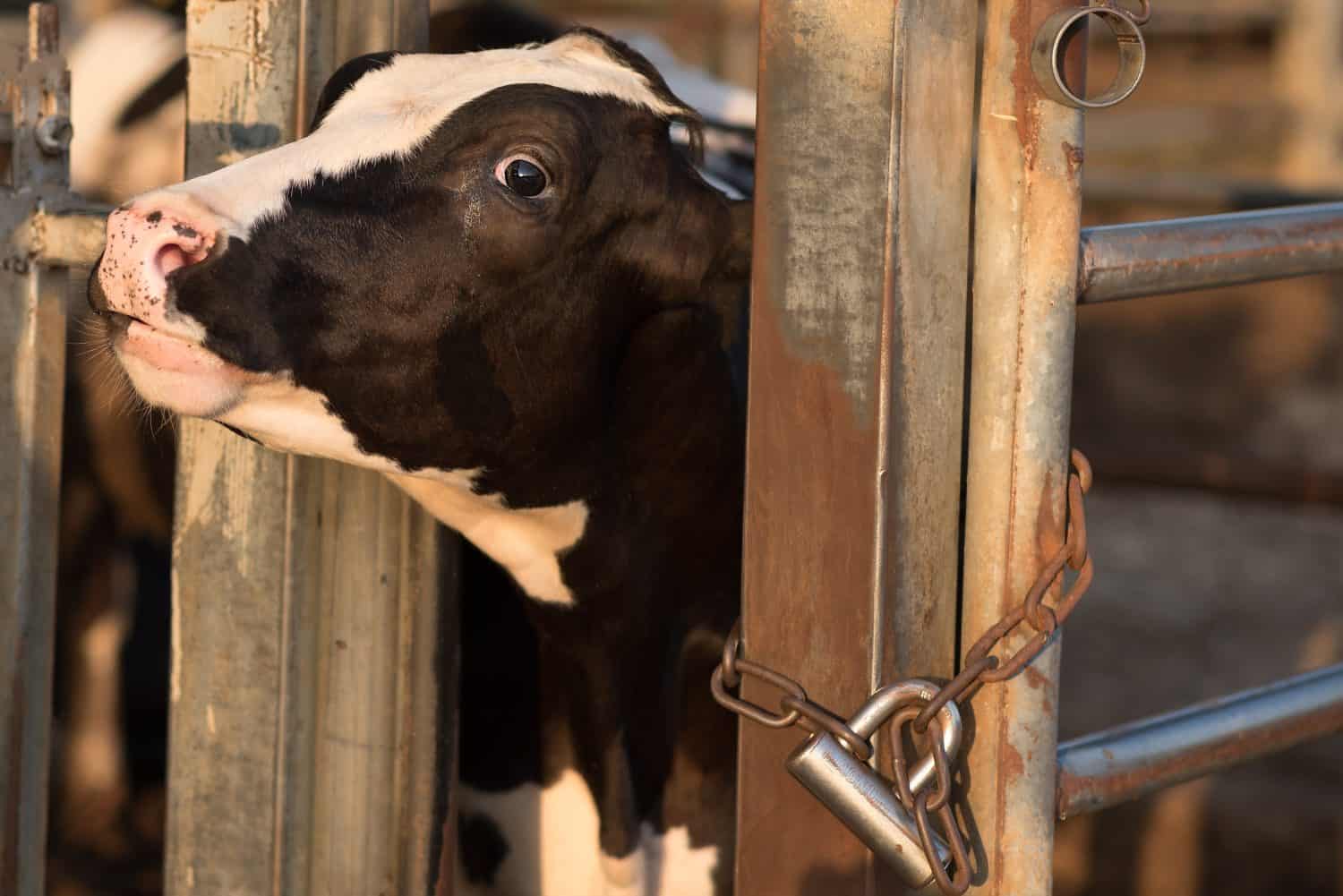
Cows were turned away because their ear tags did not match the identification records.
©Lucian Coman/Shutterstock.com
More than 2,900 cows, half of them pregnant, were crowded into a livestock carrier named the Spiridon II in Uruguay at the end of September 2025. The ship, en route to Turkey, was scheduled to offload the cows to both private buyers and the government upon its arrival at port. However, that all quickly went south when the cows aboard were inspected.
As part of the standard livestock offloading procedure, each cow is checked by veterinarians to ensure those listed as being on board are truly on board. In this case, 500 cows’ ear tags did not match the documentation given to the Turkish government. Consequently, the cows were denied entry into Turkey.
After entry to Turkey was denied, the cows were left to suffer. Weeks passed as the animals remained stuck on the ship. It was not until another country finally accepted the cows one week ago that the injured, diseased, and dying animals were able to leave the ship. However, the current fate of the cows has not been disclosed.
What Happened to the Cows Aboard the Spiridon II?
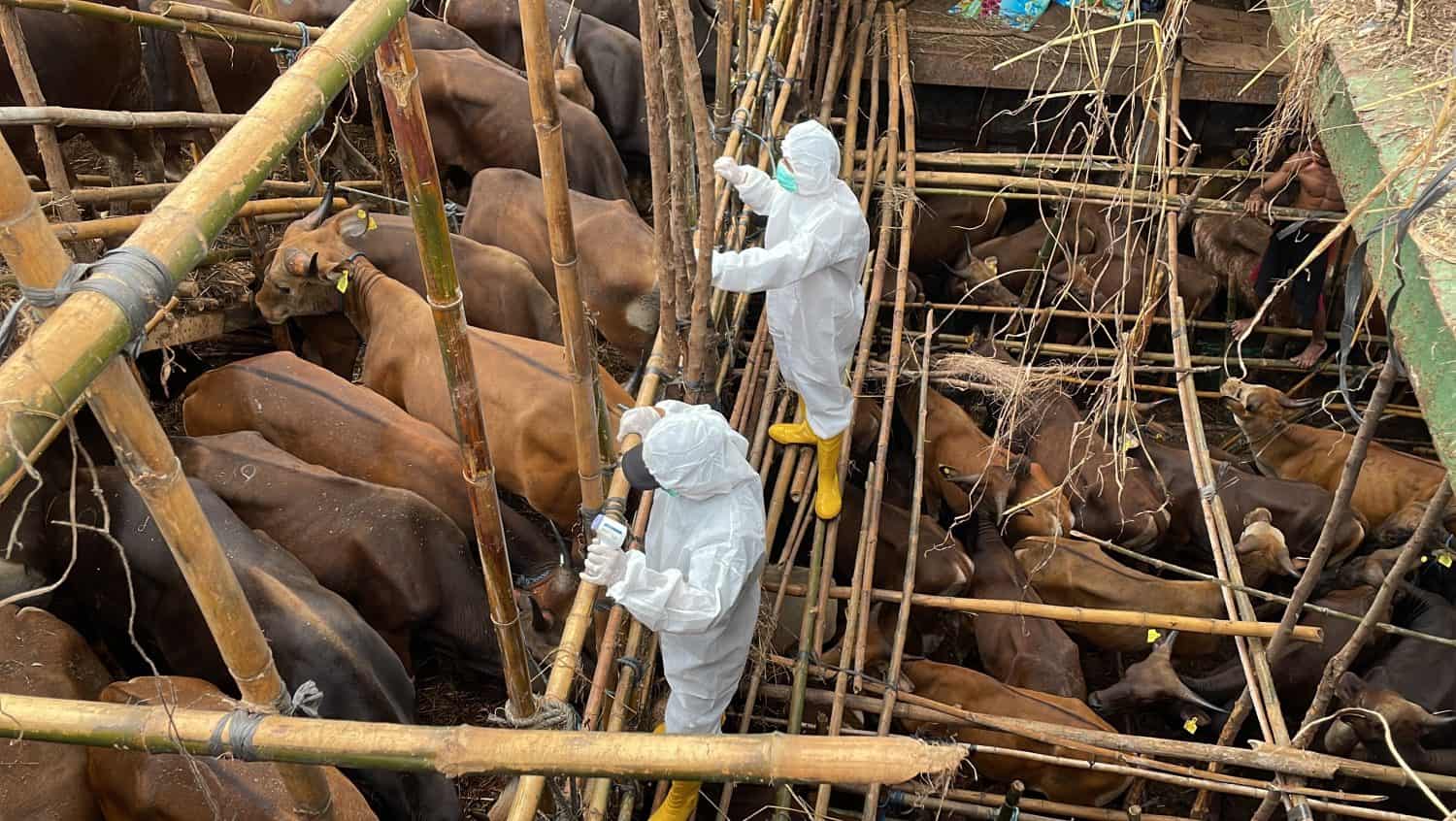
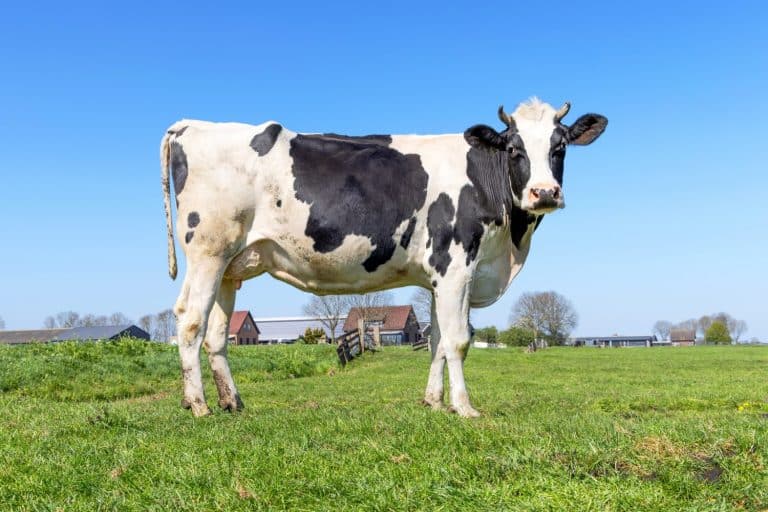
Cows, similar to these, were stuck on the Spiridon II for weeks after being turned away from port.
©exmichu/Shutterstock.com
For weeks, the news of thousands of female cows being stranded on the Spiridon II made headlines. During that time, nothing was done to remove the cows from the infection-breeding conditions they were forced to endure on the ship. Consequently, the outcome for many of the cows on board was dire.
The reports from Spiridon II about the cows’ health were shocking:
- Approximately 60 cows died
- 140 cows gave birth or miscarried
- A confirmed 50 calves were on the ship, with the fate of another 90 newborns unknown
The health of the cows that survived was not disclosed. Lynn Simpson, a former live export veterinarian who has worked on 57 voyages, described what conditions are like on these ships to The Animal Reader.
“Inside, these ships are like multi-story car parks. Some have up to 16 decks. Spiridon II has about seven. Many are below the waterline. The animals on the lower decks don’t see any natural light for the entire journey,” Simpson explains. “Ships like this are often loaded to maximum density. That means not all animals can lie down at once. One lies down while another stands over it, transferring the sewage from its feet to the back of the one lying down. It gets everywhere.”
According to Dr. Simpson, with every voyage, there are “basic, inherent risks” the cows have to deal with, calling the welfare on the ships “appalling.”
“If you lose power in rough weather…you can lose steering, and you won’t be able to control the ship, and you can capsize and be lost,” Dr. Simpson tells 1News. “But more mundanely, if you lose enough power for your ventilation, within about three hours most — if not all — of the animals will be dead.”
Dr. Simpson concludes, saying, “The welfare on these ships is quite appalling. And I think if farmers really cared for their animals, they would not be happy to sit and watch the conditions these animals endure on the voyage.”
Given those conditions, it is hard to believe that any cows make it to their destinations alive. However, according to the Uruguayan government, all the cows survived, despite reports to the contrary.
Competing Claims
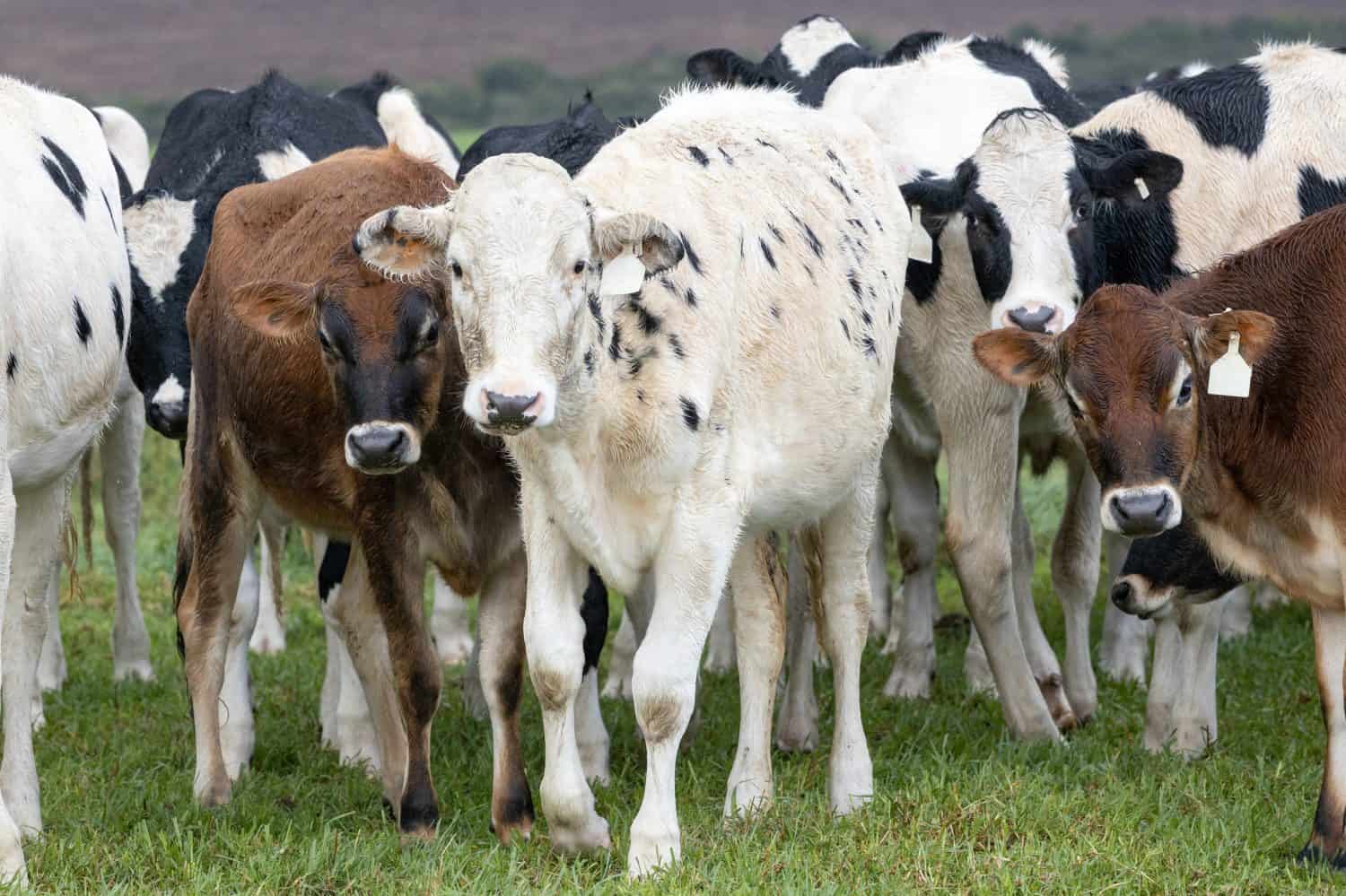
The Uruguayan agricultural ministry claims that all of the cows aboard the Spiridon II, similar to these, reached Libya safely.
©Clint Austin/Shutterstock.com
As of November 25, 2025, the cows were said to have been offloaded from the Spiridon II, according to the Uruguayan agricultural ministry. However, the health of the cows and calves was not disclosed. The agricultural ministry claimed that all the cows reached port in Libya. However, this does not match claims that rotting cows were seen on board the Spiridon II while it was briefly in port in Turkey. This has led animal rights groups to challenge the claim and press for an investigation into the matter.
To date, there has been no official investigation into why the cows were incorrectly tagged, why they were not allowed to be transported off the ship to a final destination in the care of animal rights groups, or why so many were packed aboard in such confined quarters. This is disappointing to animal rights groups, given that with each day that passes, evidence of the horrors the cows endured is disappearing.
What Happened to the Cows That Died on the Horrific Voyage?
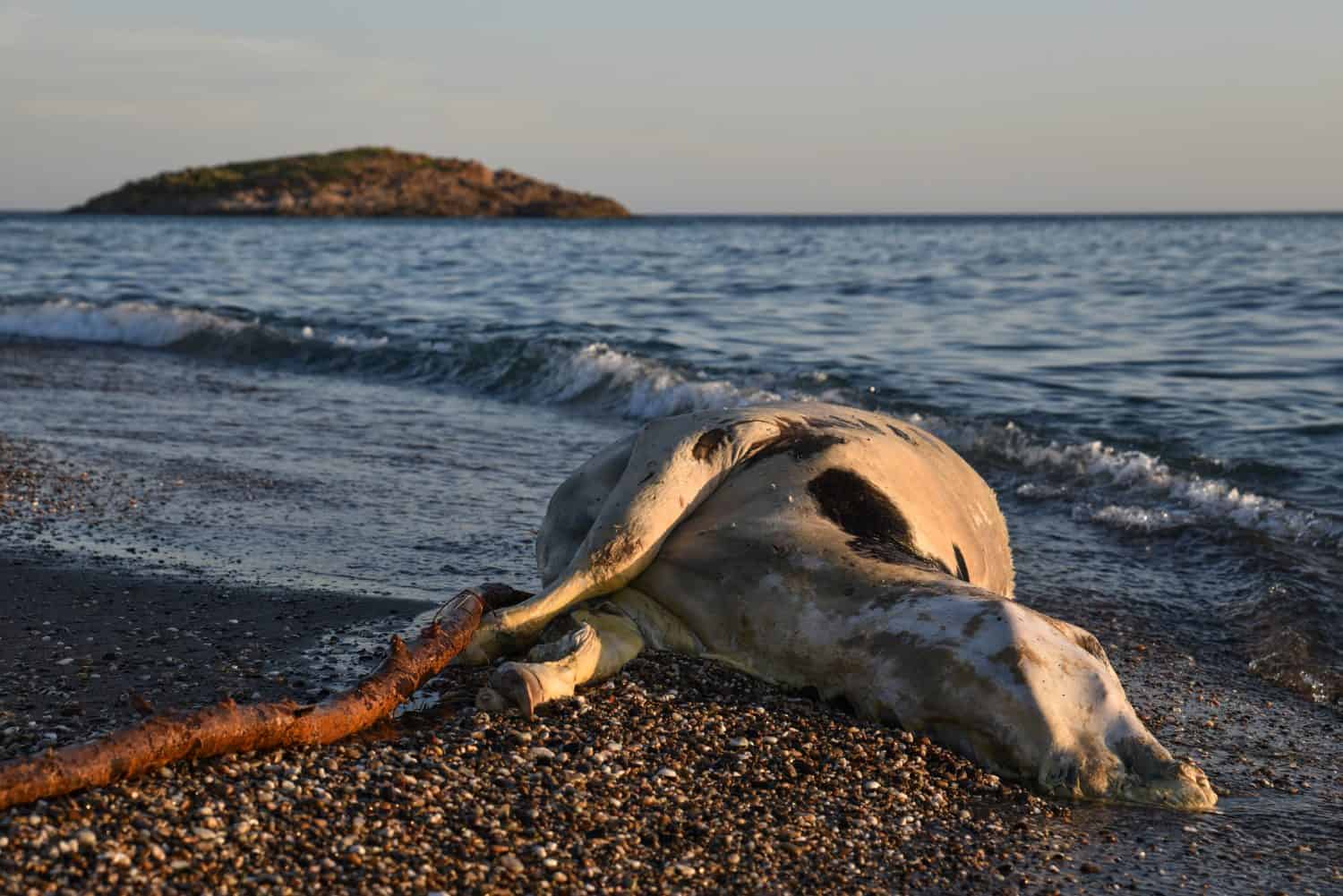
It is feared that dead cows were thrown overboard the Spiridon II.
©boulham/Shutterstock.com
The exact number of cows that perished during the nightmare of a voyage may never be known. The confirmed deceased were approximately 60 cows, based on the bags that contained the bodies brought to the deck of the Spiridon II. However, it is believed the number is much higher.
According to the Animal Welfare Foundation, the number of cows that needlessly died aboard the Spiridon II may be much higher than reported. On other live export voyages that went horrendously wrong, deceased and decaying animals were dumped overboard to conceal the true extent of the tragedy. It is believed that the dead cows and calves onboard the Spiridon II faced the same fate once the vessel began its journey to Benghazi.
No One Is Taking the Blame
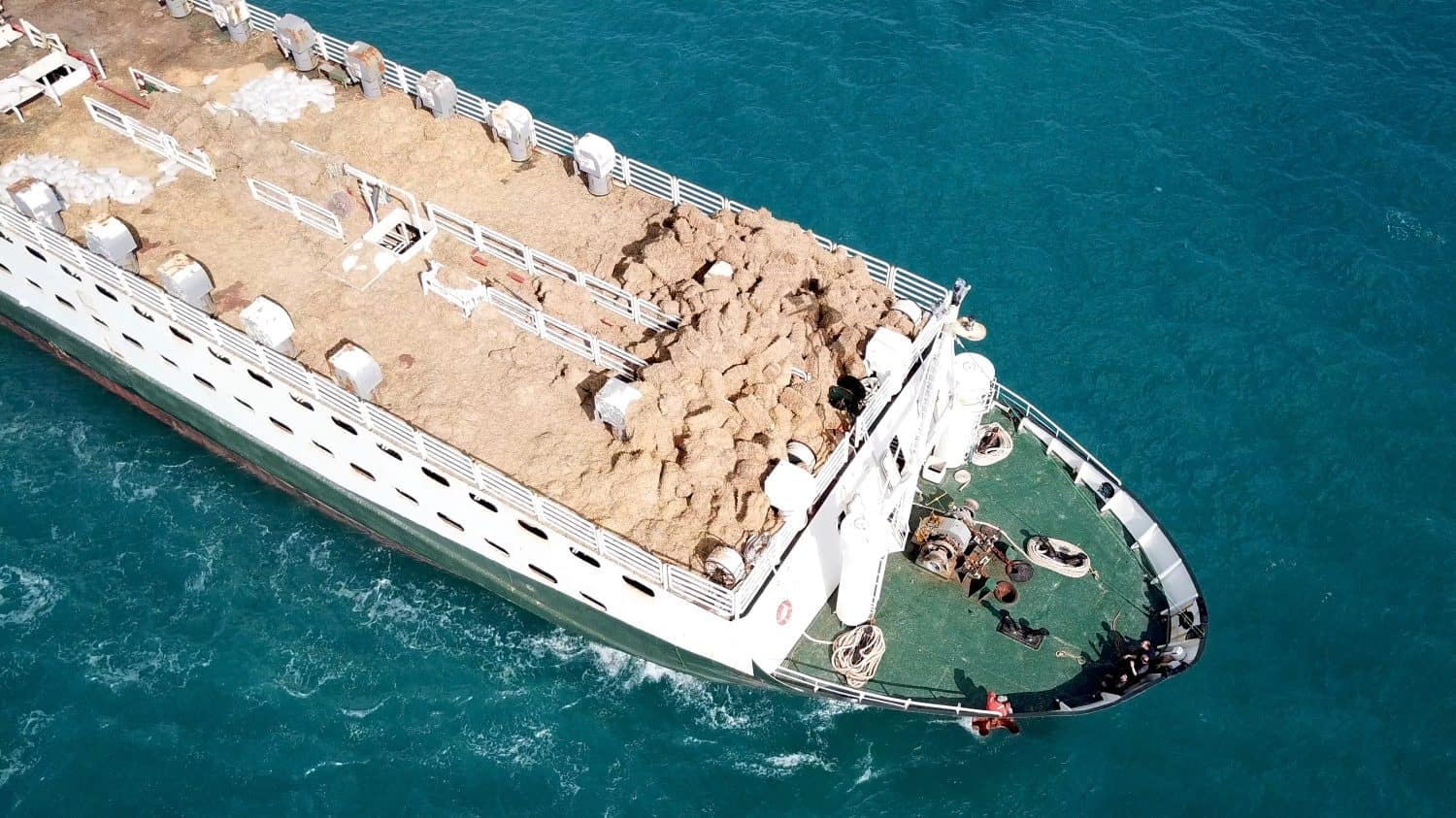
No parties involved are willing to take the blame for the deplorable conditions the cows endured on the Spiridon II, a ship similar to this, for weeks on end.
©StockStudio Aerials/Shutterstock.com
Not surprisingly, given the horrific conditions aboard the Spiridon II that have been exposed, no one is taking blame for the live export failure. Instead, all parties involved are blaming one another, rather than finding ways to ensure a tragedy of this proportion never happens again.
Ganosan Livestock, located in Uruguay, sold the cows. The pregnant cows were sold to individual buyers, while the non-pregnant cows were sold directly to the government. According to the director of Ganosan Livestock, Fernando Fernandez, his company is not to blame, as it fulfilled its end of the agreement by supplying the number of cows ordered. What happened at sea was beyond Ganosan’s control.
“We sold the cattle, we put them on the ship, the man paid, he chartered the ship, the ship left, and that’s where our business ended, and we have the proof,” Fernandez tells multiple Uruguayan media outlets.
The Turkish government is not taking the blame either. After the government’s veterinarian team discovered over 500 mismatches in ear tag identification, the cows were to be returned to Uruguay to rectify the issue. In the middle of the finger pointing are nearly 3,000 cows that have spent months at sea in deplorable conditions. For this reason, animal rights and conservation groups are calling for an end to the live export trade.
Animal Conservation Groups Are Calling for an End to Live Exports
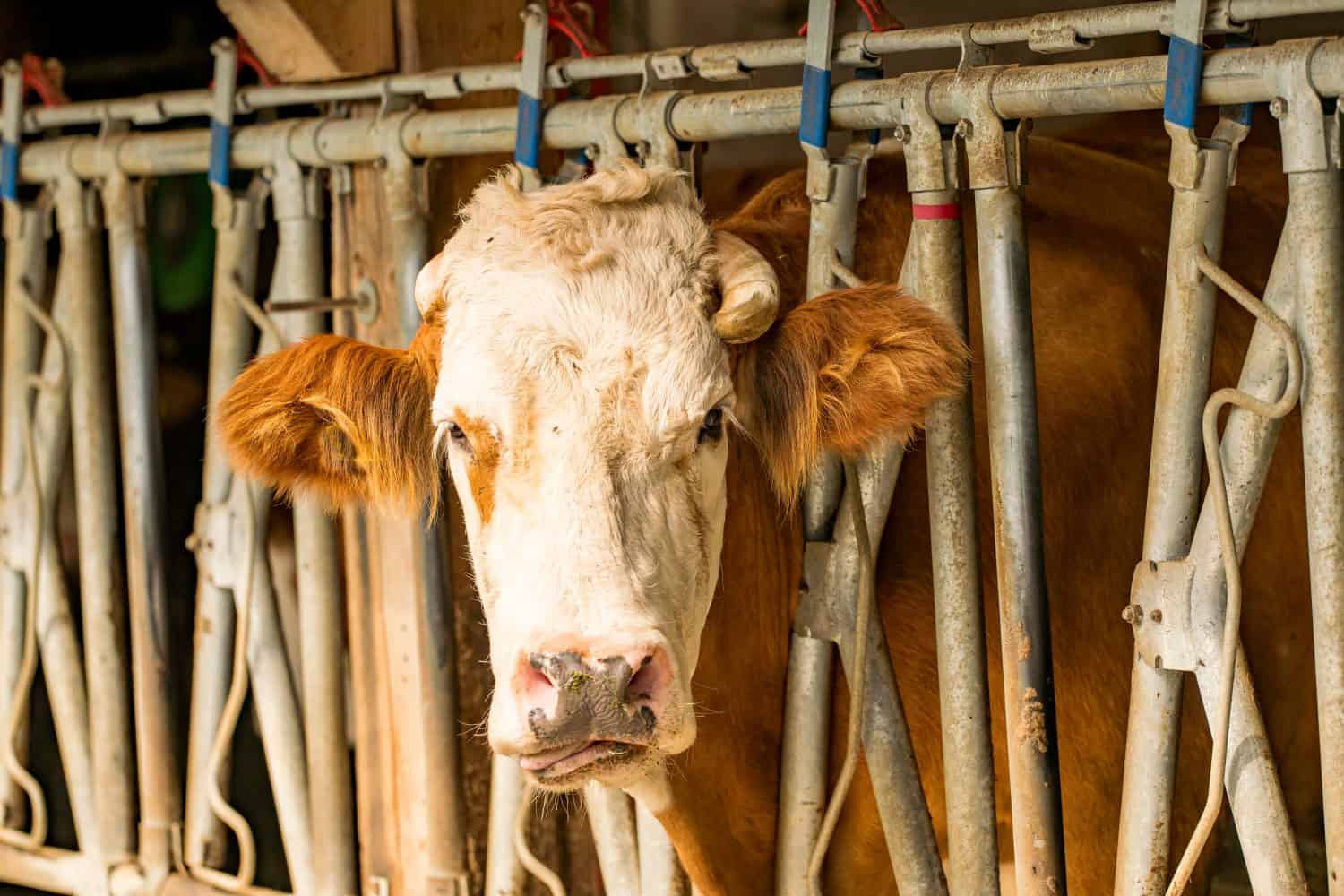
Animal rights groups are calling for the live export business to be stopped permanently.
©Mitch Shark/Shutterstock.com
Since the tragic voyage of the pregnant cows on the Spiridon II is not the first instance of a live export ship being trapped at sea for extended periods and causing great suffering, animal conservation groups are urgently demanding change.
According to World Animal Protection UK, the live export business will “prioritize volume over welfare” on each voyage. The goal is to transport as many animals at a time to maximize profit. What is not taken into account is the limited space given to the animals, which can “feel fear, stress, pain, and discomfort.” Some of the other issues that the animals, and in this case, the cows, experience during their voyage, per the organization, include:
- Massive overcrowding on the ship
- Poor ventilation coupled with inhumane high temperatures
- Illness and death
- Limited access to food, water, and clean bedding materials
While these conditions would be dire for any animal, half of these cows were pregnant. Consequently, their immune systems were already compromised, putting them at a higher risk of illness and death. This is why, according to World Animal Protection UK and other conservation groups, there needs to be a change in the live export business. At a minimum, a massive overhaul is required to ensure animals packed onto ships can survive the journey. However, if animal rights groups had their way, the trade would be ceased permanently, no longer forcing animals to suffer at sea all in the name of profit.