
Quick Take
- CDC will phase out monkey testing and wind down its Atlanta infectious disease program by the end of 2025.
- Organ chip technology uses living human cells to simulate organ function for drug testing.
- Rehoming more than 200 macaques faces sanctuary funding gaps and unclear long-term placements.
For decades, animals have been used in scientific and medical research. Naturally, some supported research on animals, while others wanted nothing more than to set the animals free. For those in the latter group, Christmas came early this year when the CDC announced it was ending testing on monkeys. Here is what we know so far.
Why Is the CDC Ending Testing on Monkeys?
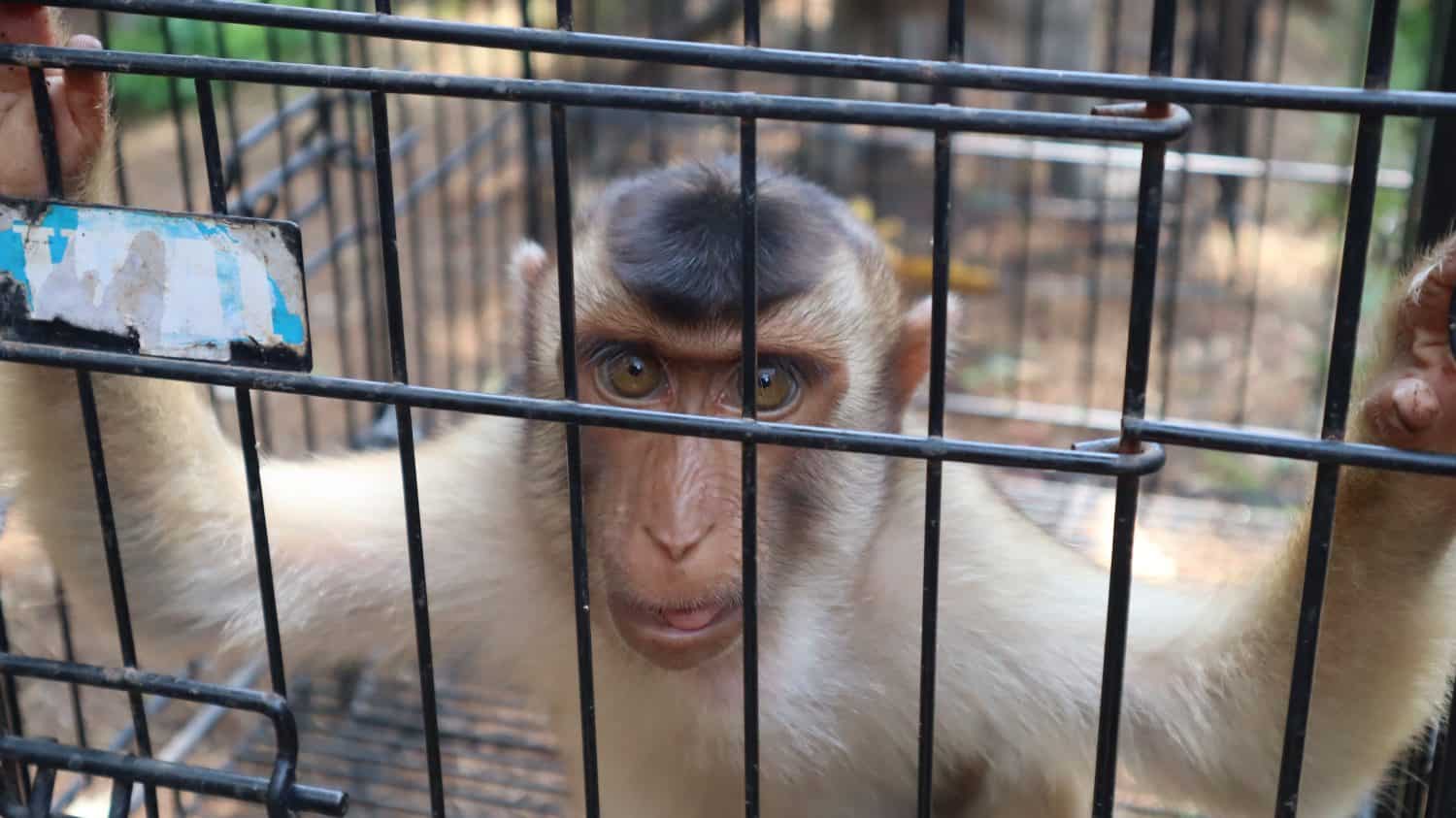
The CDC announced that testing on monkeys will end by the end of the year to reduce reliance on animal testing.
©Ridwan Zulfirman/Shutterstock.com
The Centers for Disease Control and Prevention (CDC) has taken the research world by surprise with their announcement that the monkey research at the CDC headquarters in Atlanta will be phased out. Although the Trump administration had made it clear that it wanted the United States to end its reliance on animal testing, no one knew when or if the call would be made to end testing. That call was made in mid-November, leaving scientists scrambling to determine how to move forward with infectious disease treatment.
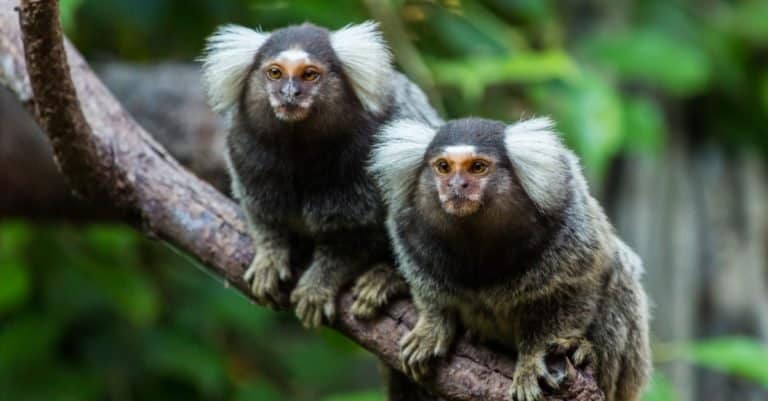
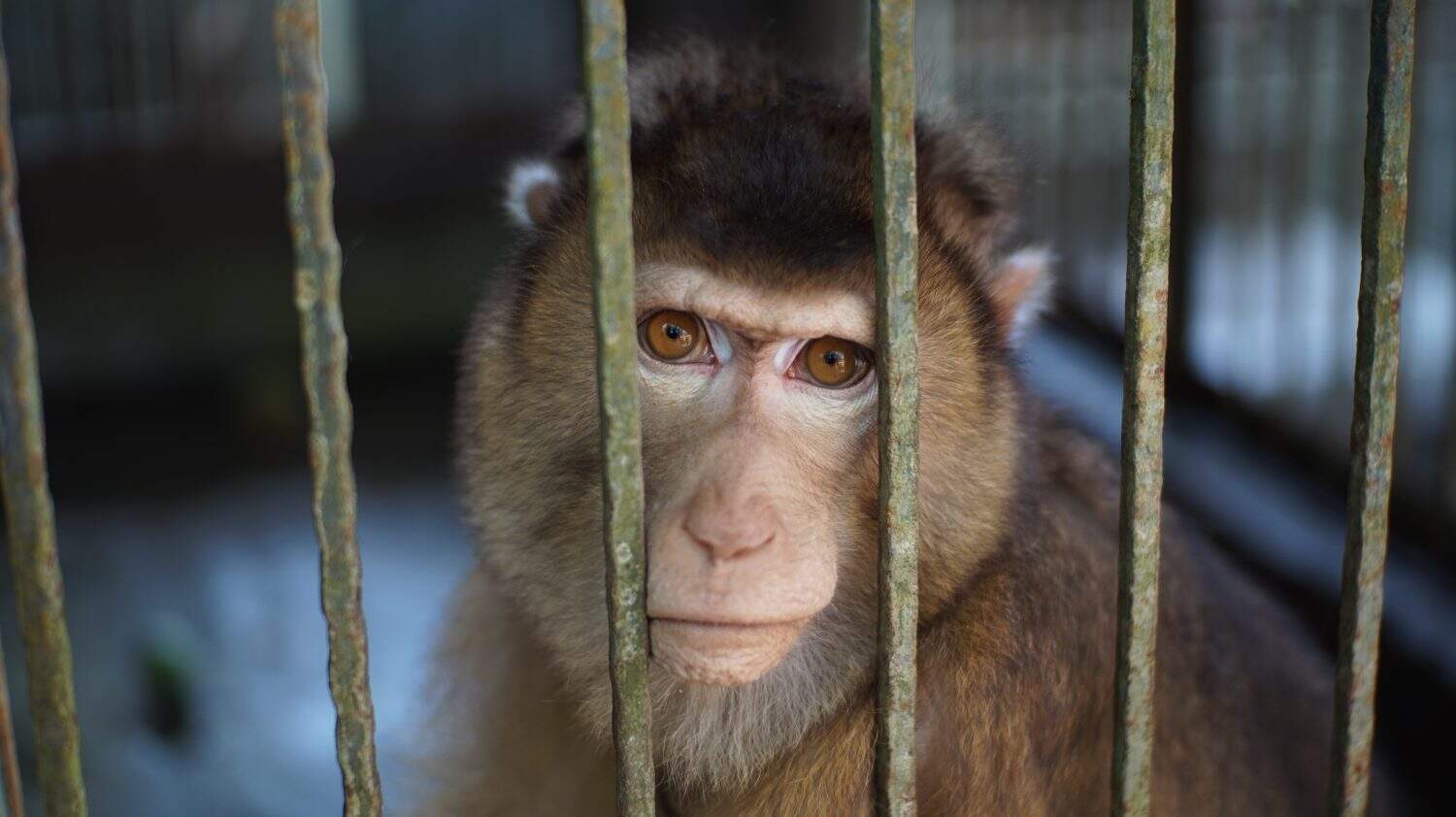
Following the CDC program’s end, more than 200 macaques will need to be rehomed. While talks have been held with sanctuaries, no permanent home has been secured to date. Consequently, it is still unknown where the macaques will go and who will care for them once funding ends.
Alternative Research Methods
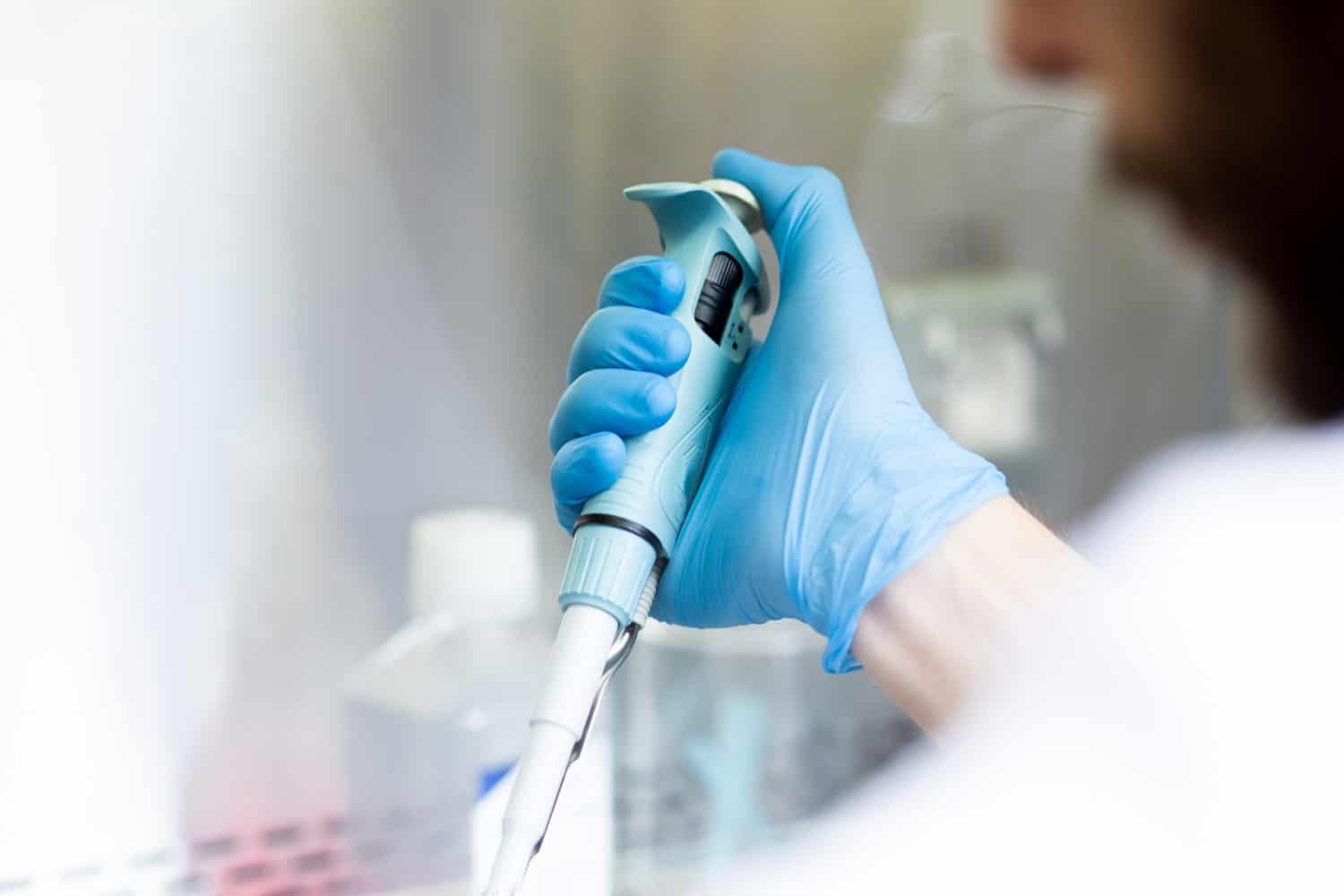
Organ chip technology is one route the government wants to take to continue the fight against infectious diseases.
©alicancomertpay/Shutterstock.com
With monkeys no longer the primary test subjects for the CDC, many are wondering how scientists will study the effects of newly developed drugs on infectious diseases. The answer, according to the government, is organ chip technology.
Organ chip technology is a type of chip lined with living human cells. These cells mimic the function of organs in the human body. Researchers can see how new drugs would affect body systems when trying to combat infectious diseases. According to the developers of organ chip technology, researchers can see immediate effects on how body systems would react, rather than trying to infer how an animal’s reaction to the drug would be similar or dissimilar to a human’s.
Because human cells can be obtained from individual patients, doctors can tailor drugs to each person’s unique biology. According to developers, this personalized approach could make treatments more effective and lead to better patient outcomes.
Animal Rights Groups’ Reactions
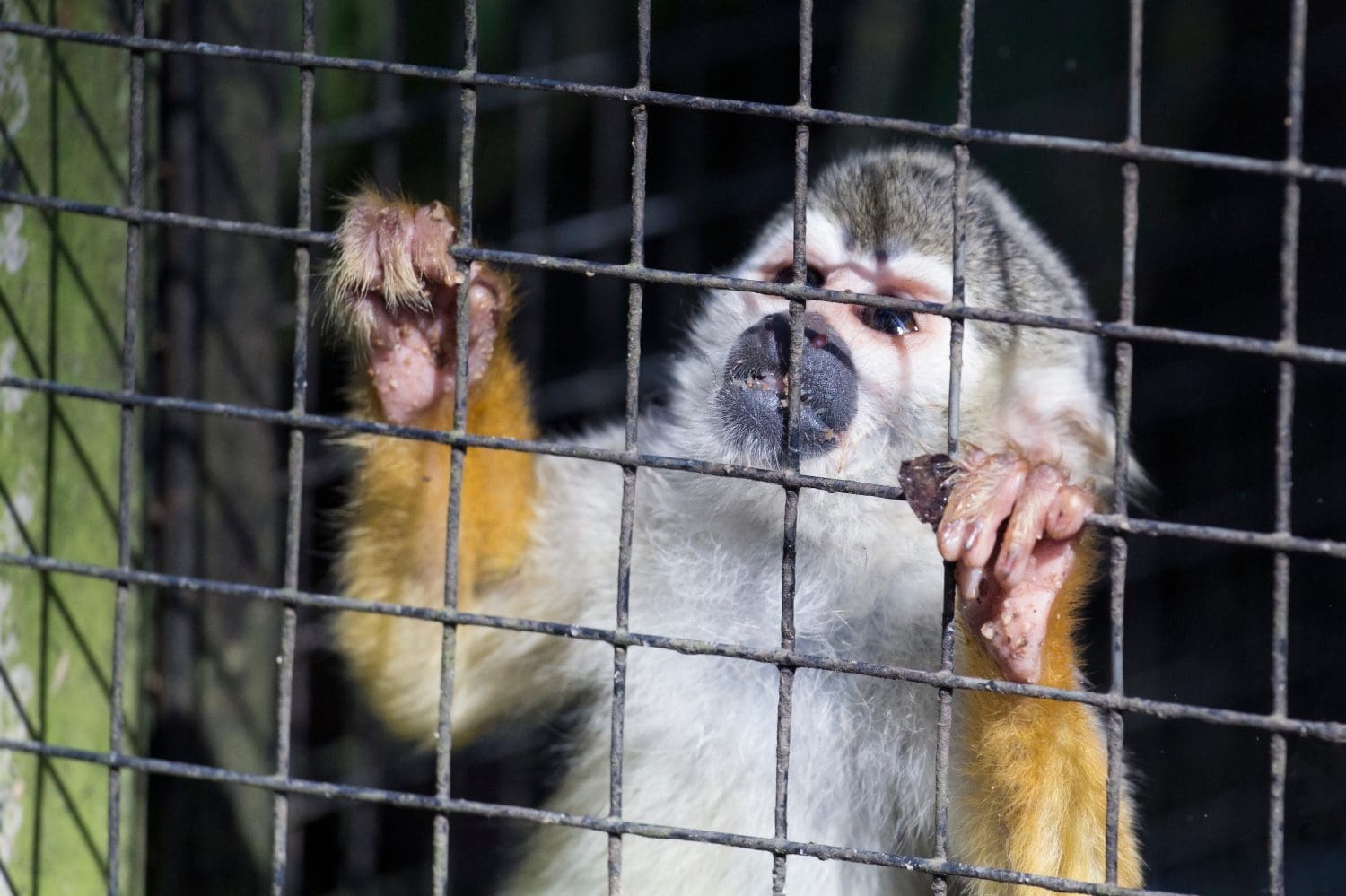
Animal rights groups are thrilled by the announcement of the end of testing on monkeys at the CDC.
©Sergio Re.Oli/Shutterstock.com
Animal rights groups have spent decades working to end research on monkeys and other animals in the name of science. They have always believed there was a different way to achieve medical breakthroughs without sacrificing animal life. Therefore, when the news was released that the CDC would be winding down testing on monkeys, there was celebration in the animal rights and welfare community.
Last year, Humane World for Animals and Humane World Action Fund submitted a regulatory petition to clarify and amend the Federal Food, Drug, and Cosmetic Act. The organization wanted to clarify that it is not a requirement to test drugs on animals. Therefore, when the news broke about freeing the monkeys housed by the CDC, the organization could not have been happier.
“Saving human lives doesn’t need to come at the expense of animals’ lives,” Tracie Letterman, vice president, Federal Affairs at Humane World Action Fund, says in a statement released on the organization’s website. “We welcome today’s announcement by the FDA and will continue our longstanding advocacy, including encouraging the FDA to grant our regulatory petition seeking clarification for the use of modern, humane alternatives across the board.”
Additionally, Kathleen Conlee, vice president, Animal Research Issues at Humane World for Animals, released a statement on the website, stating she was encouraged by the news.
“We urge FDA to take additional, meaningful steps so that more humane, science-driven methods become the norm rather than the exception, as FDA has stated it is seeking,” Conlee says in her statement.
These sentiments have been echoed throughout the animal rights and welfare community. However, many scientists believe that shutting down this research is reckless.
What Do Scientists Think About the Move?

Researchers are concerned that technology will not give the same results as how humans would react to drugs fighting infectious diseases as monkeys do.
©Max Acronym/Shutterstock.com
Researchers at the CDC and in the field of infectious disease in general were taken aback by the news that monkeys would no longer be used to help fight and prevent human diseases. Most argue that, despite advances in organ chip technology and other methods, nothing compares to using monkeys for this type of research. This is because primates are the most similar to humans, giving data as to how humans would react if given drugs to fight an infectious disease.
“In infectious disease, things really need to be tested in a system that’s very similar to humans,” JoAnne Flynn, chair of the department of microbiology and molecular genetics at the University of Pittsburgh, tells Scientific American.
Flynn calls the move to end testing on monkeys “very concerning,” emphasizing that primates are only used in research when no other animals or models can provide reliable data.
Deborah Fuller, director of the Washington National Primate Research Center, had a similar reaction to the news, stating that if the testing on primates ends, advancements in infectious diseases, such as HIV, will be severely impacted.
“It’s a huge loss for the HIV field,” Fuller explains to Science. “There are no real alternatives.”
When Will Testing on Monkeys End?
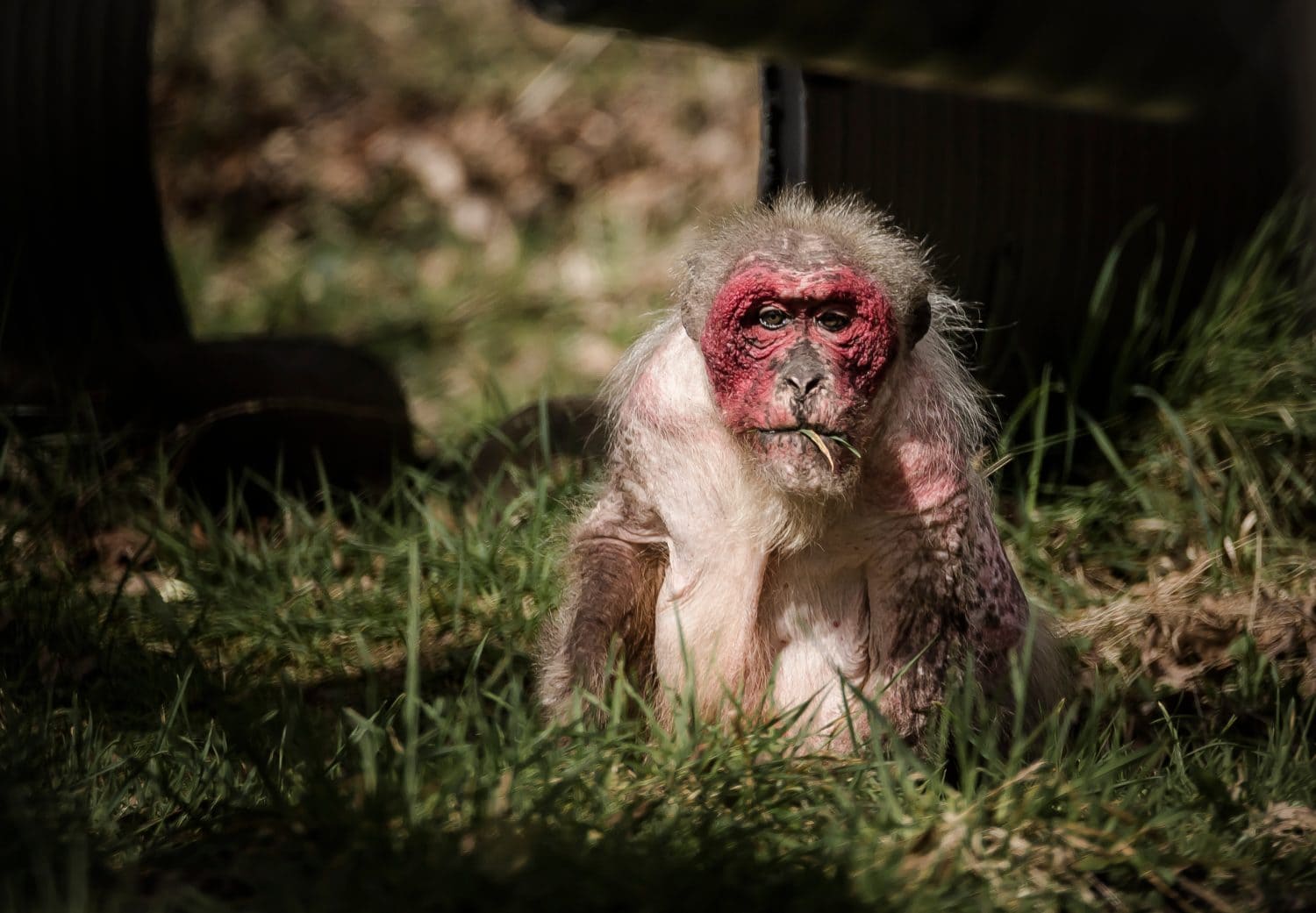
The CDC program is to be shut down by the end of the year.
©Tim Archer/Shutterstock.com
The news about ending testing on monkeys at the CDC came as a surprise to scientists. If the plan is put into action, as the government states it will be, testing will end sooner rather than later.
According to a government official, who asked not to be named by Science for fear of repercussions, Sam Beyda, who is currently the CDC’s deputy chief of staff, told the CDC to stop any new research and to begin to “wind down the program.” At the time of that announcement, which was mid-November, an end date was not named.
However, now the Health and Human Services Department is moving to have Atlanta’s CDC infectious disease program, which works on HIV and other diseases, shut down by the end of 2025. Many are wondering what will happen to the monkeys once funding for the program ends. While some monkeys appear they will be saved, for others, their future looks bleak.
The Future of Test Monkeys
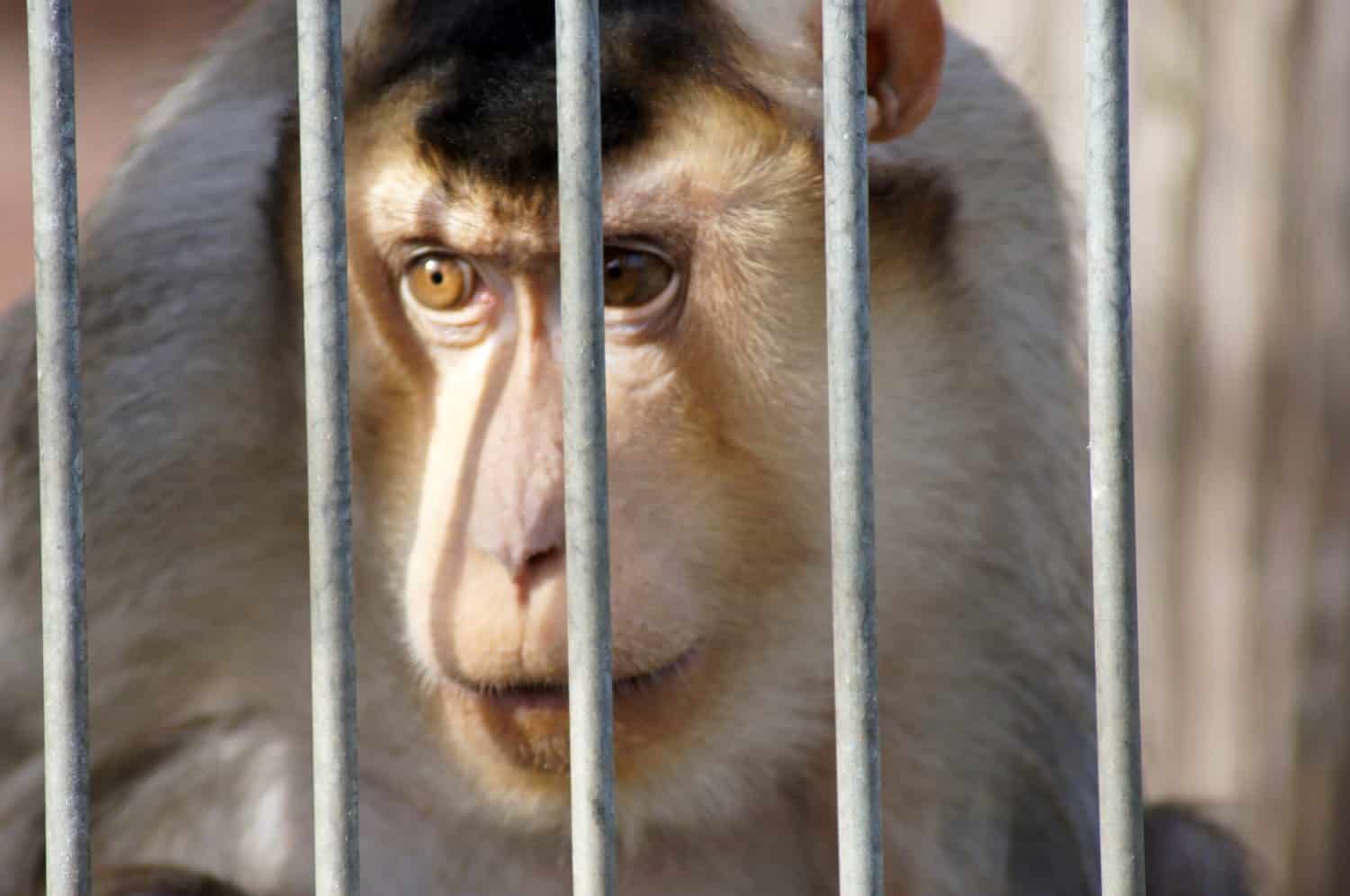
Monkeys will either be rehomed in a sanctuary or euthanized.
©Zeralein99/Shutterstock.com
While animal rights activists and organizations are celebrating the news that monkeys being tested on are being phased out at the CDC, the future of the monkeys remains unclear. This is especially true for monkeys involved in HIV research, as they cannot be housed with other monkeys.
According to Sally Thompson-Iritani, assistant vice provost for the University of Washington’s animal care program, monkeys infected with SHIV—a hybrid of simian and human immunodeficiency viruses—cannot be moved for safety reasons. Instead, Thompson-Iritani tells Science, the monkeys would have to be euthanized. This would end years of HIV research midstream, something Thompson-Iritani calls “incredibly irresponsible.”
Even for monkeys that could be transported, their future remains uncertain. This is because not only is there a need for space at sanctuaries for the hundreds of monkeys used in CDC experiments, but there also needs to be funding. The cost to transport and house the monkeys would be millions upon millions of dollars, something sanctuaries cannot cover on their own.
There has also been public outcry about the safety of the monkeys when released into sanctuaries. Concerns have been raised about the experiments performed on them and any infectious diseases they may carry. For years, animal rights groups have called for an end to testing on monkeys. While it appears they have gotten their wish, just how quickly this plan will be implemented remains to be seen.
With so many moving parts, the goal of shutting down the research by the end of 2025 looks pretty ambitious. If there is no funding to care for the monkeys, will they suffer further? This and other questions need to be answered before any real celebration can be had regarding the government no longer testing on monkeys. After all, if the goal is to give them a better life, that life should be secured and ready for them.