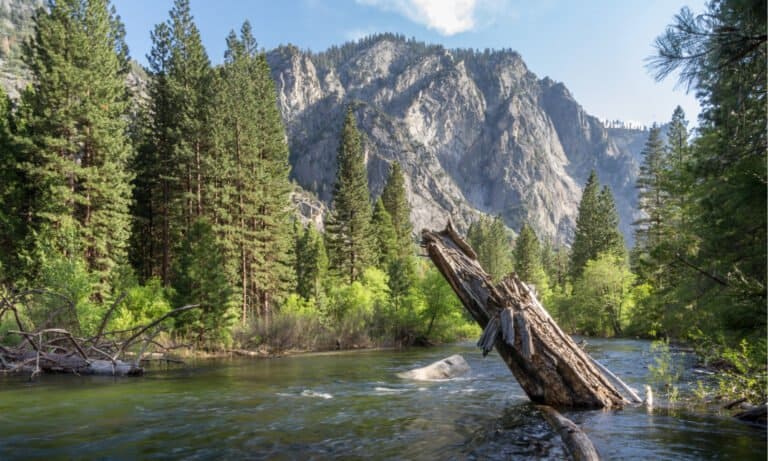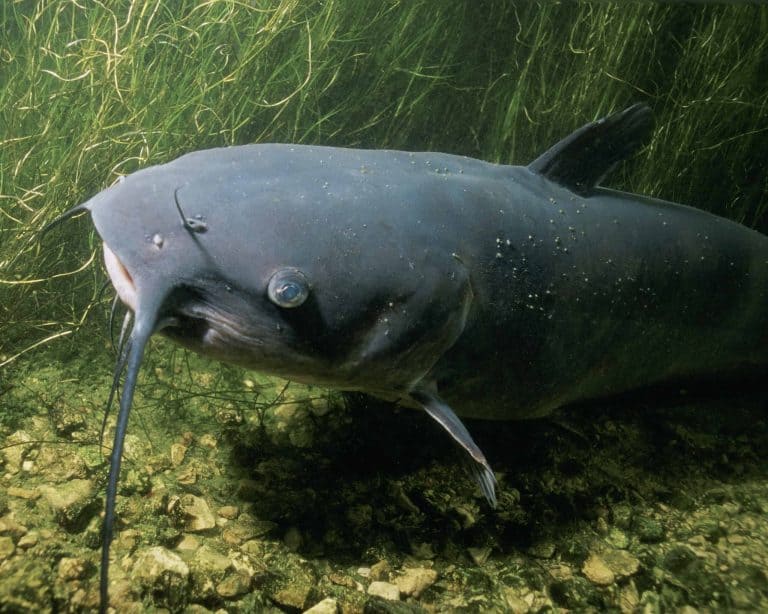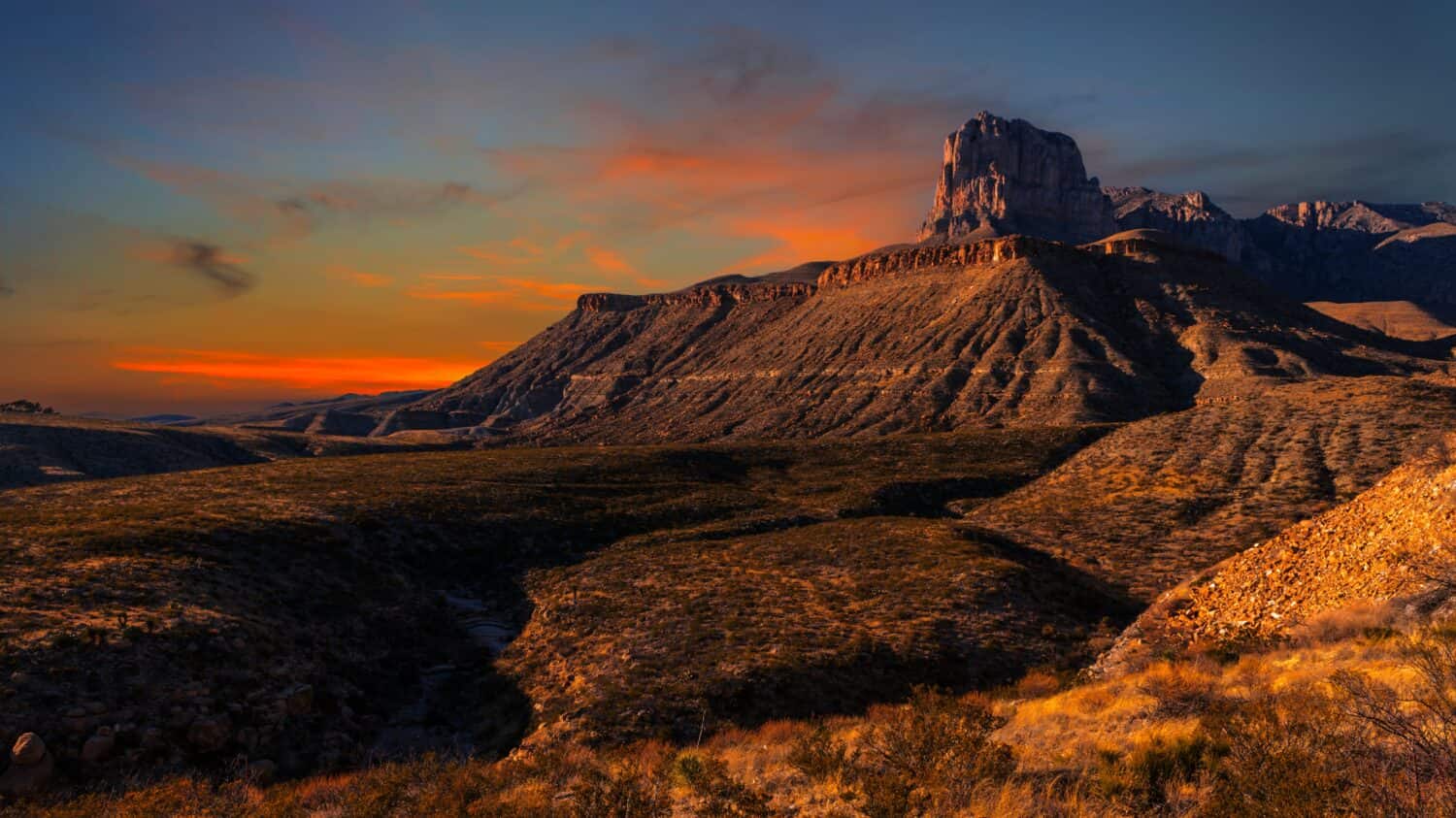

Nestled on the edge of the Chihuahuan Desert in West Texas, Guadalupe Mountains National Park is a land of contrasts. You’ll find a landscape featuring Texas’s highest peaks, deep canyons, and vast desert flats. The park spans over 86,000 acres, preserving fossil reefs and a stunning variety of life. Though less visited than many parks, with around 225,000 visitors annually, the park’s spectacular scenery holds an extraordinary diversity of habitats, from gypsum dunes to pine forests. This unique setting supports a wealth of wildlife—some easy to spot along trails, others secretive residents revealed through footprints and fleeting glimpses. Here is a look at some of the park’s most remarkable animal inhabitants.
Mountain Lion (Puma concolor)
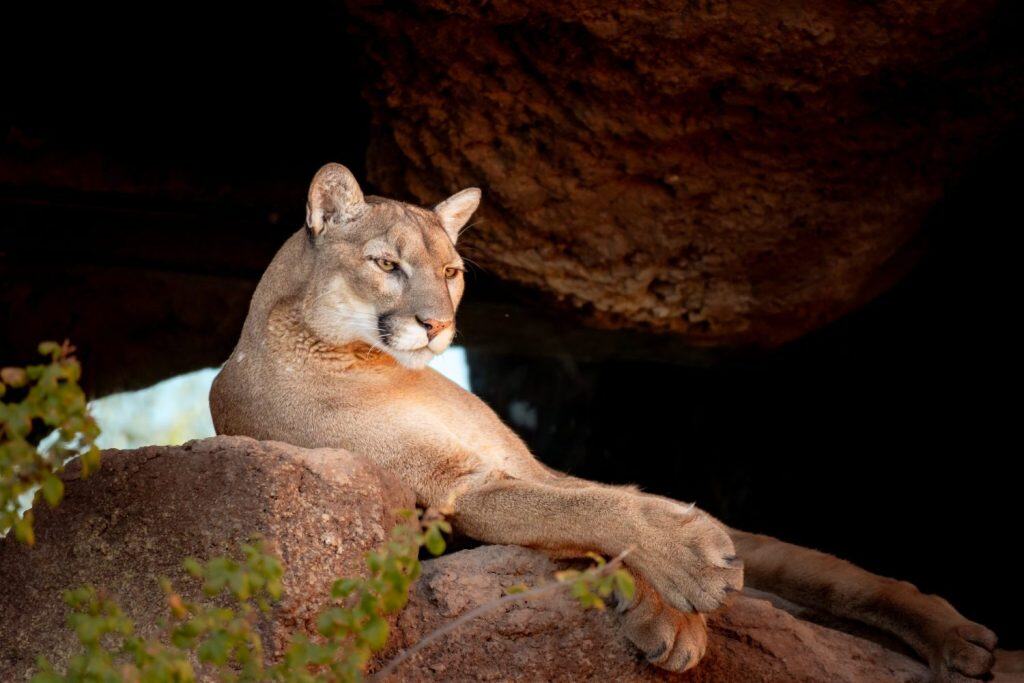
Mountain Lion (Puma concolor)
©elrod/Shutterstock.com
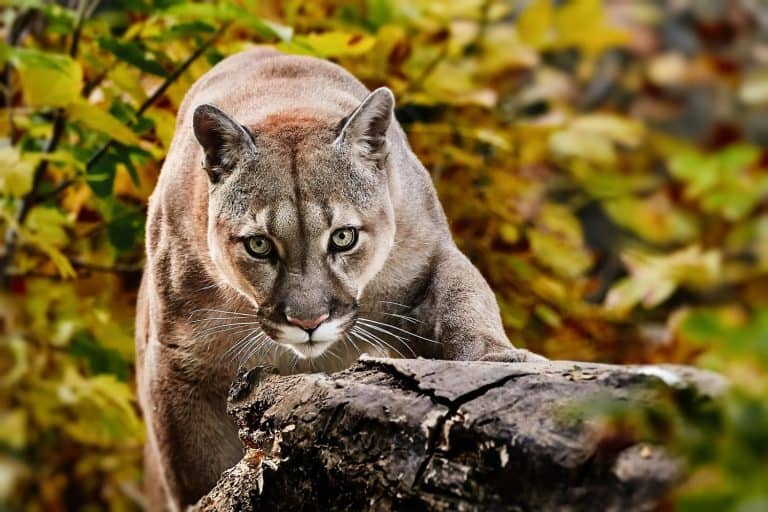
The mountain lion, also known as the cougar or puma, reigns as the park’s elusive top predator. These solitary cats haunt remote canyons and slopes, their territories spanning tens of miles as they hunt for mule deer, javelinas, rabbits, and even porcupines. Primarily nocturnal and crepuscular, mountain lions usually travel at dawn and dusk, only rarely venturing into the open during full daylight hours. Signs of their presence—faint tracks, a lone scrape in the dust, or the wide-eyed gaze of deer at twilight—remind visitors that these graceful, powerful cats still thrive in one of the last great wilderness areas of Texas. Most hikers will not see a mountain lion, but a few catch fleeting glimpses in the higher country or near water sources, especially in early morning or after sunset, lending a thrill of the unknown to every backcountry trek.
Javelina (Pecari tajacu)
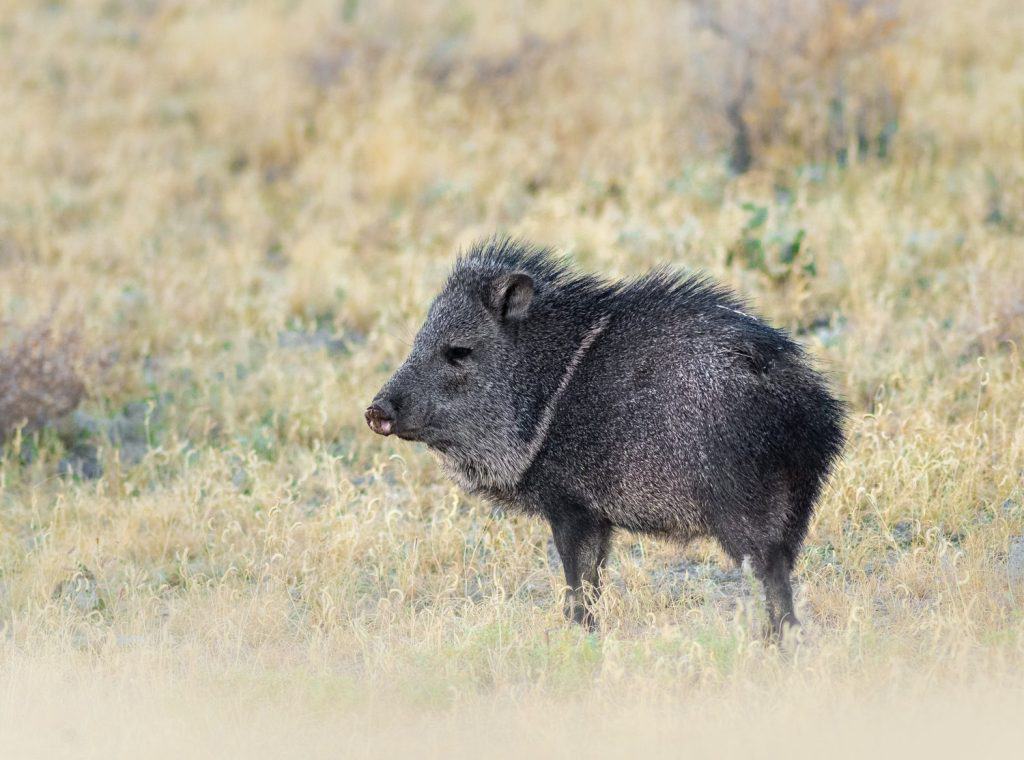
Javelina (Pecari tajacu)
©Rajh.Photography/Shutterstock.com
Small yet hardy, the javelina or collared peccary is an icon of the American Southwest and one of the most social mammals in the park. With rough, bristly coats, short legs, and rounded snouts, javelinas live in groups called squads or bands that can range from a handful to over a dozen. They feed on tough desert plants—prickly pear pads, agave, and mesquite beans—and get nearly all their water from this arid fare. Travel quietly through canyon bottoms or along shaded desert washes at dawn or dusk, and you may hear the soft rustling or catch the sharp scent of these fascinating creatures. Watch them root for tubers or shelter in the cover of rocks during the heat of midday. Skilled at surviving drought and wind, javelina are year-round residents—sometimes elusive, sometimes almost comically indifferent to human presence.
Golden Eagle (Aquila chrysaetos)
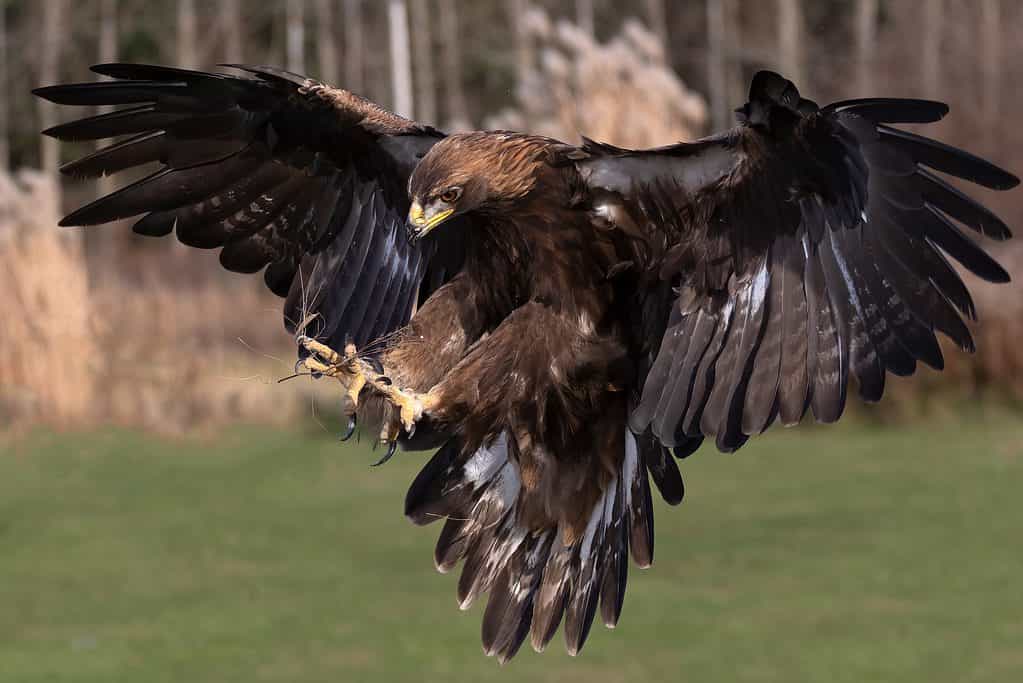
Golden Eagle (Aquila chrysaetos)
©Touched by light images/Shutterstock.com
With wingspans stretching over six feet, golden eagles are both majestic and formidable hunters, soaring over the open desert and high ridges of the Guadalupe Mountains. These large birds are year-round residents and often use the strong thermals above cliff faces to search for prey—rabbits, ground squirrels, snakes, and sometimes young deer. Their massive nests, or eyries, are built on remote ledges or in tall trees, used year after year, and can be several feet across. On clear mornings, scan the ridges and sky for a dark shape gliding gracefully or pivoting in the wind. Winter and early spring offer the best birdwatching, but golden eagles can appear at any time, symbols of wild grandeur and open space in the park’s rugged skyline.
Western Diamondback Rattlesnake (Crotalus atrox)
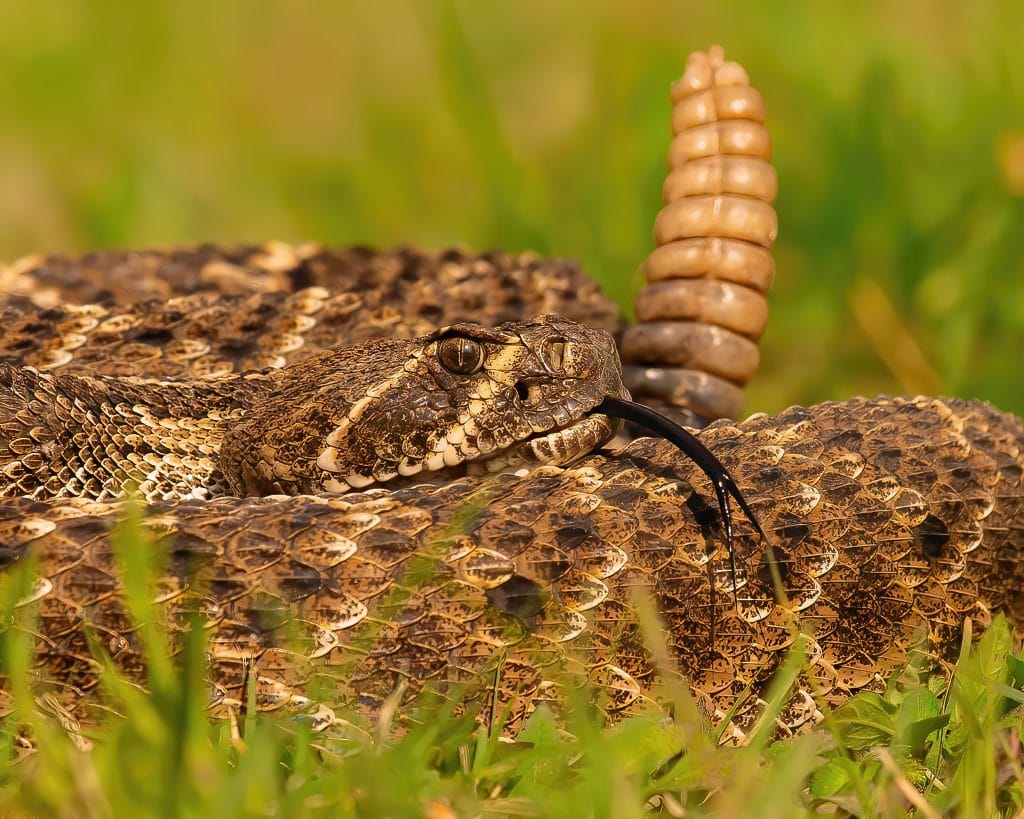
Western Diamondback Rattlesnake Coiled to Strike
©Thomas Torget/Shutterstock.com
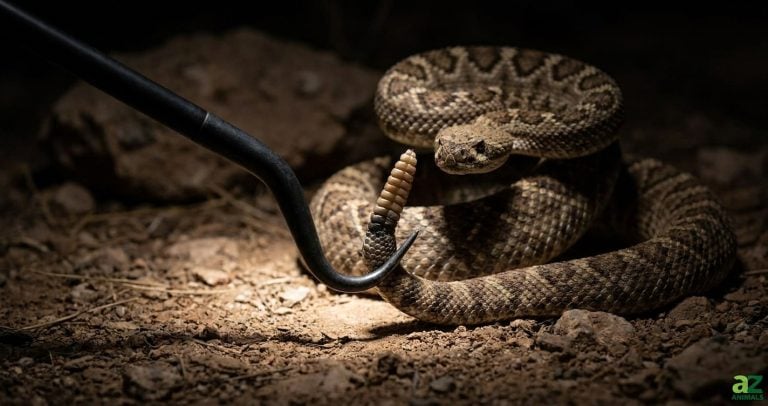
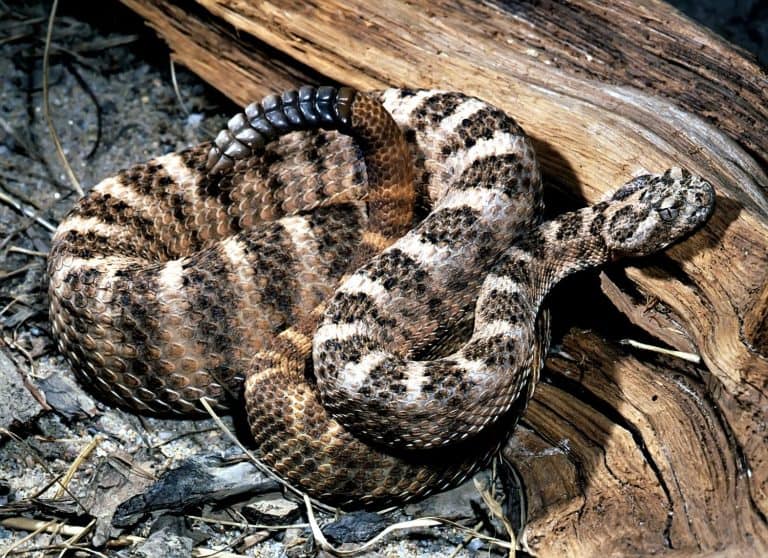
Few animals evoke the wild West as dramatically as the Western diamondback rattlesnake. These powerful, thick-bodied snakes are superbly adapted to the park’s rocky canyons and scrublands. Covered in a distinctive pattern of light and dark diamonds, they blend into the earth until, surprised or threatened, they sound a dry warning rattle. Most active from late March through October, diamondbacks hunt at night for jackrabbits, rodents, and small birds, swallowing prey whole. Daytime encounters are rare, but hikers should stay alert near basking rocks or sandy trails, especially in late spring or after a rain. Like most snakes, diamondbacks prefer retreat and will avoid humans if given space.
Elk (Cervus canadensis)
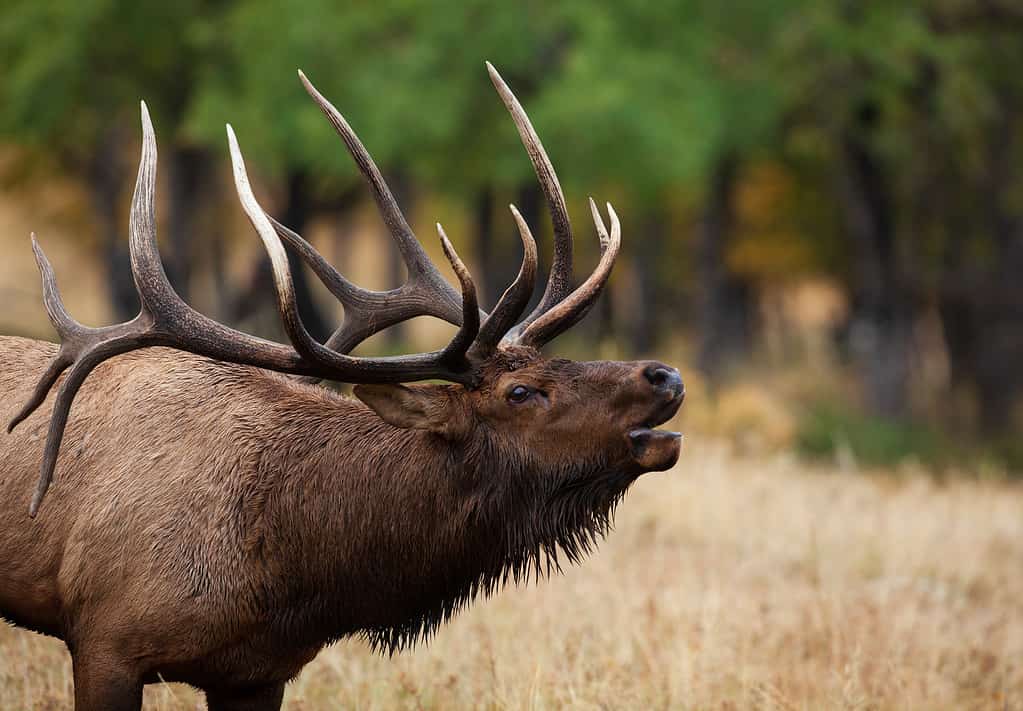
Elk (Cervus canadensis)
©iStock.com/Matt Kaminski
The largest terrestrial mammals in the park, Elk are one of conservation’s quieter success stories. Once extirpated from West Texas, they now number about forty animals and are most commonly seen grazing at dawn or dusk in high meadows, montane forests, or willow-lined streams. From September to early November, autumn brings the rut and the haunting bugle of bull elk echoing through canyons. Winter migrations favor sheltered valleys, while summer herds move to higher, greener slopes. Spotting a cow and calf on an early morning walk—or catching sight of a massive, antlered bull working its way along a ridgeline—thrills visitors who are lucky enough to witness these wild, wary creatures.
Painted Bunting (Passerina ciris)
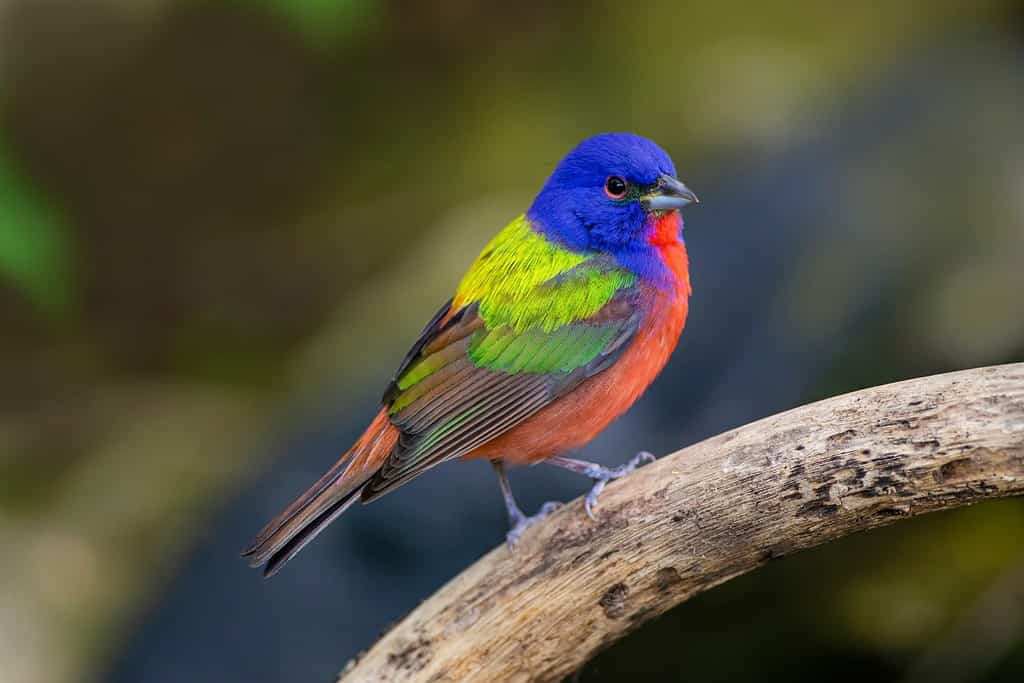
Painted Bunting (Passerina ciris)
©Danita Delimont/Shutterstock.com
Arguably the most vibrantly colored bird in the park, the painted bunting’s dazzling rainbow plumage stands out against desert greens and browns. Males arrive by late April, defending brushy territories with a persistent, sweet song. Patient observers can spot them flickering between shrubs or atop mesquite branches, especially along riparian corridors near water. Painted buntings are primarily active from spring through summer, nesting quietly among thickets. Finding even one in the dense tangle of vegetation is a highlight for birdwatchers and photographers alike, as these birds remain skittish and quick to vanish.
Rock Squirrel (Otospermophilus variegatus)

Rock Squirrel (Otospermophilus variegatus)
©Angel DiBilio/Shutterstock.com
In Guadalupe Mountains National Park, rock squirrels are among the most visible, boldest mammals you’ll find. With bushy tails, peppered gray backs, and alert postures, they scavenge for seeds, nuts, cactus fruit, and even the occasional insect. Rock squirrels are clever climbers, frequently seen scampering over boulders and foraging amid low-hanging tree branches. They are active throughout much of the day, though they tend to rest during the hottest hours. Family groups are common near campgrounds, making them a favorite among visitors hoping for a quick photo of the chipper “ground squirrel in a tree.”
Black Bear (Ursus americanus)
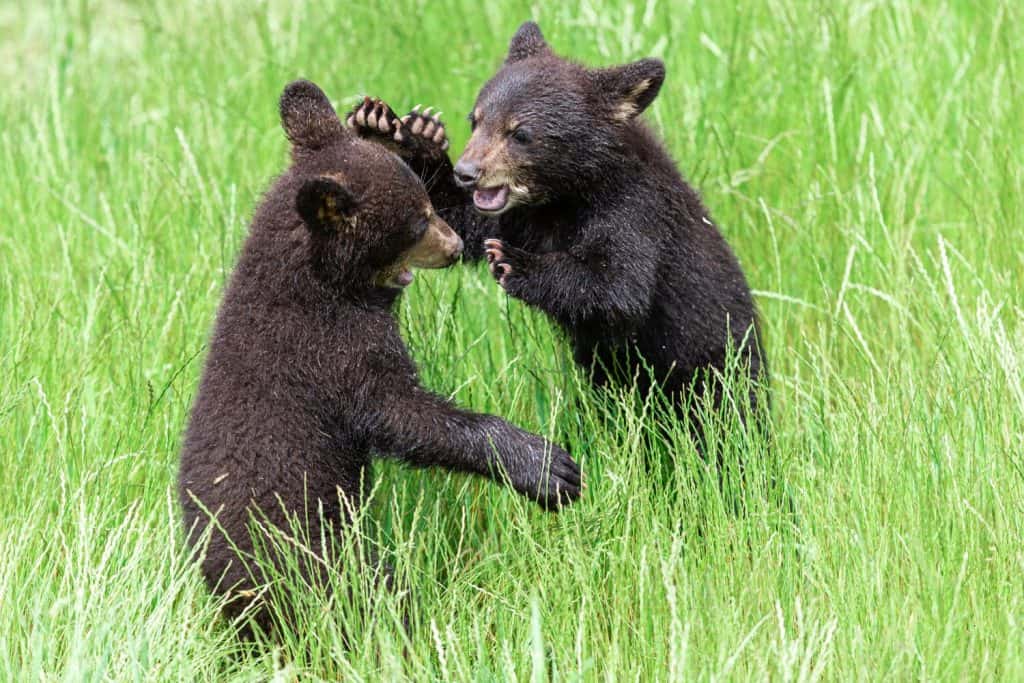
Black Bear (Ursus americanus)
©AB Photographie/Shutterstock.com
Although rarely glimpsed, black bears are a vital part of the park’s upper forests and lush canyons. Their broad diet includes berries, acorns, insects, small mammals, and—especially in late summer—ripening prickly pears and other fruit. Adapted to the Guadalupe’s relatively mild climate, black bears here generally do not hibernate, instead moving between desert lowlands and cool pine-oak forests in search of food. Tracks, scat, upturned logs, and clawed tree bark are classic signs of bear activity. Watch quietly at dawn near springs or streams for a chance encounter—though these shy giants will quickly vanish if startled.
Couch’s Spadefoot (Scaphiopus couchii)
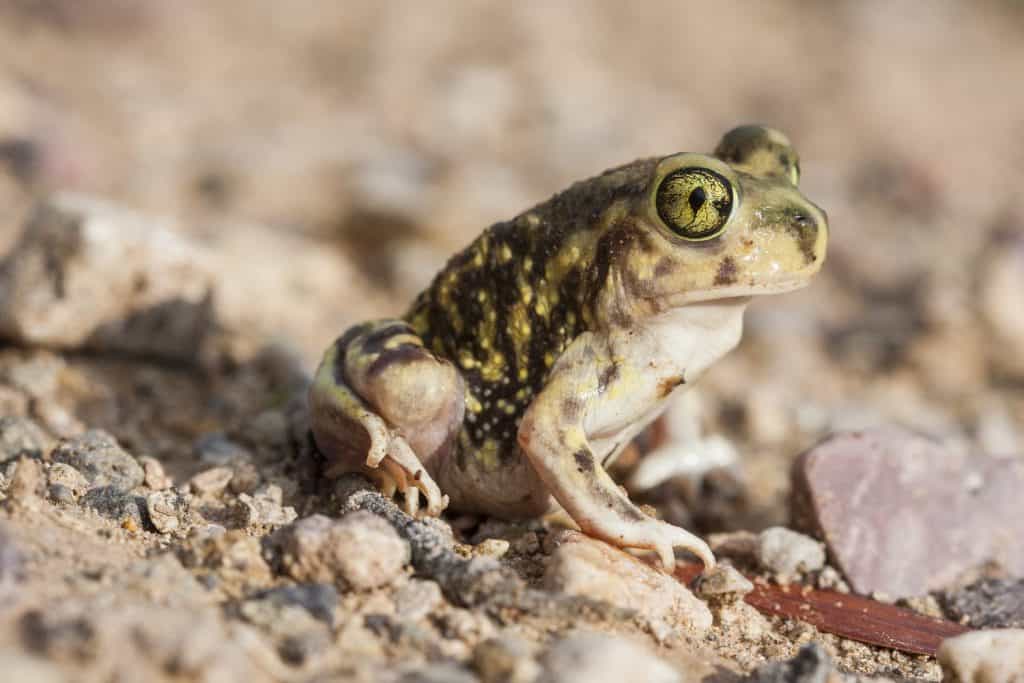
Couch’s Spadefoot (Scaphiopus couchii)
©Viktor Loki/Shutterstock.com
Summer monsoons transform the desert as the distinctive call of Couch’s spadefoot toads fills the night. These amphibians spend most of the year deeply burrowed underground, emerging only after heavy rain to breed in temporary pools. Their tadpoles develop rapidly before the water evaporates. Spotting adults on roadways or in shallow puddles during summer storms is a rare treat for nocturnal explorers. Their greenish-yellow color, pudgy bodies, and large eyes set them apart from other frogs and toads.
Canyon Wren (Catherpes mexicanus)
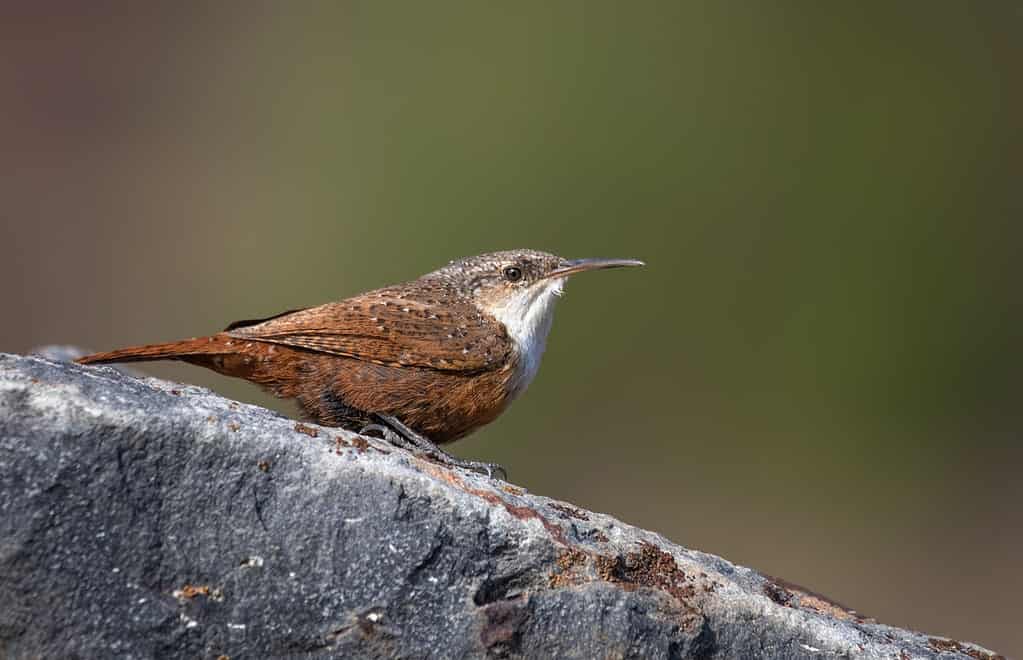
Canyon Wren (Catherpes mexicanus)
©iStock.com/graphicphoto
One of the memorable sounds of the park is the cascading, flute-like song of the canyon wren. These little birds nest in crevices and forage on vertical faces for insects and spiders. Surprisingly acrobatic, they sometimes hang upside-down to peck for prey. Early morning is a good time to hear their call, echoing through steep-walled canyons, though the small brown-and-white birds themselves take effort to spot.
Gray Fox (Urocyon cinereoargenteus)
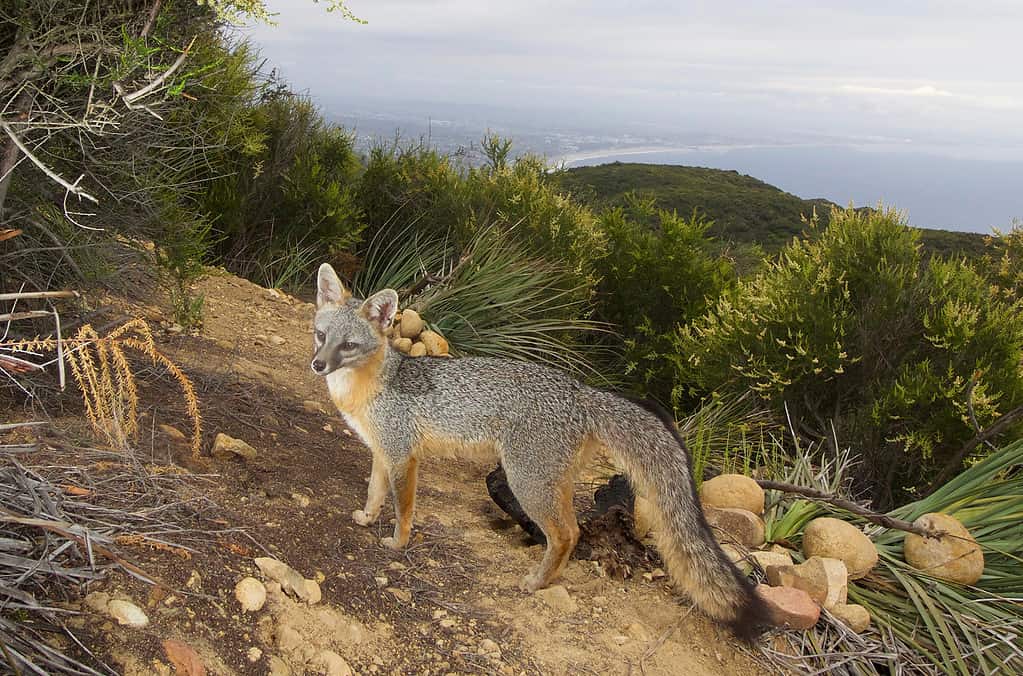
Gray Fox (Urocyon cinereoargenteus)
©Jason Klassi/ via Getty Images
Graceful, bushy-tailed, and agile, the gray fox stands out among the park’s canids due to a unique talent: it can climb trees. These omnivores dine on rabbits, mice, fruits, and even insects, and are most often seen at dawn or dusk slipping through dense woodland. During cooler months, they become bolder around springs or fruiting junipers, sometimes even foraging just beyond developed areas. Their tracks are frequently found along game trails and arroyos.
Big Bend Slider (Trachemys gaigeae)
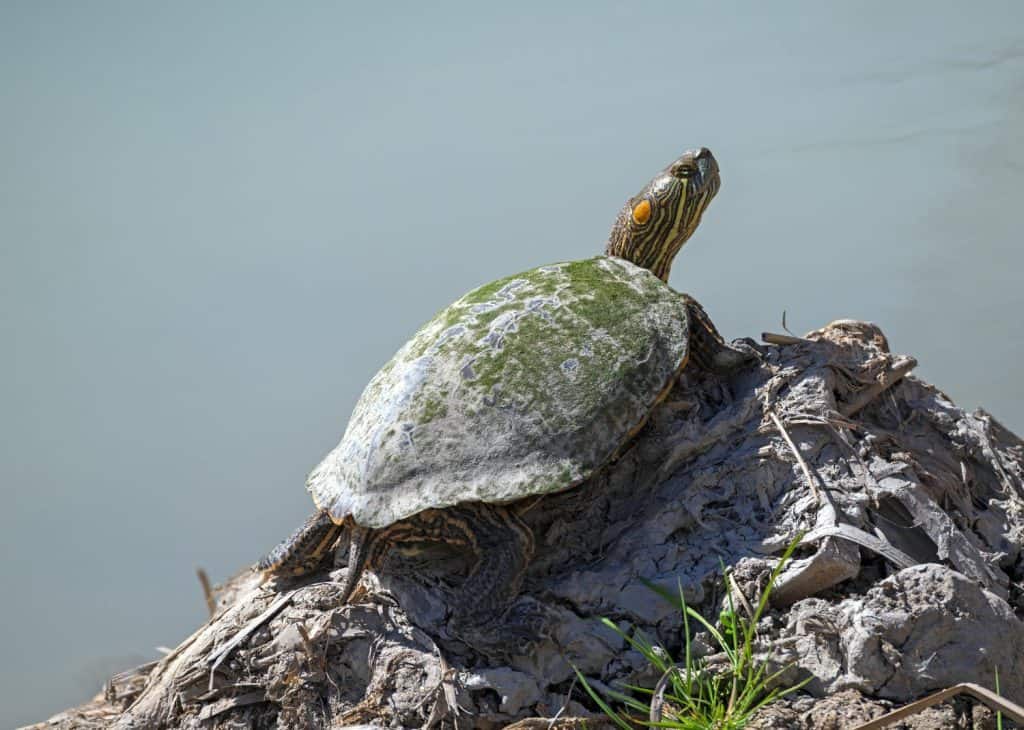
Big Bend Slider (Trachemys gaigeae)
©Wildnerdpix/Shutterstock.com
The Big Bend slider is a freshwater turtle unique to this part of the Southwest. It favors the park’s springs, seeps, and slow-moving canyon streams. Most active from April to September, sliders bask on sunlit rocks to warm themselves or slip beneath the surface at the first sign of disturbance. With olive shells and striped heads, they’re easiest to find in McKittrick Canyon or shallow, vegetated pools after summer rains.
Texas Banded Gecko (Coleonyx brevis)
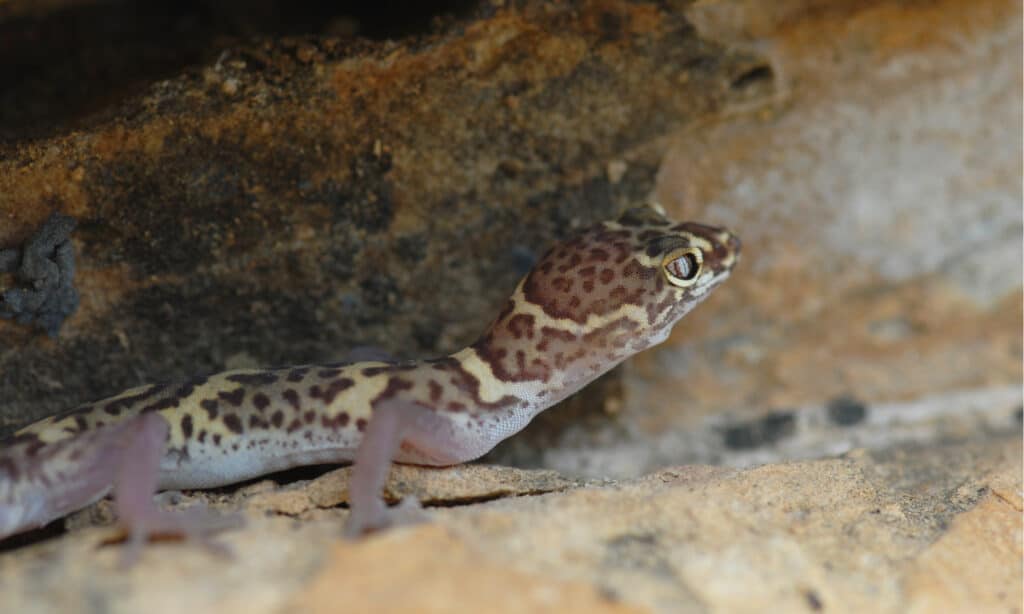
Texas Banded Gecko (Coleonyx brevis)
©Rusty Dodson/Shutterstock.com
Nearly invisible to the untrained eye, the Texas banded gecko prefers rocky hillsides and desert flats with ample hiding places. This small, soft-skinned lizard is nocturnal, emerging at night to hunt for crickets, beetles, and spiders. Its bands and speckles provide perfect camouflage among gravel and leaf litter. Gently upturning rocks just after dark may reveal a glimpse of this delicate lizard.
Common Raven (Corvus corax)
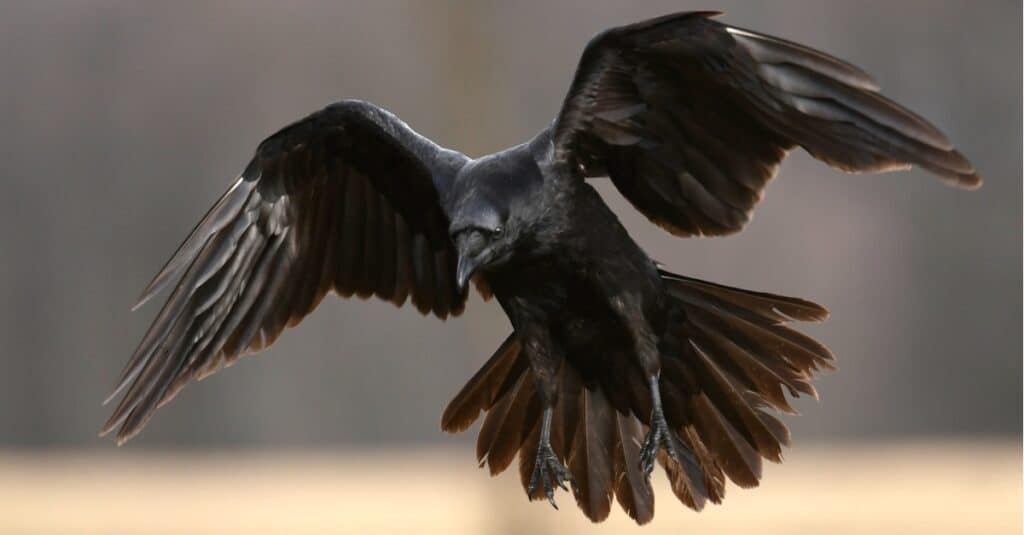
Common Raven (Corvus corax)
©iStock.com/Piotr Krzeslak
The largest songbird in the park, the common raven, is a highly intelligent, adaptable species seen across every major habitat. Watch for pairs soaring on updrafts, tumbling in the wind, or scavenging campsites for food. They even appear at trailheads in the early morning, lured by the possibility of leftovers. Their range of calls—croaks, knocks, and even gentle purrs—adds character to the Guadalupe soundscape year-round.
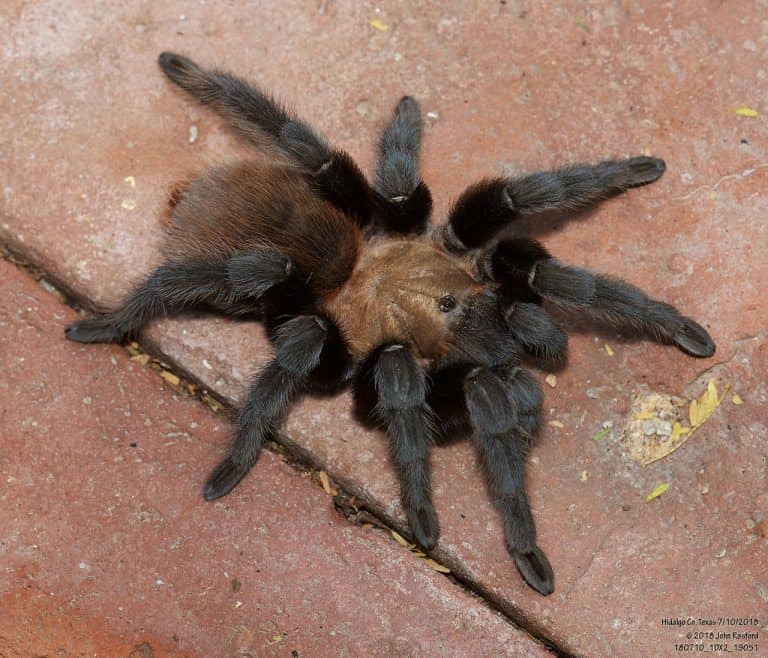
Tarantula (Aphonopelma hentzi)

Tarantula (Aphonopelma hentzi)
©torook/Shutterstock.com
No creature embodies the drama of the desert floor quite like the Texas brown tarantula. Most visible in late summer and autumn, especially after rains, males wander roads and trails searching for mates. Females remain hidden in burrows, dining on crickets, beetles, and the occasional small reptile. Though often feared, tarantulas are not aggressive—pause to watch one cross your path slowly, and appreciate their surprising grace.
Wild Heart of the Mountains
Guadalupe Mountains National Park is more than a sweep of rugged terrain—it is a sanctuary where nature’s resilience and wildness endure. From hidden amphibians and secretive predators to winged wanderers and hardy reptiles, each species reveals a story of adaptation and survival. Whether you’re scanning the sky for eagles, watching a herd of elk at twilight, or marveling at the spoor left behind by nocturnal creatures, the Guadalupe Mountains reward patient curiosity. Its tangled trails, canyons, and high peaks remain a living classroom in the art of wilderness and a stronghold for Texas wildlife, preserved for explorers yet to come.