
Quick Take
- Ghost shrimp can devastate an oyster bed through a process that has nothing to do with eating, and the scale of damage will surprise you. See how shrimp destroy beds →
- Washington oyster farmers lost the legal right to use their most effective pest control tool, and the clock has been ticking ever since. Read about the permit denial →
- The device now being tested on shrimp was invented to consolidate wet cement, and it kills in a way nobody expected. Discover the vibration method →
- Even if vibrocompaction works, there's a looming ecological conflict that could stop it from ever reaching commercial oyster farms. Explore the ecological risks →
For as long as humans have harvested crops and animals, we have battled against ‘pests’. Any animal that destroys crops, food, or livestock needs to be controlled, but how to achieve this was, and still is, a challenge. The first chemical pesticide ‘sprayer’ was used in the USA in the 1860s to protect potatoes from the Colorado Beetle. Since then, pesticides have come under huge scrutiny, and many have been banned. The removal of pesticides may be good news for the environment, but bad news for farmers—and without farmers, there is no food! Innovative new methods of pest control are desperately needed, and one has just emerged that may be welcome news for Washington shellfish farmers. Is vibrocompaction the answer to their prayers?
Why Are Burrowing Shrimps Decimating Oyster Farms?
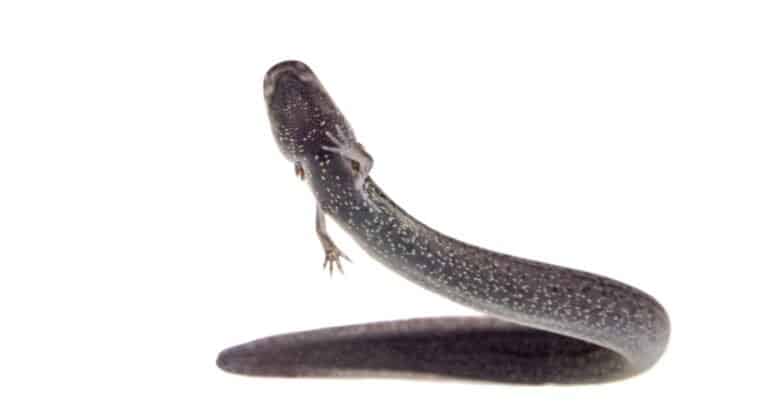
The problem with burrowing shrimp is that they burrow! Ghost shrimp, including shrimp in the Axiid and Gebiid infraorders, are causing huge problems for oyster farmers. These are semi-transparent shrimp that, like crabs, are decapod crustaceans but belong to different infraorders. One shrimp species, Neotrypaea californiensis, is native to the West Coast of North America and inhabits the same locations as oyster farms, namely the intertidal zone.
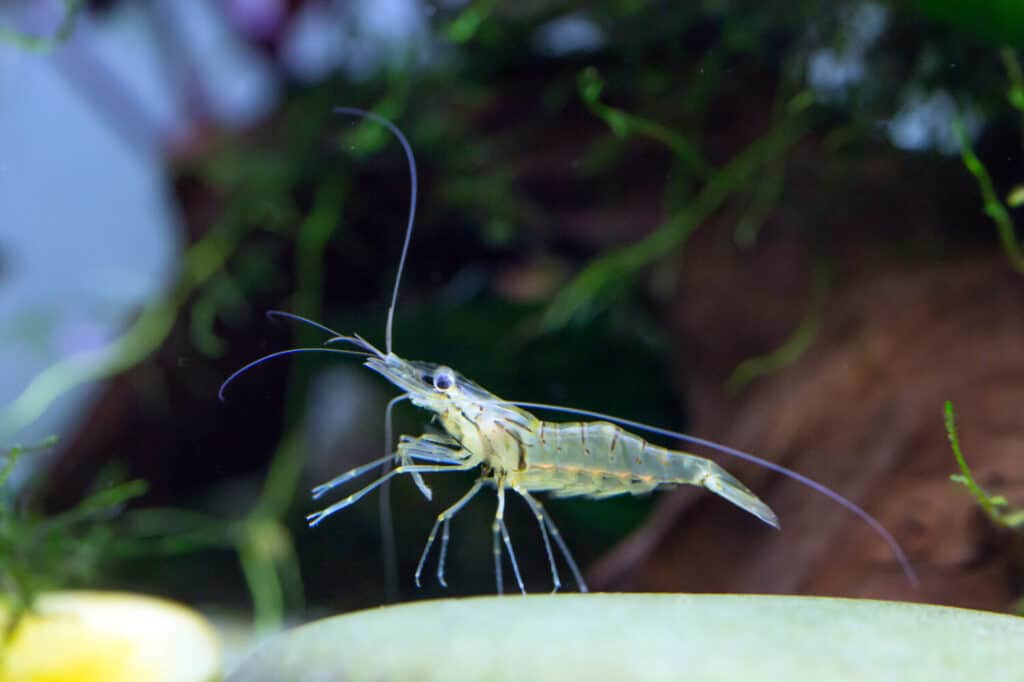
Ghost shrimp can decimate oyster beds.
©boban_nz/Shutterstock.com
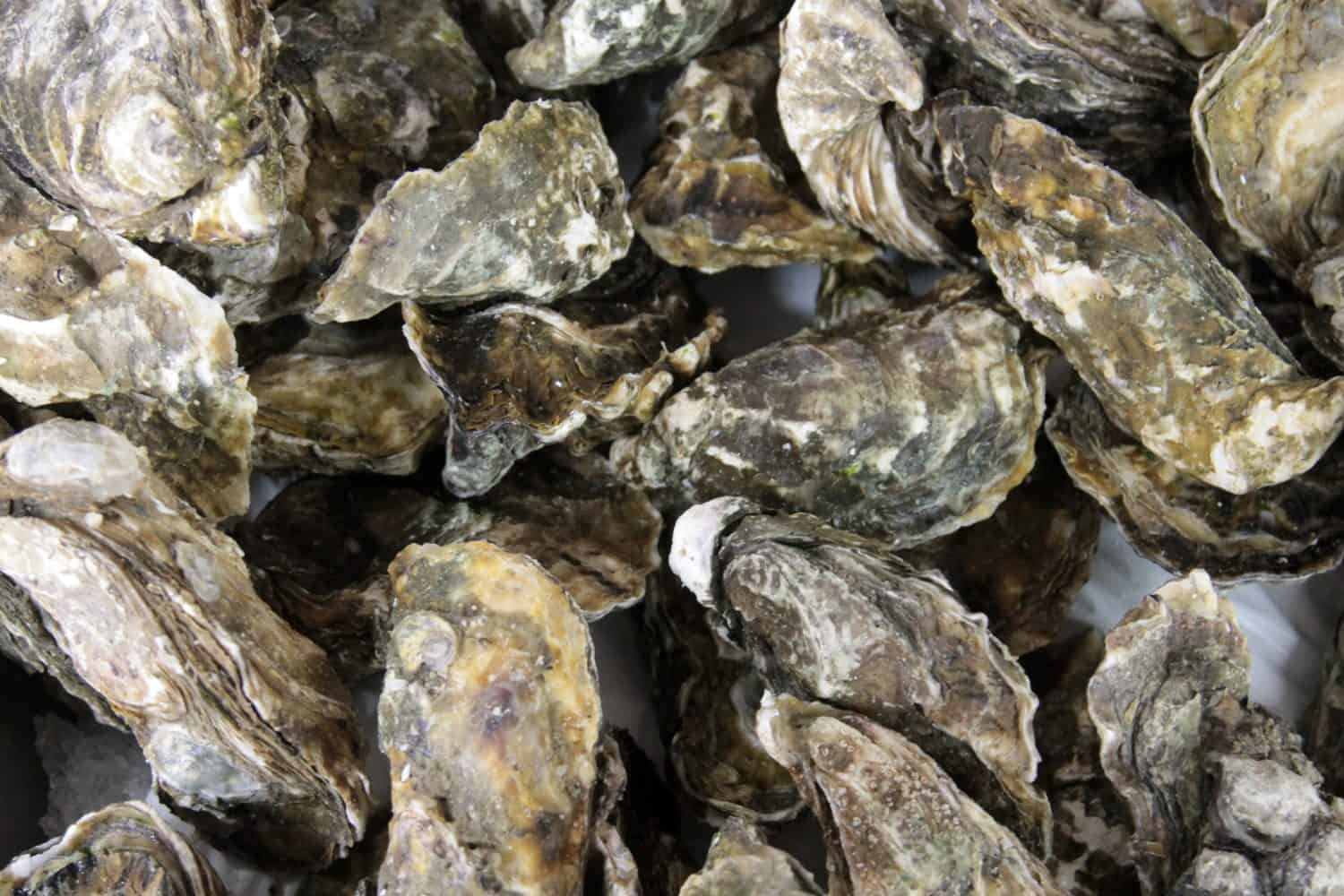
Adult ghost shrimps can burrow over three feet into the sediment on the sea floor. The problem is that as they are excavating, they carry sediment to the surface. They also deposit more sediment in their fecal pellets. Each shrimp can deposit around a fluid ounce of sediment every day. This leads to a phenomenon called bioturbation, in which the sediment becomes highly churned. In fact, ghost shrimp cause so much bioturbation that they bury the oysters, particularly the juveniles. Getting buried is very bad news if you are an oyster because the sediment clogs up their delicate gills and they effectively suffocate.
When shrimp densities reach 25 adults per 10 square feet, oyster beds are typically abandoned. Shrimp densities can reach up to 50 times this threshold, illustrating the severity of the problem.
Controlling Shrimps With Pesticides
Shrimp pest control methods must reach an efficacy of between 90 and 95 percent to allow oyster farming to take place. Chemical pesticides have been used in the past. A carbamate pesticide was applied to the tidelands of Willapa Bay and Grays Harbor starting in the 1960s. While it was effective, by the 1990s, concerns arose about its toxicity to other organisms.
Shellfish growers from Willapa-Grays Harbor Oyster Growers Association requested a permit from the State of Washington Department of Ecology to use the pesticide imidacloprid in 2018. However, the authorities determined that the environmental harm would be too significant. The environmental impacts cited in their judgment included negative impacts to juvenile worms and crustaceans and uncertainty about long-term, non-lethal, and cumulative impacts. Since then, some oyster farmers in the area have lost up to a third of their growing area to shrimp. If no solution is found, Washington may lose its status as the leading U.S. farmed oyster production area.
Exploring Non-Chemical Shrimp Pest Control
Since the 1960s, oyster farmers have tried compacting the sediment with vehicles at low tide, but this method has not reliably reduced shrimp numbers.
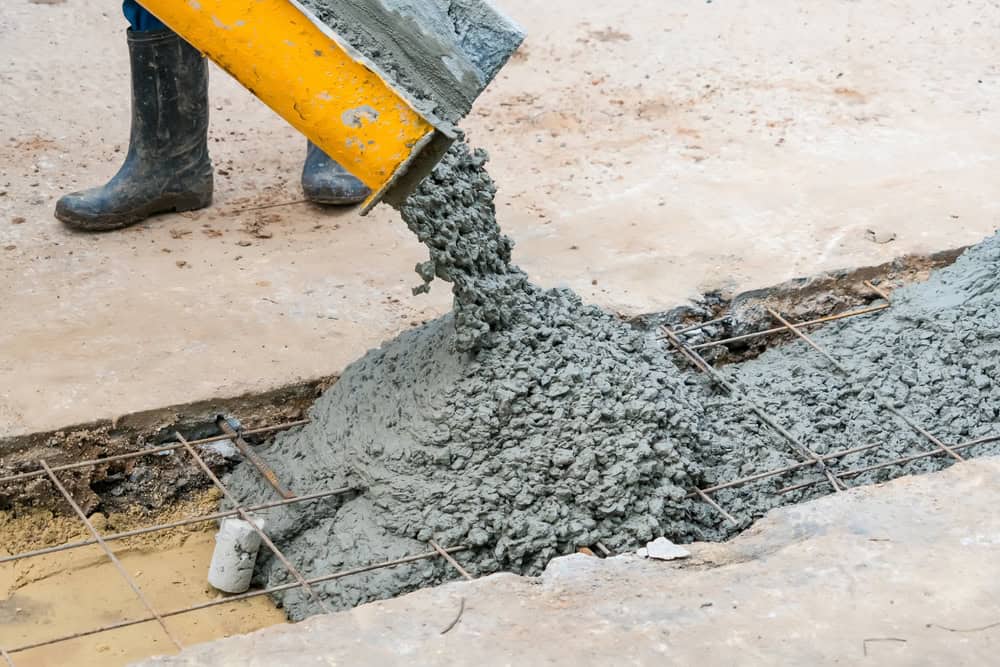
Vibrocompaction is used on construction sites.
©Bubbers BB/Shutterstock.com
An alternative method is to use pressure waves generated underground by high-cycle (180 Hz) internal vibrators. The method is called vibrocompaction and is the same as that used on construction sites to consolidate wet cement. The idea was to compact the sediment so thoroughly that the shrimp would become trapped in their burrows and, deprived of oxygen, die after a few days. However, a study was needed to determine whether this method was effective.
Vibrocompaction Vs. Shrimp
The recently published study was conducted at Willapa Bay, a shallow estuary on the coast of Washington State. Four intertidal sites differing in tidal elevation and sediment properties were selected. Three methods were tried out using a concrete vibrator in different ways. For each method, the team compared sediment cores from treated plots to cores from untreated plots. They sampled on multiple days after treatment and counted live versus dead shrimp.
The experiments revealed that the most effective approach was a custom-built floating platform with six vibrators mounted through a hollow section in the center. Adding weights near each vibrator head to provide both pressure and vibration improved the results even further. The shrimp were asphyxiated rather than killed by the vibration.
What This Means for Oyster Farming
This was a proof-of-principle experiment, so while the results are promising, much more research is needed before the method can be implemented in oyster farming. For example, it is still unclear how long it would take for the shrimp population to recover. Also, the effects on the wider ecosystem need to be assessed. One concern is that ghost shrimp are consumed by gray whales and green sturgeon. Both of these marine species are protected under U.S. federal law. Also, ghost shrimp are managed directly by the Washington Department of Fish and Wildlife for their economic value in a bait fishery. The long-term effects on other sediment-dwelling creatures, such as clams and worms, will also need to be assessed. However, this study has at least demonstrated that the method is feasible.