
Quick Take
- A man fed a 'stray kitten' noodles and rice for a year, never realizing that the clue something was off had been hiding in plain sight in local villages for generations. Meet the tilcayo →
- Scientists thought they knew exactly how many tiger cat species existed. A single DNA study from 38 animals proved them spectacularly wrong. See the DNA findings →
- The discovery that solved a century-long gap in cat taxonomy also created an urgent new problem researchers weren't expecting. Explore the conservation urgency →
- One biologist's gut feeling that a cat 'just didn't match' led to the first new living cat species named in over 100 years, a creature about which almost nothing is known yet. Read the biologist's discovery →
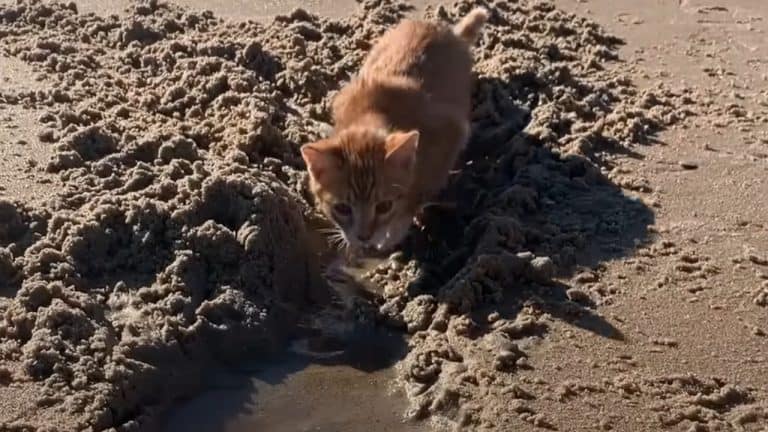
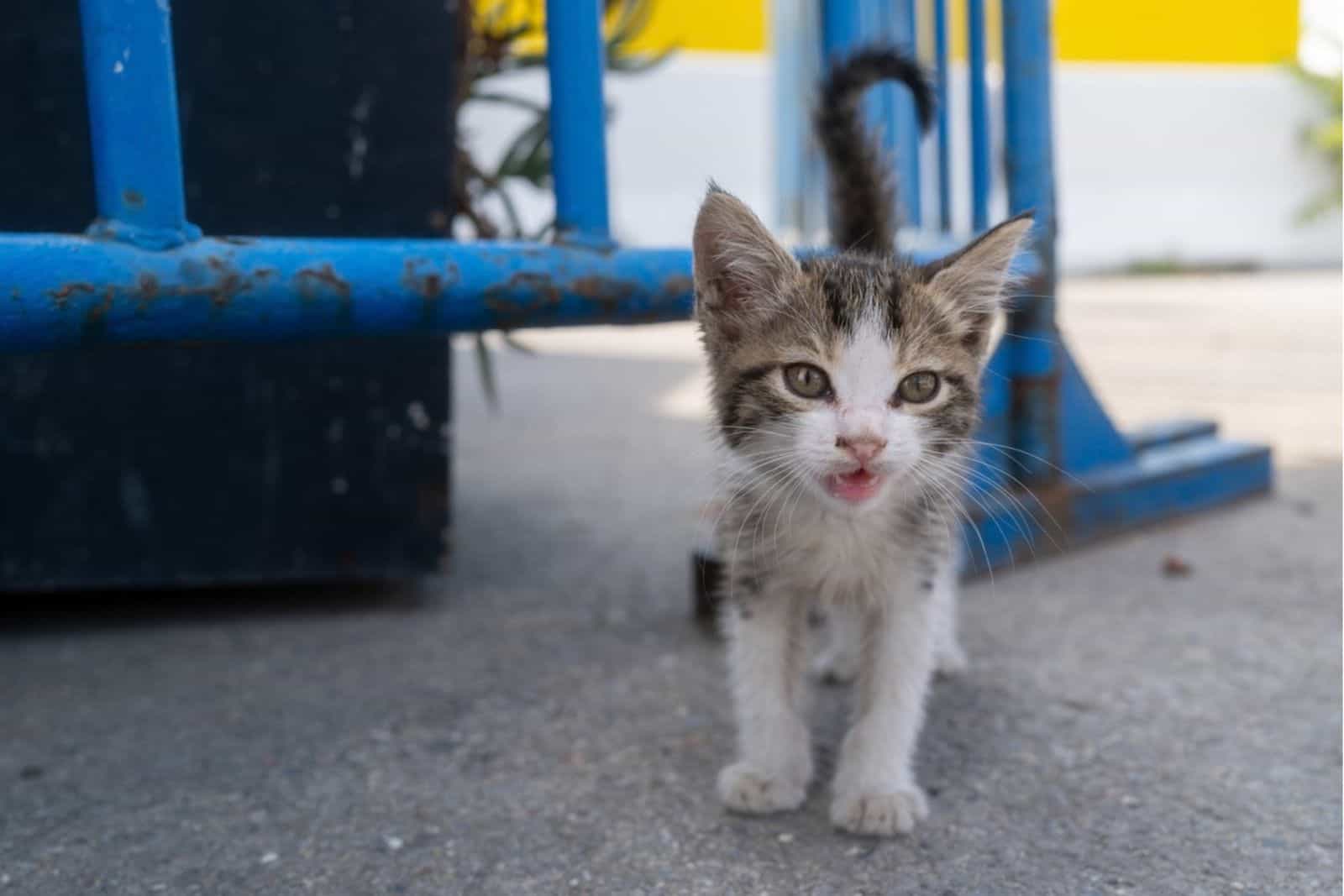
A man living in a forest community near La Paz, Bolivia, found a small spotted kitten and did what anyone would do: he took it in. For about a year, he fed it noodles, rice and eggs, thinking he was raising someone’s lost housecat. Eventually he realized the animal wasn’t tame at all. It was wild, and he couldn’t keep caring for it, so he brought it to a wildlife sanctuary near La Paz called Senda Verde.
That sanctuary visit, and the cat’s own refusal to fit neatly into any known category, is how science ended up with its first new cat species in more than a century.
A Kitten That Wasn’t
Paola Nogales-Ascarrunz, a biologist who volunteers at Senda Verde, was the one who looked twice. The cat resembled a tiger cat, a small spotted wildcat found across parts of South America, but something about it didn’t match. “I thought it was a kitten,” she later said of her first reaction, before her training as a biologist kicked in and she started asking harder questions.
Local people in the surrounding Yungas cloud forest already had a name for the animal: tilcayo. Nogales-Ascarrunz, who grew up in Bolivia, asked them why. “My grandpa called it tilcayo, so I call it tilcayo,” she said, describing a piece of traditional knowledge that turned out to predate the species’ scientific description by generations.
What DNA From 38 Tiger Cats Revealed
To figure out what the animal actually was, Nogales-Ascarrunz joined researchers who were separately studying tiger cat genetics across the continent. The combined team compared whole-genome data from 38 tiger cats collected from Venezuela’s Guiana Shield down through Brazil, Peru and beyond, including eight specimens pulled from natural history museum collections, some decades old.
What had long been treated as a single species, the tiger cat, turned out to be five genetically distinct lineages, according to the study. Four were already known under other names. The fifth, found only in Bolivia’s Yungas, had split off from the rest around 1.4 million years ago, an evolutionary distance researchers compared to the gap between modern lions and extinct cave lions.
First New Cat Species in Over a Century
The team named the new species Leopardus tilcayo, after the local name Nogales-Ascarrunz had been given, and published the description in Current Biology on September 17, 2026. It’s the first new living cat species identified anywhere since the pampas cat in 1923, and the tilcayo is a small one: smaller than a typical housecat, with a slender body and large, irregular rosettes.
Almost nothing else about its life in the wild is confirmed yet. Scat samples hint it eats small rodents, and camera footage suggests it may be nocturnal, but researchers say basic facts about its diet, reproduction and population size remain unknown, according to Smithsonian Magazine. Splitting one tiger cat species into five also means each of those five now covers a smaller range and a smaller population than scientists had assumed, raising fresh conservation questions. Nogales-Ascarrunz is now installing camera traps across the Yungas forest, trying to learn how many tilcayos exist beyond the one a stranger once mistook for a lost kitten.