
Quick Take
- Marlin followed his dogs straight into the ocean, and his early life explains exactly why that was not even surprising. Watch Marlin swim →
- The 'cats hate water' rule has some notable exceptions, and the breeds behind them might catch you off guard. Meet the water-loving breeds →
- Dogs and cats don't actually speak the same body language, so how do some pairs end up inseparable? See how bonds form →
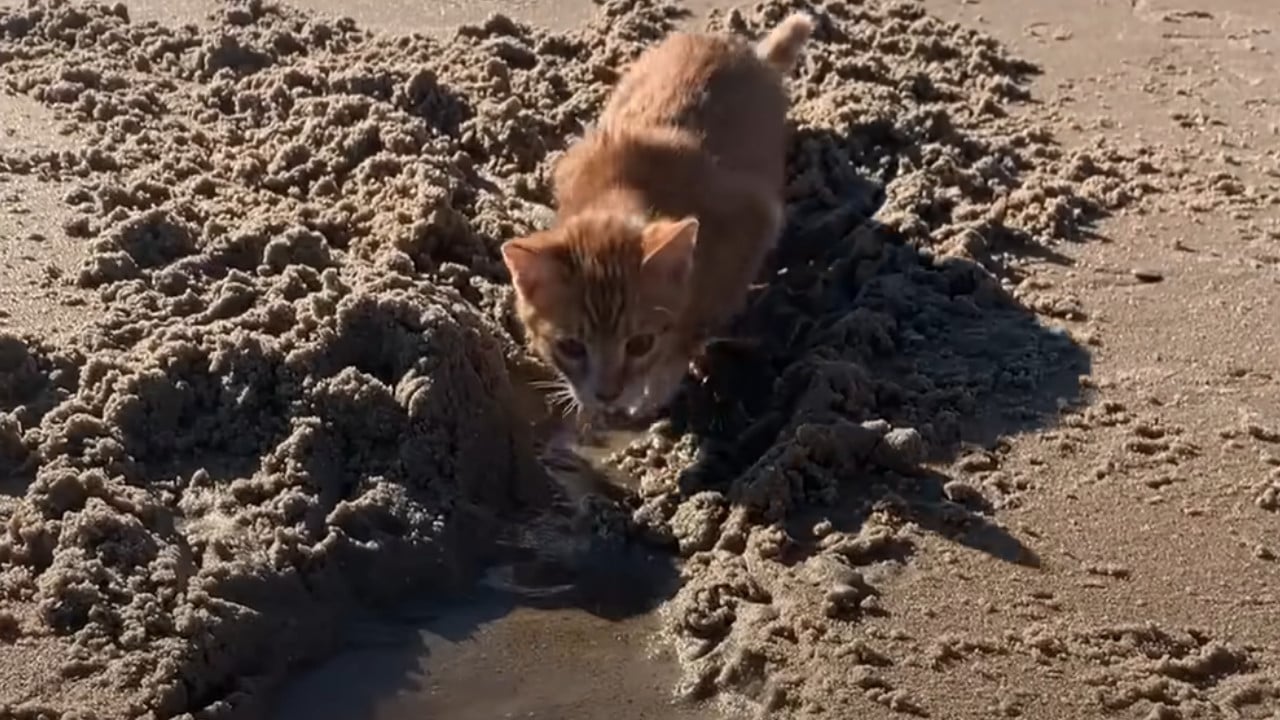
Marlin may be a cat, but nobody appears to have told him that. The ginger kitten joined a home full of dogs when he was only about five and a half weeks old, and he quickly became an honorary member of the pack. He plays with them, follows them around, rides on the boat with them, and seems perfectly happy joining whatever adventure they have planned.
Then came the beach. When the dogs charged toward the ocean, Marlin did not hang back on the sand like you might expect. He followed them straight into the water and started swimming. For a cat raised alongside dogs, apparently nobody bothered to explain the whole “cats hate water” stereotype either.
Watch Marlin Join the Pack in the Water
Do Cats Really Hate Water?
Marlin is unusual, but cats and water are a little more complicated than the stereotype suggests. Plenty of cats want absolutely nothing to do with getting soaked, while others will happily paw at faucets, play in sinks, or even swim. A wet coat can be heavy and uncomfortable for a cat, and animals that have had little exposure to water may simply find the experience unfamiliar or stressful.
Breed can make a difference too. Turkish Vans are famously nicknamed “swimming cats” and are known for playing in water. Many Maine Coons also show a fascination with water, while Bengals are known for playing in sinks, tubs, and even showers. So Marlin is definitely not the only cat willing to get his paws wet. He just takes it several steps farther than most.
Can Dogs and Cats Actually Get Along?
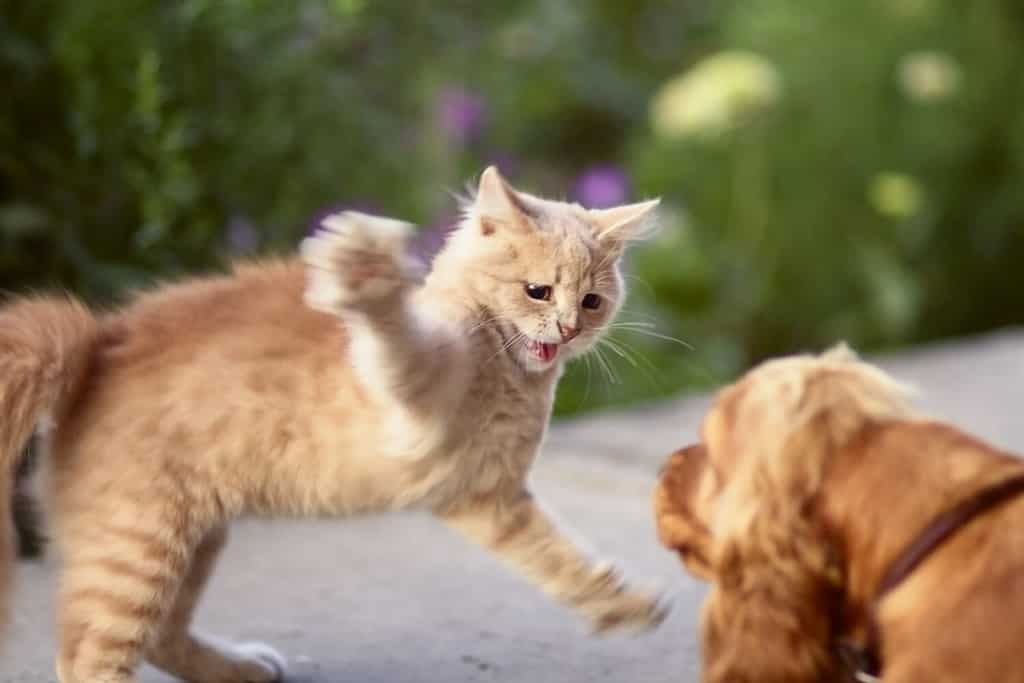
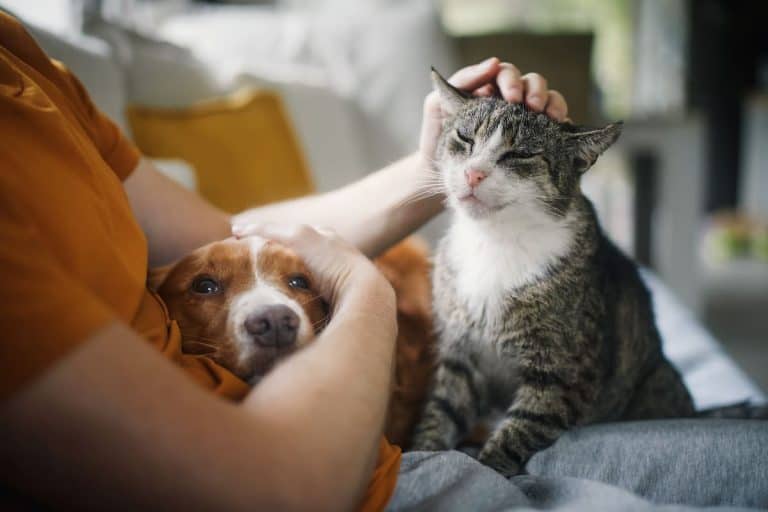
Cats and dogs can form close bonds, especially when they are introduced carefully and become comfortable with each other.
©fantom_rd/Shutterstock.com
The phrase “fighting like cats and dogs” has done these two species a bit of a disservice. Dogs and cats are not destined to hate each other. Plenty live together peacefully, and some form extremely close bonds. Marlin is obviously taking that relationship to the extreme, but there is nothing biologically strange about a cat becoming comfortable around dogs.
What matters is the individual animals. Temperament, previous experiences, early socialization, a dog’s prey drive, access to food and other resources, and the way the animals are introduced can all shape the relationship. Dogs and cats also use body language differently, so signals can occasionally be misunderstood. Given enough positive exposure, though, they can learn what the other animal is communicating and become perfectly comfortable sharing a home.
Marlin had one major advantage: he joined his canine family when he was still a tiny kitten. Instead of growing up thinking of the dogs as strange animals on the other side of the room, they became his companions. Judging by the way he follows them straight into the ocean, he seems pretty happy with the arrangement.