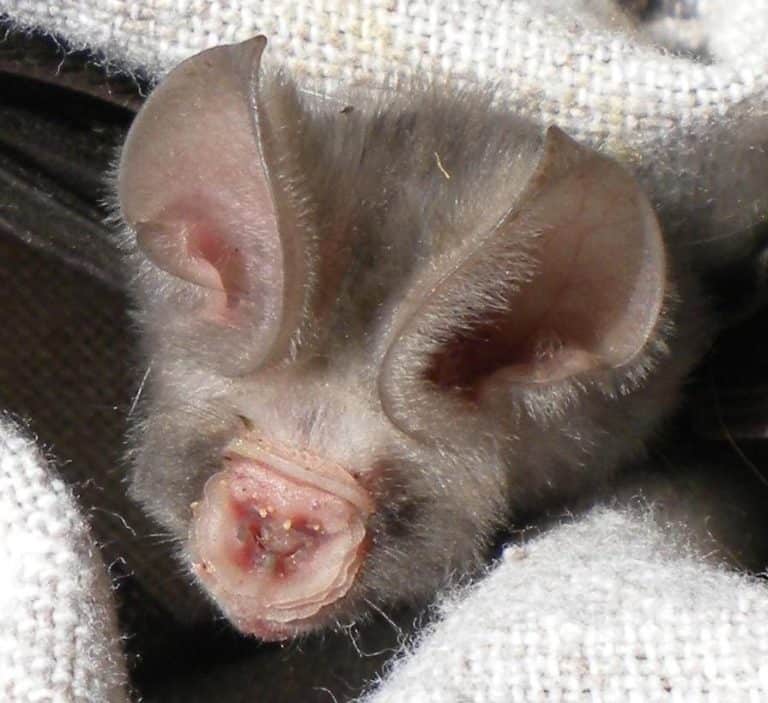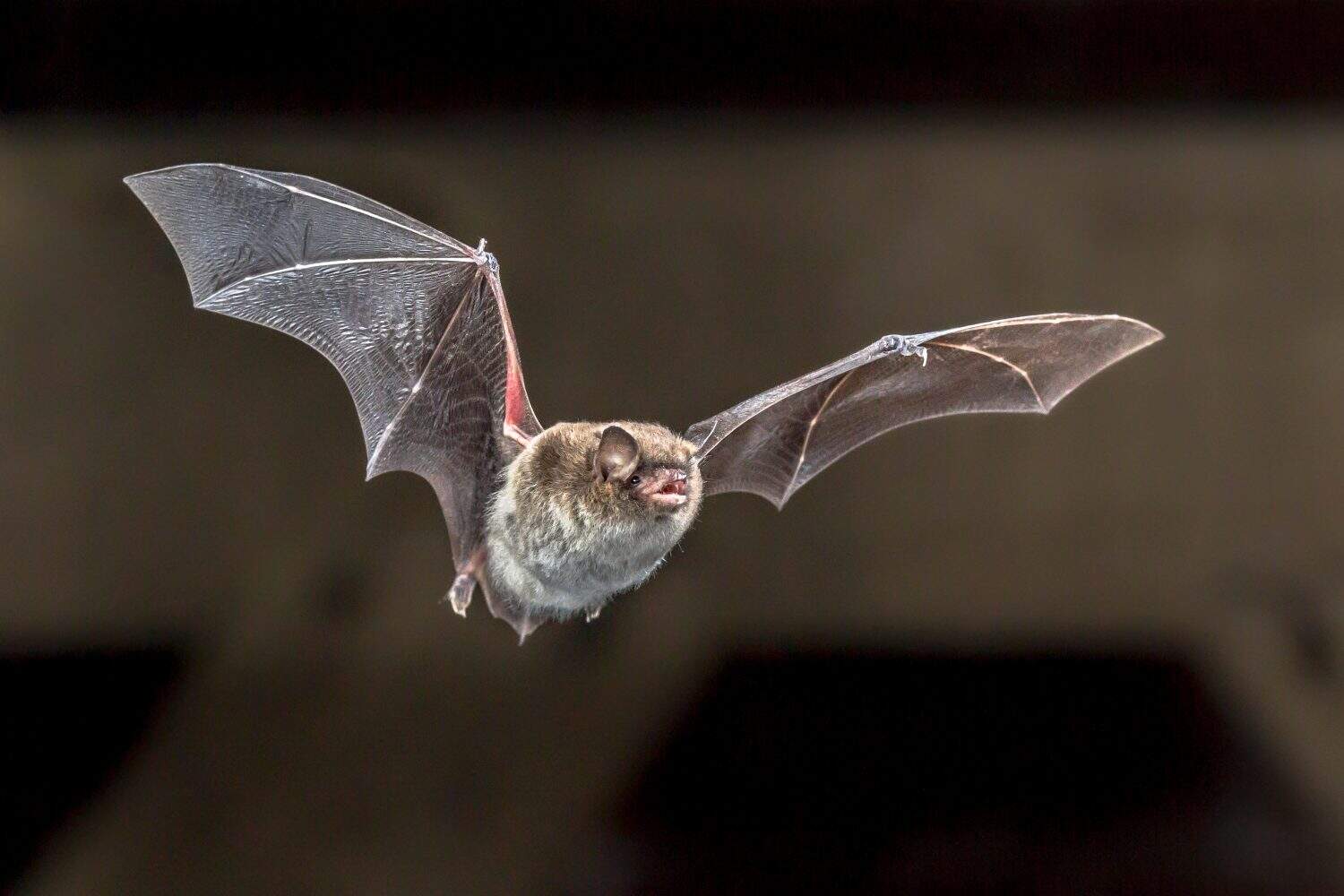

Thanks to social media, the rescue efforts of different individuals and organizations are easy and quick to access. Every once in a while, a heartwarming story comes along that makes you melt. One of these is about a baby bat named Julip. This Instagram post by @batworldsanctuary talks about Julip’s story and her resilience after being born prematurely. Read below to learn more about Julip and bat babies.
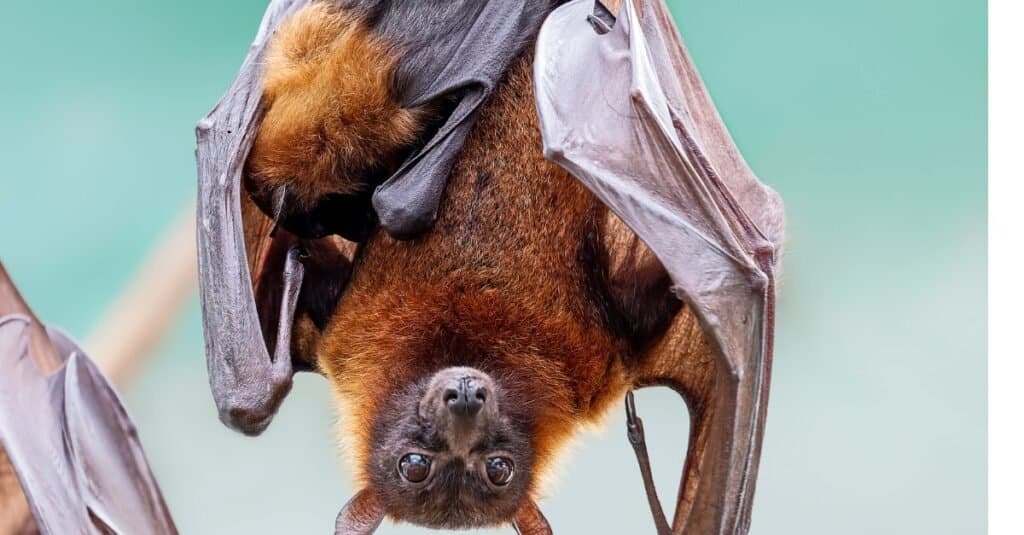
Bats hang upside down.
©iStock.com/tane-mahuta
About Julip
Bat World Sanctuary is a non-profit organization dedicated to supporting orphaned or injured bats in their recovery journey. One of the bats they took in is baby Julip! Baby Julip was born prematurely, leading to some minor health scares. However, thanks to the efforts of the members of Bat World Sanctuary, Julip is growing healthy and strong. A healthy, average Mexican freetail baby weighs around five grams, so Julip, being born prematurely, likely weighs much less. Once both Julip and her mother have recovered, and Julip is no longer dependent on her mother, her mother will be released back into the wild while Julip remains at the sanctuary to continue growing. Due to Julip’s birth defects, she will remain a permanent resident at the sanctuary so she can continue receiving the care she deserves. This is a beautiful story that highlights the importance of conservation efforts for animals.
What Kind of Bat Is Julip?
Julip is a Mexican freetail, scientifically known as Tadarida brasiliensis. This species of bat inhabits much of the southern United States, Mexico, and Central America. They roost in caves, buildings, bridges, and other man-made structures. Although Julip’s exact size in the post above is unknown, most adult Mexican freetails have a wingspan of about 13 to 14 inches and weigh approximately half an ounce. Despite their small size, they are quick insectivores that can reach speeds up to 99 miles per hour! This makes them some of the fastest mammals on earth. Using their quick speed, they hunt moths, wasps, and other flying insects. Hopefully, with the right care, Julip can grow to be a healthy adult as well.