
Quick Take
- Baby bats cling to their mothers for months, yet a hidden physical breaking point exists that forces even devoted moms to make an impossible choice. See the physical breaking point →
- Rescuers had a low-tech workaround for orphaned pups long before bat bassinets existed, and why it still wasn't enough might surprise you. Discover the earlier workaround →
- This species lost 75% of its population in two decades, and the ripple effects on Australia's ecosystems go far beyond what most people would guess. Explore the ecological stakes →
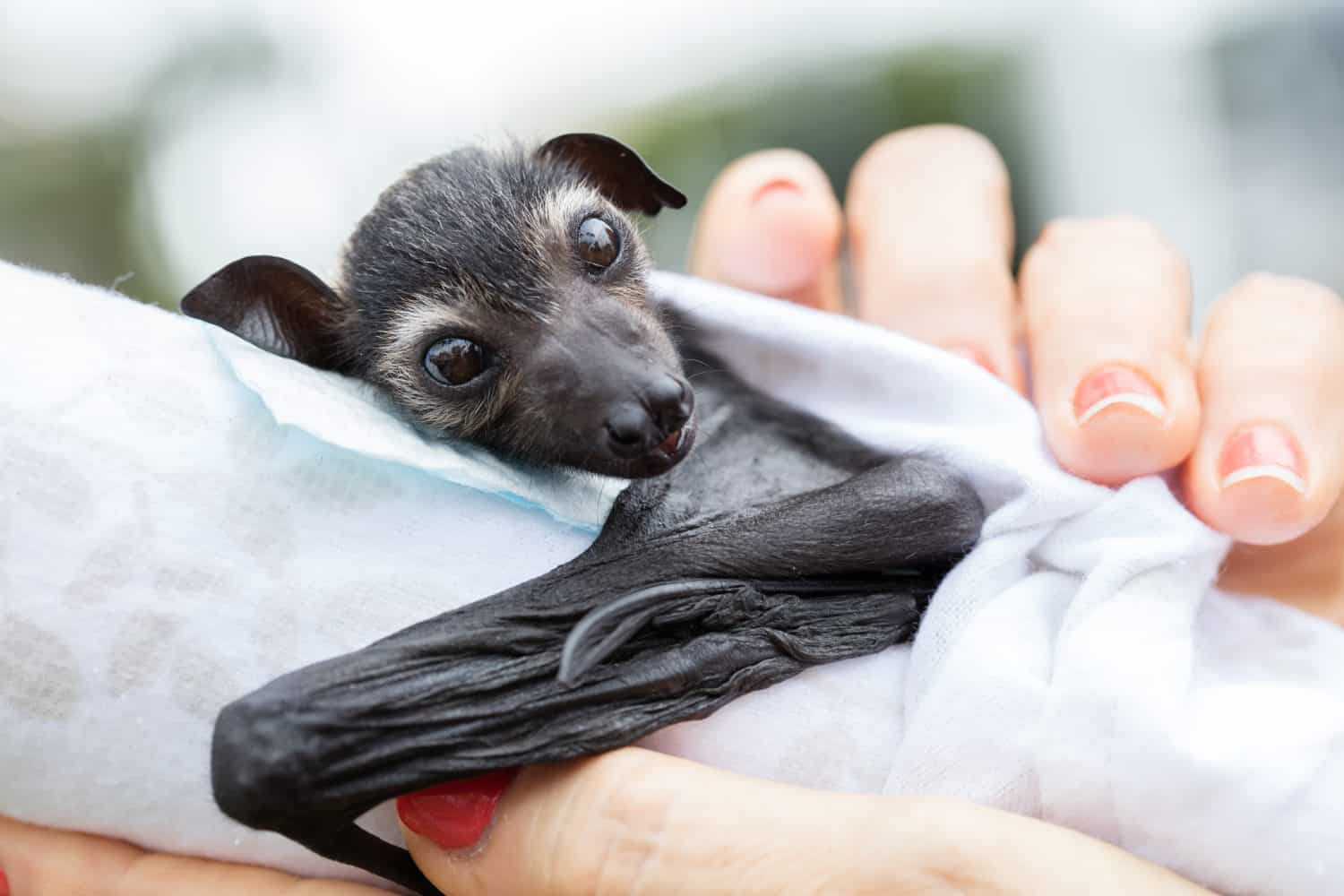
Spectacled flying fox moms in Cairns, Australia, just got an upgrade in the baby department. In an effort to reunite moms with their offspring, volunteers have introduced “bat bassinets.” And yes, these adorable new motherhood gifts are exactly what they sound like.
The new bat bassinets were designed to eliminate hours of hand-rearing. When mothers can be with their pups 24/7, they have a better chance of bonding. These bassinets were created to improve one-on-one time while also giving new spectacled flying fox moms peace of mind, knowing their babies aren’t going anywhere.
Bat Bassinets Give Moms the Best Chance of Staying with Pups
In the earliest days of a spectacled flying fox’s life, the pup depends solely on its mother for survival. While this is the norm for many species, bats are unique. Babies cling to their mother’s wings and must remain there until they can fly on their own. While a spectacled flying fox would do anything to ensure its baby survives, this inevitably puts stress on mom to keep her offspring close.
Before the invention of bat bassinets, rescuers used a similar method. They wrapped spectacled flying fox pups in blankets to closely mimic their mother’s embrace. While this is enough to keep the pups warm and safe, it must also account for the first three months of their flightless lives without mothers.
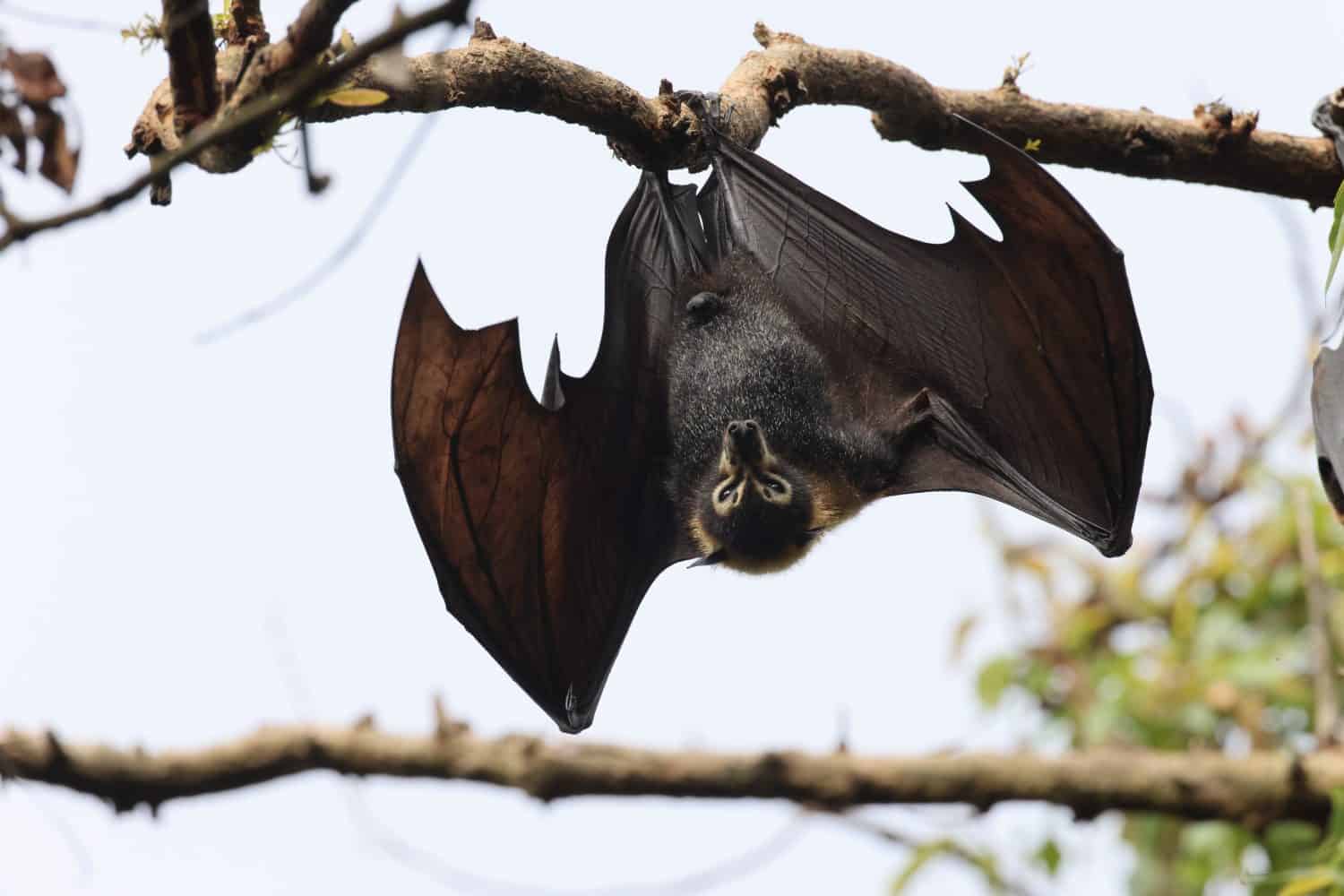
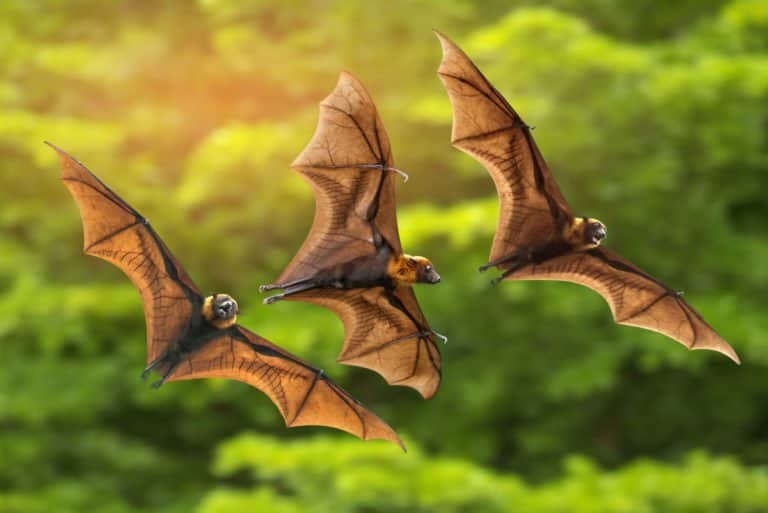
Spectacled flying foxes only give birth to one pup a year.
©Frank Fichtmueller/Shutterstock.com
Cairns, where spectacled flying foxes are native, is also home to more than 70 bat roosts across the region. Females return year after year to give birth and shelter within these bat boxes, but there aren’t always enough for Australia’s huge bat population. Roosts provided safety for some wild bats, but many rescued females were still without a way to keep their pups close.
Enter: the bat bassinet. These allow spectacled flying foxes to stay near their pups within their enclosures, without worrying about them falling or being left behind. Feeding is typically done by rescuers, but these bassinets make it easier for moms to do their job. It also prevents the two from getting separated, which, sadly, happens more often than many people realize.
What Happens to Spectacled Flying Fox Pups in the Wild?
The weather in Cairns can be extreme and unpredictable. Birthing season is often ripe with cyclones, which also produce some of its hottest and windiest days. These severe storms can easily separate a mother from her pups, especially if she has nowhere to shelter.
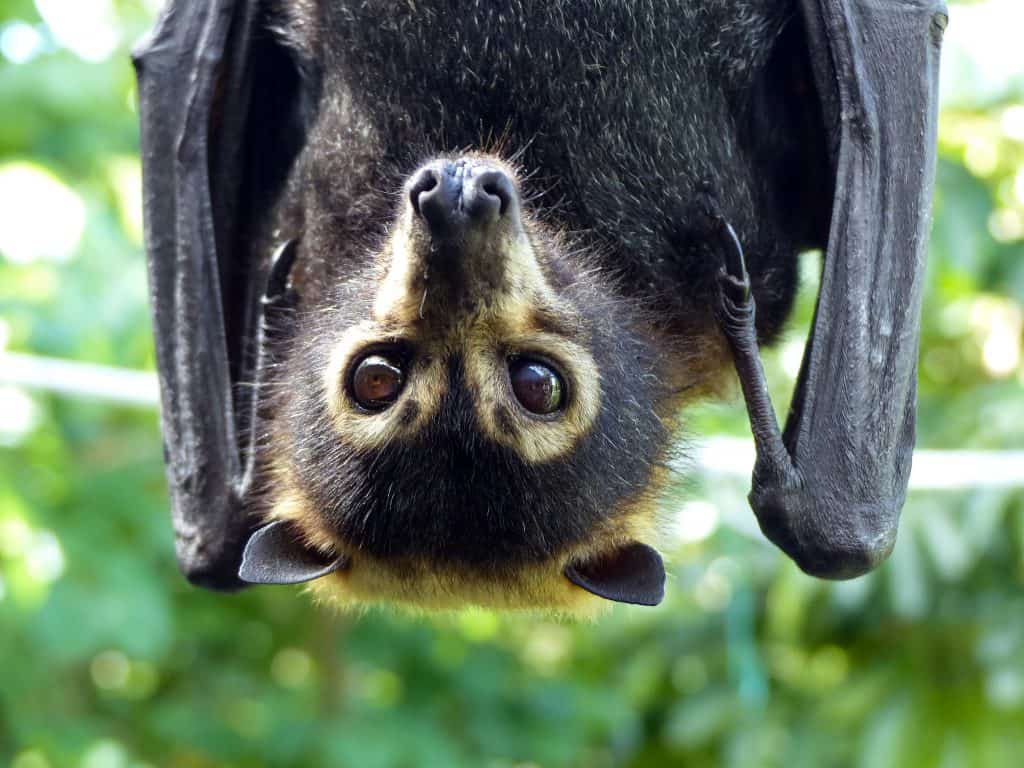
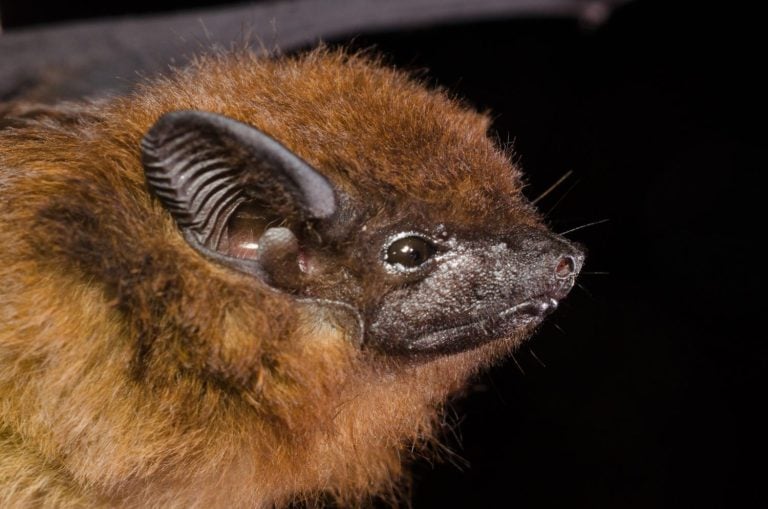
Pups can sometimes be too heavy, and their mother may drop them to survive.
©Connie Pinson/Shutterstock.com
For the first 4 to 5 weeks of a spectacled flying fox pup’s life, it clings to its mother. It takes roughly three months before it can fly on its own. Until then, mothers are tasked with the difficult challenge of remaining nearby. By 12 weeks, spectacled flying fox pups weigh 200 to 250 grams. Given that an adult female weighs just over a pound, this is a substantial amount of weight for her to carry. Sometimes, a pup will fall by accident, and the mother has no choice but to abandon it.
Spectacled flying fox bats have only one pup per year, making the loss of even one a tragedy. Rescuers do their best to hand-rear pups but have high hopes for the introduction of bat bassinets—particularly because this species is currently endangered.
Saving an Endangered Species Through Mother-Pup Bonding
Another threat to spectacled flying foxes is human activity. Adults often get caught in fencing and fruit nets, which leaves the pups without a parent. This greatly reduces their chances of survival. In captivity, keeping a mother and her pup together means giving them both a chance they might not otherwise have.
Following these threats, in 2019, Australia’s federal government upgraded the status of spectacled flying foxes from Vulnerable to Endangered. This significant change triggered a need for better conservation of the species. For rescuers, that meant beginning at the start: saving pups from the moment they’re born.
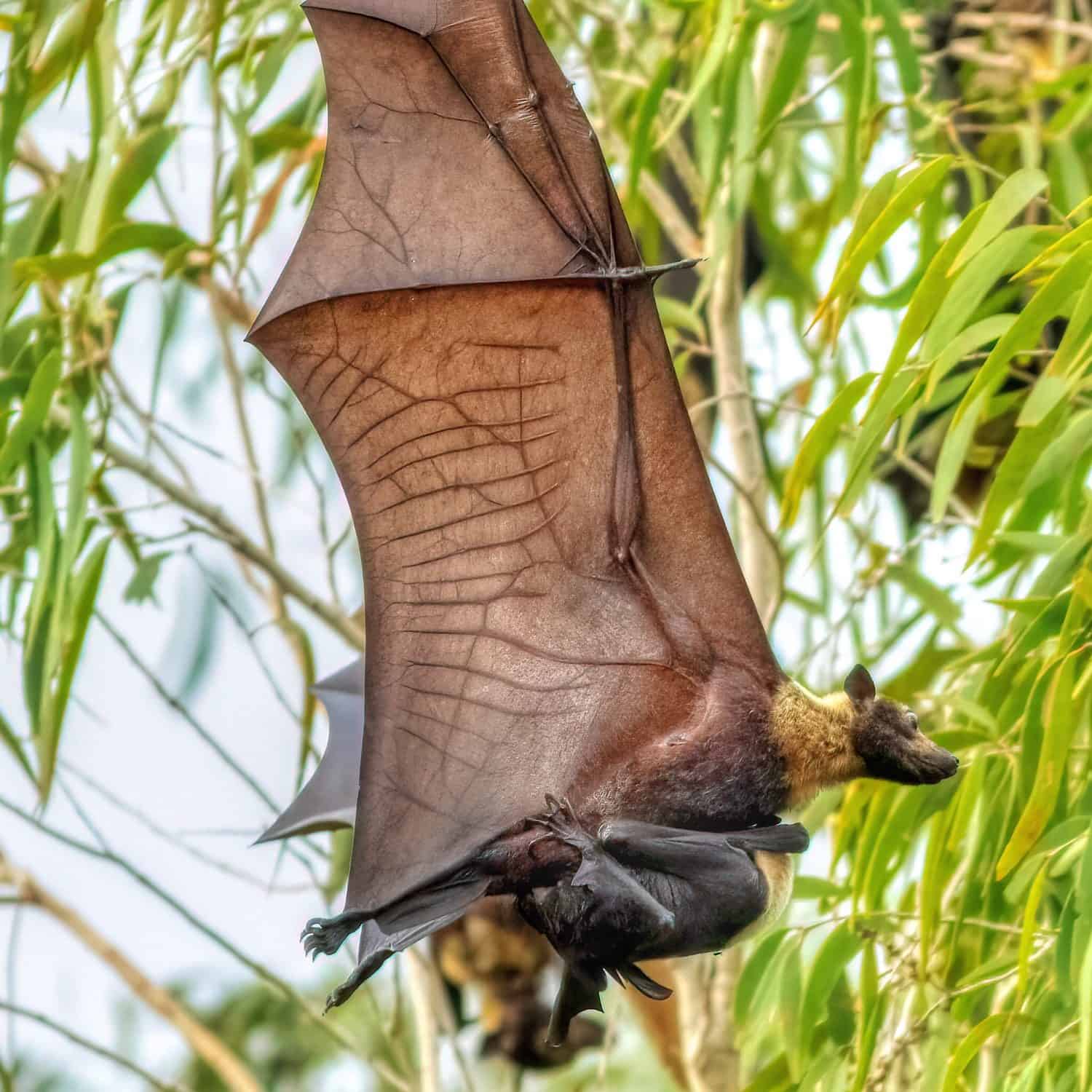
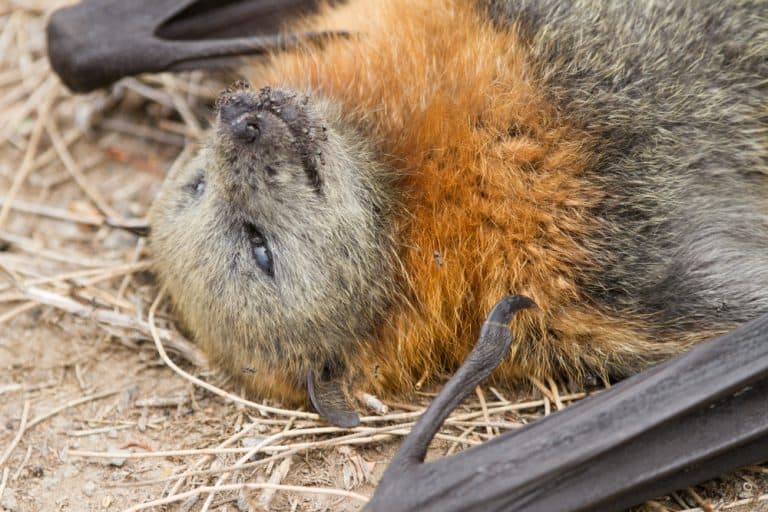
For roughly the first month of a spectacled flying fox’s life, it clings to its mother.
©David G White/Shutterstock.com
When they grow up, these bats become essential pollinators and keep pest populations under control. Their role in Australia’s food chain is irreplaceable. Researchers have watched a 75% decrease in their numbers over the last two decades. This has already had drastic effects on the environment, including reduced forest regeneration and seed dispersal. The health of their ecosystems also feels this loss, with an imbalance between species and the plants they depend on.
“Bat bassinets” might not save the species as a whole. But for the spectacled flying foxes that have been rescued, they will ensure their future generations have the mother-pup bond that nature intended.