
Quick Take
- Jackie and Shadow are a bald eagle pair that live year-round in the Big Bear Valley of the San Bernardino National Forest in California.
- They have been laying eggs in the same nest since 2019.
- Their efforts are captured on two nest cameras installed and maintained by the group Friends of Big Bear Valley.
- In 2026, the pair’s nest was attacked by ravens, and both eggs were lost. There is hope they will lay another clutch yet this year.
For Jackie and Shadow, a long-time bald eagle couple living high up in the treetops of the San Bernardino National Forest, nest cam is part of their daily routine—even if they don’t realize it. A live stream of their attempts to hatch and raise offspring has been in place since 2018, courtesy of Friends of Big Bear Valley.
Since the livestream’s launch, millions of viewers from around the world have been privy to the process of bald eagles tending eggs and attempting to raise their young in the unpredictable—and sometimes harsh—conditions of Big Bear Valley.
Meet the Most Popular Eagle Couple In America
Big Bear Valley has long been a seasonal destination for bald eagles. They migrate from points farther north to nest and raise their young. Bald eagle activity in the area has been observed and monitored since the 1990s.
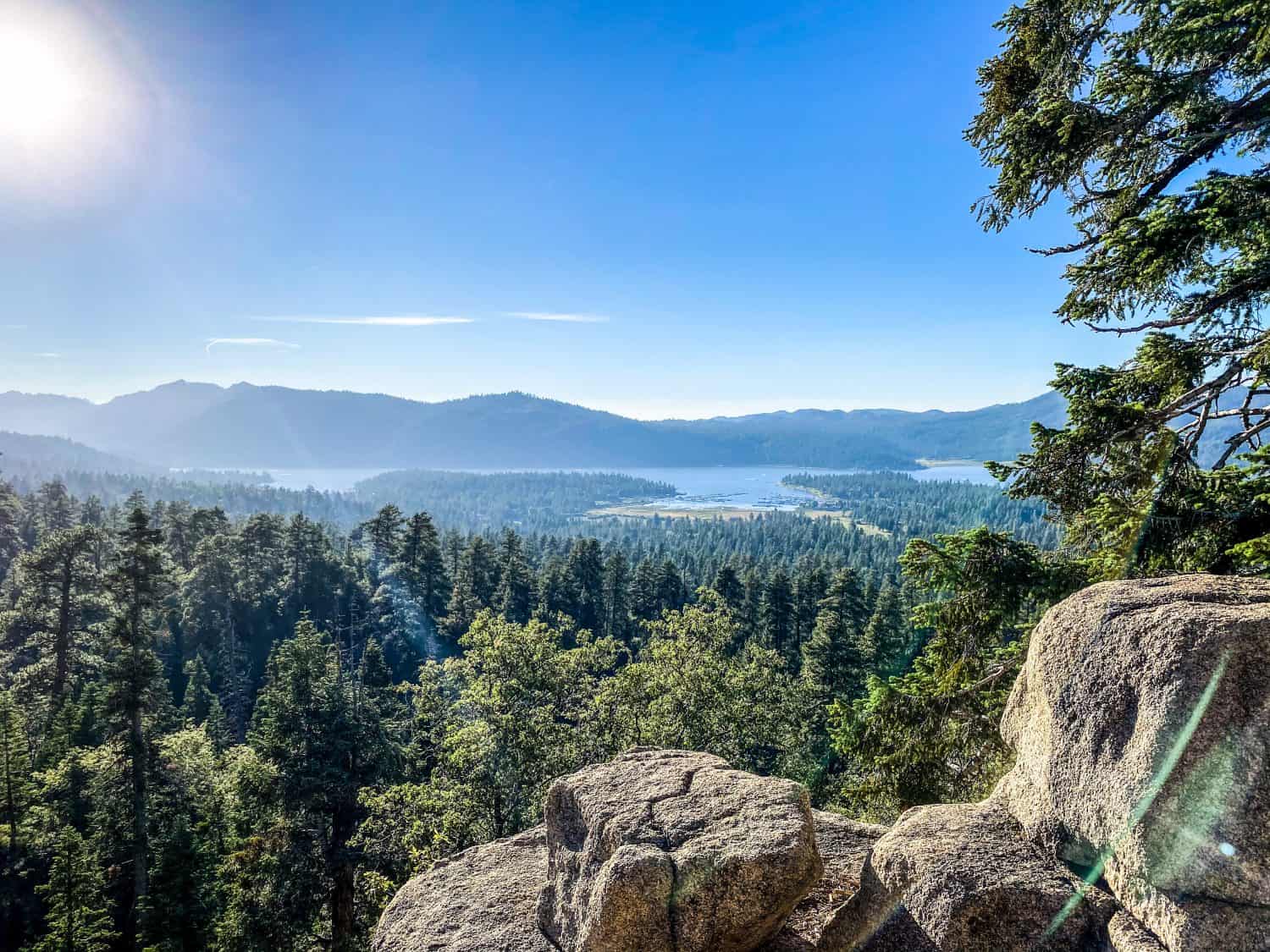
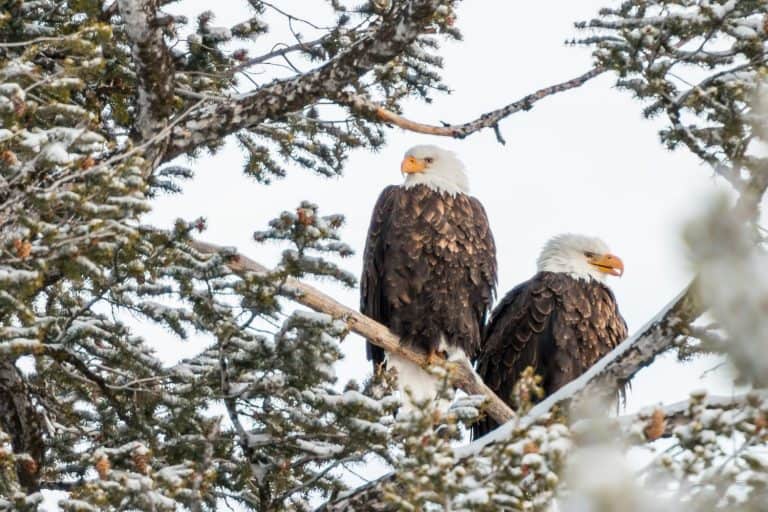
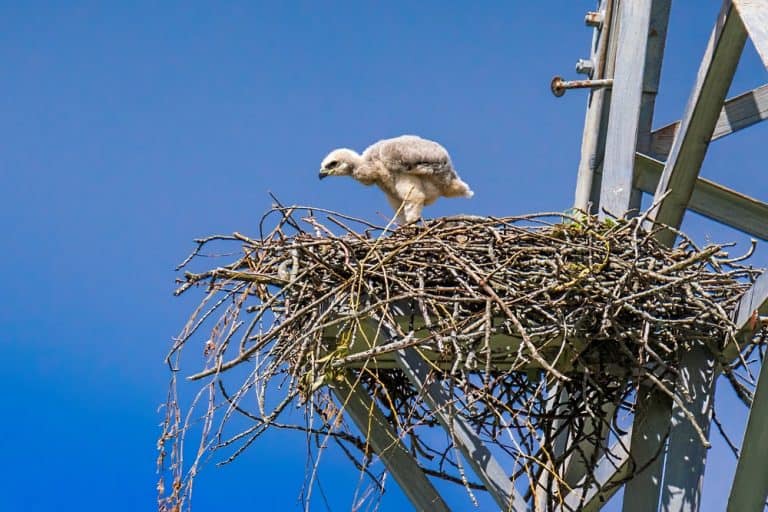
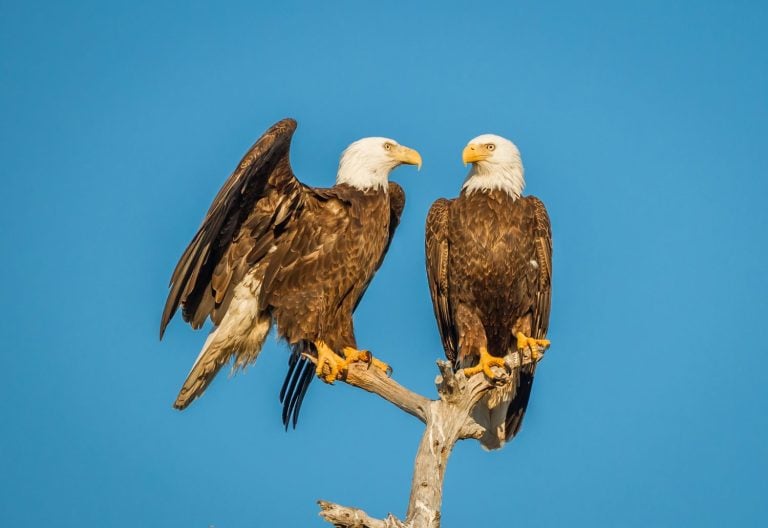
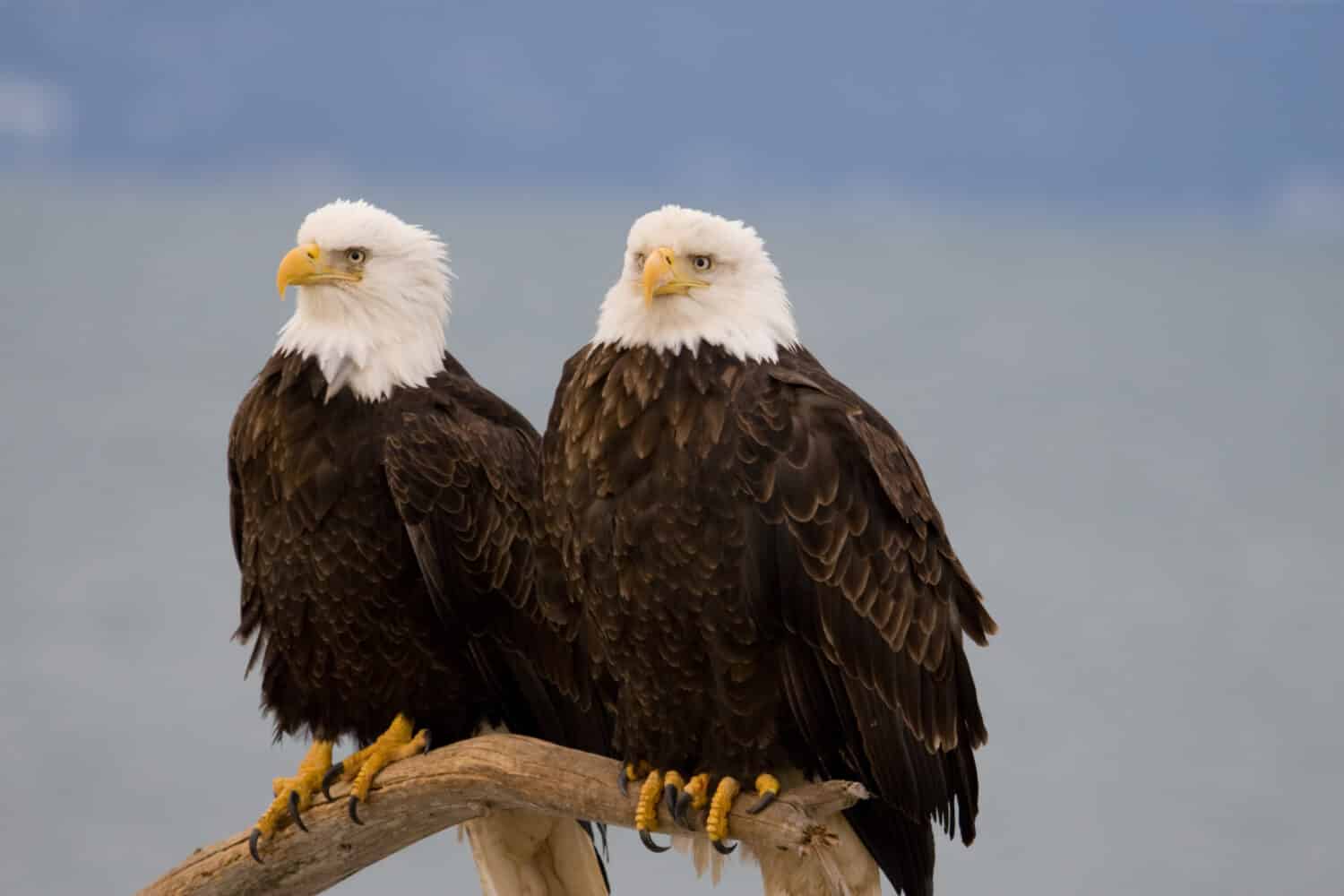
Big Bear Valley is the year-round home for bald eagle pair Jackie and Shadow.
©Heather Marie S/Shutterstock.com
While most breeding couples depart after their eaglets fledge, Jackie and Shadow chose a different path after discovering an abandoned nest 145 feet up in a Jeffrey pine within the national forest. The nest they chose happened to be located next to a live-stream camera installed by the Friends of Big Bear Valley to monitor an earlier pair of nesting eagles. Jackie and Shadow seemed to really like their new nest and decided to stay. They are the only known year-round bald eagle residents in the Valley.
The Couple’s History on EagleCam
Jackie and Shadow began their journey to start a family in 2019, the first year they were captured on the nest cam. In 2019, two of the pair’s eggs successfully hatched. One eaglet, named Samba, survived and successfully fledged the nest in July of that year. The pair were unsuccessful in 2020 and 2021, but successfully hatched one egg in 2022. That eaglet, named Spirit, fledged in May.
But Jackie and Shadow’s global popularity didn’t explode until 2023 when unprecedented winter weather descended on the Valley. Despite extreme storms that dumped 45 inches of snow at a time in the area, Jackie and Shadow still gave parenthood a go. While they were unsuccessful at hatching any eggs that year, their perseverance captured the world’s attention. The following year also met with disappointment. Despite the pair having three eggs, none hatched.
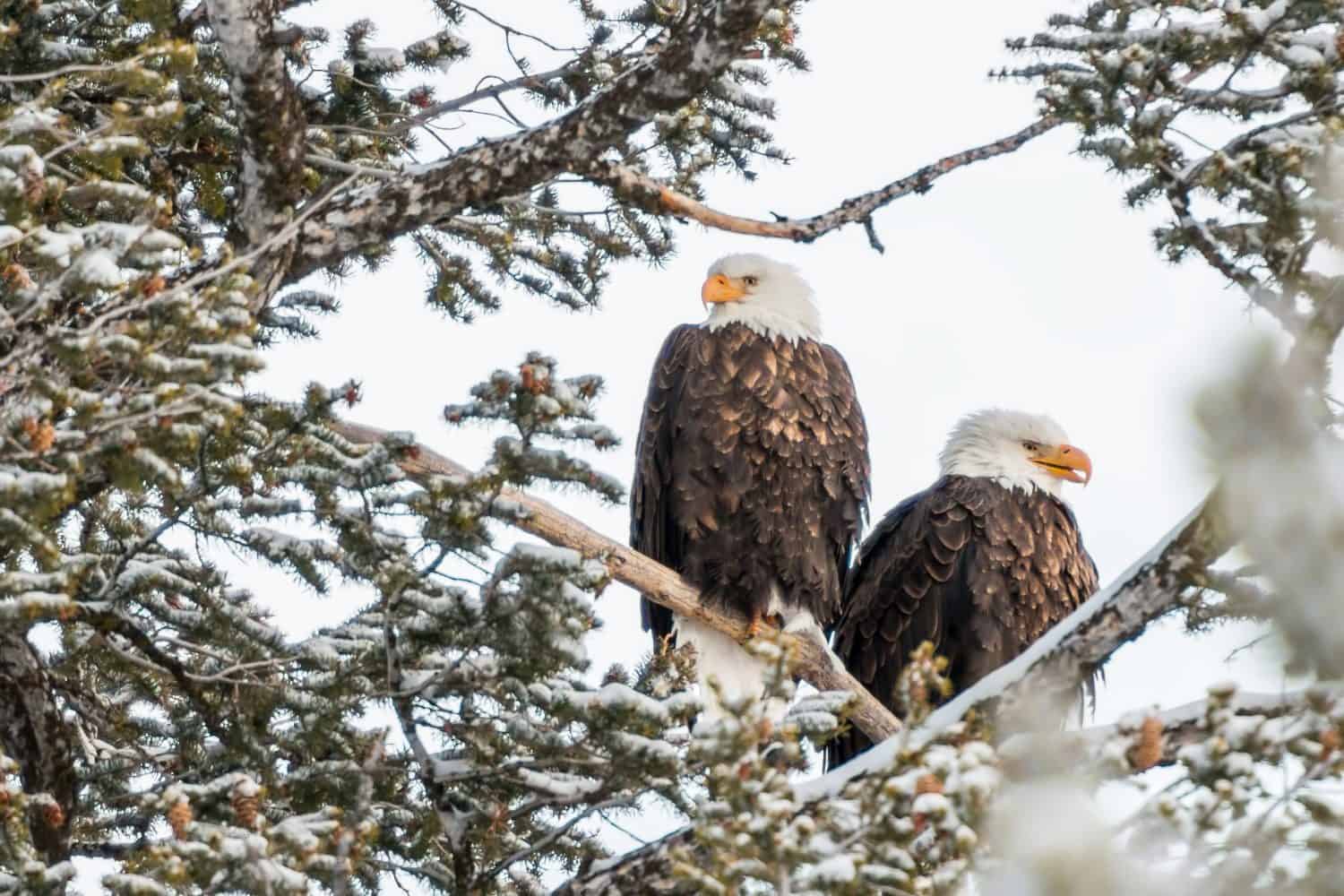
Extreme winter weather is always a threat to the many bald eagles that try to raise young there.
©FloridaStock/Shutterstock.com
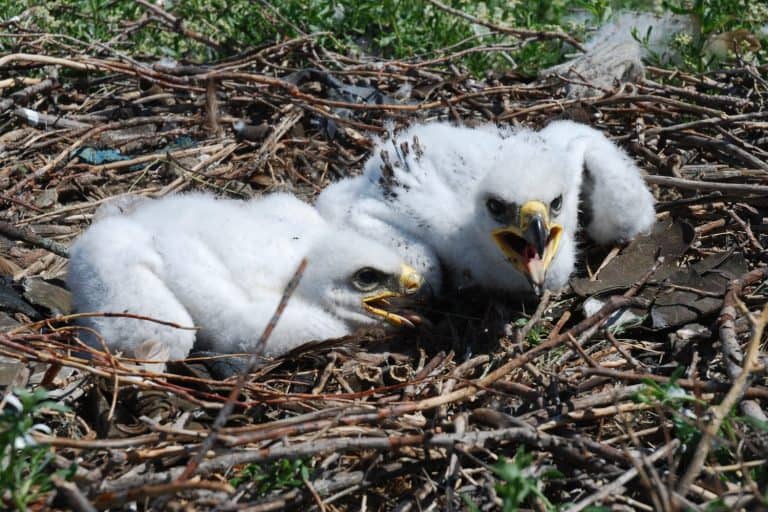
2025 finally brought Jackie and Shadow better results. The pair successfully hatched three eggs that year. While one chick died during a storm, two survived. The eaglets were named Sunny and Gizmo and fledged in June of that year. Their names were chosen through a naming contest held at Big Bear Elementary School that garnered more than 54,000 submissions.
2026 started on a positive note. Jackie laid two eggs in the pair’s treetop perch in late January. Unfortunately, Friends of Big Bear Valley reports that on January 30th, ravens attacked the nest while Jackie and Shadow were away. Both eggs were destroyed.
On their blog, Friends of Big Bear Valley noted they were unsure why the eagles left the nest unattended, which is not something the pair usually does. The organization is hopeful Jackie may lay additional eggs this season. They note the pair have shown signs of preparing for another clutch. If they do mate again, it is likely Jackie will space out the laying of the eggs as she has done in the past.
Why Bald Eagles Don’t Lay All Their Eggs at the Same Time
Eagle eggs require a lot of physical energy and nutritional expenditures by the female. The eggs are also quite large. Laying the eggs over several days gives mom a chance to recover after each egg and prepare for the next one. Once the eagle starts laying eggs, some eagles will start incubation once the first egg is laid. Others wait until more or all the eggs are in the nest. According to Friends of Big Bear Valley, it comes down to personal preference for each breeding pair.
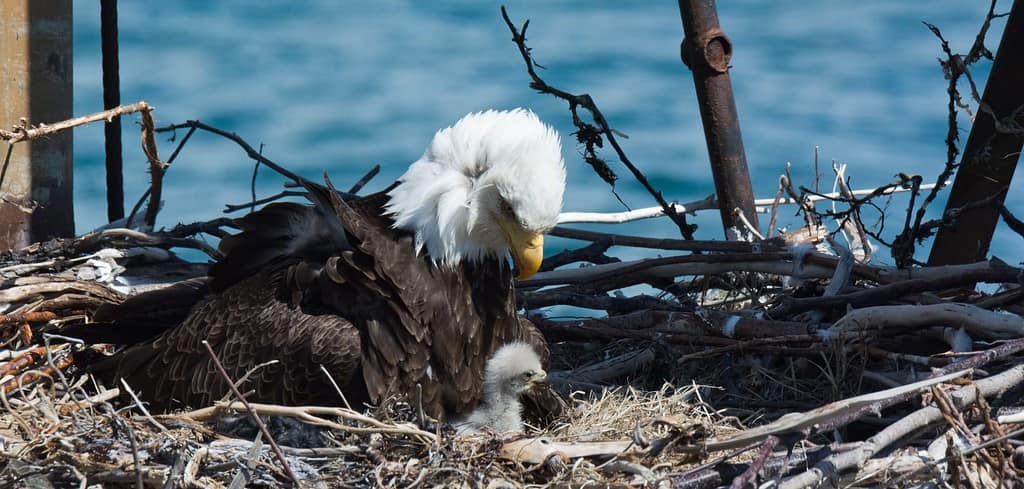
Female bald eagles lay each egg a few days apart. The parents will sometimes wait to begin egg incubation to ensure all eggs hatch at about the same time.
©Jon C. Beverly/Shutterstock.com
They explained the phenomenon in a 2025 Facebook post, “Many bald eagles do not incubate the first egg right away, delaying development so that their chicks hatch closer together. The main idea behind this evolutionary adaptation is to ensure that younger chicks have a higher chance of survival while competing with their older siblings for food and shelter.”
When eagles choose to wait, it’s a process called delayed incubation.
What Is Delayed Incubation?
Delayed incubation is the process in which a bird lays its eggs sequentially rather than all at once, then waits to begin incubation. The bird may choose not to sit on any of the eggs at all until the final egg is laid. Other times, they may start incubation mid-way through the laying process.
Since egg development doesn’t begin until incubation starts, this is the bird’s way of synchronizing the development of all the eggs in the nest. The process works because freshly laid eggs can exist in a suspended development state for days or even weeks, according to Friends of Big Bear’s social media post. For Jackie and Shadow, delayed incubation is a normal part of their parenting strategy.