
Quick Take
- The delisting decision hinges on threat elimination or control, not guaranteed long-term security.
- Post-delisting requires a monitoring period of at least 5 years tailored to the species’ threats.
- Most protections persist under other federal laws, including the Eagle Act and MBTA, for bald eagles after delisting.
- Read on to discover the potential complications after a species is delisted.
When a species comes off the Endangered Species Act list, is that the end of the story? No. While a win is a win, it’s never the end; responsibility for these species often shifts to states, Tribes, and local partners, who must now ensure the species’ continued prosperity.
Removing an animal from the Endangered Species Act list means the threats facing it have been reduced enough, but it never means those threats are gone forever. What happens if the original threat returns in a new form, or if a different pressure arises—such as habitat loss, changes in competition within the ecosystem that affect food supplies, or a sudden change in human interaction with the species? What happens after delisting, when animals move from endangered to recovering status?
What Is Delisting?
Delisting is not necessarily a complicated process, but it has a broader scope than many realize. It essentially means a species is removed from the federal lists of endangered and threatened wildlife and plants, usually because agencies conclude it no longer meets the legal definition of endangered or threatened.
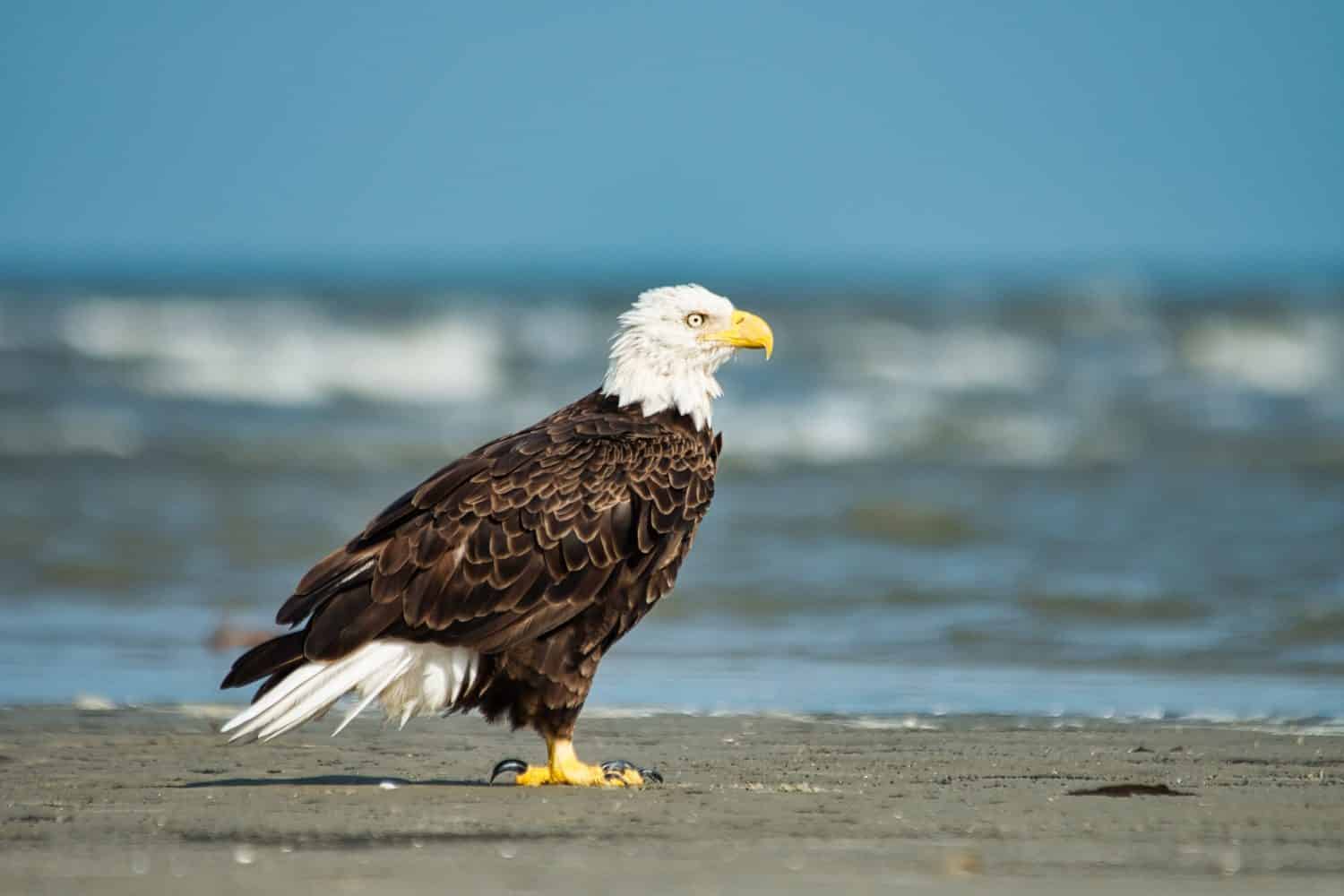
Bald eagles were once on the brink of extinction, but the Endangered Species Act list helped save them.
©Joseph Scott Photography/Shutterstock.com
The U.S. Fish and Wildlife Service lays out that same idea in its plain-language overview of delisting. However, it makes a point that people often miss: delisting is tied to whether certain threats are eliminated or controlled, not whether the species is safe forever. That’s why a number of things can change after a species is delisted.
What Changes After Delisting?
When ESA protections lift from any particular animal, the big shifts are practical and noticeable.
First, ESA-specific restrictions and requirements change. The prohibitions and other protections that once applied to a listed species are no longer triggered in the same way once it’s delisted, which is part of the reason post-delisting plans exist in the first place. Monitoring becomes the norm, rather than enforcing these protections.
Second, the federal consultation aspects involved can change. Much of the ESA’s power lies in how it requires federal agencies to consider impacts on species before taking action. Once a species is delisted, the consultation obligations tied specifically to that species generally change, unless other listed species or legal triggers are involved.

Peregrine falcons are another delisted species, but they still have protections.
©DawnKey/iStock via Getty Images
Third, management often shifts to state or local authorities rather than the federal government. This transition can be complicated, especially since states have different wildlife rules and regulations. Once a species is removed from the list, its protections can change dramatically.
What Protections Still Apply?
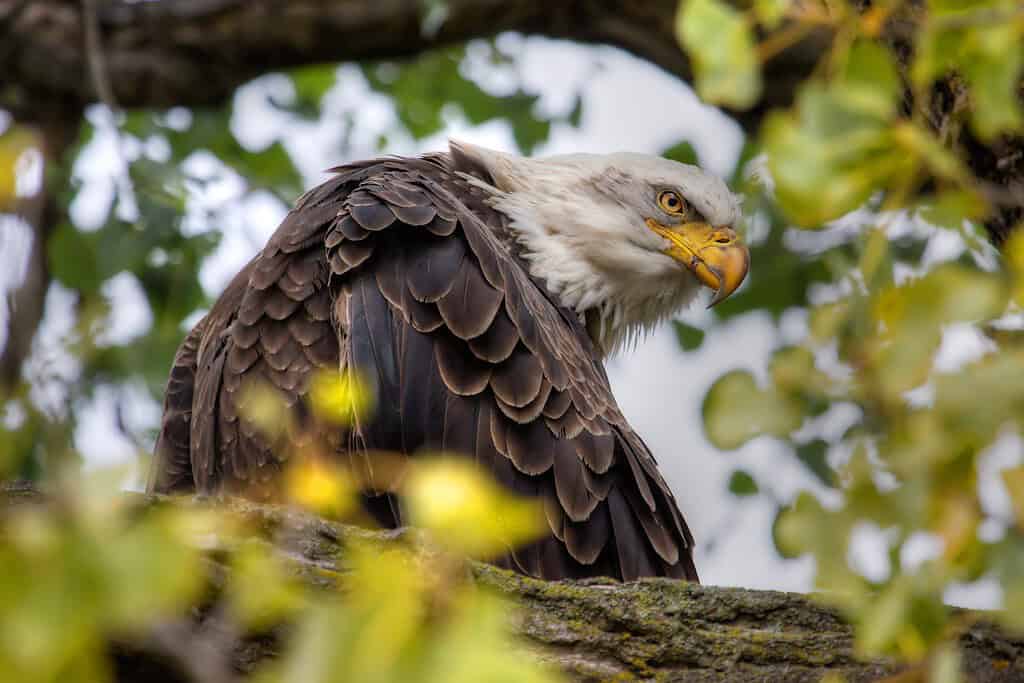
While delisting means there are far fewer protections for the animal, it does not mean there are none. For example, many species remain covered by other federal laws that have nothing to do with their former ESA listing. Bald eagles are a classic example of this. When the eagle was delisted in 2007, the Fish and Wildlife Service emphasized that eagles would still be protected under the Bald and Golden Eagle Protection Act as well as the Migratory Bird Treaty Act, which continue to restrict harming or disturbing eagles, their nests, and their eggs.
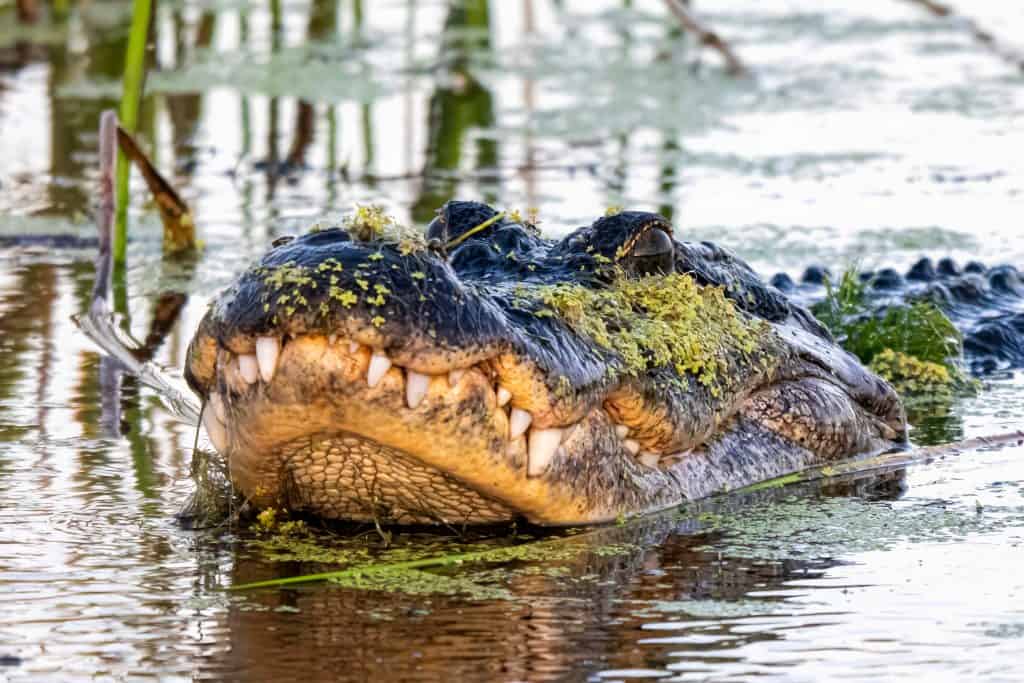
American alligators have additional protections after their delisting, given their similarities in appearance to other animal species.
©Christopher J Barger/Shutterstock.com
For species involved in international trade, additional rules can make protections more complex, but they often result in increased safeguards. The American alligator is one such example, as the Fish and Wildlife Service continues certain protections. Even after recovery, the alligator remained on CITES Appendix II and is classified as “threatened due to similarity of appearance” in some areas under the Endangered Species Act to help prevent illegal trade in look-alike crocodilians. There are also additional efforts involved in protecting delisted species, but are these efforts sufficient?
Post-Delisting Monitoring of Animal Species
Federal law requires that there be a system put in place to monitor delisted species for at least five years after their recovery-based delisting. The monitoring should be built around the species’ biology and the threats most likely to return so that these threats can be tackled as soon as possible.
Because of this, delisted species can be re-listed if threats emerge or conditions change. Depending on the species, monitoring can manifest in a few different ways.
How Delisted Species Monitoring Works
The specific type of delisted animal can greatly affect the monitoring process. For example, once-endangered bird species are monitored through nest counts, breeding success, migration observations, and structured surveys. Bald eagle monitoring, for example, was designed to detect meaningful changes in occupied nests over time, using repeated surveys that helped outline the extent of their breeding.
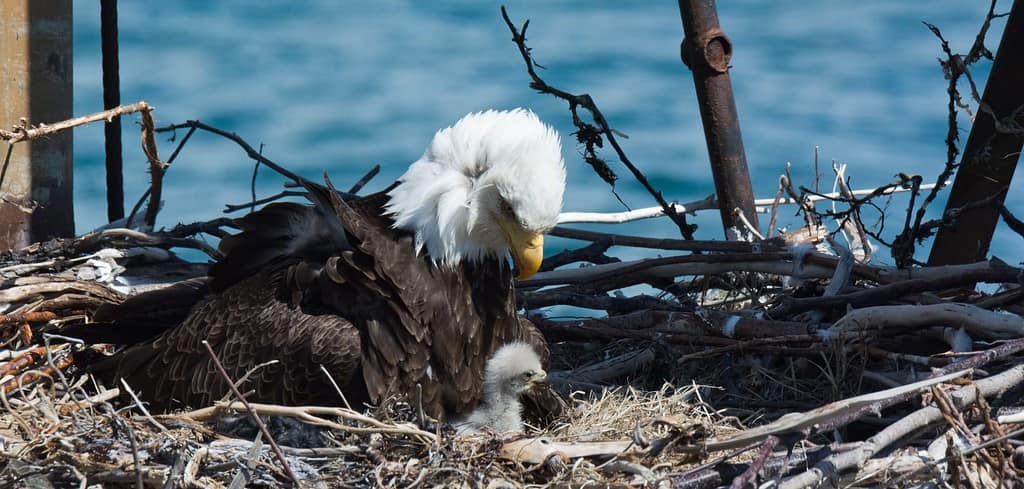
Monitoring bald eagles after their delisting was crucial to their continued success.
©Jon C. Beverly/Shutterstock.com
For other species, especially those that do not migrate across multiple states, monitoring focuses on the original threat to ensure it remains controlled. It also tracks new and potentially associated risks, such as habitat shifts or increasing human conflict zones, as human expansion can be a driving factor for endangered species.
Conservation-Reliant Species and the Delisting Process
Many species do not easily recover to the point where they can be left alone and unmonitored. Their survival depends on continued human intervention, such as habitat management, threat control, breeding support, or maintaining regulations to prevent further decline.

Some animal species will still need conservation efforts from us, even after their delisting.
©meunierd/Shutterstock.com
Conservation law scholar Dale Goble detailed this process in his work on conservation-reliant species, arguing that some species can meet recovery criteria but still depend on continued management to remain recovered. Some animals are perfect examples of this.
Post-Delisting Examples and How We Continue to Monitor Them
There are multiple animal species that have been delisted from the ESA list, but these animals are not safe forever. Here are some classic examples and how their delisting differs depending on the species.
Bald Eagle
The Fish and Wildlife Service stated that, at their delisting, eagles would retain specific protections under the Eagle Act and MBTA. The species also had structured post-delisting monitoring, as this bird is ultimately too important to the United States to ignore.
Peregrine Falcon
Peregrines are similar to bald eagles in that they remain protected under the MBTA after their delisting. There is also ongoing stewardship for these birds, especially given the fact that their typical threats aren’t shifting as much as experts predicted.
American Alligator
Because the American alligator is often mistaken for other species in wildlife trafficking, additional protections and monitoring are in place, especially in states where alligators are common.
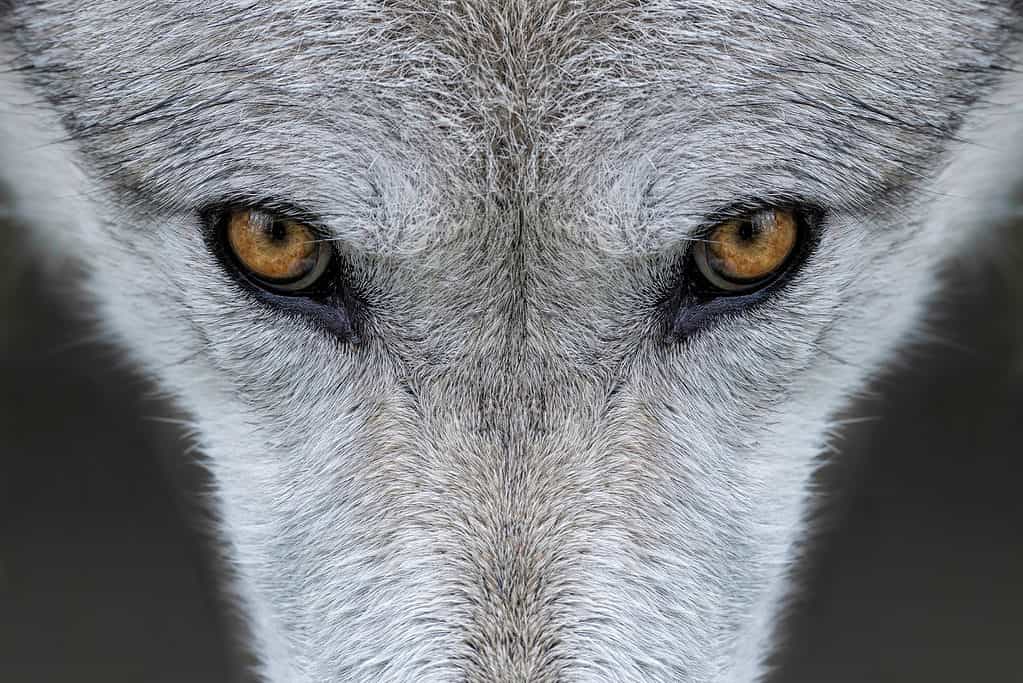
The gray wolf remains one of the most controversial animals to be only vaguely delisted and requires consistent management efforts.
©iStock.com/gnagel
Gray Wolf
Wolves are a classic example of how management and legal status can change. As of December 2025, the U.S. House of Representatives has passed a bill to remove gray wolves from federal Endangered Species Act protections nationwide, though the final status may depend on further legislative action and potential legal challenges. The legal and management status of gray wolves remains highly controversial and subject to change.
Kirtland’s Warbler
The American Bird Conservancy described the warbler as conservation-reliant and noted it needed continued management in its statement on delisting. While a less-discussed species, the delisting of this bird is still important.
Why Some Species Decline After Delisting
While conservationists always hope for the best, not every animal remains delisted from the ESA. Several factors can contribute to a species’ decline and potential re-listing. If the original threat is completely eliminated, recovery is usually more stable. However, if the threat is only managed, recovery remains fragile, especially if funding or political support decreases.
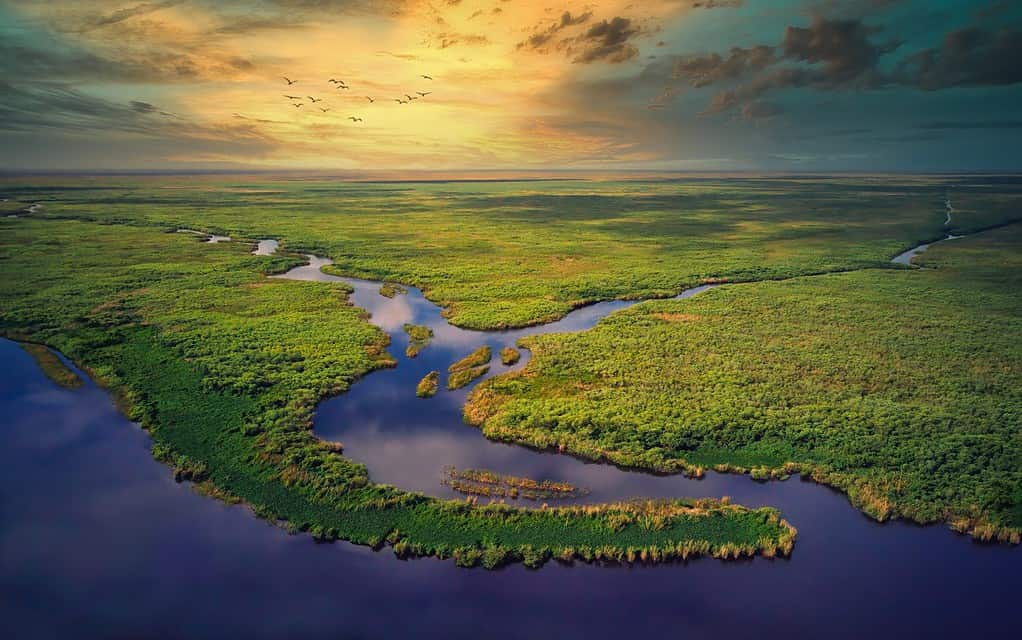
Threats to habitats can greatly affect delisted species, and may lead to their re-listing.
©ocudrone/Shutterstock.com
Habitat also matters. A species can meet its recovery goals but still be at risk, especially if its habitat is limited or fragmented. Even simple changes, such as longer droughts or an increase in predator populations, can devastate recently delisted species.
Coordination among departments and organizations is essential. Post-delisting management requires collaboration; if monitoring becomes inconsistent or response times slow, problems can escalate before anyone notices, potentially leading to the re-listing of certain animals.
Why Ongoing Species Management Matters
Delisting is important for many animal species, but it is not the end of the process. Conservation efforts, monitoring, management, habitat protections, and consistency must continue, and both federal and state organizations must remain vigilant.
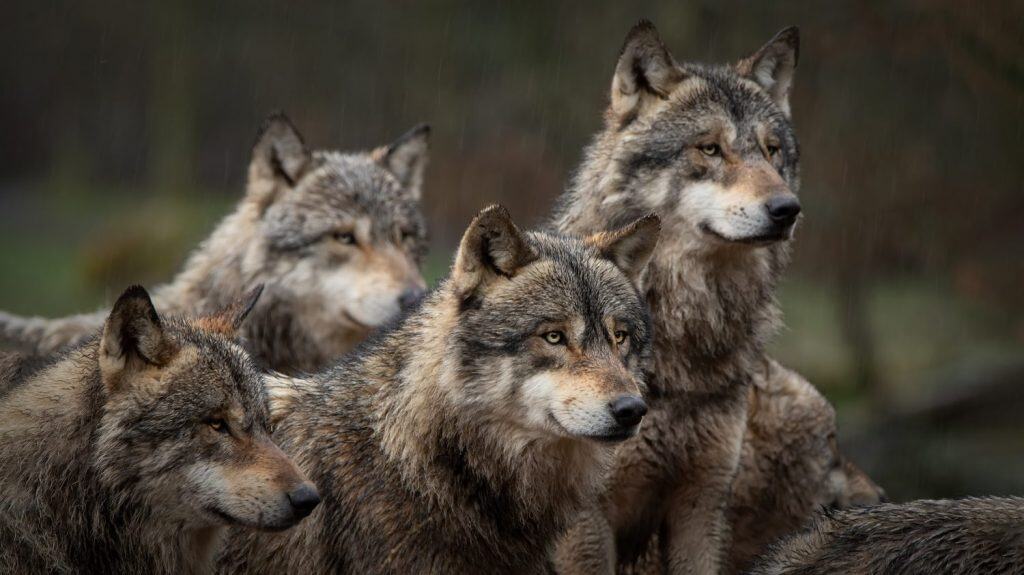
Continued management of delisted animal species matters, even if their populations appear stable.
©Pat-s pictures/Shutterstock.com
Regardless of the species, being delisted from the Endangered Species Act is not a guarantee of permanent safety. It simply means their populations have stabilized for now, and ongoing efforts are still needed to protect them.