
Quick Take
- Every Oregonian may face a 2026 vote on IP28, a proposed initiative that would mandate a ban on all slaughter and hunting of animals in the state, if it qualifies for the ballot.
- IP28 applies the existing legal definition of animal, which already includes fish, to remove exemptions for hunting and fishing.
- The proposed criminal law rewrite turns current wildlife conservation management strategies into illegal and criminal harm.
- Petitioner David Michelson confirms that a Humane Transition Fund is included to support economic and job transitions away from meat-based trades.
Oregonians may have a crucial, controversial vote to make in November of 2026. Initiative Petition 28 (IP28) is a proposal that rewrites the state’s animal-cruelty code in a way supporters say will end hunting, fishing, slaughter, and a great deal of animal experimentation, including unethical breeding.
There are both supporters and opponents of the bill, and its details have sparked significant debate. This is largely because IP28 is not a narrowly focused hunting bill; if it passes, it would create a system-wide change in how Oregon defines and prosecutes criminal harm to animals.
To better understand this bill, we interviewed chief petitioner David Michelson for more clarity. (As an Oregon resident, I am deeply interested in this topic.) He frames the intent of this bill in absolute terms, reporting that, “IP28 prohibits the intentional injury, killing, and breeding of all animals in Oregon, which includes a ban on slaughter, hunting, and experimentation.”
Here’s what IP28 means for Oregonians, should it pass, as well as how Oregonians are reacting to this divisive bill.
What Is IP28?
Oregon law already defines an animal as any nonhuman mammal, bird, reptile, amphibian, or fish, and IP28 would apply this definition to remove exemptions for hunting and fishing. This definition matters more than the average person thinks, as it places fish and wildlife inside the same framework as other animals. Fishing has become central to the debate of this bill, as it includes an animal that most animal protection bills don’t consider, and fishing is at the heart of many Oregon industries.
The measure’s main goal is to alter the laws that currently prevent many intentional harms from being treated as crimes. According to Oregon Public Law, there are multiple categories of conduct that are exempted from certain cruelty provisions. IP28 hopes to narrow those categories to help animals across the state.
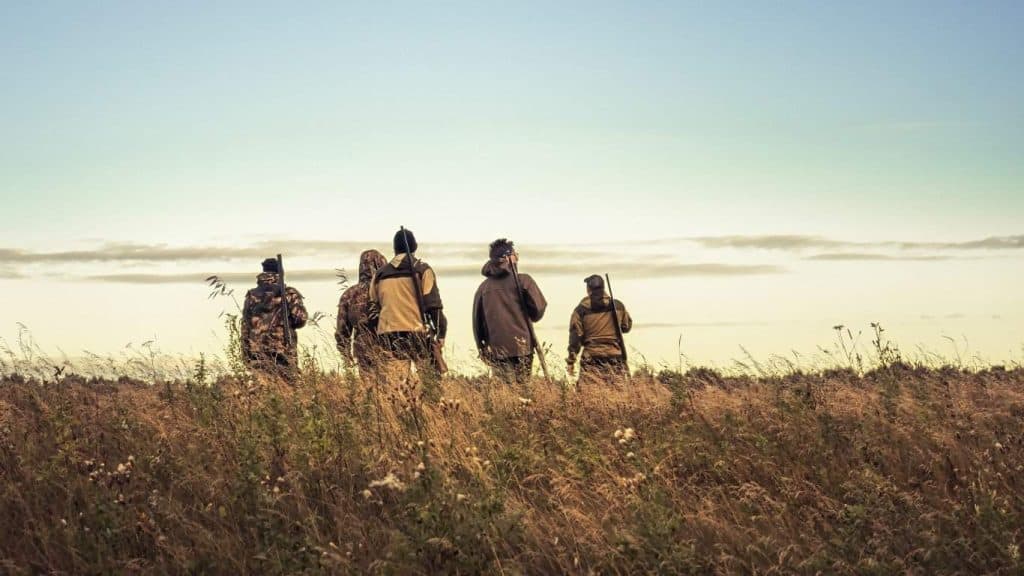
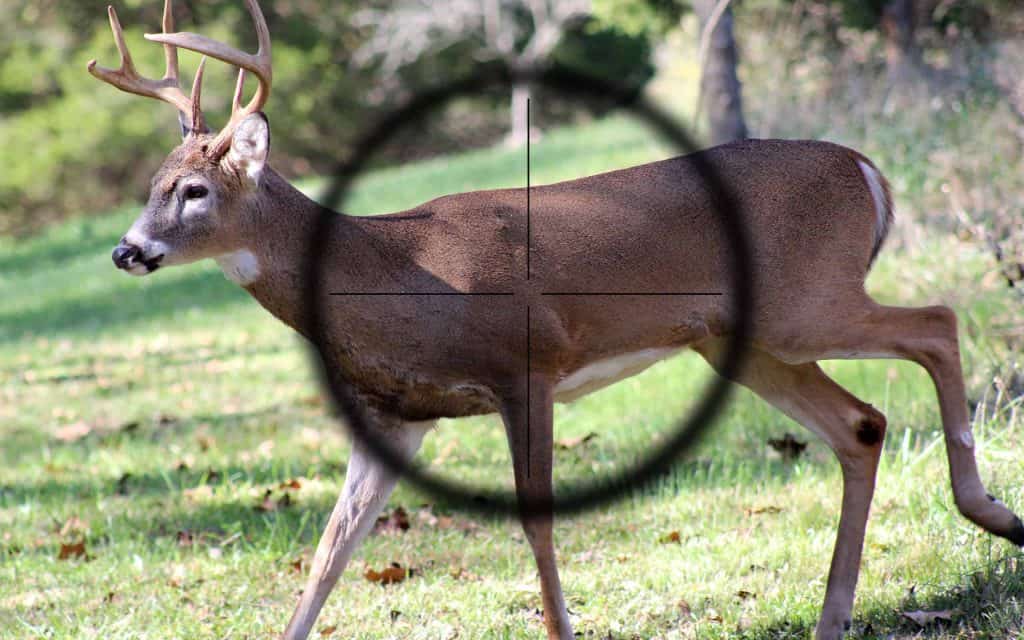
Hunting and fishing in Oregon may be altered forever by IP28.
©splendens / iStock via Getty Images
Michelson describes the problem as a gap between the definition of abuse and what Oregon routinely permits, stating, “Animal abuse is initially defined as the intentional, knowing, and reckless injury or killing of an animal.” The exemption list is the legal methodology that turns many real-world animal harms into non-crimes.
However, given that this bill may change the lives of many Oregonians, you can imagine the criticism building so far. Here’s what we’ve gathered about how Oregonians feel about the bill, with tempers running high.
IP28 prohibits the intentional injury, killing, and breeding of all animals in Oregon, which includes a ban on slaughter, hunting, and experimentation.
Chief petitioner David Michelson
Controversies And Criticisms Surrounding IP28
IP28 is drawing a great deal of fire because it is written as a criminal-law rewrite rather than a narrow policy change. Critics argue that broad statutory language can spill into other necessary areas, with local reporting by KPTV mentioning that the measure threatens multiple industries at once. These industries include agriculture, research, restaurants, and even pest control, as the bill narrows legal killing to a very small set of circumstances.

There are multiple criticisms of IP28 across multiple Oregonian industries.
©krakenimages.com/Shutterstock.com
One of the biggest controversies is actually rooted in conservation management. Groups opposed to the measure argue it would remove lethal control even when agencies say it is necessary for invasive species and disease responses. The Oregon Hunters Association frames this bill as taking an entire animal management strategy away, while Oregon’s own wildlife planning materials show how often the state treats invasive control as urgent, high-stakes work, often requiring some lethal methods.
Additionally, tying legal killing to immediate harm creates uncertainty for farmers, homeowners, and even small businesses dealing with chronic pest problems or persistent wildlife encounters in rural areas. Even the American Kennel Club is urging Oregonians not to sign the petition, as IP28 could reach beyond hunting and farming into areas like dog breeding and some training practices.
The Mixed Signals of IP28
Each side of this bill is currently accusing the other of mislabeling what the bill does. Supporters frame IP28 as a bill for closing loopholes in Oregon’s cruelty law, and advocacy organizations argue in favor of this all-encompassing approach. However, opponents counter that the cruelty exemptions hide the scope of the practicalities involved, as the initiative has the potential to eliminate hunting, fishing, and certain agricultural practices.
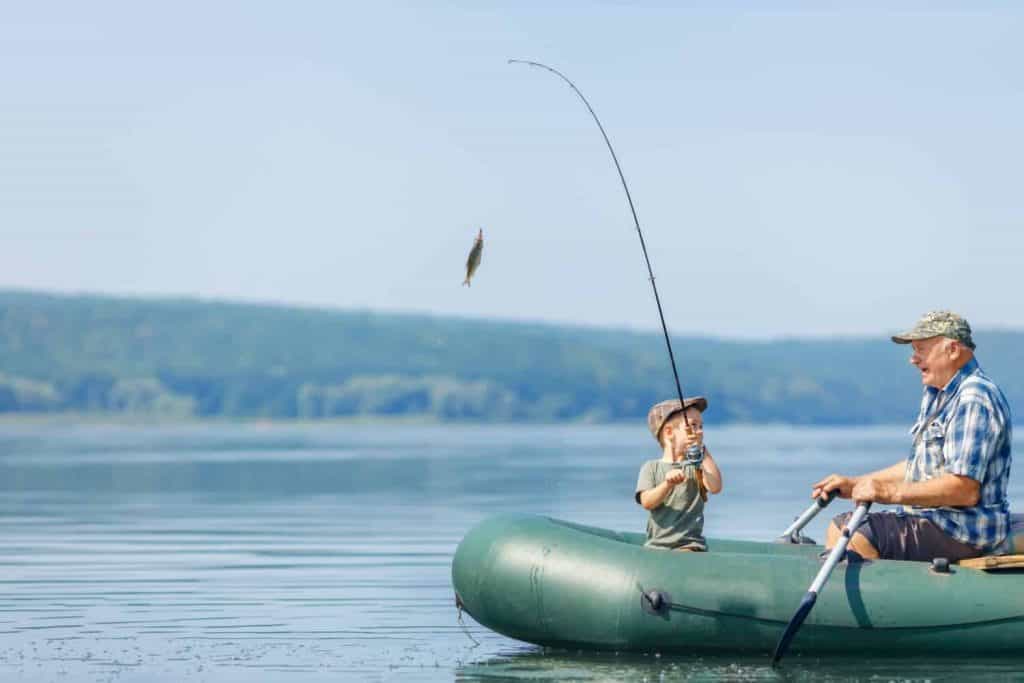
Lethal fishing in Oregon would also become illegal under IP28.
©Alter-ego/Shutterstock.com
Even some people who are sympathetic to animal rights goals criticize IP28 as a bill that will eliminate things too quickly, calling for incremental reform. There appear to be unintended consequences of the bill, even with animal welfare involved. But what more does Michelson have to say about the bill? Here are more of the details in an effort to clear up the controversy.
Exemptions Targeted By IP28
Michelson highlights the animal cruelty actions he believes are most damaging, which are also the activities most protected by exemption language. Michelson states that Oregon law lists actions that are exempt from cruelty codes, with ‘the killing of so-called livestock, hunting, and scientific research’ making up the bulk of legally permitted harm.

The killing of livestock would be outlawed in Oregon by IP28.
©Dusan Petkovic/Shutterstock.com
The exemption structure of the bill is the mechanism that decides what the state treats as cruelty instead of allowed conduct; IP28 is built to move that boundary, which is the crux of the controversy.
Would Hunting and Fishing Become Illegal In Oregon?
Michelson’s answer to this question is direct: “Intentionally injuring and killing fish and other wild animals is largely prohibited if IP28 passes. This bans hunting and fishing.”
Supporters describe the measure as closing the lawful hunting and angling channel by removing the shield that currently keeps those acts from being prosecuted as animal abuse. However, opponents argue that this same language risks criminalizing more aspects of recreation and industry than voters expect.
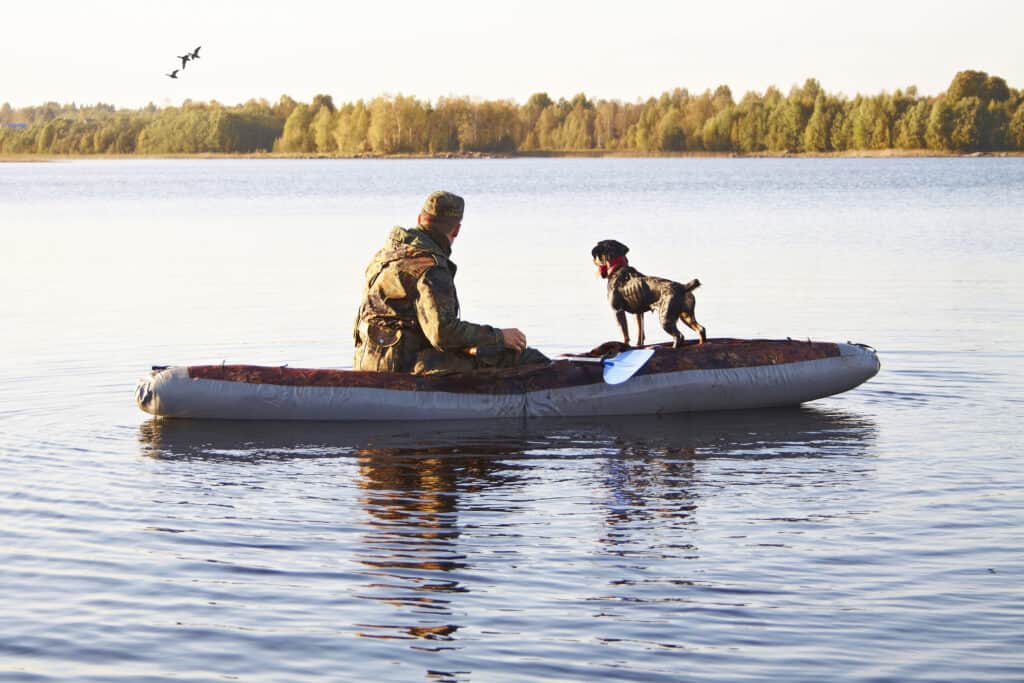
Hunters that use boats should follow all regulations and be conscious of risks associated with using boats while hunting.
©Moroz Elena/Shutterstock.com
Hunting and fishing are vital industries in Oregon. In fact, in 2024, an estimated 9.6% of Oregon’s license-buying population (ages 12-69) participated in hunting, and about 1 in 6 of this group participated in fishing. Should hunting and fishing be eliminated, the state will likely feel its impact.
What Remains Legal Under IP28
Michelson argues the measure does not outlaw involvement with wildlife, only lethal involvement. He states directly, “It stays legal to engage in non-lethal forms of wildlife management.” When pressed for examples of this, he points to fertility control. He adds, “Some strategies include introducing sterile males into a population or using contraceptives.”
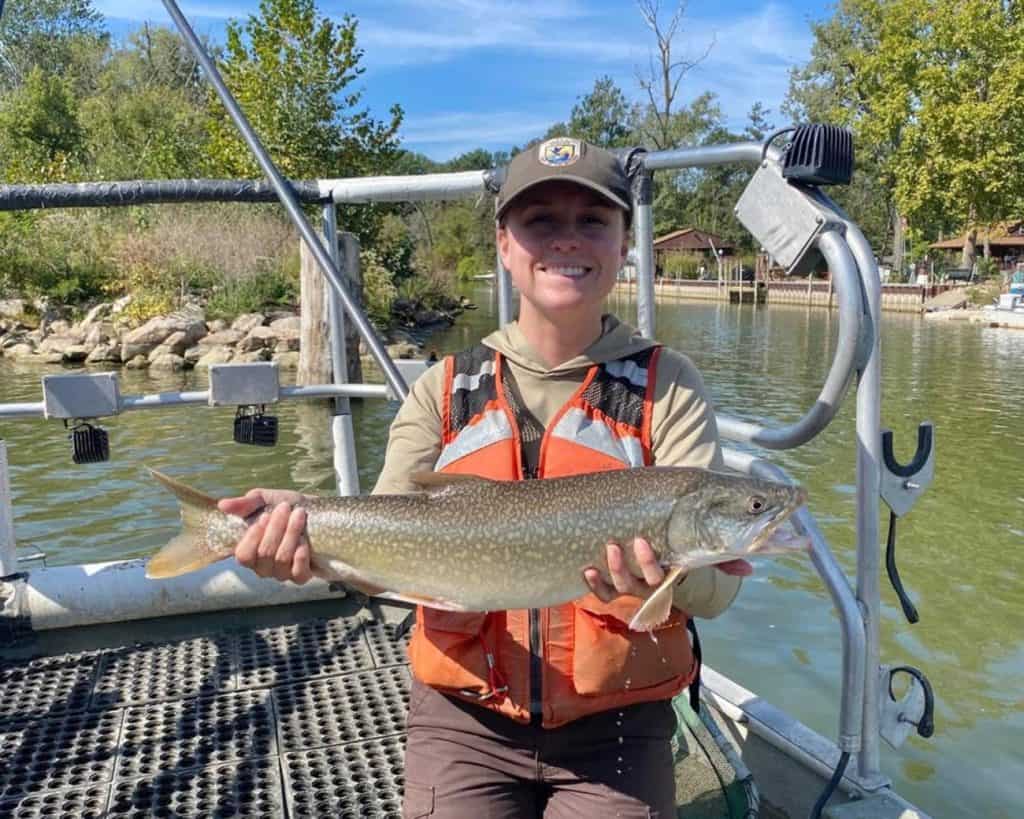
Wildlife conservation efforts may also be altered under IP28.
While nonlethal tools exist, they often don’t scale evenly across species and landscapes, and Oregon’s own conservation materials indicate that intervention must be urgent in some situations. This is part of the reason why opponents worry about removing lethal options as a matter of law; some of Oregon’s ecosystems require swift action as opposed to contraceptive control.
What Happens When Lethal Removal Is Necessary?
Wildlife agency decision-making is at the core of IP28, as it becomes unclear how Oregon’s experts should handle what to do when a lethal removal scenario crops up.
Michelson remains adamant about the bill, stating, “IP28 prohibits the state from authorizing the killing of animals in the wild,” with the bill written to keep lethal removal illegal as an approved strategy. He then narrows what he believes remains permissible, adding, “The only intentional killing allowed is in self-defense or vet-administered euthanasia.”
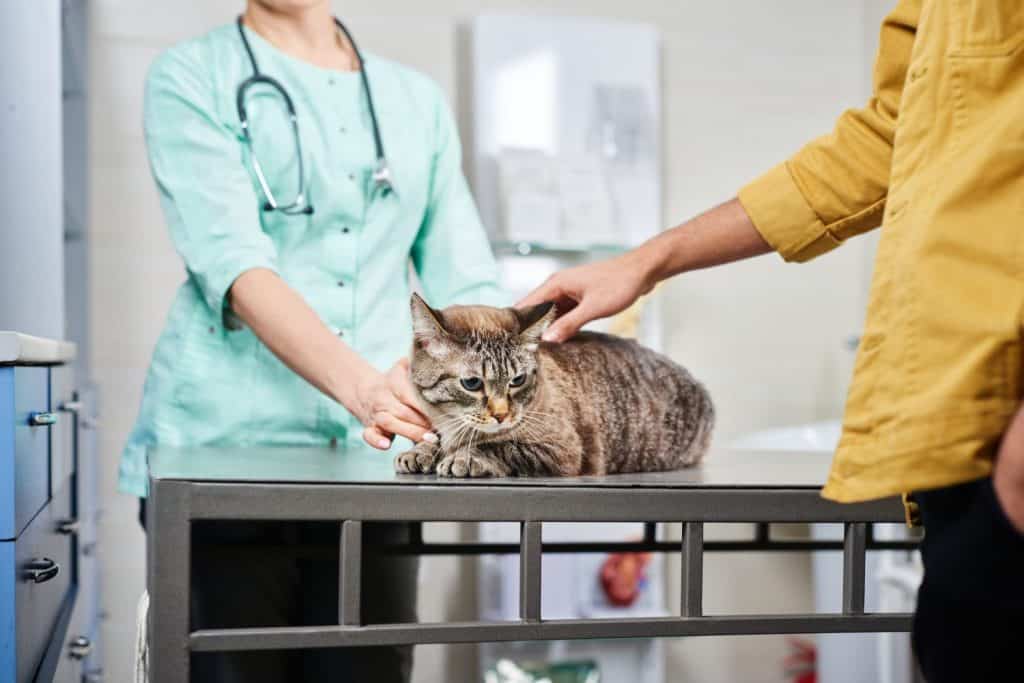
Vet euthanasias will remain legal under IP28.
©Sata Production/Shutterstock.com
Whether voters agree or disagree with this proposal, the measure is designed to restrict both private hunting and fishing, as well as state-authorized killing, even when used as a tool for conservation and other state management goals.
How IP28 Might Alter Ranching, Slaughter, and Food Systems
Michelson notes IP28’s impact on livestock is unavoidable. He says, “IP28 closes down slaughterhouses because it is no longer legal to intentionally kill farmed animals,” describing the measure as forcing a shift rather than encouraging one. “This requires a shift toward more plant-based agriculture.” Michelson points to a transition fund built into the measure, one that will help ease the switch from meat-based trades to plant-based ones.
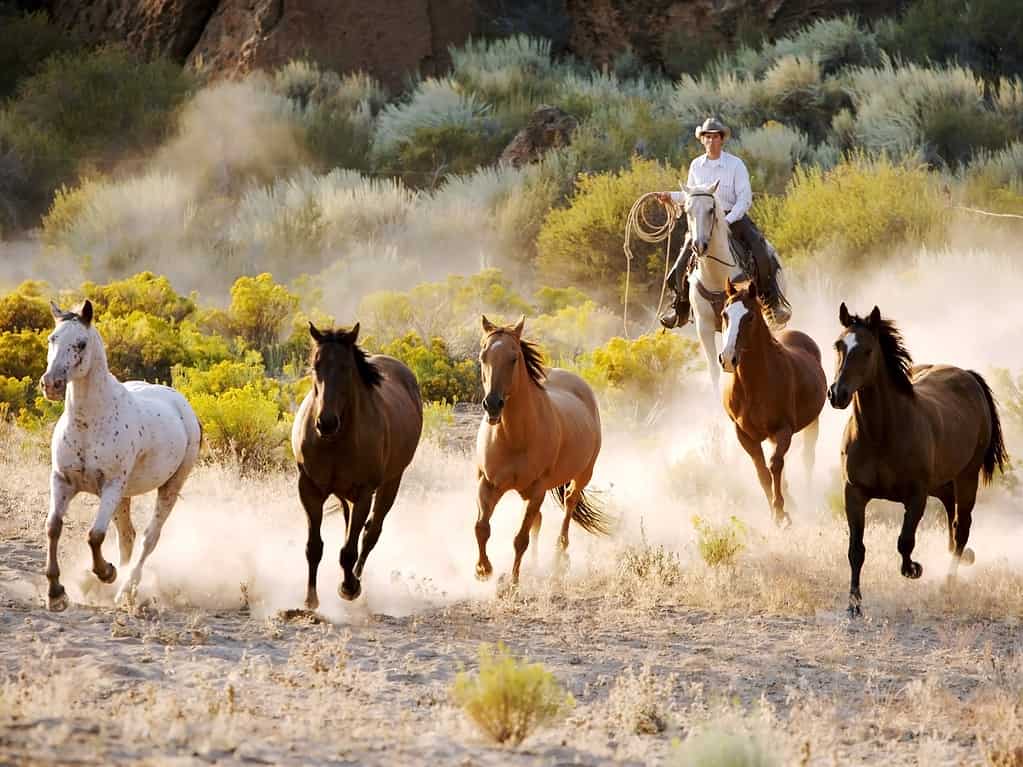
Even ranching practices are set to change under IP28.
©Jeanne Hatch/iStock via Getty Images
Indeed, the measure describes a Humane Transition Fund and an oversight framework intended to support any economic and logistical fallouts, including job transition support and animal-care needs that follow from making slaughter illegal within Oregon. However, the lifestyle changes needed to adapt to this may not be as easily transitioned.
Pest Control Under IP28
Rodents and other common pest control methods also fall under IP28, making the bill all the more frustrating to opponents.
Michelson notes on this topic, “An exception remains for self-defense when injury or killing is necessary to defend against the threat of immediate harm,” but he adds that this does not authorize “indiscriminate killing of rodents out of convenience.” IP28 moves us toward non-lethal traps and contraceptives, according to Michelson, along with other non-lethal deterrence.

Lethal pest control is set to become illegal under IP 28, too.
©Image Source/DigitalVision via Getty Images
While the idea of rodent contraception has been tested and debated in other cities, scaling it up is complicated. The broader policy trend Michelson is hoping for is indeed a possibility, though Oregon voters will still have to decide whether the concept of immediate harm matches how they think about protecting their homes, barns, feed, and food businesses, especially in rural locations with little oversight.
A Key Limitation of IP28
Michelson acknowledges that the measure only reaches animals inside Oregon’s borders. He notes, “IP28 keeps the animals currently in Oregon safe, but it does not protect animals outside the state,” and he describes the long-term goal as one of expansion. Michelson adds, “This is an initiative we bring to states across the country over the long haul.”
If IP28 passes in Oregon, it may spread to other states.
©AdamLongSculpture/ via Getty Images
Because of this, the proposal is getting attention beyond Oregon, as it is framed as a model rather than a one-off, only to be used in Oregon. Supporters hope that, if it passes, IP28 could inspire similar initiatives in other states, but there is no evidence that this will occur. However, only time will tell if this will become a reality in the United States, with Oregon leading the way.
The Bottom Line for Oregon Voters
If IP28 qualifies for the ballot and advances, voters may be deciding whether Oregon should criminalize intentional injury or death to animals, including fish, which would likely eliminate all hunting and fishing in the state. While there are exceptions, these are largely linked to self-defense against immediate harm and veterinary practice, making a popular recreational hobby illegal in Oregon.
Michelson offers these final words in our interview, stating, “IP28 codifies a fundamental shift in how we interact with animals by extending the same protections our companion animals have to all other animals statewide.”

In November, Oregonians will cast a crucial vote for or against IP28.
©Wasan Ritthawon/Shutterstock.com
If passed, IP28 would remove most animal cruelty-law exemptions, so hunting, fishing, slaughter, and many other intentional harms would become criminally punishable in Oregon. While the bill includes provisions for nonlethal management and funding to help ease the transition, Oregon faces a significant decision in November.