
Quick Take
- Experts say the headline-grabbing 'orca attacks' are being widely misread, with the real explanation being stranger than aggression. See why it's not aggression →
- A specific shift in orca population dynamics around 2011 appears to have flipped a behavioral switch, though the connection is not obvious. Explore the population shift →
- One orca may have started this whole trend, and what that reveals about how these animals learn behavior is remarkable. Discover how orcas learn behavior →
- Having too much food turns out to be a surprisingly dangerous thing for juvenile orcas, and the danger extends to anyone sailing near them. See how boredom causes danger →
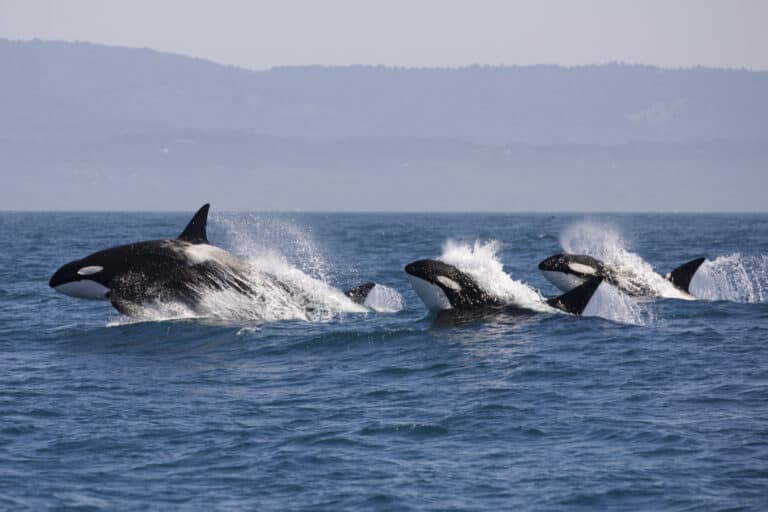
Orcas have been grabbing headlines over the past few years for a very unusual reason. Since 2020, these incredible marine animals have interacted with boats in the Strait of Gibraltar in an intense way. Speculation has mounted over what has been dubbed the ‘orca uprising’, as many ask why these so-called ‘attacks’ on vessels have taken place. Whilst there is no denying the power of these large animals and the damage caused to boat, the intent behind the interactions has been largely misinterpreted. We turned to the experts to explain that there is likely very little malicious intent behind these encounters.
Why Do Orcas Interact with Boats?
No one is exactly sure why orca-vessel interactions have increased. However, there are some very plausible theories put forward by experts. Fluctuations in both orca population and prey availability likely play key roles. Between 1998 and 2005, very few orca calves were observed in Iberian waters, and this was linked to the scarcity of bluefin tuna. Then, a boom in calves was recorded in 2011 – the same year that their behavior started to change. Previously, they had been hard to approach following negative interactions with fisheries in the 1980s and 1990s. After 2011, however, there were more juveniles without siblings and more non-threatening vessels such as whale watching boats.
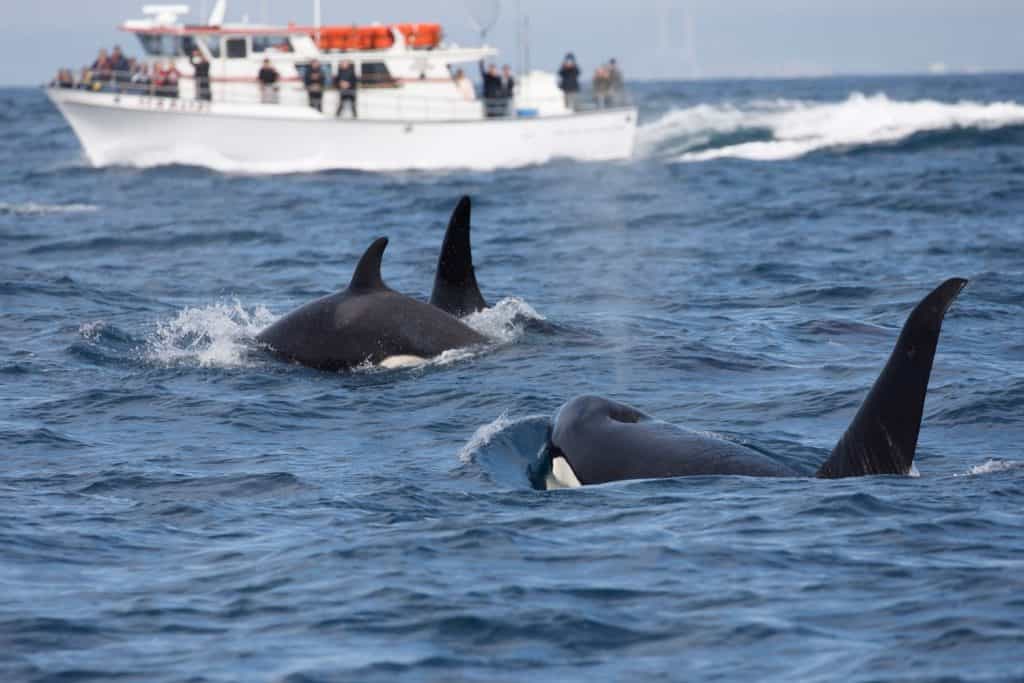
Iberian orcas are not scared of boats.
©Tory Kallman/Shutterstock.com
We’ve long known that killer whales like to indulge in ‘prop watching’. This is where they put their head near the propeller wash. Making physical contact with the propeller and the rest of the boat may simply be a ‘next step’ in this behavior. But why would the Iberian orcas be doing it now?
Plenty of Food and Boredom Are a Bad Combination
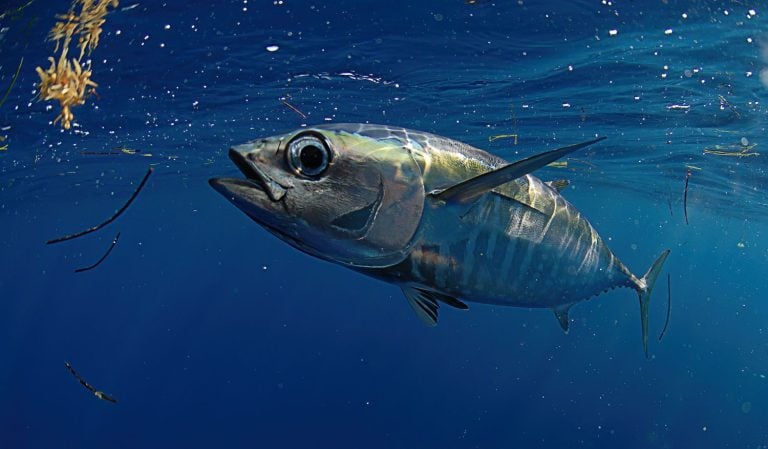
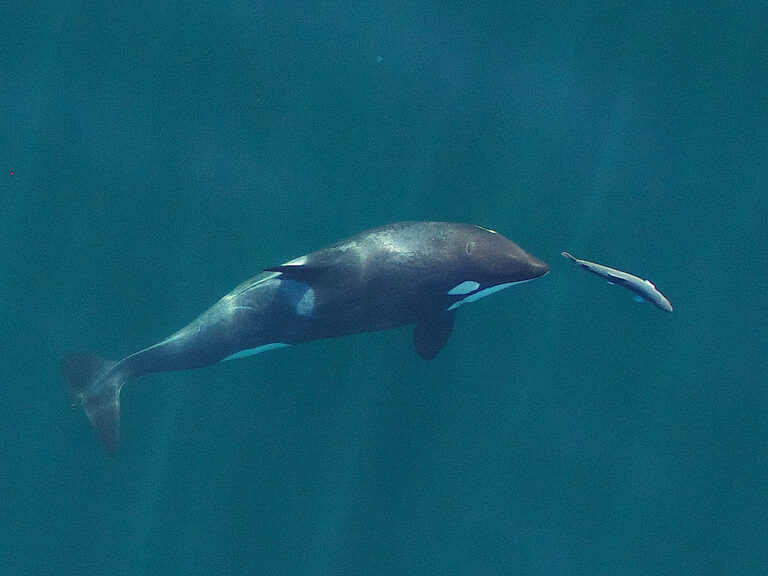
These juvenile orcas have plenty of food now, thanks to the abundance of their favorite meal, Atlantic bluefin tuna (Thunnus thynnus), whose population has increased. With food readily available, these teen orcas have a lot of time on their hands. They are probably just getting up to mischief!
It may have started with just one orca ramming a boat, and then the others copied. Such odd and seemingly playful behavior has been seen before; orcas have worn dead salmon on their head and tossed baby porpoises around. The recent attacks are likely the latest orca teen craze that has gotten seriously out of hand!