
Quick Take
- Moose antler velvet does more than just look soft. It actually serves a biological function most people never consider. See how velvet functions →
- The velvet-shedding process looks brutal, but the moose's reaction to it might surprise you. Watch the shedding process →
- Eating your own shed skin sounds bizarre, but moose may have a very calculated reason for doing it. Discover why they eat it →
- Moose antlers go through a complete transformation each year, though the trigger behind it isn't as simple as the seasons changing. Explore the yearly cycle →
Moose go through a major transformation every year involving their antlers. Before rutting season, their growing antlers are covered in a fur-like layer known as velvet. However, as the rut approaches, they lose the velvet in a somewhat disturbing way. This YouTube video by MooseMan Nature Photos shows a moose shedding its velvet and discusses why this occurs. Read on to learn more about moose and their antlers during rutting season.
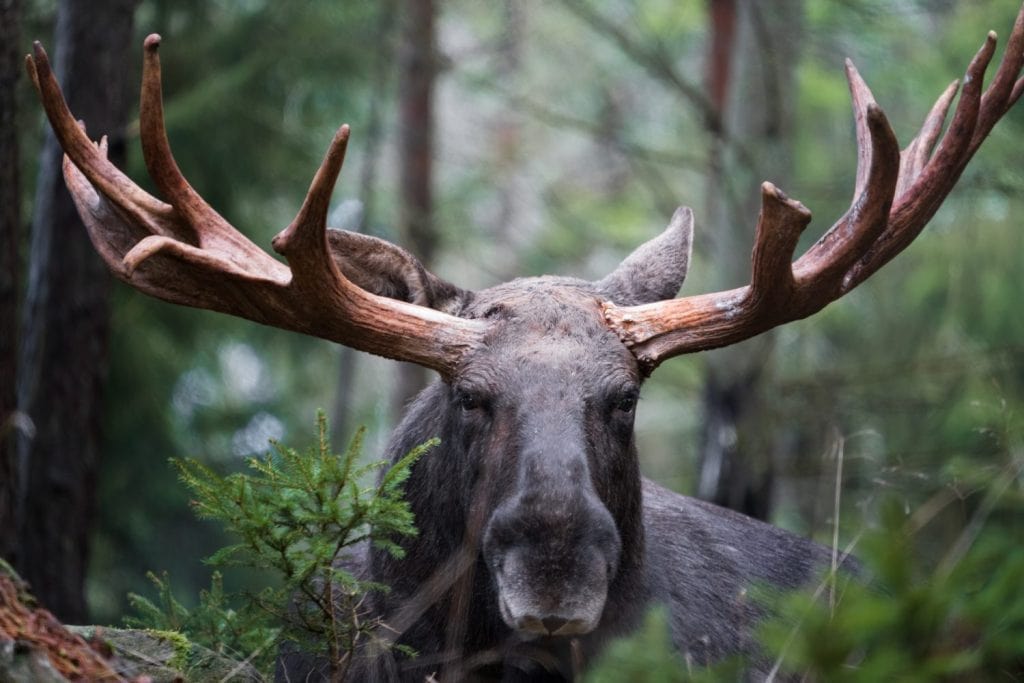
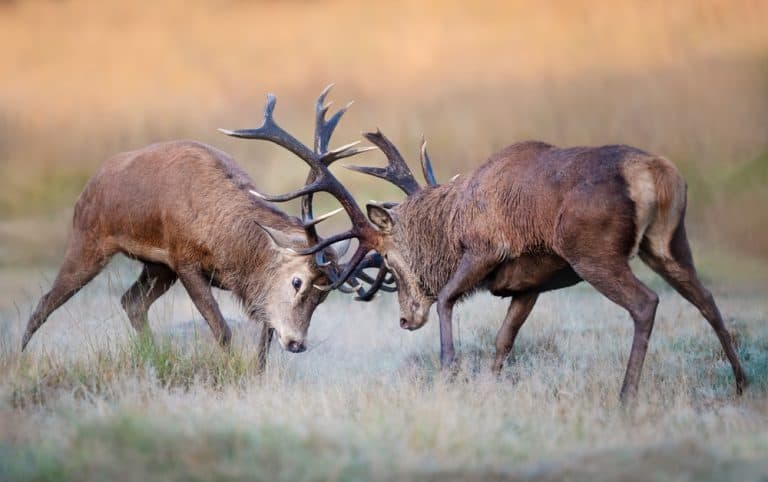
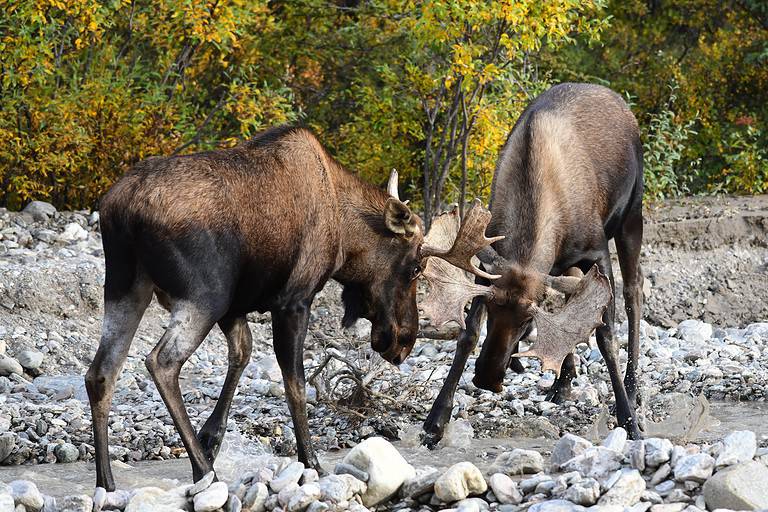
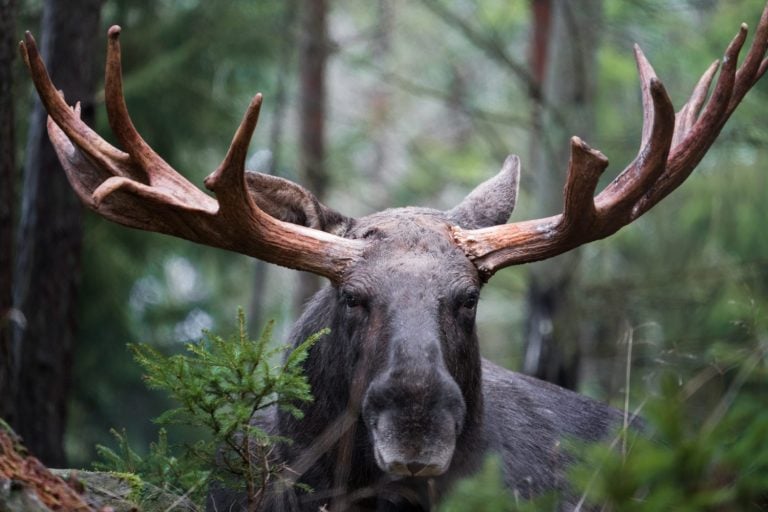
Moose antlers signify dominance and strength to females, and they use them to duel with each other.
©Photosbypatrik/Shutterstock.com
About Moose Antlers
Mating season for moose generally starts in early fall, typically peaking from mid-September to early October, though the exact timing can vary by region. This season marks a major event during which males undergo many physical changes. Because males compete against each other for females, they use their antlers as a method of proving themselves to potential mates. Antlers signify strength and good genetics, so using these structures to fight is one way for males to demonstrate their prowess.
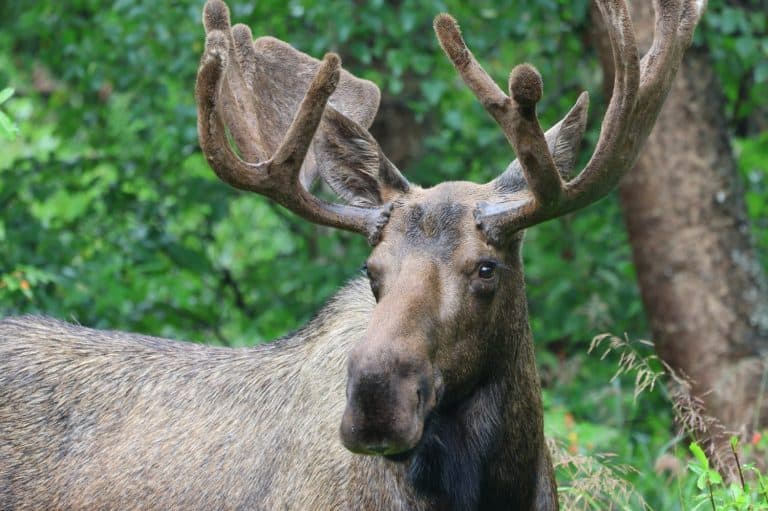
During this season, males have high testosterone levels and display aggressive behavior. One indicator that rutting season is approaching is the appearance of growing antlers. Moose develop new antlers during the spring and summer each year, and these are covered in “velvet,” a soft and fuzzy skin filled with blood vessels and nerves. The velvet acts as a nutrient delivery system to help the bone grow underneath. However, just before rutting season, the velvet is shed to reveal the hardened bone underneath.
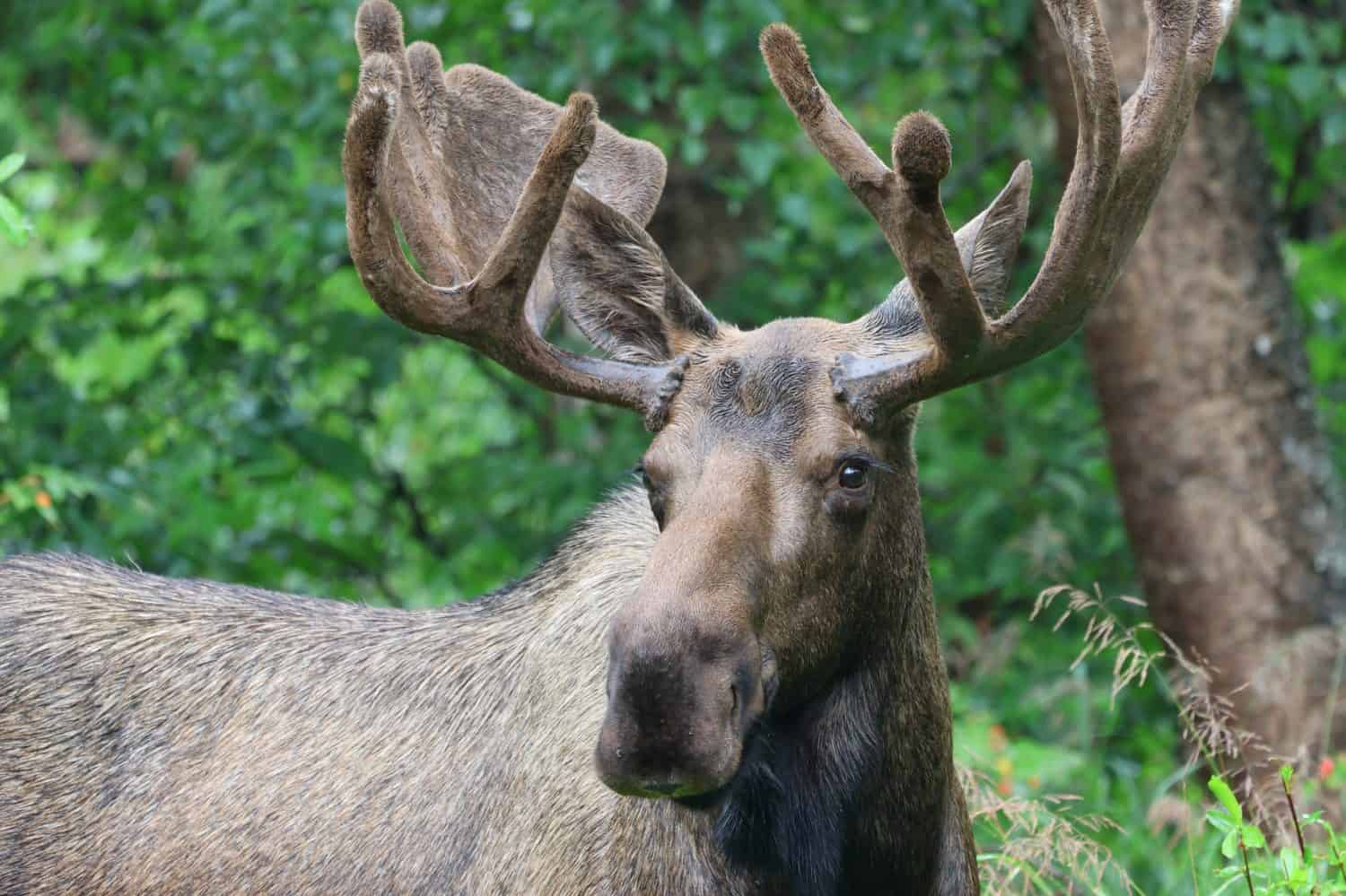
The velvet that covers growing antlers is soft and fuzzy, and is later shed for the rutting season.
©AlaskaVision/Shutterstock.com
Why They Eat Their Velvet
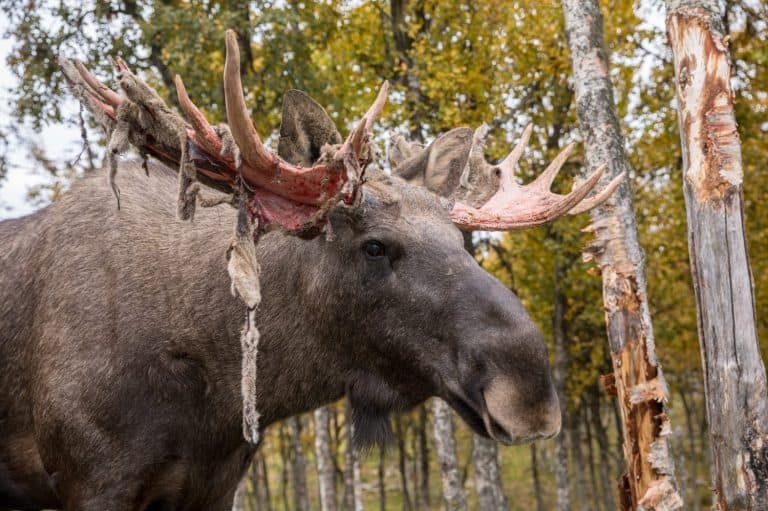
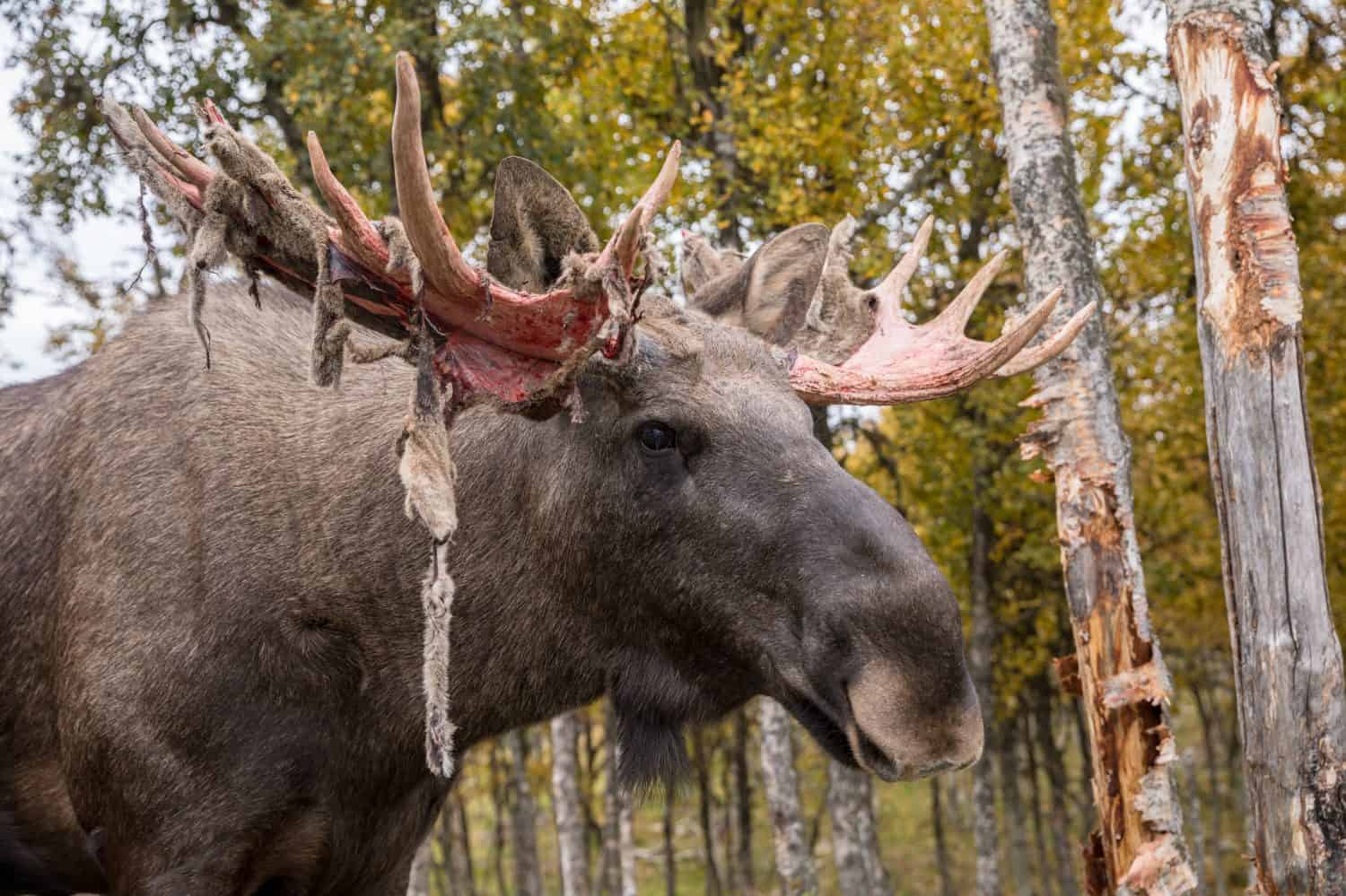
As the rut approaches, the moose’s testosterone rises, and the blood supply to the velvet decreases. After the velvet dries out and dies, it must be shed. When this occurs, the moose rubs its antlers roughly on trees and brush to peel off the soft layer. The sight can be disturbing, as the velvet comes off in bloody strips, revealing the bone underneath. Surprisingly, the process isn’t very painful, as the velvet is mostly dead at this point.
The video above shows one shocking behavior: they sometimes eat their own velvet. While the reason is debated, some explanations include the velvet’s richness in protein, the need to recover nutrients after months of antler growth, or simply because it is an easy food source. Although somewhat odd, this behavior highlights the ingenuity of moose during times when resources may be scarce. After shedding, the antlers are essentially dead bone, which the moose then use to clash with other males in hopes of securing a mate.