
While many dog breeds are incredibly social creatures, some breeds are naturally reserved or even aloof. Breed, temperament, and upbringing strongly influence sociability. For the most part, pups bond easily with each other, humans, and many additional species. They love to explore their environments and discover new things to play with, sniff, and taste. One thing you may have noticed in your dog is how often it licks things – often its legs. From a young age, mother dogs lick their young to groom and comfort them. This instinctual habit sticks with dogs throughout their lives as a way to self soothe, as well as bond with those close to them. However, there are other reasons dogs may lick their legs.
This post was updated on September 24, 2025 to clarify factors involved in a dog’s social nature, susceptibility of dogs to allergies, how topical allergies affect dogs, diagnosing arthritis, how parasites are picked up, and that veterinary consult is the best course of action.
To Groom Themselves
Similar to cats, dogs like to groom themselves by licking their body. If you notice your dog licking its leg, it is probable that it is dirty in some way or just a step in its cleaning process. Because dogs are such active animals, they often collect debris and dirt on their legs when running outside, exploring unknown areas, and rolling around on different surfaces. After a long day of activity and exercise, dogs will instinctually begin licking themselves off in order to restore cleanliness. This is a completely normal and healthy habit and the most probable explanation for why you notice your dog licking its legs.
Allergies
When humans experience common allergic reactions, we often develop itchy eyes or sneeze. For dogs, they resort to licking and scratching their front legs and paws. Dogs are highly prone to allergies (environmental, flea, and food allergies are among the most common health issues seen in vet practice). These allergies can be exacerbated by spending a large amount of time outdoors. During all their running and frolicking, dogs develop allergic skin reactions (atopic dermatitis) from contact with environmental triggers like pollen, grass, or dust mites. When this happens, they will begin to scratch and lick at the spots where the allergens made contact, which is often their legs and paws. This is fairly normal and not reason for much concern, but if it continues over an irregular period of time, it may be wise to take your dog to see a veterinarian. A dog’s saliva is not ideal for healing wounds on their legs and contact with the allergens over time can augment the issue rather than solve it. Generally, vets can provide dogs with an injection or oral supplement that will take care of the issue much faster than the natural healing process.

Dogs with allergies will commonly lick their paws.
©iStock.com/shotbychatty
Tending to an Injury
Licking is a very comforting activity for dogs. If they have been injured through running, jumping, or other physical activity requiring their legs, they will most likely begin to lick themselves where they are experiencing pain. If you notice your dog licking its leg but not showing any other signs of pain, it is likely just a grooming behavior. However, if the licking persists for an excessive amount of time or your pup is limping and being more cautious physically, it’s possible that an injury has occurred. Licking in older dogs can indicate joint pain, but it’s not a reliable standalone indicator of arthritis. Arthritis is usually diagnosed through clinical signs like stiffness, difficulty rising, reluctance to jump, and confirmed via X-ray. If your dog is licking chronically (especially if he’s older), it warrants a trip to the veterinarian.

If a dog becomes injured, they may lick themselves where they are experiencing pain.
©iStock.com/WilleeCole
Parasites
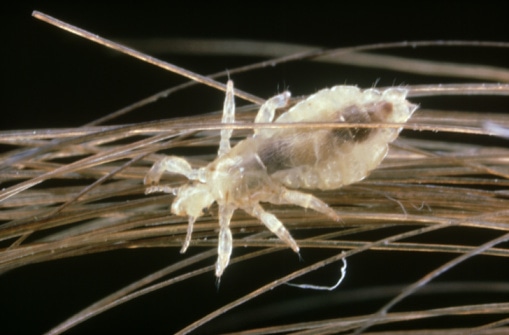
Just the word “parasite” sounds foreign and scary, but they can be very common in dogs. Similar to the way they pick up allergens, dogs can often pick up parasites. External parasites like fleas and ticks typically attach anywhere on the dog’s body, causing irritation and discomfort. Internal parasites, like worms and giardia, are ingested. If your dog is licking itself due to a parasitic infection, it is generally hard to treat with at-home remedies or solutions. The best course of action is to visit your vet and seek prescription and over-the-counter medication to help your dog feel her best again.
Dermatitis
Dermatitis refers to a type of skin inflammation typically located on a dog’s feet. Common symptoms include itching, red skin, hair loss, and of course excessive licking. This usually occurs on the dog’s feet but can also spread up to their legs and be a cause for constantly licking. If there are certain chemicals or irritants in the grass that your dog usually plays in, dermatitis can easily develop in their feet and lower legs. Sometimes, it is due to the type of grass or weeds your dog is playing in. It can also arise from food sensitivities and allergies, but these causes are rarer. Washing can help reduce contact irritants like pollen, but dermatitis often has genetic, immune, or allergy-driven causes that can’t be prevented by simple washing alone. If the dermatitis has already developed, it can be treated through medicated baths or prescription medication, but you should speak with your veterinarian before pursuing these approaches.
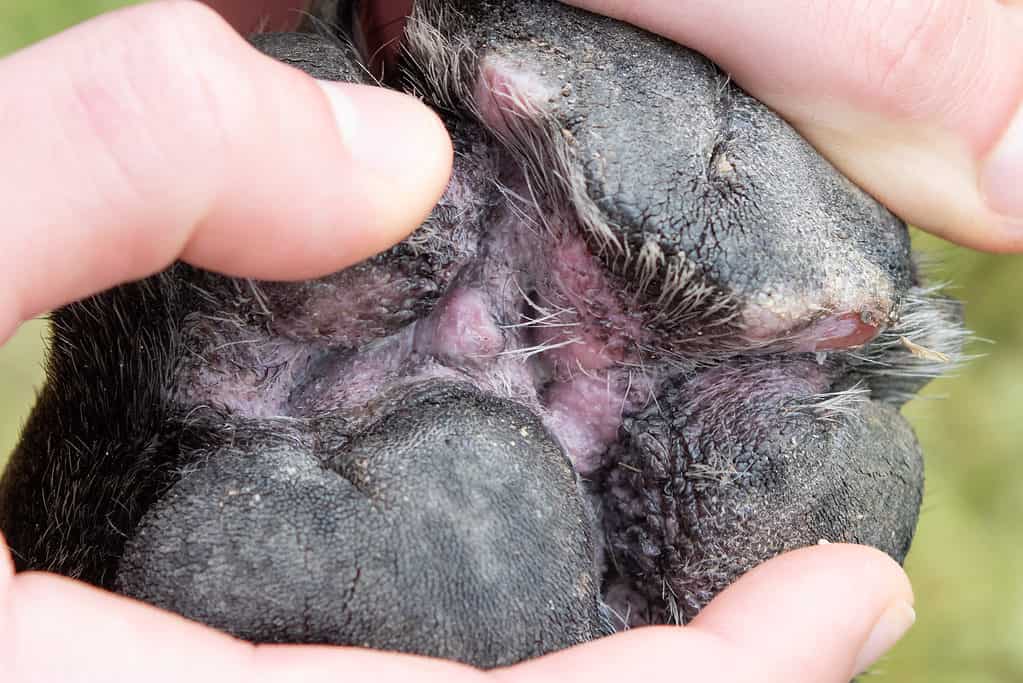
A dog excessively licking its paws might be a sign of dermatitis which causes skin inflammation leading to itchy, red skin and hair loss.
©iStock.com/Jacqueline Nix
Anxiety
Because dogs use licking to comfort themselves and others, it can sometimes develop into a coping mechanism for dogs who are experiencing stress or anxiety. Anxiety can come from a number of different causes, such as inadequate exercise, new environments, and loneliness. Other indicators of anxiety in dogs include panting, aggression, aimless pacing, and other compulsive behaviors. Ways to treat your dog’s anxiety include making sure it is getting plenty of exercise, paying lots of attention to it and spending time with it, and feeding it a balanced, nutritious diet. You can also purchase products like vests for anxiety or see a veterinarian about certain medications if other methods do not seem to be working.
Conclusion
Dogs licking themselves and others is completely normal behavior; a generally healthy instinct that helps keep your dog clean, soothed, bonded with others. While light licking is normal, chronic licking can become excessive and irritating, signaling serious issues that require veterinary evaluation. One at-home solution is purchasing products like licking mats and harnesses to help redirect their focus and put an end to the undesirable behavior.