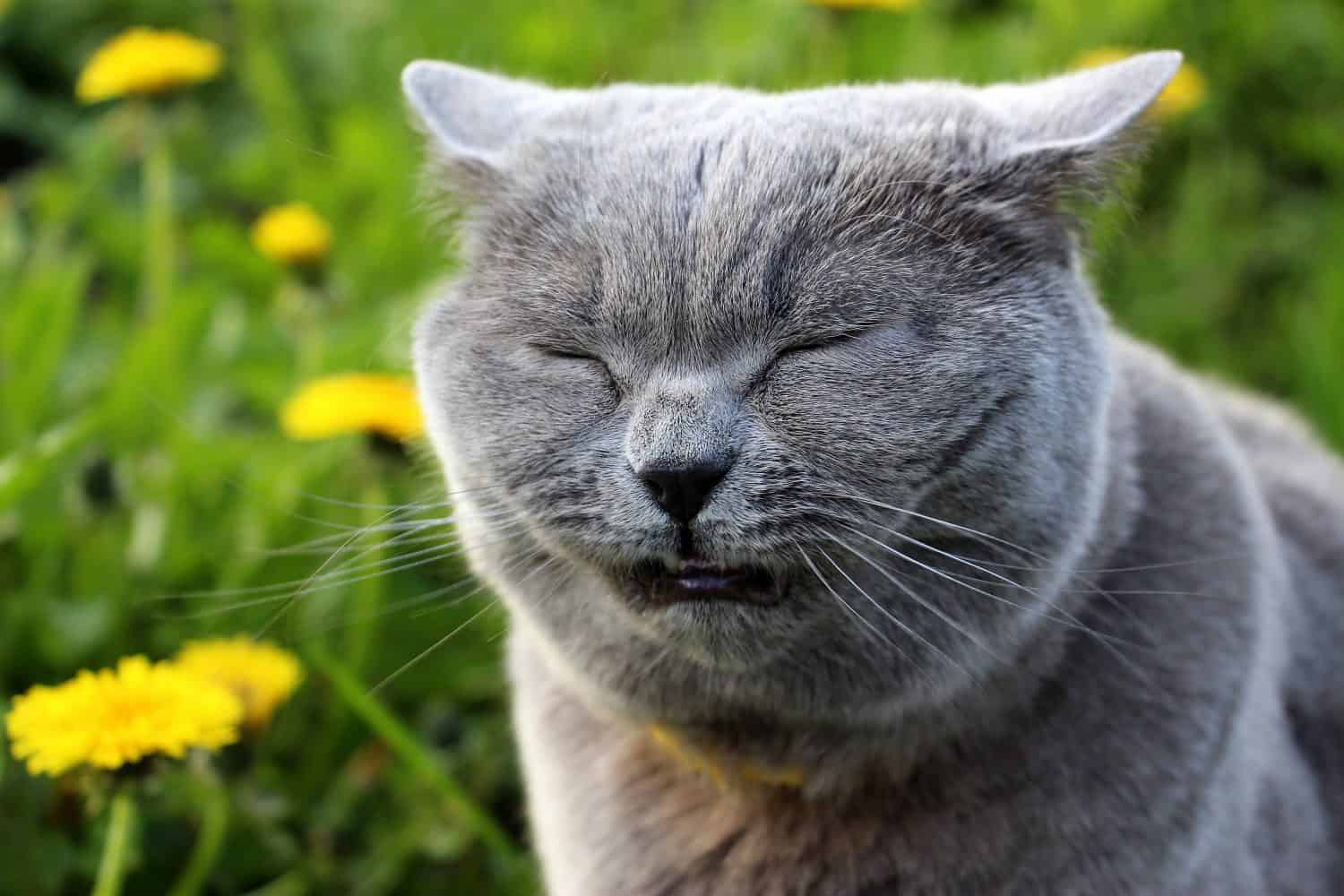

When our feline friends show signs of being unwell, it is natural to be concerned. After all, these small, furry members of the family are notorious for not sharing how they feel, and can even hide themselves away when feeling ill. Obvious things such as constant vomiting, lethargy, and loss of appetite are clear signs that something is wrong with cats. But what about a sneeze? Should you be worried if your cat keeps sneezing? While the answer is not always black and white, there are some accompanying symptoms to look for to help determine if the beloved little mouser is clearing nasal passages or is sicker than letting on.
It Is Normal for Cats to Sneeze
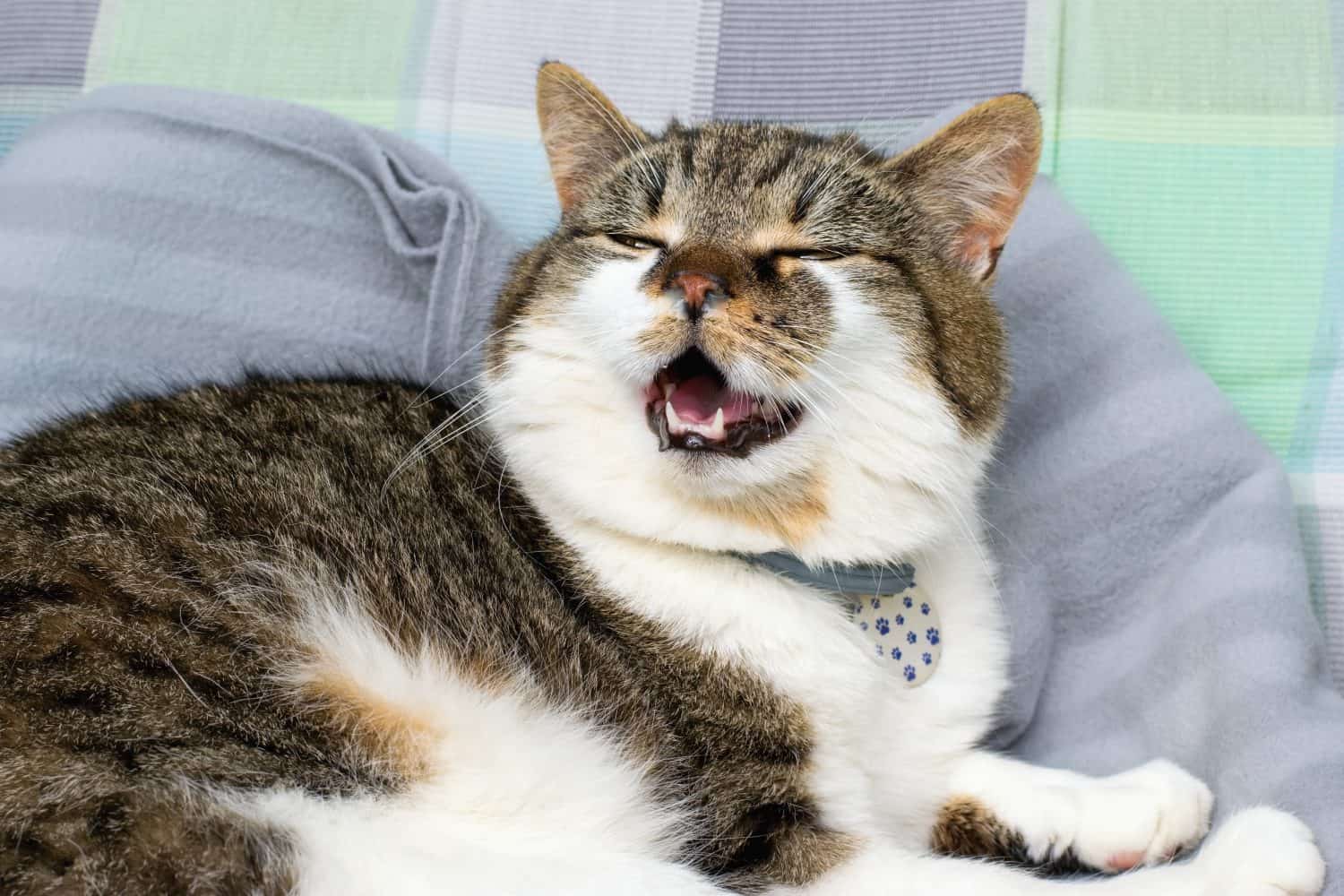
When cats get nasal irritation, it is normal for them to sneeze.
©Tunatura/Shutterstock.com
First and foremost, it is normal for cats to sneeze. Just like their human counterparts, there will be times when an irritant enters the nasal cavity and the body has to remove it. This is done via sneezing. It is common for cats to sneeze a few times if something has inadvertently gotten up their noses. The sneezes may even be loud and a bit forceful. But, this is not necessarily cause for alarm. If any other symptoms do not accompany sneezing, it happens sporadically, and the cat is acting fine otherwise, there is generally no cause for concern.
Most Common Reasons Why Cats Sneeze
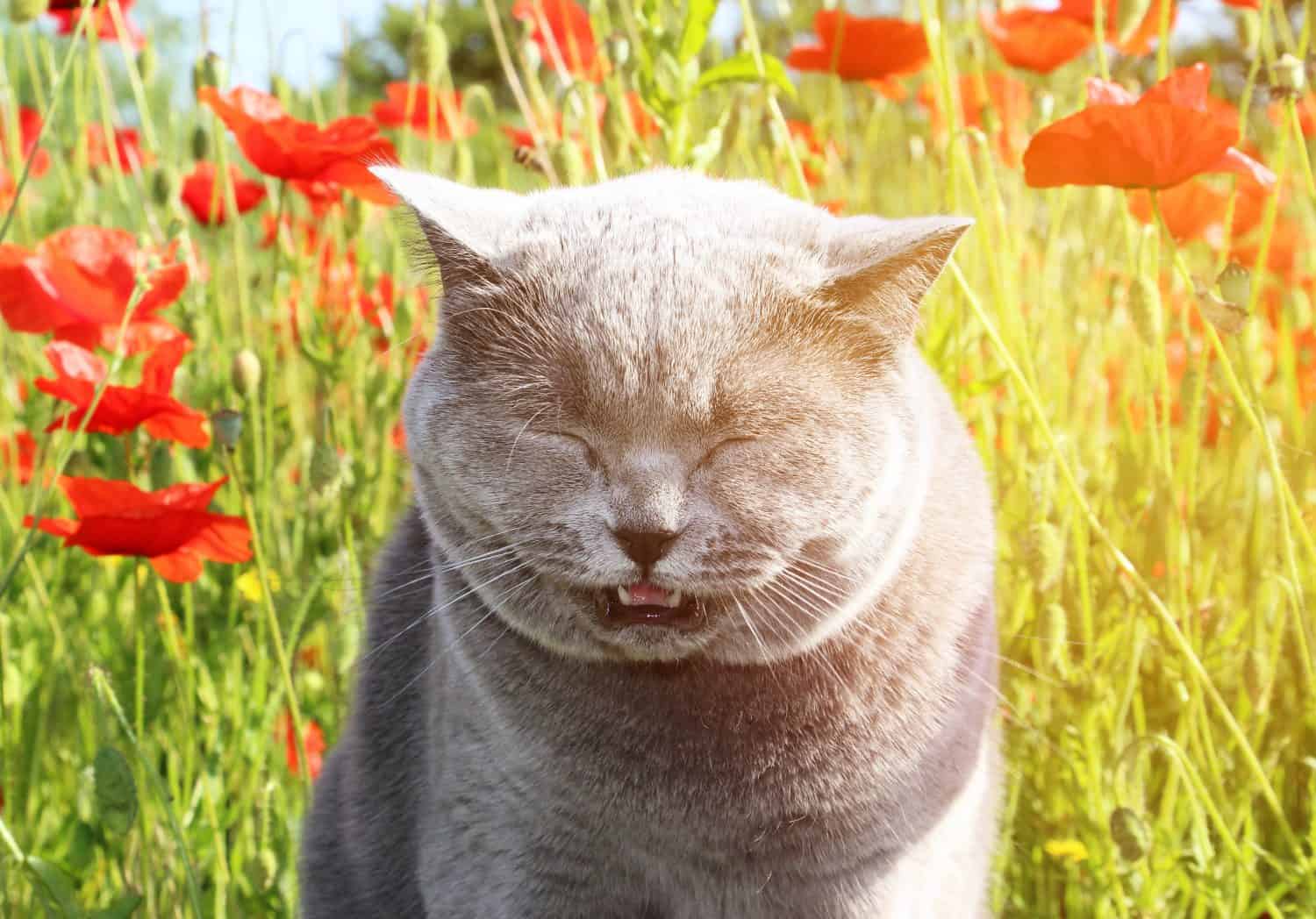
From dust, pollen, and odors to viral and bacterial infections, there are a multitude of reasons why cats sneeze.
©Sagittarius_13/Shutterstock.com
Just as with humans, there are many reasons why cats may begin suddenly sneezing. Some of the reasons are not cause for concern. However, if cats suddenly develop a sneeze that becomes more consistent than occasional, they should be monitored to see if any other symptoms develop or if there are changes in mood that present. Some of the most common reasons why cats sneeze include:
| Sneezing Trigger | Why Sneezing Occurs |
| Common nasal irritant | Dust, pollen, or a strong odor causes a sneeze to clear the nasal passageway. |
| Allergies | Seasonal allergies, allergies to chemicals in the home, or dust can cause sneezing to occur. |
| Viral Infection | Upper respiratory infections can lead to sneezing in cats. |
| Bacterial Infection | Viral infections can trigger bacterial infections in cats, leading to sneezing. |
| Foreign Object | If a small, foreign object is inhaled, sneezing is likely in cats. |
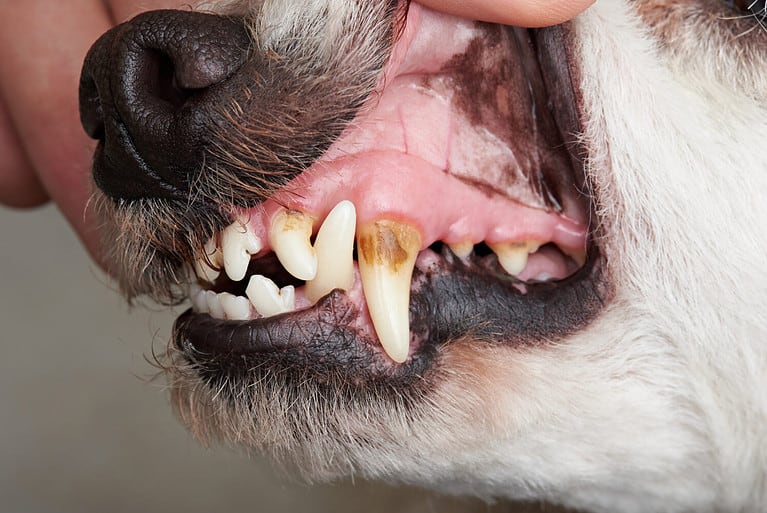
| Dental Issue | Because the teeth are so close to the sinuses, any dental issues can cause irritation to the nasal passageway, causing cats to sneeze. |
Some of the most common reasons for sneezing do not require veterinarian intervention. However, a majority do. This is why it is so vital to watch cats if sneezing becomes consistent, so that intervention can be sought as soon as possible.
When Sneezing Is a Cause for Alarm
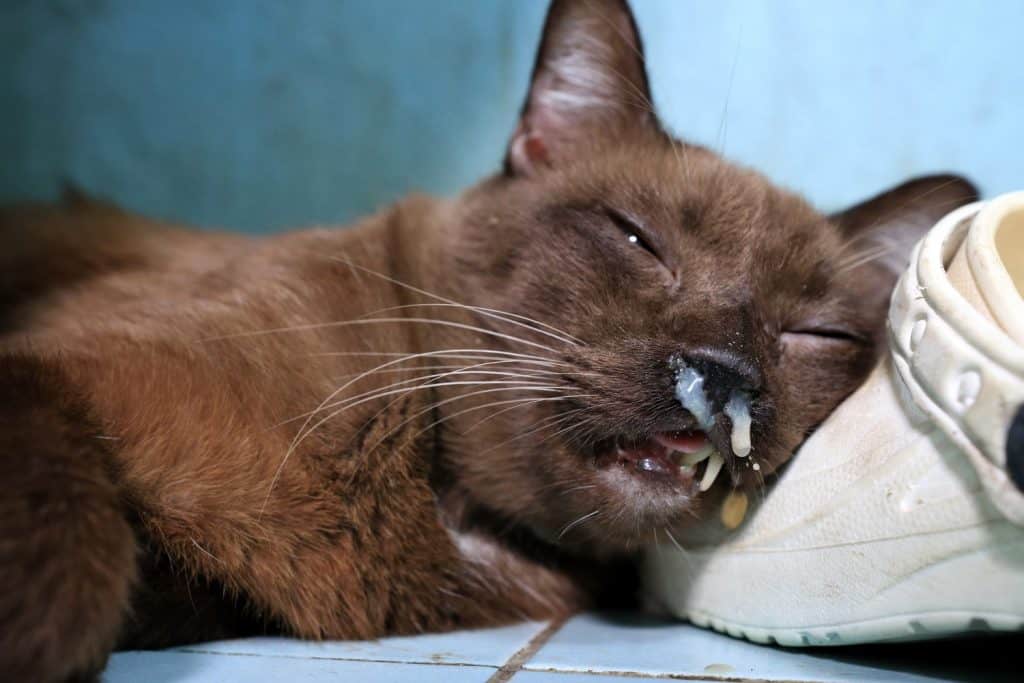
Nasal discharge, lethargy, coughing, and wheezing are just some of the symptoms accompanying sneezing for which veterinary care is recommended.
©RJ22/Shutterstock.com
It becomes apparent very quickly when a cat’s sneezing is normal and when it is not. It could be sneezing that suddenly becomes more frequent, but more often than not, it is the accompanying symptoms that point to signs of something more than simple nasal irritation.
The signs that a cat needs to seek veterinary care when sneezing include:
- Sneezing lasts for several days
- Nasal discharge
- Lethargy
- Coughing
- Wheezing
- Sneezing appears to be painful for the cat
- Blood is being sneezed out of the nose
- Loss of appetite
- Weight loss
If any of these signs are present, cats should be taken to a veterinarian immediately. Once under veterinary care, it can be determined if treatments such as antibiotics, antiviral medications, dental care, nasal lavage (saline solution used to irrigate the nasal passageway), or supportive care like fluids and eye/nose drops are needed to address the underlying problem causing the sneezing. Should the sneezing not require as extreme care, some things can be done at home to help alleviate the number of sneezes an otherwise healthy cat has.
How to Help a Sneezing Cat
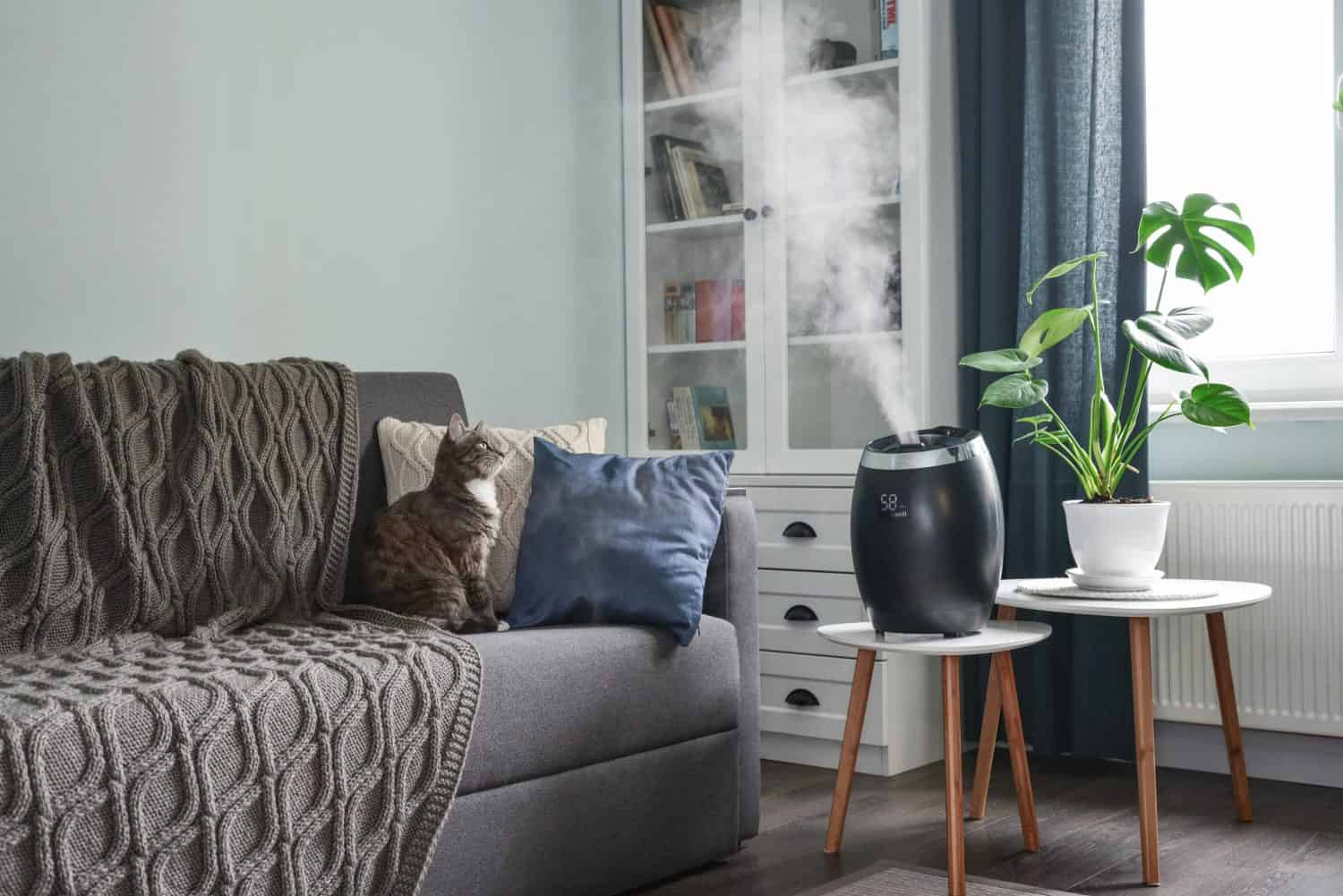
Something as simple as a humidifier can help ease sneezing in cats.
©mama_mia/Shutterstock.com
If a veterinarian has determined that no underlying health issues are causing a cat to sneeze continuously, there may be some recommendations made about what can be done in the home to reduce consistent sneezing. The remedies may be simple, but they could be just what the feline needs to end nasal irritation in the home.
Some easy ways to ease constant sneezing in cats include:
- Offer multiple sources of water to ensure cats stay hydrated, as hydration helps ease any mucus buildup in the nasal passageways
- Place cats for a short time in a bathroom filled with steam to help lubricate dry nasal passageways
- Place humidifiers around the home to increase the level of humidity, which will ease irritated nasal passageways
- Keep the home free of dust
- Change air filters in the home frequently
- Use air purifiers during allergy season to reduce the chances of nasal irritation
Like their owners, cats will sneeze from time to time when the mucus membranes become irritated. This could be caused by something as small as pollen or dust, or something more alarming like a viral or bacterial infection. This is why it is so important to monitor cats when there is any change in their health. While a sneeze could mean nothing, if multiple happen in a short time, and it is not normal for the cat to be sneezing, a quick trip to the vet is warranted. The earlier the intervention, the easier it is to stop any illnesses from getting worse, and the faster feline friends can get on the road to recovery, ending their sneezing fits in the process.