
Quick Take
- The moose in Maine became the state animal in 1979.
- Biologists estimate 40,000 to 60,000 moose live in Maine.
- In 1980, Maine reinstated a limited moose hunt.
Other than Alaska, Maine has the highest population of moose in the U.S. These massive members of the deer family, with their enormous antlers, are not only culturally significant to Maine, but are also its official state animal. Long before Maine designated the moose the state animal in 1979, the iconic moose represented Maine’s wild and rugged landscape, along with its residents’ resourcefulness.
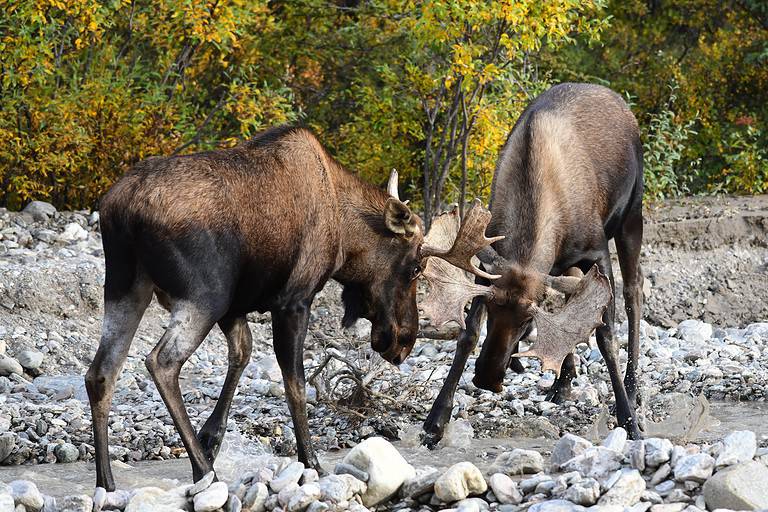
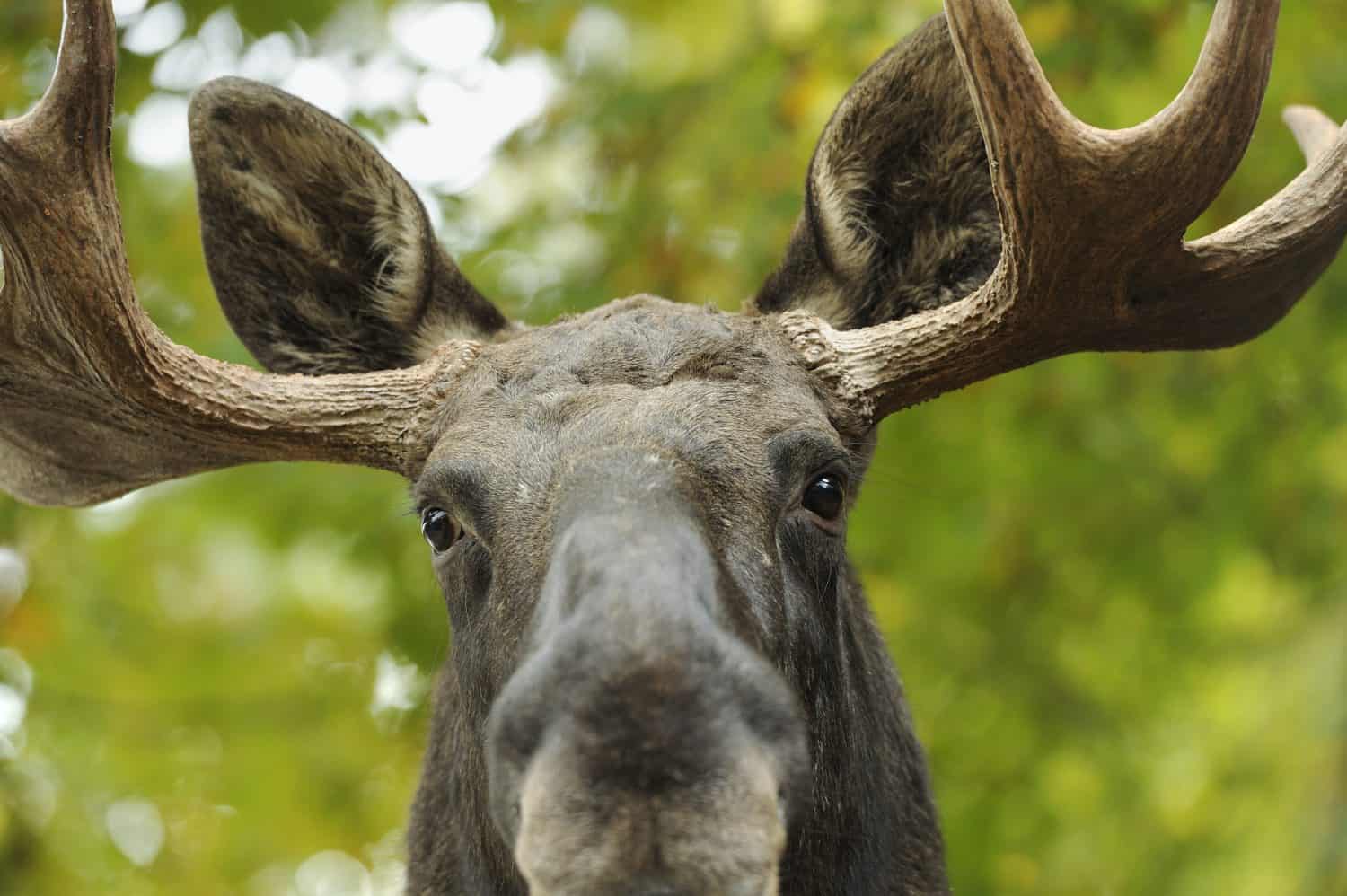
Maine is home to the eastern moose (Alces alces americana), a subspecies of moose (Alces alces). These impressive animals may stand up to seven feet tall and can weigh over 1,000 pounds. Males grow large antlers that can reach up to 6 feet, which they shed and regrow each year. Moose live in the U.S., Canada, Europe, and Asia. In Europe and Asia, they are commonly known as elk. Moose have been in North America for thousands of years. They arrived across the Bering Land Bridge around 14,000 years ago.
Native Americans prized the moose not only for the food, clothing, and tools the animal provided, but also believed it was sacred. Moose represented resilience, strength, wisdom, and courage to Native people. The word “moose” comes from the Algonquin word “moosu,” which means “bark stripper.” The first European to document spotting a moose in Maine was a British traveler in 1614.
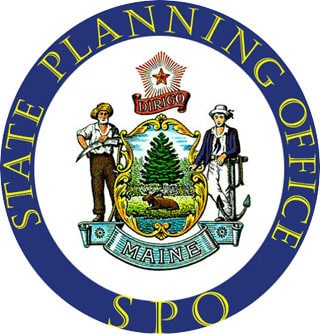
Maine’s State Seal depicts a moose lying before a pine tree.
©Maine State Planning Office, CC0, via Wikimedia Commons – License
Before Maine officially adopted the moose as its state animal, a moose appeared on the State Seal of Maine. Maine adopted the seal in 1820, at the same time it became a state. The moose, seen lying in front of an eastern pine tree, represents Maine’s great wilderness and natural resources. In 1979, the Maine Legislature made it official, declaring the moose the state animal.
Aside from its historical significance to the area, which began even before Maine was a state, there are other reasons why Maine designated the moose as its state animal. People associate moose with Maine forests and rugged landscapes. Today, Maine ranks as the state with the second-highest moose population. Biologists estimate around 40,000 to 60,000 individual moose live in the state. This is down from the year 2000, when there were estimated to be around 100,000.
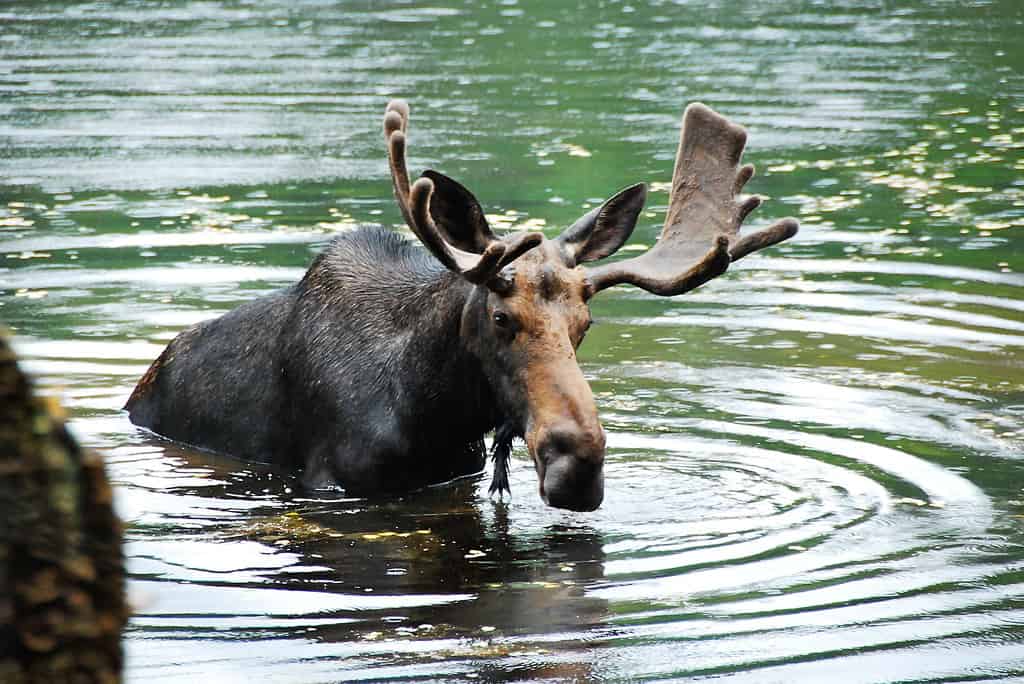
Moose shed and regrow their antlers each year.
©R_Berthiaume/iStock via Getty Images
Moose provide economic value to Maine through hunting, wildlife viewing, and related tourism. A limited moose hunt, in which permits are required and obtained through a lottery system, brings in money through licenses, fees, gear, lodging, and other related travel. Non-hunters also visit Maine for wildlife viewing, booking lodging, and hiring tour guides to visit popular moose habitats for a chance to see the iconic animal. Finally, when a hunter brings home a moose, they bring home many pounds of food to sustain their family for the year.
We can trace the act of designating state symbols to the Chicago World’s Fair in 1893. Each state and territory selected a flower to be woven into a national wreath to represent the U.S. After this practice, it became commonplace for states to select symbols, such as flowers, animals, or trees, to represent the uniqueness and beauty of each state.
Driving through Maine, you will see the image of the moose on highway signs, postcards, business logos, and state merchandise. It’s no surprise that Maine selected the moose as a symbol for the state. Much of Maine is still covered in untouched forestland where moose can roam and thrive with relatively little human interference.
It may seem ironic, but a permit-only, limited moose hunt was reinstated in 1980, the year after the moose was adopted as Maine’s state animal. Hunting moose had been illegal in Maine since 1935, when the population dropped to only 2,000. By banning hunting and employing other conservation efforts, the moose population rebounded.
In 1980, Maine officials drew 700 names by lottery in a televised ceremony. Despite some controversy and protests from animal rights groups, the hunt went on. An archived article from the New York Times revealed that many hunters were happy to bring home food to sustain their families through the year. After shooting a 500-pound moose, one woman told the New York Times, “What am I going to do with it? I’m going to eat it! I’ve got two small families to feed and seven brothers and two sisters. It’ll go fast enough.”