
Quick Take
- A sperm whale weighs 2,000 pounds at birth.
- Despite being named the state insect, the European mantis is now recognized as a threat to local ecosystems.
- The Siberian husky is not only the official state dog, but also the beloved mascot of the University of Connecticut.
Connecticut boasts a surprisingly diverse array of wildlife due to its varied landscapes. From coastal marshes to hardwood forests, over 1,840 known species call the Constitution State home. Connecticut is a haven for birds, with 335 documented species. Its coastline hosts over 170 species of fish and more than 1,200 species of invertebrates, and its woodlands are home to 84 different mammals. Out of those species, Connecticut chose the eight animals that best represent the state and recognized them as official living symbols of its history and culture. Continue reading to discover which animals Connecticut selected.
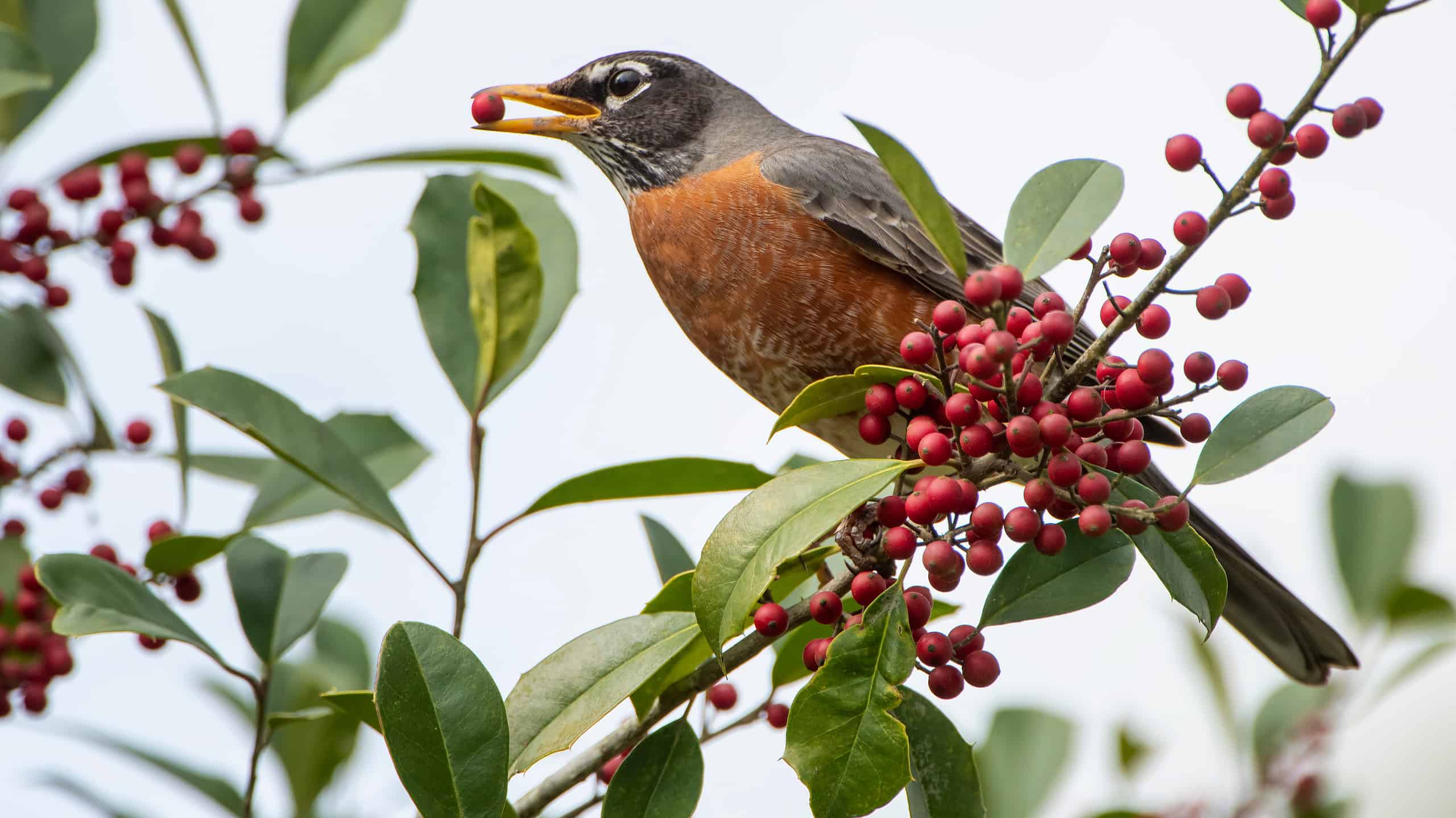
State Bird: American Robin
Connecticut’s General Assembly certified the American robin (Turdus migratorius) as the state’s official bird in 1943. The American robin is North America’s most widespread and abundant songbird, with an estimated 370 million individuals within its native range. It’s also a migratory bird that feeds on plant matter like berries and nuts, as well as a wide range of insects. Though it is small and swift, it lacks any reliable defenses, making it vulnerable to predators like domestic cats, snakes, and hawks.
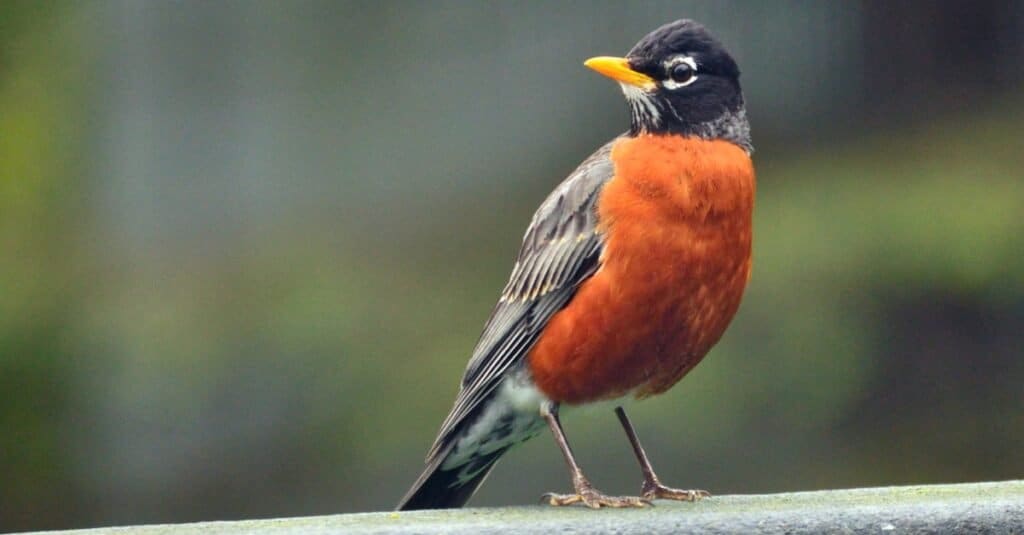
The American robin is North America’s most abundant land bird.
©iStock.com/PhotosByMSA
The American robin has rust-colored feathers on its breast, while the rest of its body is brownish/gray with white accents around the eyes and lower abdomen. On average, fully-grown individuals range from 9 to 11 inches in length and have a 14 to 16-inch wingspan.
State Animal: Sperm Whale
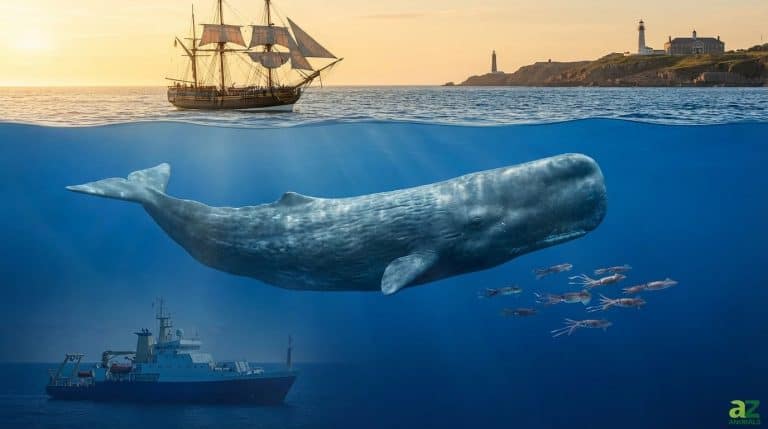
Connecticut’s General Assembly certified this species as the state’s official animal in 1975. The sperm whale (Physeter macrocephalus) is among the largest whale species. Adult sperm whales are 40 to 60 feet long and weigh 10 to 40 tons (20,000 – 80,000 pounds). Newborn sperm whales weigh around 2,000 pounds upon birth.
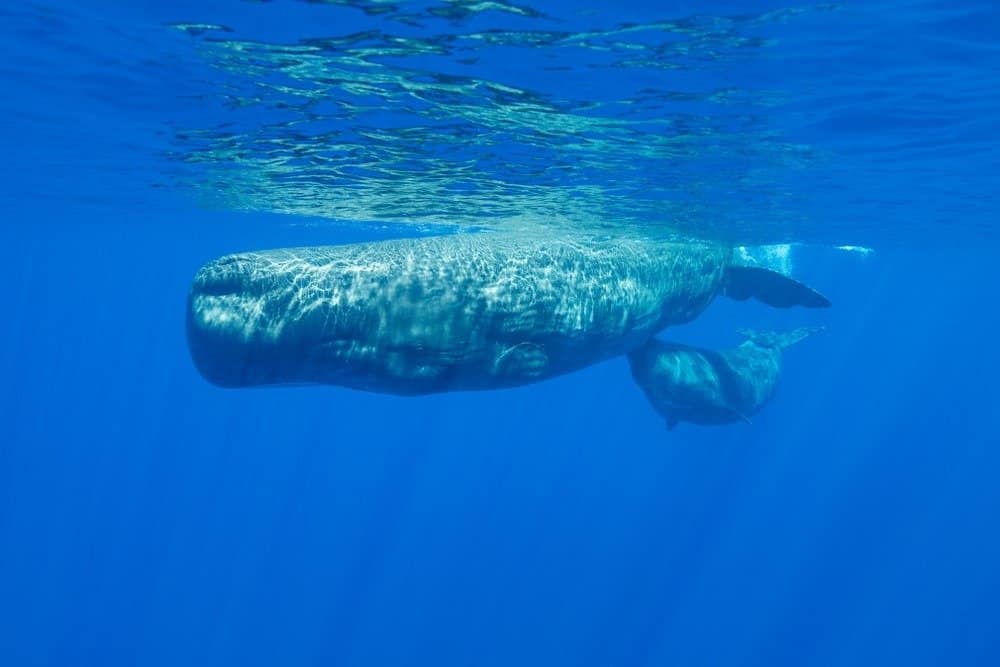
Sperm whales were hunted almost to extinction.
©wildestanimal/Shutterstock.com
Commercial whaling in the North Atlantic Ocean in the 19th and 20th centuries reduced the sperm whale population by more than half. The whales were specifically targeted for oil, which was used as a lubricant for machinery, a fuel for oil lamps, and a raw material in high-quality candles.
They are currently classified as Vulnerable on the IUCN Red List, though they are still listed as Endangered under U.S. law. Although they are slowly recovering from the centuries of commercial whaling that reduced their global population from over 1 million to an estimated 300,000–400,000.
State Insect: European Mantis
Also known as the praying mantis for its distinctive posturing, the European mantis (Mantis religiosa) was certified as Connecticut’s official insect on October 1, 1977. A 4th-grade class from Vernon’s Center Road School in Vernon, Connecticut, spearheaded the efforts to recognize the mantis as the state insect, which they saw as not only a beneficial, but also “cool-looking” predator. Despite being non-native, it was chosen for its role in controlling agricultural pests.
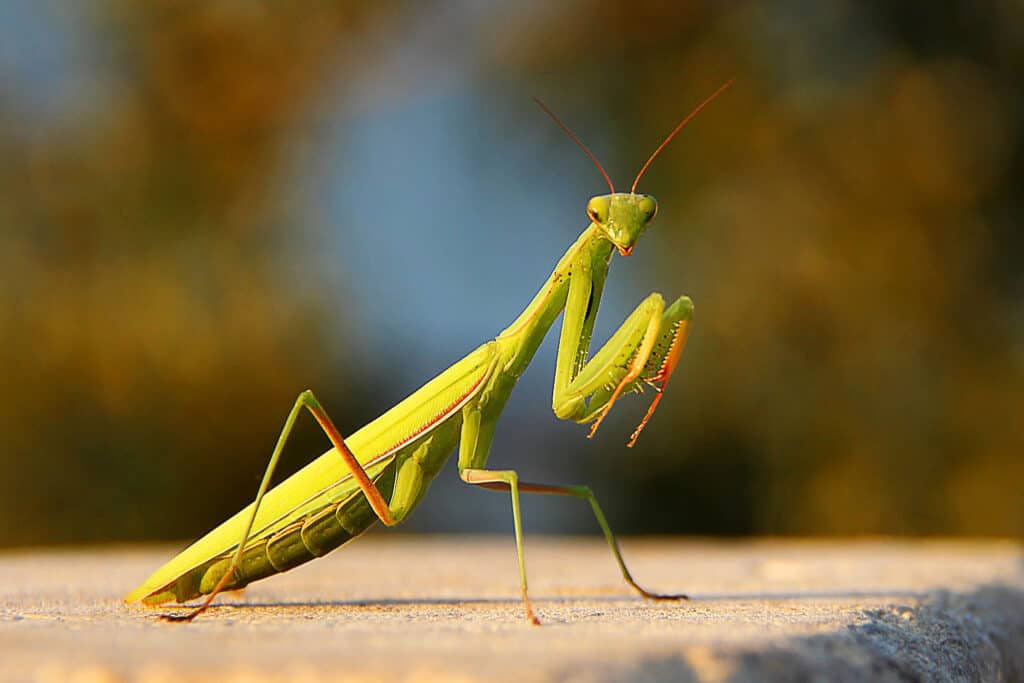
The European mantis, or praying mantis, is an incredibly resilient insect.
©Tatyana-Sanina/Shutterstock.com
The European mantis was introduced to the Northeastern United States, including Connecticut, in the 1890s, likely arriving as a stowaway in nursery shipments from Europe. The species was subsequently encouraged or released as a form of biological pest control to combat agricultural insects.
Despite being designated as the official state insect, European mantises are increasingly viewed by scientists and conservationists as potentially harmful to local ecosystems, as they may outcompete native mantises and prey on beneficial pollinators, moths, and butterflies.
State Shellfish: Eastern Oyster
Connecticut’s General Assembly officially certified the Eastern oyster (Crassostrea virginica) as Connecticut’s official state shellfish in 1989. Although the state is home to many species of oysters and other shellfish, the Eastern oyster is among the most popular and well-known by locals.
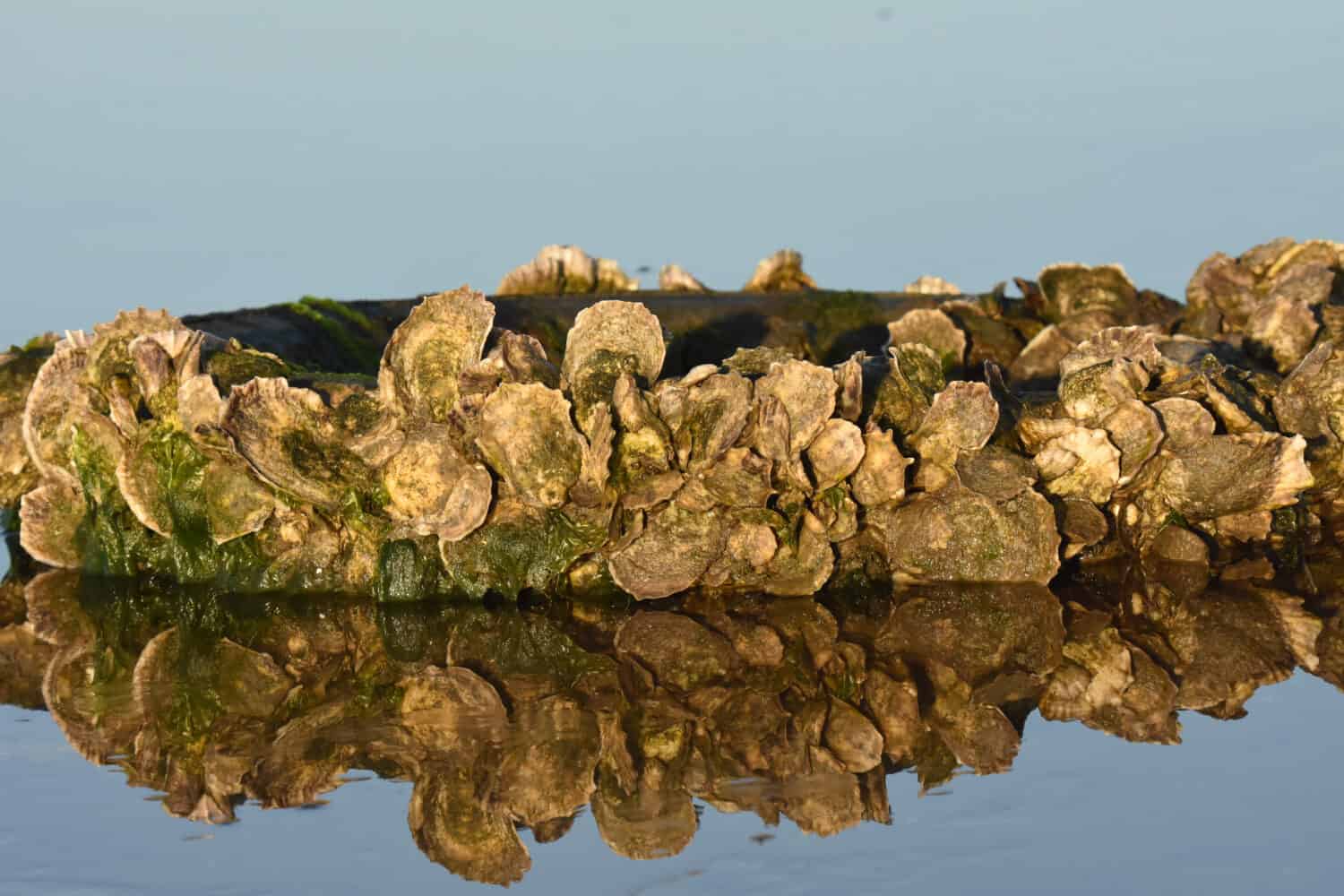
European settlers in North America in the 17th and 18th centuries used Eastern oysters as an important food source.
©Gilbert S. Grant/Shutterstock.com
Early European colonists in Connecticut used the Eastern oyster as a food source. Since oysters were abundant and didn’t move quickly, it was easy to harvest them in large numbers. Connecticut’s commercial oyster farming industry got its start in the late 1800s, and it continues to thrive today.
Wild populations of Eastern oysters have declined to a small fraction of historic levels due to overharvesting, disease, and pollution. However, farmed Eastern oysters are considered sustainable.
State Fossil: Eubrontes Giganteus
The official state fossil of Connecticut, the dinosaur Eubrontes giganteus, was officially recognized in 1991. The Eubrontes giganteus fossil is a massive three-toed footprint left by a large, bipedal, meat-eating theropod dinosaur that lived during the Early Jurassic period, roughly 200 million years ago.
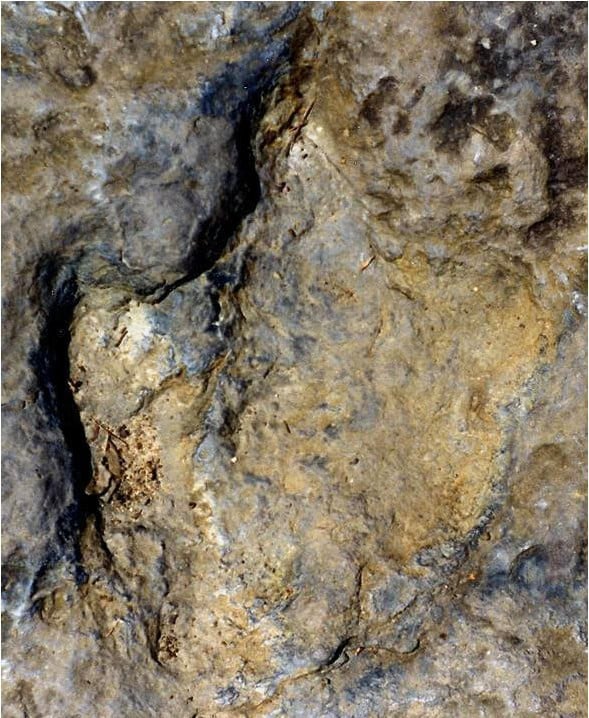
The footprint of Eubrontes Giganteus.
Thousands of tracks were discovered in 1966 during highway construction in Rocky Hill, Connecticut, which led to the establishment of Dinosaur State Park. The tracks, ranging from 16 to 20 inches long, are believed to have been made by a creature similar to Dilophosaurus. These are among the first dinosaur tracks ever studied and placed Connecticut at the center of early paleontology.
State Fish: American Shad
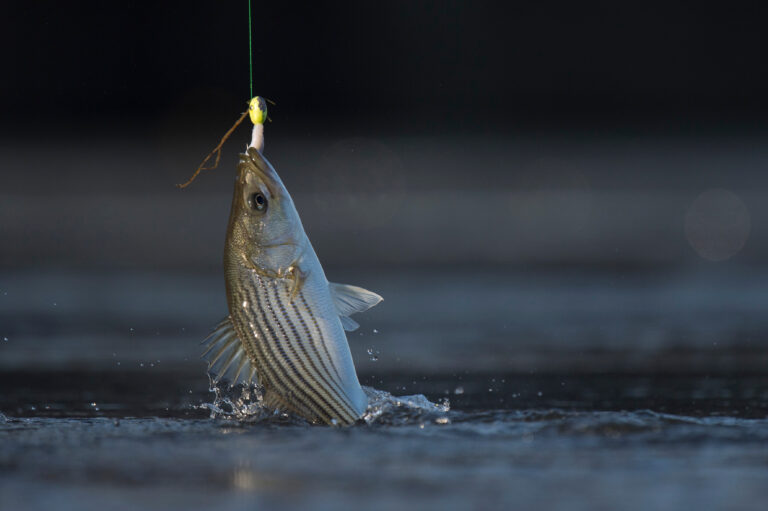
The American shad (Alosa sapidissima) was designated as the official state fish of Connecticut in 2003. While they spend most of their lives in the Atlantic Ocean (saltwater), they are technically classified as anadromous, because they migrate into freshwater rivers, such as the Connecticut River, to spawn.
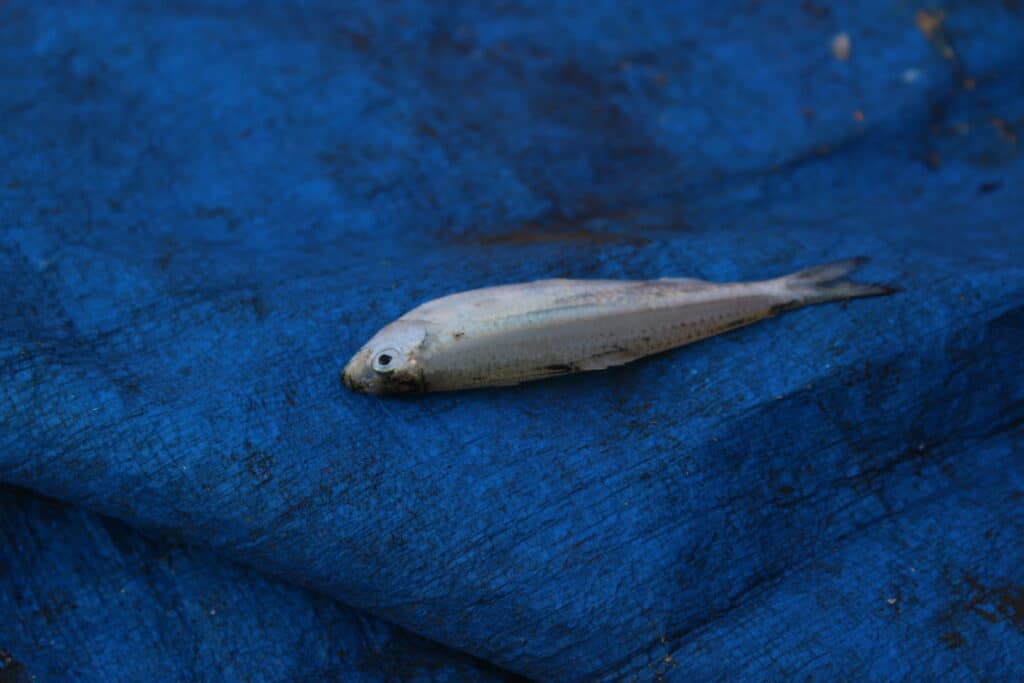
American Shad spend most of their lives in the Atlantic Ocean.
©Radhe Modi/Shutterstock.com
American shad was chosen for its historical importance, sustaining Native American populations, feeding early colonists, and fueling local economies through massive spring migration runs, especially in the Connecticut River.
Although American shad is not formally listed as threatened or endangered, North American shad populations are considered severely reduced from historic levels and require ongoing conservation management. While considered a species of concern due to habitat degradation and dams, they remain stable enough for limited recreational fishing, as well as a viable commercial fishing enterprise in Connecticut, which operates the last remaining directed commercial shad fishery in New England.
State Dinosaur: Dilophosaurus
The Dilophosaurus was named Connecticut’s official state dinosaur in 2017. Extensive fossilized footprints, known as Eubrontes, discovered in the early Jurassic sandstone of the Connecticut River Valley, the 200-million-year-old tracks, notably found at Dinosaur State Park, are attributed to this theropod, although no bones have been found.
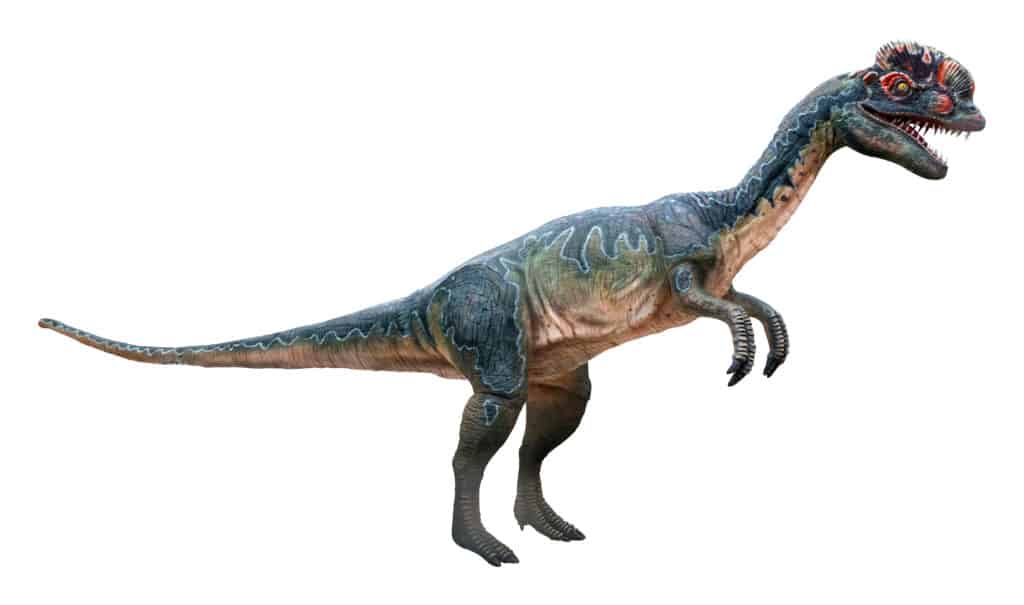
Dilophosaurus (Female) is a genus of theropod dinosaur that lived during the Early Jurassic period.
©YuRi Photolife/Shutterstock.com
The tracks indicate that this large carnivorous dinosaur walked the ancient lakebeds of Connecticut. Although no actual skeletal remains exist in the state, the Eubrontes tracks in the Connecticut Valley are among the most significant pieces of evidence of Jurassic life in the region.
The push to make Dilophosaurus Connecticut’s official state dinosaur was driven by third-grade students from West Hill School in Rocky Hill, Connecticut. The students advocated for the choice at a committee hearing, resulting in House Bill 1002, which was then signed into law.
State Dog: Siberian Husky
The Siberian husky (Canis lupus familiaris) was recognized as the official state dog of Connecticut in 2024.
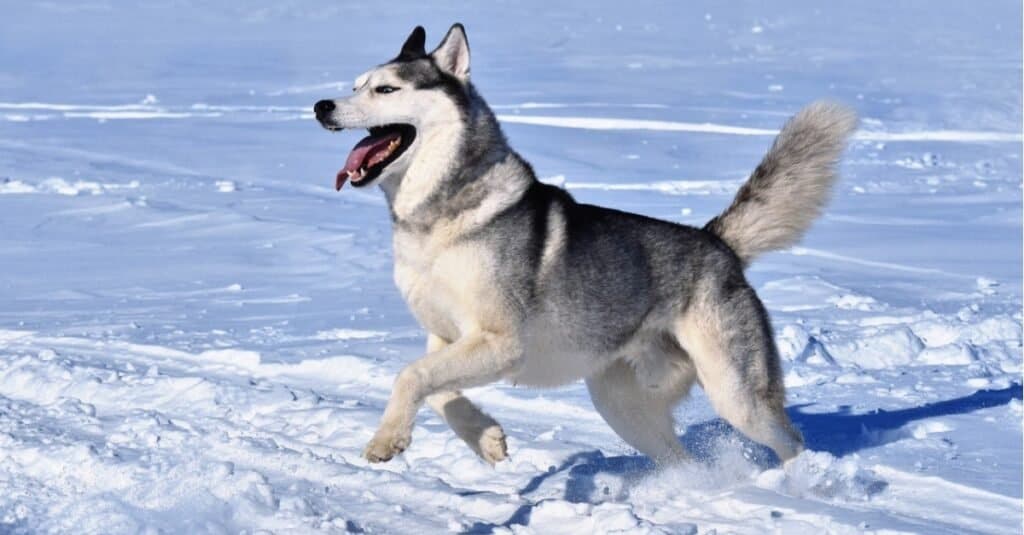
Siberian Huskies were originally bred to help the Chukchi people of Siberia hunt more efficiently.
©iStock.com/ortlemma
The Siberian husky was chosen to honor its 90-year legacy as the University of Connecticut mascot, Jonathan, which symbolizes the state’s spirit of resilience and energy. Chosen via a student poll in 1934, the breed represents a deep-rooted, beloved cultural tradition, winning over other canine candidates in a Connecticut Insider poll.