
Quick Take
- Gulls are revered in Utah for their historical significance.
- The non-native rainbow trout was replaced by a native fish species in 1997.
- Fifth grade students at Ridgecrest Elementary School were responsible for the selection of the honey bee as the state insect.
Utah is renowned for its unparalleled geological wonders. The state features thousands of natural stone arches, fiery red-rock canyons, and otherworldly, unique hoodoos formed by millions of years of erosion and wind. Utah’s dramatic, arid landscapes are home to incredibly diverse wildlife, with over 600 species. Of these, eight have been officially recognized to represent the state. Continue reading to discover the eight officially recognized state animals of the Beehive State.
Bird: California Seagull
The first animal to be officially adopted by Utah, the California gull (Larus californicus), was recognized in 1955. The gull was honored for the role it played in saving colonists’ crops from swarms of crickets in 1848.
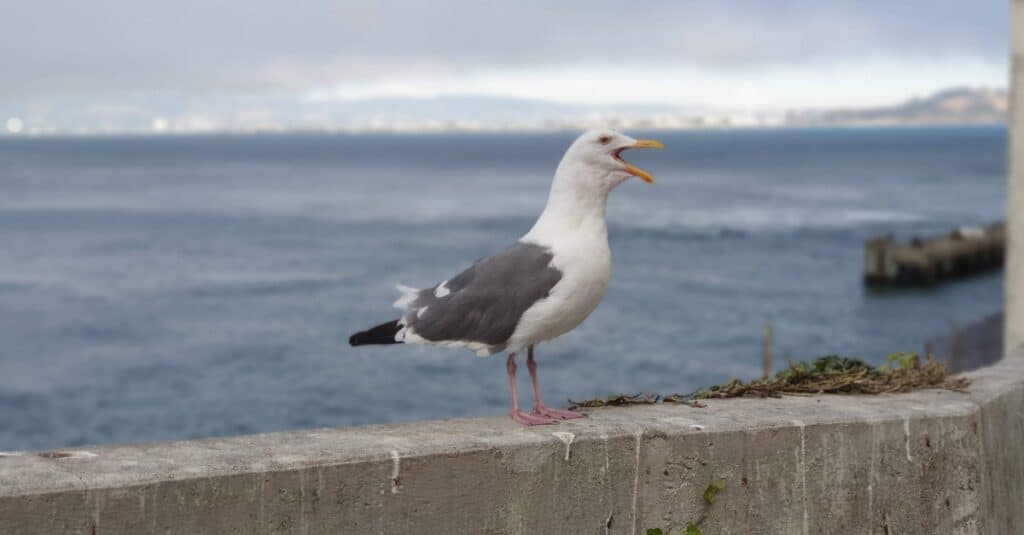
California gulls are highly intelligent and known to pick up and play with sticks.
©iStock.com/autina
The gulls, native to the region and nesting on nearby islands in the Great Salt Lake, flew in from the water to eat the insects, providing critical relief to the colonists.
The California Gull has a round head and is a medium-sized gull. In comparison to other gull species, the bill is thin. The wings are broad and pointed when in flight. Adult California Gulls that are in breeding plumage have a white head, a moderate grey back, yellow legs, and dark eyes.
Animal: Rocky Mountain Elk
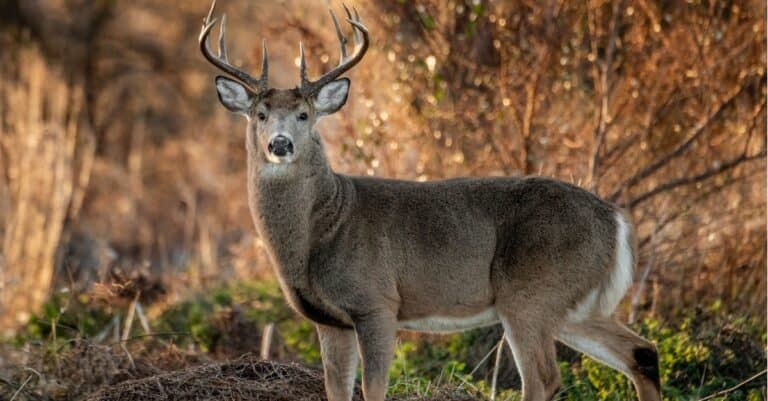
When then-Governor Calvin L. Rampton approved Senate Bill 18 on February 1, 1971, the Rocky Mountain elk (Cervus canadensis nelsoni) was officially designated the Utah state animal. Elks are ungulates. Male elk (bulls) have antlers that they shed annually. Female elk lack antlers and are smaller than bulls, which can weigh up to 750 pounds. Elk have a short, light-brown coat and a faint mane in the summer.
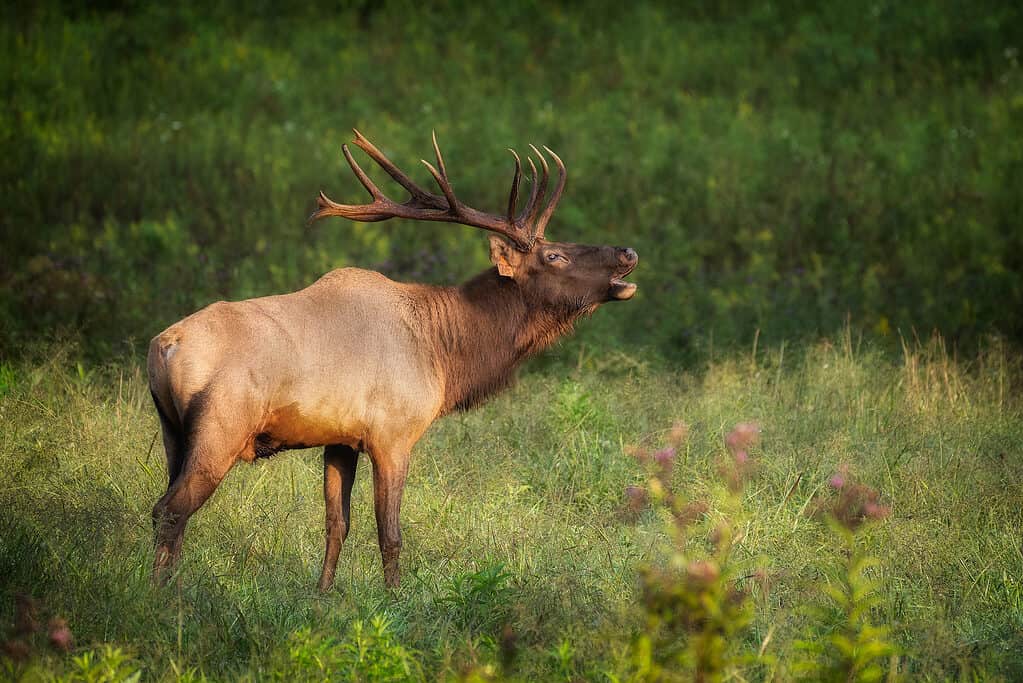
A mature elk bull is typically six feet tall and nine feet long.
©iStock.com/MattCuda
Rocky Mountain elk play a vital ecological role as large herbivores that shape vegetation and as a source of prey for predators. They are essential to Utah’s culture, hunting economy, and ecosystem management, with significant, managed populations throughout the state’s mountains.
Insect: Honey Bee
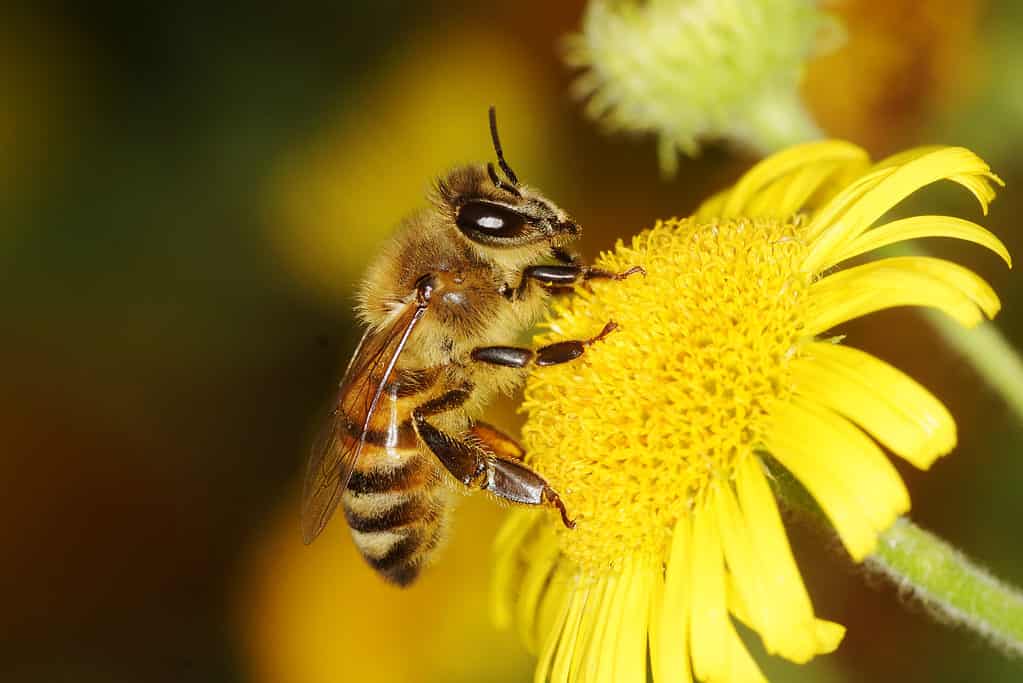
The honey bee is revered for its role in crop pollination and making honey.
©Maciej Olszewski/Shutterstock.com
When then-Governor Scott M. Matheson approved Senate Bill 216 on March 16, 1983, the honey bee (Apis mellifera) became the state insect of Utah. Due to the impressive efforts of the fifth-grade students at Ridgecrest Elementary School in Salt Lake County, Utah, then-Senator Fred W. Finlinson of that county introduced the measure.
Honey bees are crucial to Utah’s agricultural economy, contributing significantly to the pollination of key crops like fruit and alfalfa, while also supporting local honey production.
Fossil: Allosaurus
The Allosaurus (Allosaurus fragilis) was designated as the official state fossil of Utah in 1988. The selection was based on the abundance of Allosaurus fossils found in Utah.
Allosaurus was a dominant apex predator during the Late Jurassic (roughly 150 million years ago) that thrived in the semi-arid environments of the Morrison Formation. The Cleveland-Lloyd Dinosaur Quarry in Emery County is the most famous site, yielding 40–50 individual skeletons, which have provided scientists with unparalleled data on this theropod‘s life, anatomy, and pack-hunting behavior.
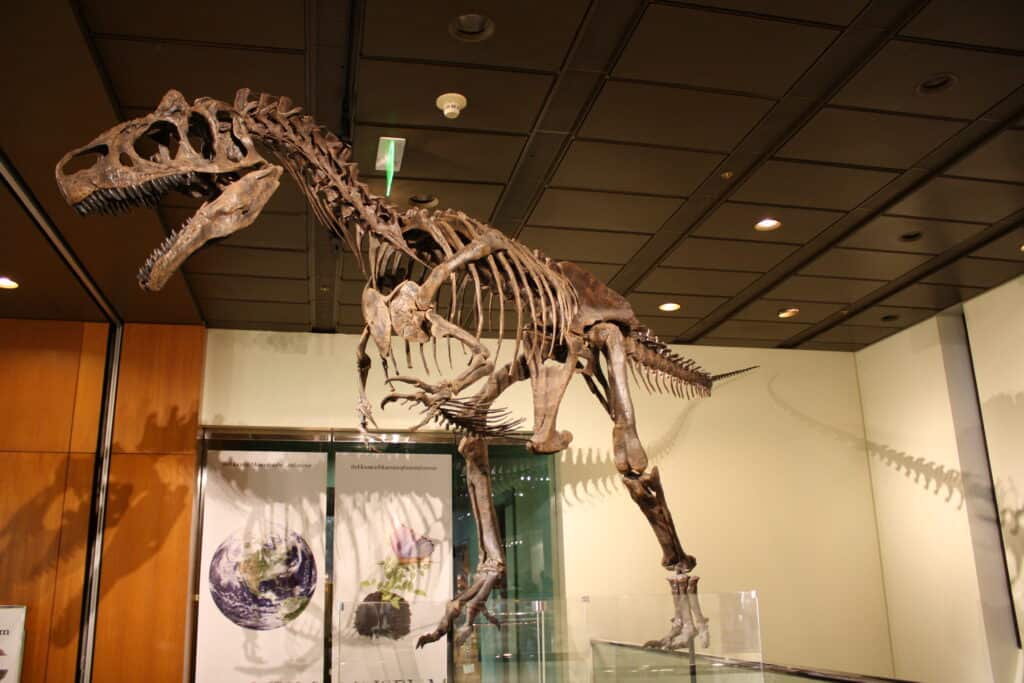
Allosaurus (Big Al II) was discovered in the Morrison Formation, parts of which are in Eastern and Central Utah.
Old Fish: Rainbow Trout
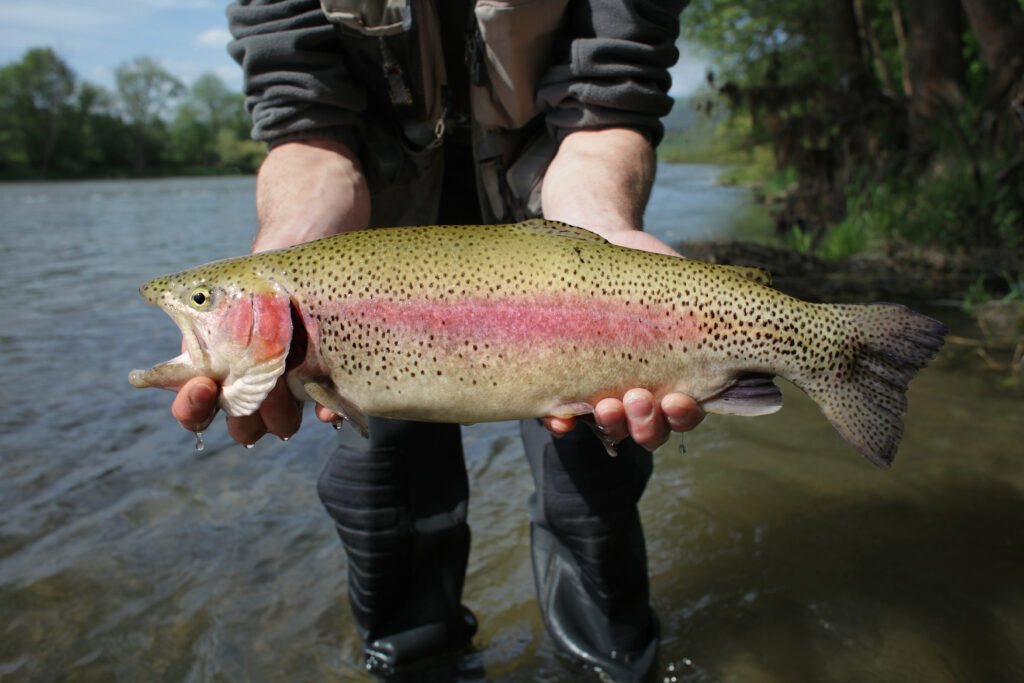
In Utah, rainbow trout average two pounds but typically weigh between one and four pounds.
©pictoplay/Shutterstock.com
The rainbow trout (Salmo gairdneri) was designated as the official state fish of Utah from 1971 to 1997. In 1997, the state ceded the non-native rainbow trout’s status to the Bonneville cutthroat trout (Oncorhynchus clarkii utah), a Utah native.
New Fish: Bonneville Cutthroat Trout
The Bonneville cutthroat trout is a trout species native to Utah’s Bonneville Basin and represents a unique, ancient link to the prehistoric Lake Bonneville. Known for their distinctive red jaw slashes and adaptability to warmer, lower-elevation waters, they play a crucial role in maintaining native biodiversity in Utah’s ecosystems.
Due to population declines from habitat loss and competition with non-native species, conserving and restoring Bonneville cutthroat trout populations is a high priority for maintaining native aquatic habitats in Utah.
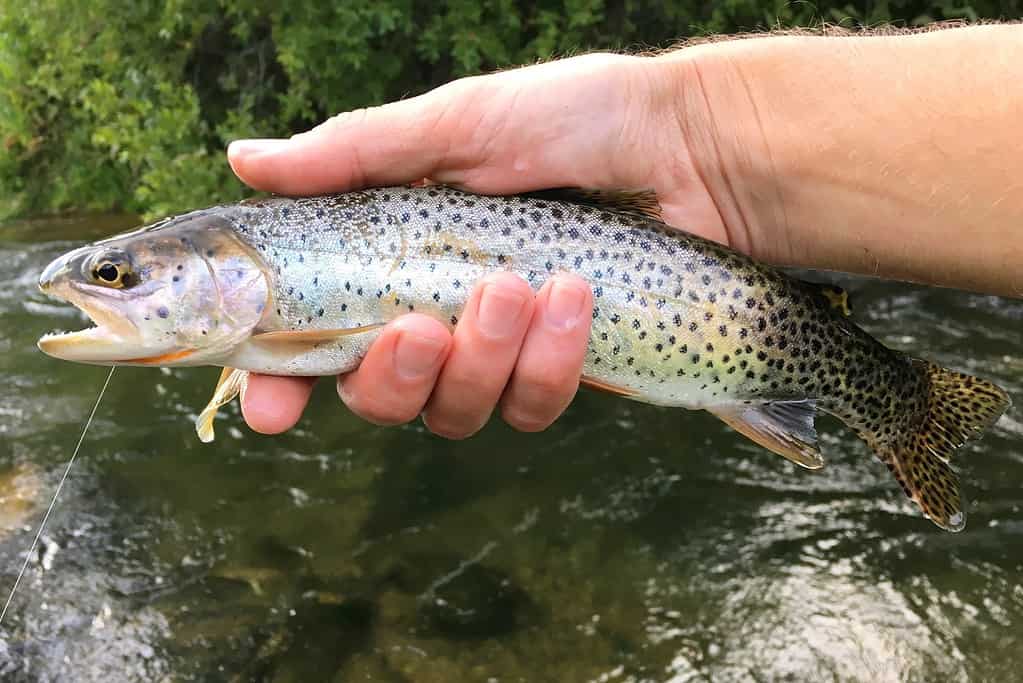
The Bonneville Cutthroat Trout is typically caught using a fly.
©Matt Jeppson/Shutterstock.com
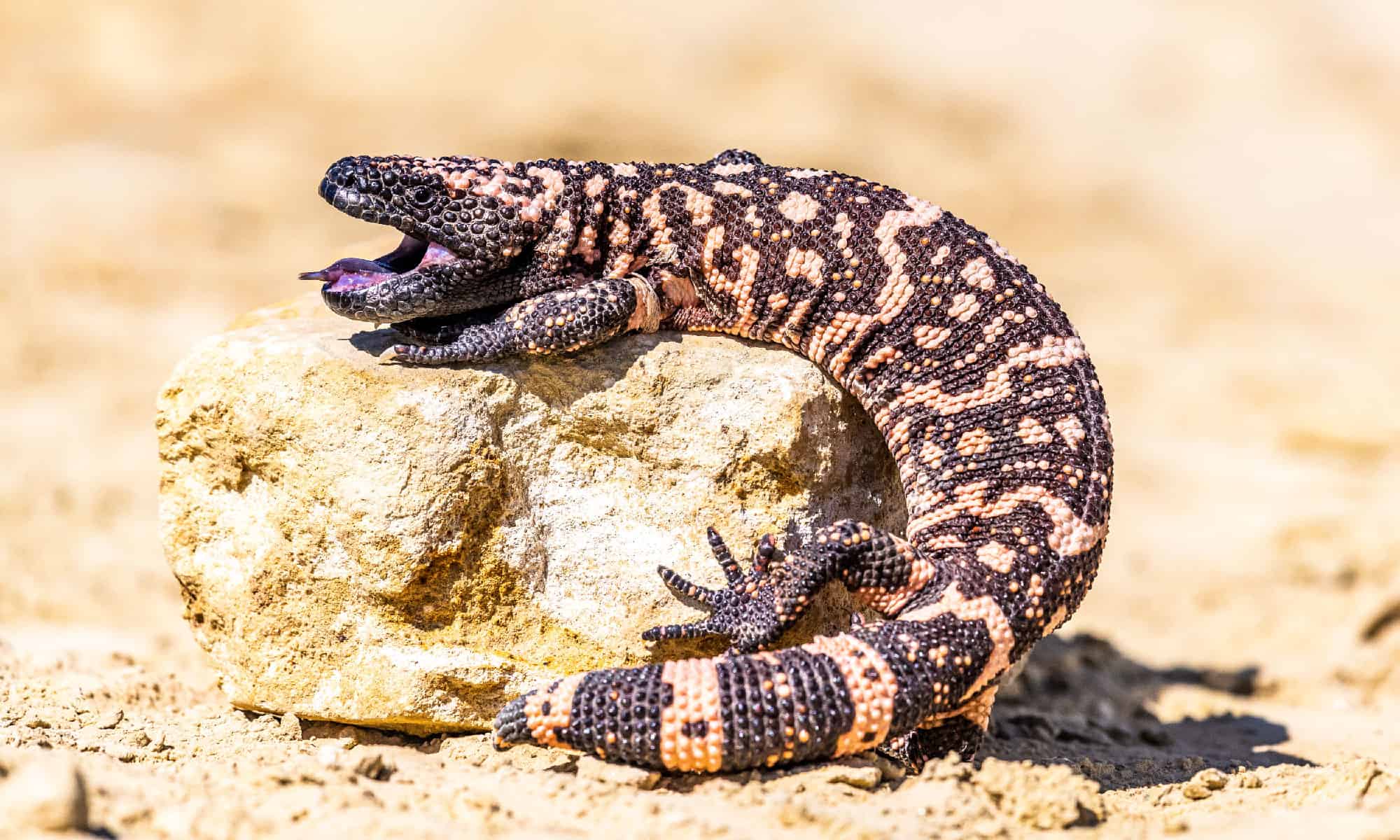
Reptile: Gila Monster
The Gila monster (Heloderma suspectum) was officially adopted as the state reptile of Utah on March 27, 2019.
These medium-sized lizards serve as crucial, protected apex predators and scavengers in southwestern Utah’s ecosystem, helping maintain the desert food web balance by consuming small mammals, birds, and reptile eggs.
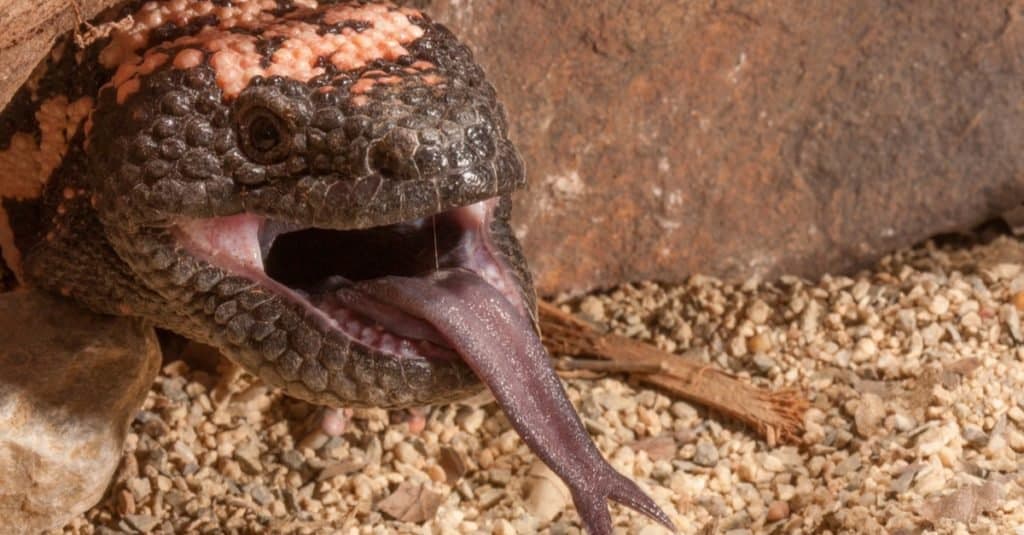
Gila monsters avoid open plains and agricultural areas and favor rocky hillsides.
©K Hanley CHDPhoto/Shutterstock.com
Gila monsters are native to southwestern Utah and are venomous, but they are generally not dangerous to humans unless harassed or handled. While their bites are extremely painful and require immediate medical attention, they are rarely fatal, with no documented human deaths in nearly a century. Their venom has significantly contributed to medical science, with components used to develop treatments for Type 2 diabetes.
Bird of Prey: Golden Eagle
When then-Governor Spencer Cox approved S.B. 116 in March 2022, the golden eagle (Aquila chrysaetos) became the official state bird of prey of Utah.

Golden eagles are apex predators whose primary prey is the jackrabbit.
©alberto clemares exposito/Shutterstock.com
One of North America’s swiftest and most agile raptors, the golden eagle has shiny gold feathers covering its head and neck. Its beak and talons are strong indicators of its strength in the hunt.
The golden eagle serves as a crucial apex predator, balancing ecosystems by controlling small mammal populations, particularly jackrabbits, which make up over 67% of their diet. They are year-round residents in Utah’s mountainous regions, occupying large territories.
Crustacean: Brine Shrimp
The brine shrimp (Artemia franciscana) was officially designated as the state crustacean of Utah on March 17, 2023, when then-Governor Spencer Cox signed H.B. 137. The bill was initiated by 6th-grade students from Emerson Elementary to highlight the importance of the species to the Great Salt Lake ecosystem.
Brine shrimp are a vital keystone species in Utah’s Great Salt Lake, serving as a primary food source for millions of migratory birds and supporting a $60 million annual international aquaculture industry. They graze on algae, maintaining the lake’s ecosystem balance, and are officially designated as Utah’s state crustacean.
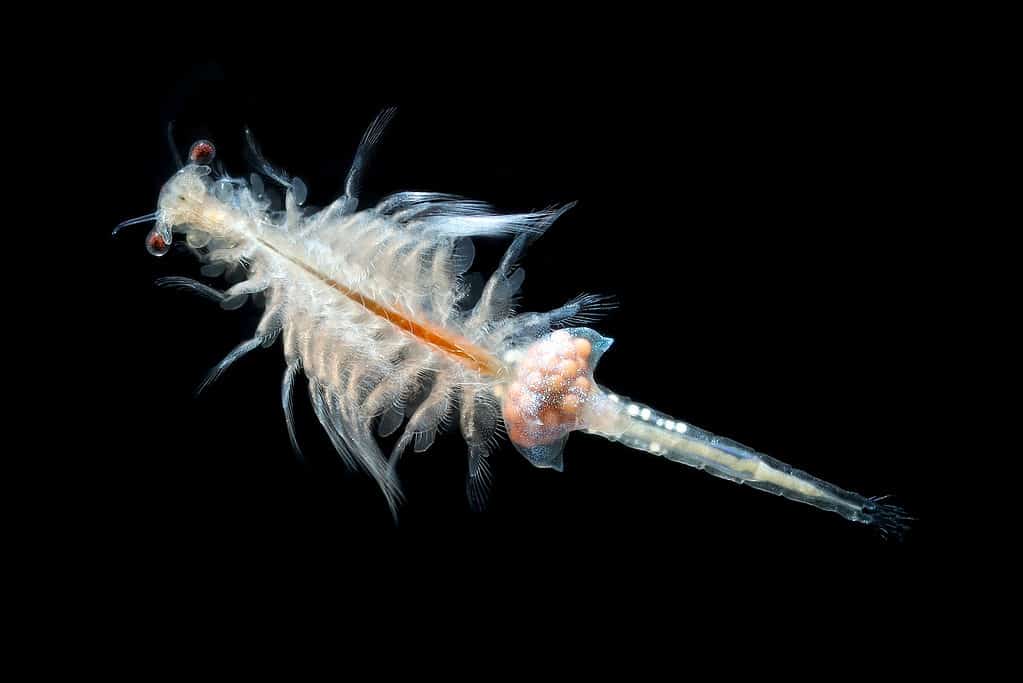
Brine shrimp are a whole genus of microscopic crustaceans that are exceptionally common zooplankton distributed all over the world.
©Dan Olsen/Shutterstock.com