
Quick Take
- The bushy-tailed Ringtail is Arizona’s official state mammal.
- The Arizona ridge-nosed rattlesnake is venomous, but its bite is rarely fatal.
- An 11-year-old child proposed the idea of an official state dinosaur.
Official state animals are furry, feathered, or scaly ambassadors that symbolize the history and culture of their state. Arizona’s official state animals represent the diverse wildlife and habitats found in the state’s deserts, mountains, and aquatic ecosystems. Continue reading to learn more about the seven animals Arizona has officially recognized as state symbols.
Bird: Cactus Wren
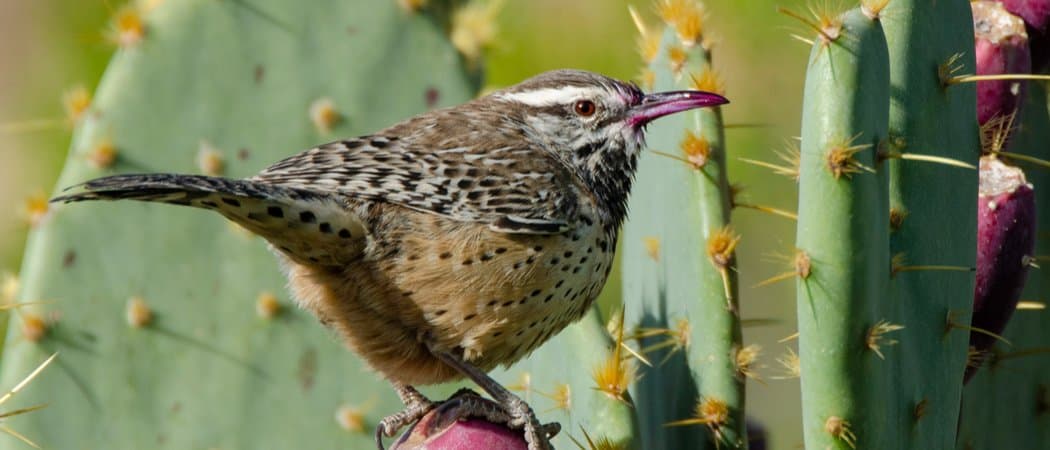
The cactus wren (Campylorhynchus brunneicapillus), Arizona’s official state bird, is largest wren in the United States. Influenced by the bird’s native status and its distinctive song, Arizona officially designated the cactus wren as its state bird in 1973.
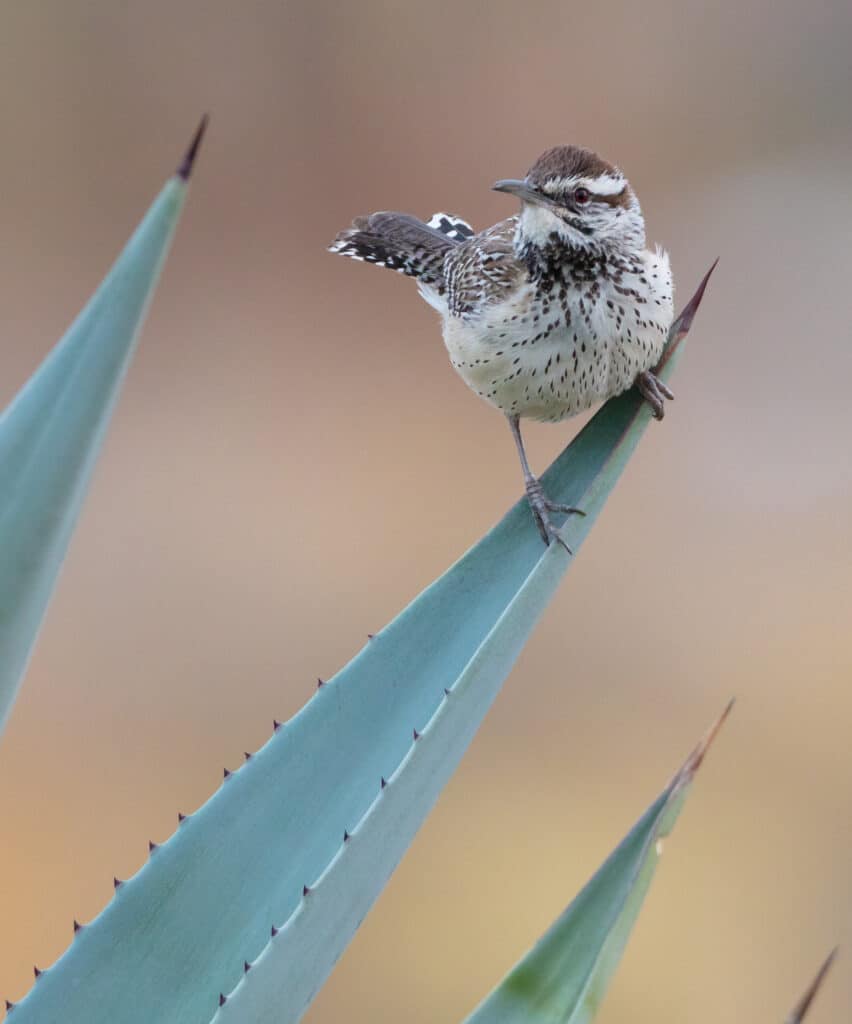
The cactus wren often builds its nests in cacti.
©Melinda Fawver/Shutterstock.com
Cactus wrens have speckled brown plumage, highlighted by striking white eyebrows. Their sides are pale cinnamon, and their chest is white with dark speckles. These colors help them blend into their desert environment.
They are lively creatures that may be seen hopping around on the ground, fanning their tails, or singing from the tops of cacti. Cactus wrens do not typically live in flocks. Instead, they generally live in pairs or in family groups from late spring through winter.
Mammal: Ringtail
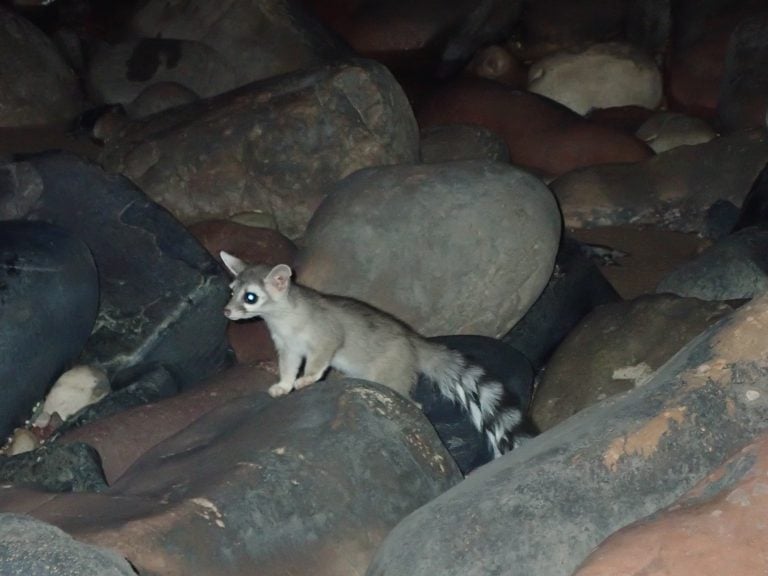
The ringtail (Bassariscus astutus), which belongs to the raccoon family, was designated as the state mammal of Arizona in 1986 by the Arizona State Legislature. It was chosen for its unique physical characteristics, social behavior, and native status.
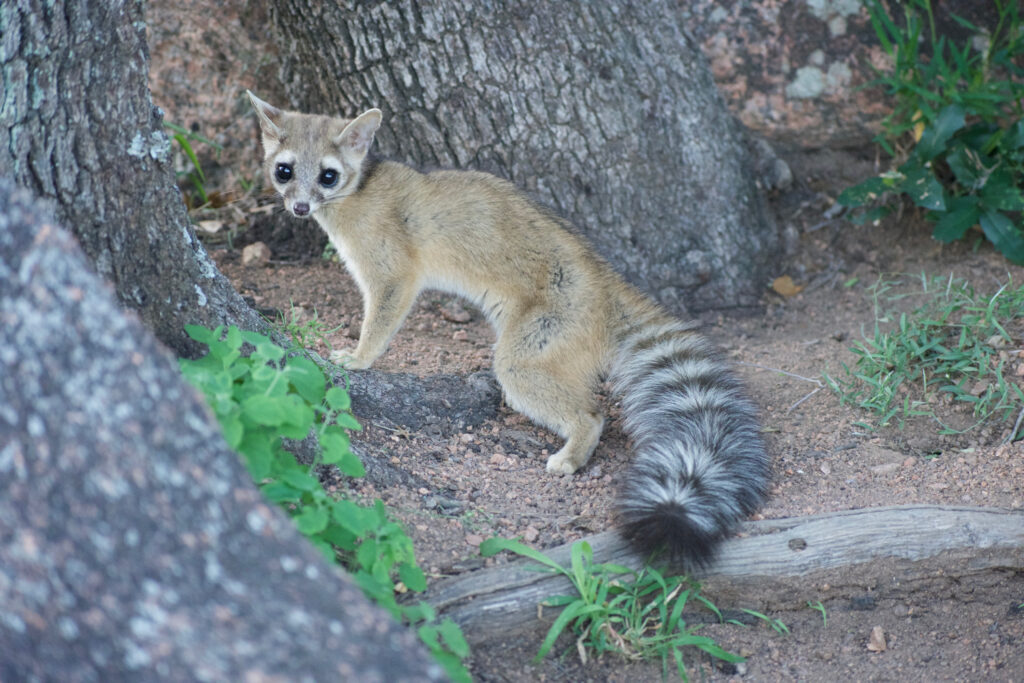
Ringtails are excellent climbers and jumpers.
©Carlos R Cedillo/Shutterstock.com
The ringtail is a small, nocturnal carnivore in the raccoon family with a fox-like face, large ears, and sharp, white-rimmed eyes. Its most distinguishing feature is a long, bushy tail with 14–16 alternating black and white bands, which is often longer than its body. Its coat is yellowish-tan to grayish-brown with a white belly.
Reptile: Arizona Ridge-Nosed Rattlesnake
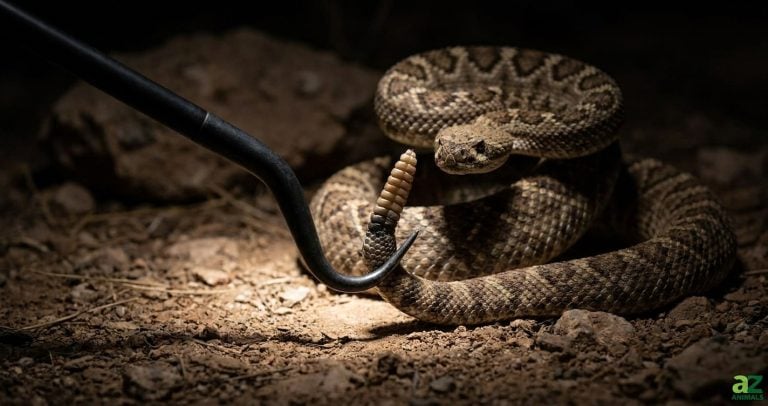
Found in Arizona’s mountains and canyons, the Arizona ridge-nosed rattlesnake (Crotalus willardi willardi) was selected as the official state reptile of Arizona in 1986. These rattlers have long, needle-sharp fangs that inject hemotoxic venom into their prey. The Arizona ridge-nosed rattlesnake was chosen as the official state reptile because it is indigenous to Arizona and symbolizes the state’s rugged wilderness
The Arizona ridge-nosed rattlesnake is yellowish-gray to reddish-brown with narrow white bands outlined by black borders. It has ridged scales, a triangular head with an upturned snout, a narrow neck, a moderately robust body, and a short tail.
This rattlesnake is diurnal (active during the daytime), preying on lizards, small rodents, and birds.
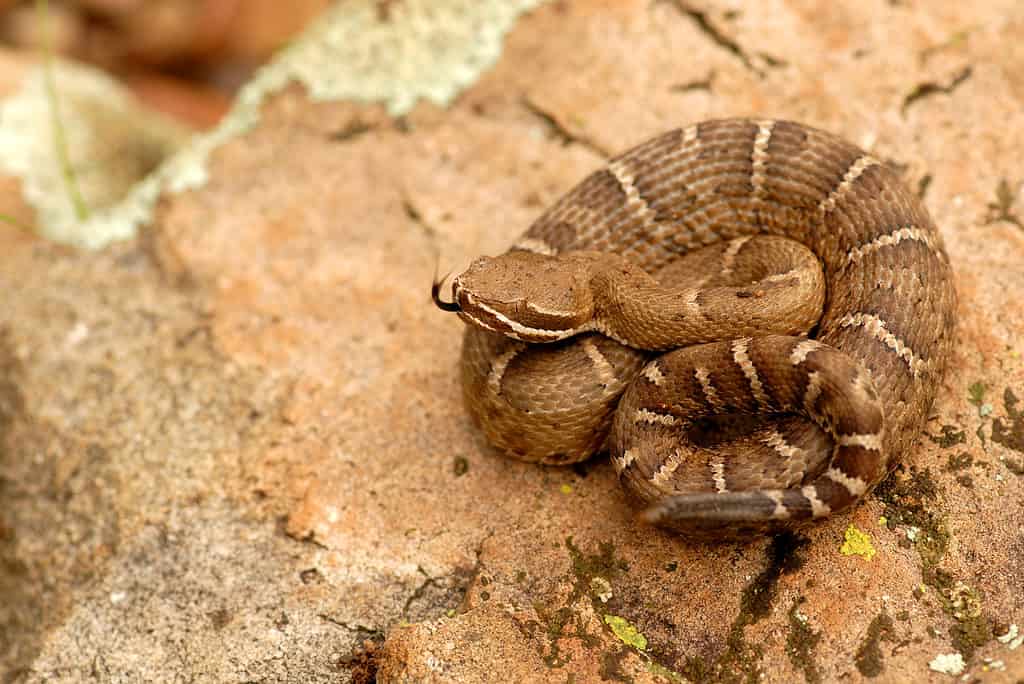
Although no fatalities have been recorded due to bites from the Arizona ridge-nosed rattlesnake, a bite from this species can still result in pain and discomfort.
©Rusty Dodson/Shutterstock.com
Amphibian: Arizona Tree Frog
The central mountains of Arizona are home to the Arizona tree frog (Hyla wrightorum), which has the distinction of being the state’s official amphibian.
The Arizona Game and Fish Commission held a program for school children to study different amphibian species and vote for their favorite. The Arizona tree frog emerged as the winner with over 3,000 votes and was approved by the state legislature in 1986.
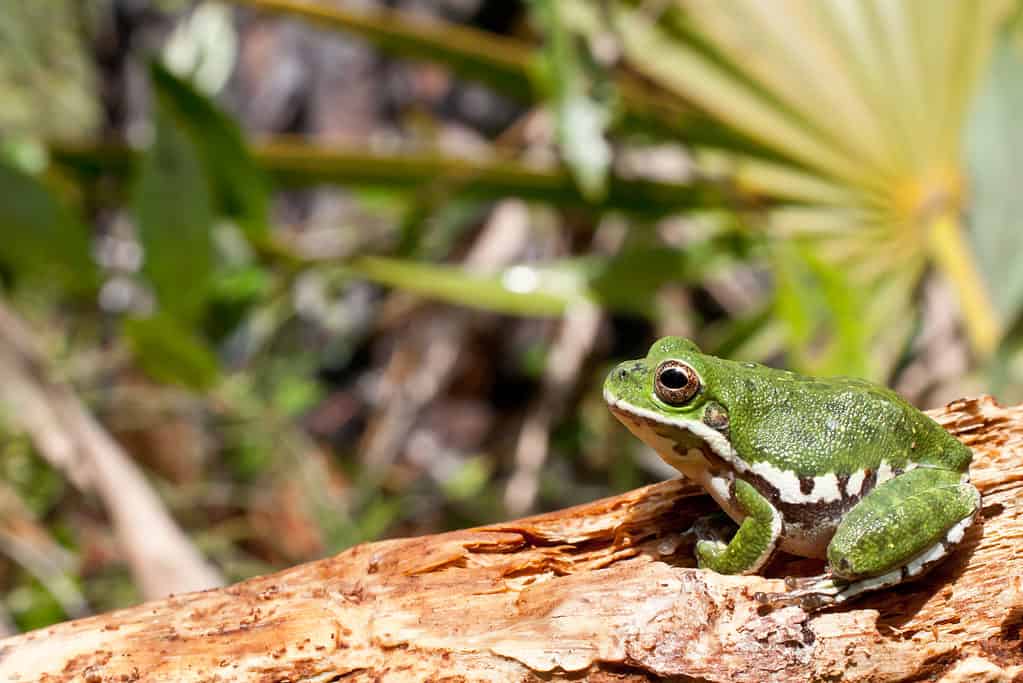
Arizona tree frogs are excellent climbers, and it is possible to spot them as high as 75 feet up trees.
©iStock.com/JasonOndreicka
The Arizona tree frog is bright green with distinctive dark stripes that begin at its blunt nose, extending along its sides. They are primarily nocturnal, although male tree frogs will often call during the day or in response to thunder, especially during the breeding season when they may feed and call both night and day.
Arizona tree frogs inhabit high-altitude oak, pine, and fir forests at elevations above 5,000 feet. Commonly called the mountain frog, this small amphibian measures only 0.75 to 2 inches long.
Fish: Apache Trout
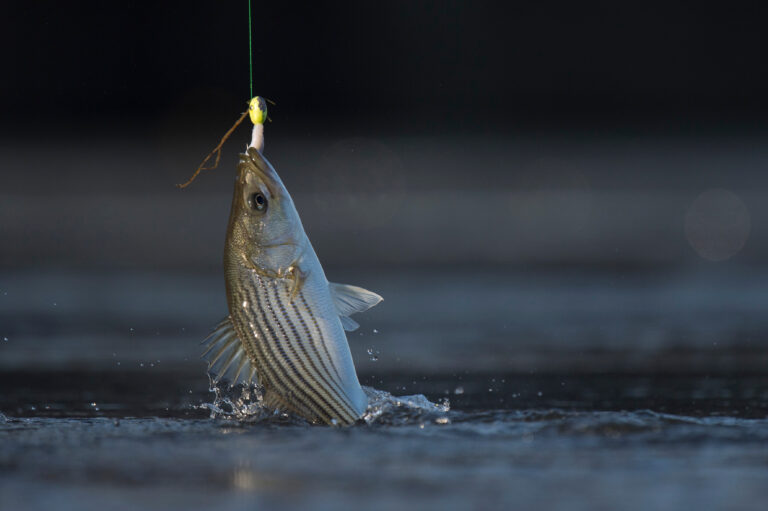
The Apache trout (Oncorhynchus apache) is a freshwater fish species that inhabits the waterways of Arizona. In 1986, due to its vulnerable status, the Apache trout was declared the state fish of Arizona to raise awareness and promote conservation measures to increase the species’ population.
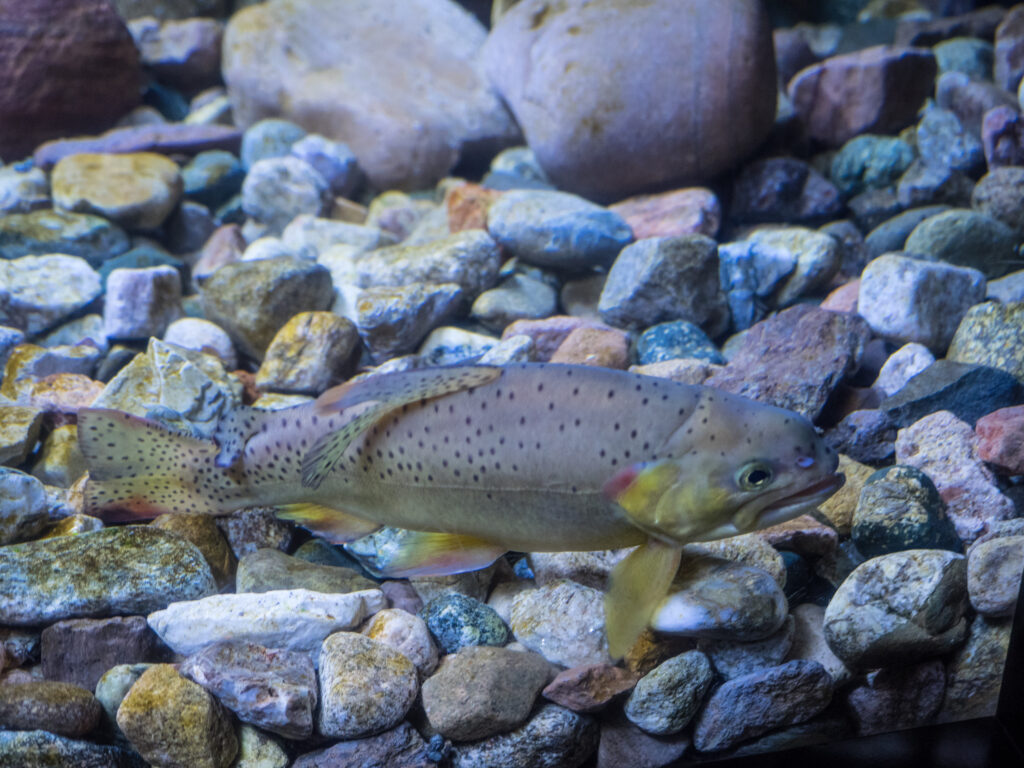
Female Apache trout spawn from March to mid-June.
©Mariusz S. Jurgielewicz/Shutterstock.com
Apache trout have dark olive backs and yellow-gold sides with sparse, irregularly placed spots. They thrive in cold, fast-flowing mountain streams at elevations above 8,250 feet. They consume both aquatic and terrestrial insects, plucking them from the surface of the water.
Butterfly: Two-tailed Swallowtail
In 2001, the two-tailed swallowtail butterfly (Papilio multicaudata) was officially chosen as the state butterfly of Arizona, symbolizing the state’s natural beauty and biodiversity.
With a wingspan ranging from 3 ½ to 5 inches, the two-tailed swallowtail butterfly is one of the largest butterfly species in Arizona. These butterflies have predominantly yellow wings with black stripes, and a notable feature that sets them apart is a small projection, or tail, on the hindwing.
Female two-tailed swallowtail butterflies lay their eggs individually on host plants such as chokecherry, hoptree, Arizona rosewood, ash trees, and lilac.
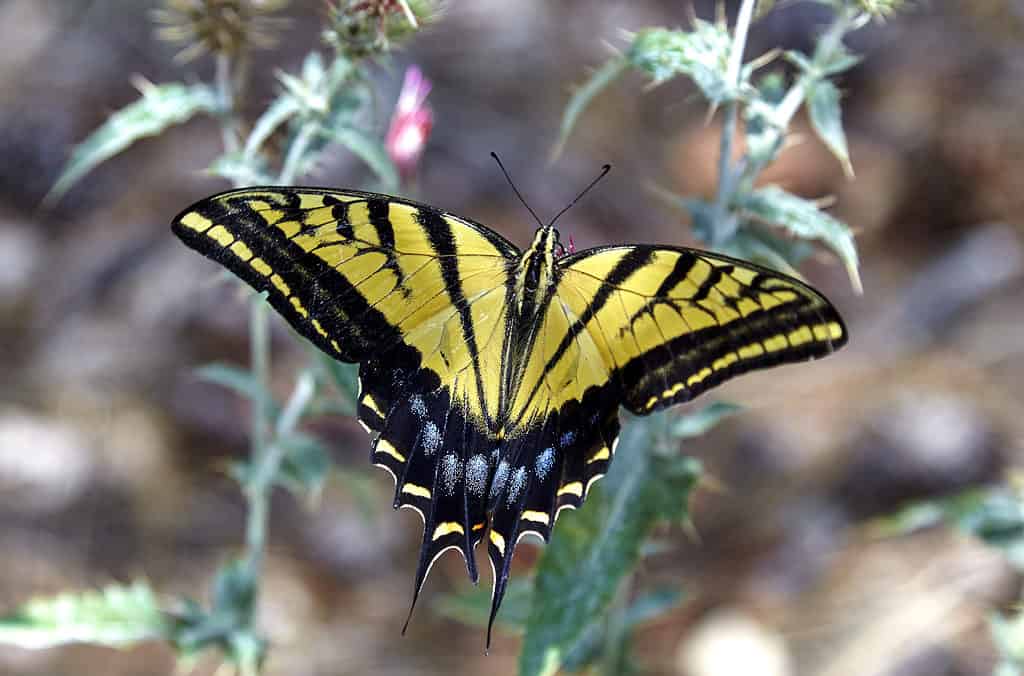
The two-tailed swallowtail butterfly feeds on nectar from a variety of plants, including thistles, milkweeds, California buckeye, and lilacs.
©Pamela Au/Shutterstock.com
Dinosaur: Sonorasaurus
Jax Weldon, an 11-year-old from Phoenix, Arizona, played a significant role in the designation of Sonorasaurus (Sonorasaurus thompsoni) as the official state dinosaur of Arizona in 2018. by writing a convincing letter to then-Governor Doug Ducey and state legislators. Fossils discovered in the Sonoran Desert also contributed to its selection as Arizona’s state dinosaur.
Little is known about Sonorasaurus thompsoni beyond the fragmentary remains discovered in 1994, which suggest it was a medium-sized, herbivorous brachiosaurid sauropod that lived in Arizona during the middle Cretaceous period, roughly 100 million years ago.
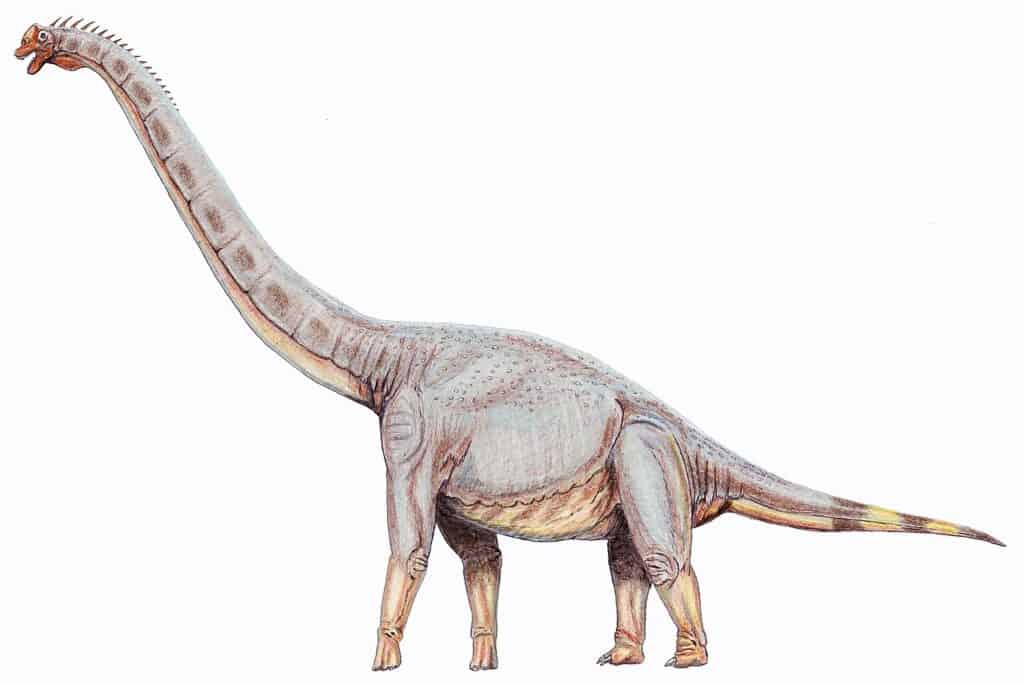
Sonorasaurus, belonging to the Brachiosaurid family. lived during the Early to Late Cretaceous period, between 93 and 112 million years ago.