
Quick Take
- Firefighters battling the Bonneville Fire reported 'close calls' with rattlesnakes, learn why. See the close calls →
- A state wildlife expert says the real rattlesnake danger doesn't peak during the fire. It peaks after. Read the expert warning →
- Nearly half of all rattlesnake bites share one thing in common. See bite prevention tips →
- The Great Basin rattlesnake has a built-in first response to fire, but it is the backup plan that puts people at risk. Discover the snake's response →
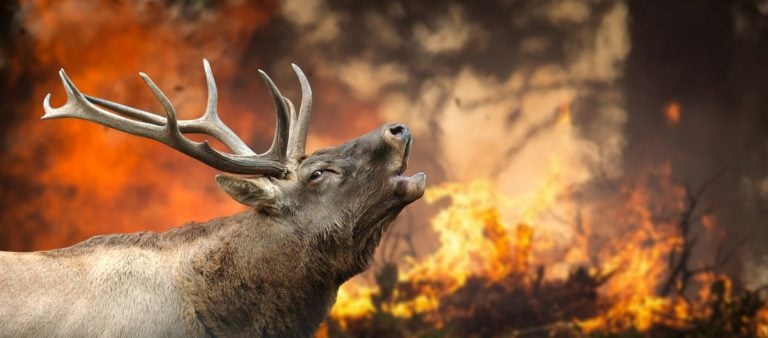
Recent wildfires in the foothills of Salt Lake City not only posed a threat to humans but also caused havoc among the local wildlife, including the Great Basin rattlesnake. The Bonneville Fire began near the University of Utah on June 20th, scorching the rocky foothills. Displaced animals attempting to escape the fire were headed directly into residential neighborhoods, hospital grounds, and the university campus. The fire burned for five days before officials reported it is now 95% contained, and management is transitioning back to the local firefighting unit.
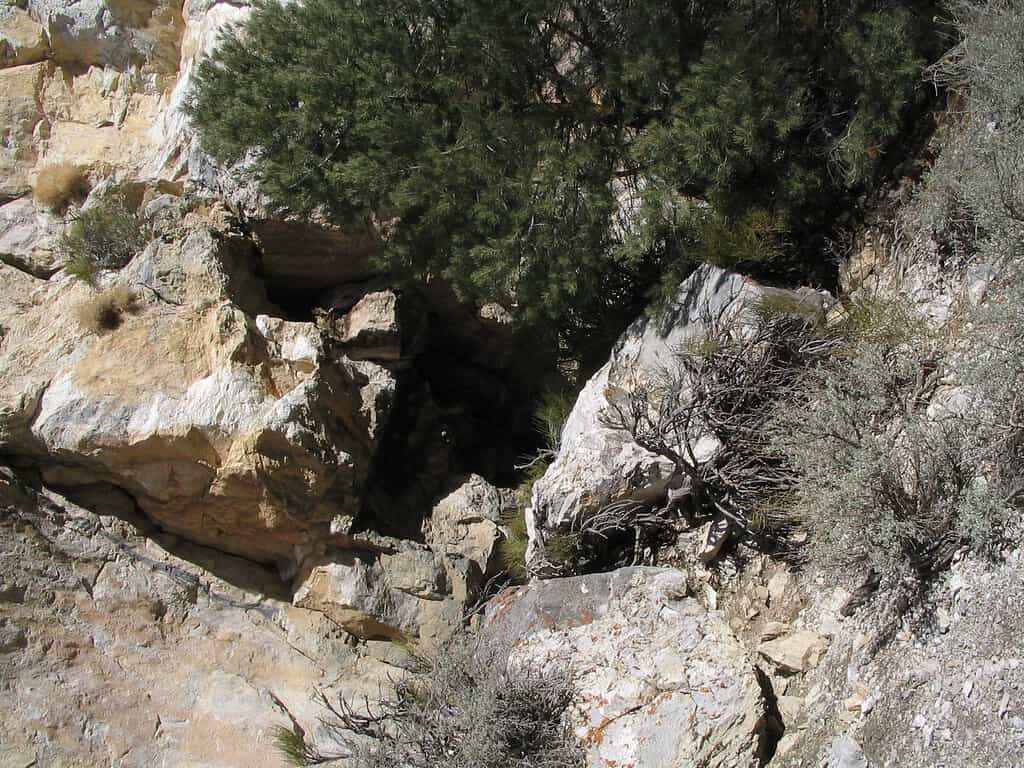
A 566-acre fire burned in the Great Basin foothills near the University of Utah in June, 2026.
Welcome to Rattlesnake Country
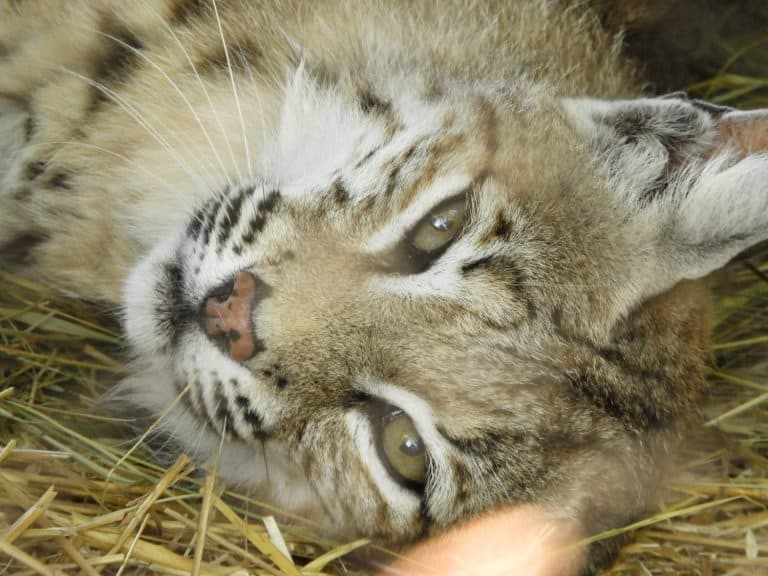
During the fire, a normally shy reptile was driven out of its usual habitat and into areas where people were present. The foothills above the university are home to a diverse array of wildlife, including mule deer, bobcats, coyotes, black bears, and snakes.
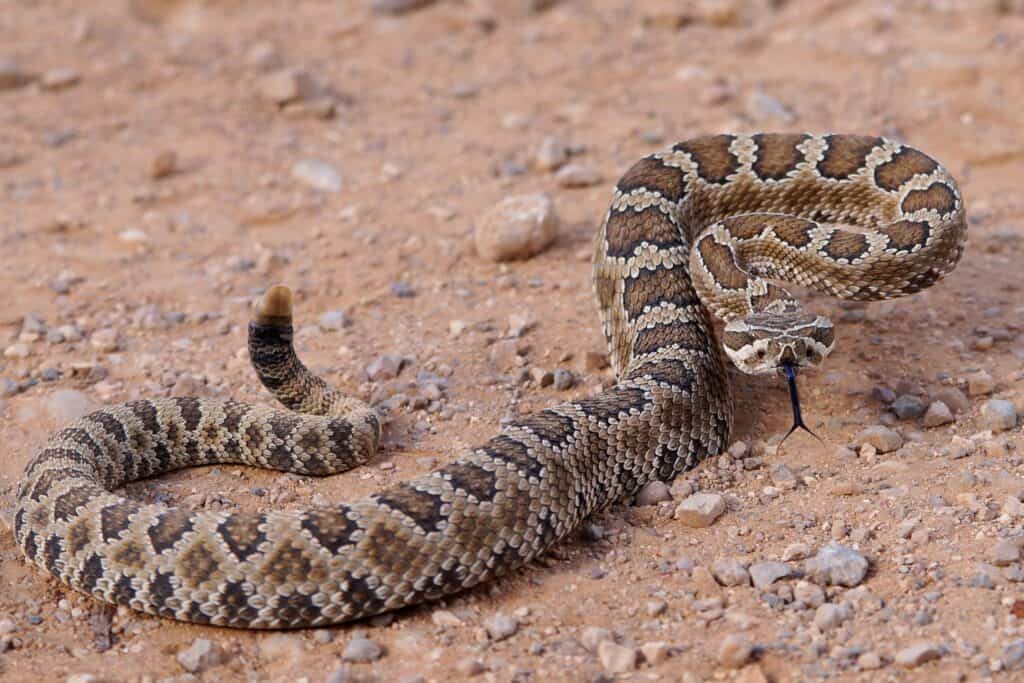
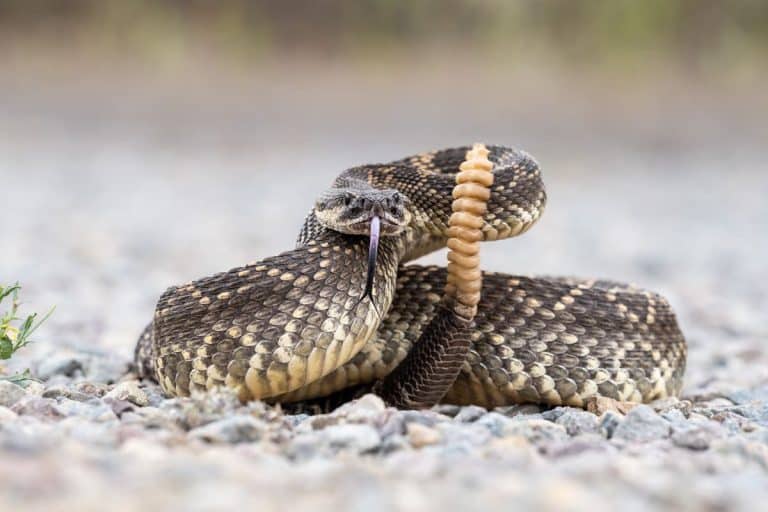
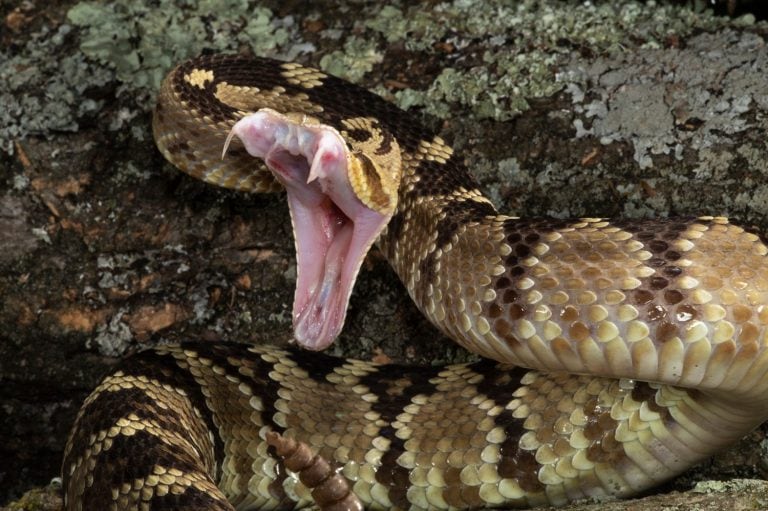
Great Basin rattlesnakes are typically shy and try to flee or hide when they encounter people.
©Matt Jeppson/Shutterstock.com
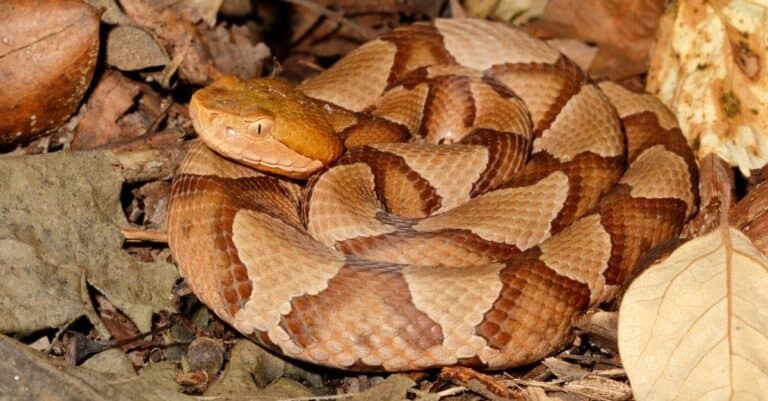
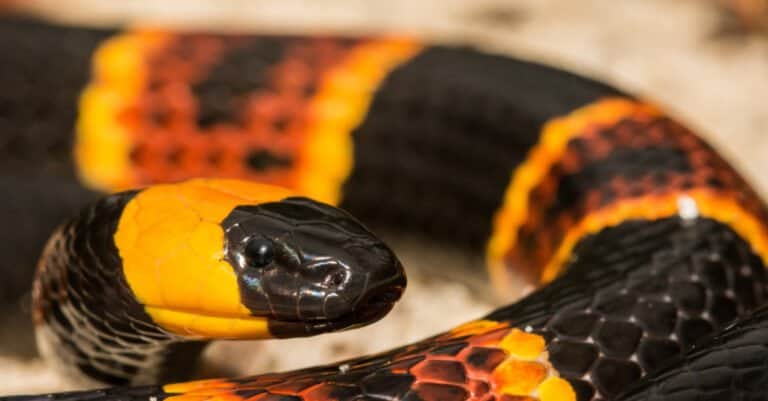
In the Salt Lake City foothills, the only venomous snake one might encounter is the Great Basin rattlesnake (Crotalus lutosus), although there are several other harmless lookalike species also common to the area. “Rattlesnakes are a big issue up in there,” Sierra Hellstrom, the spokesperson for the wildfire response, said during a news conference.
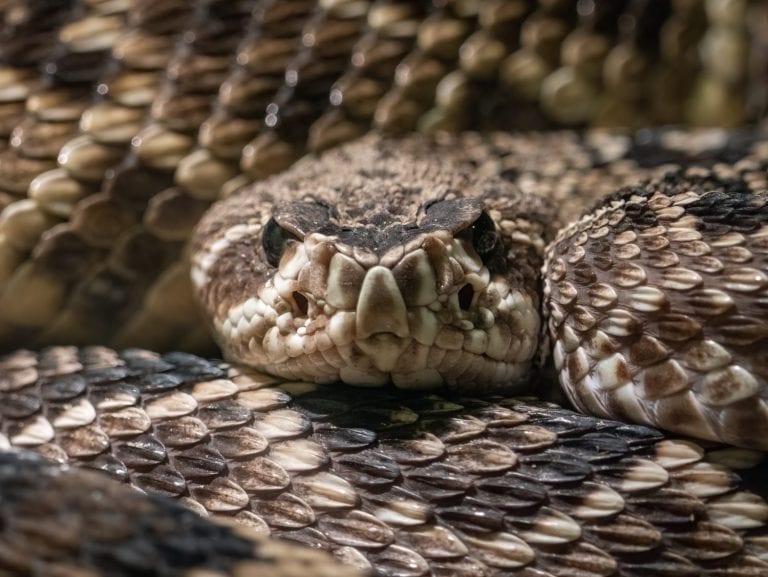
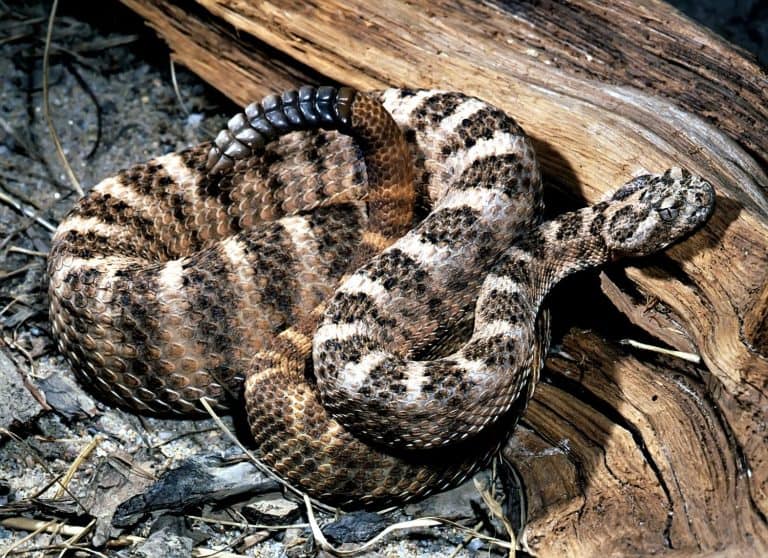
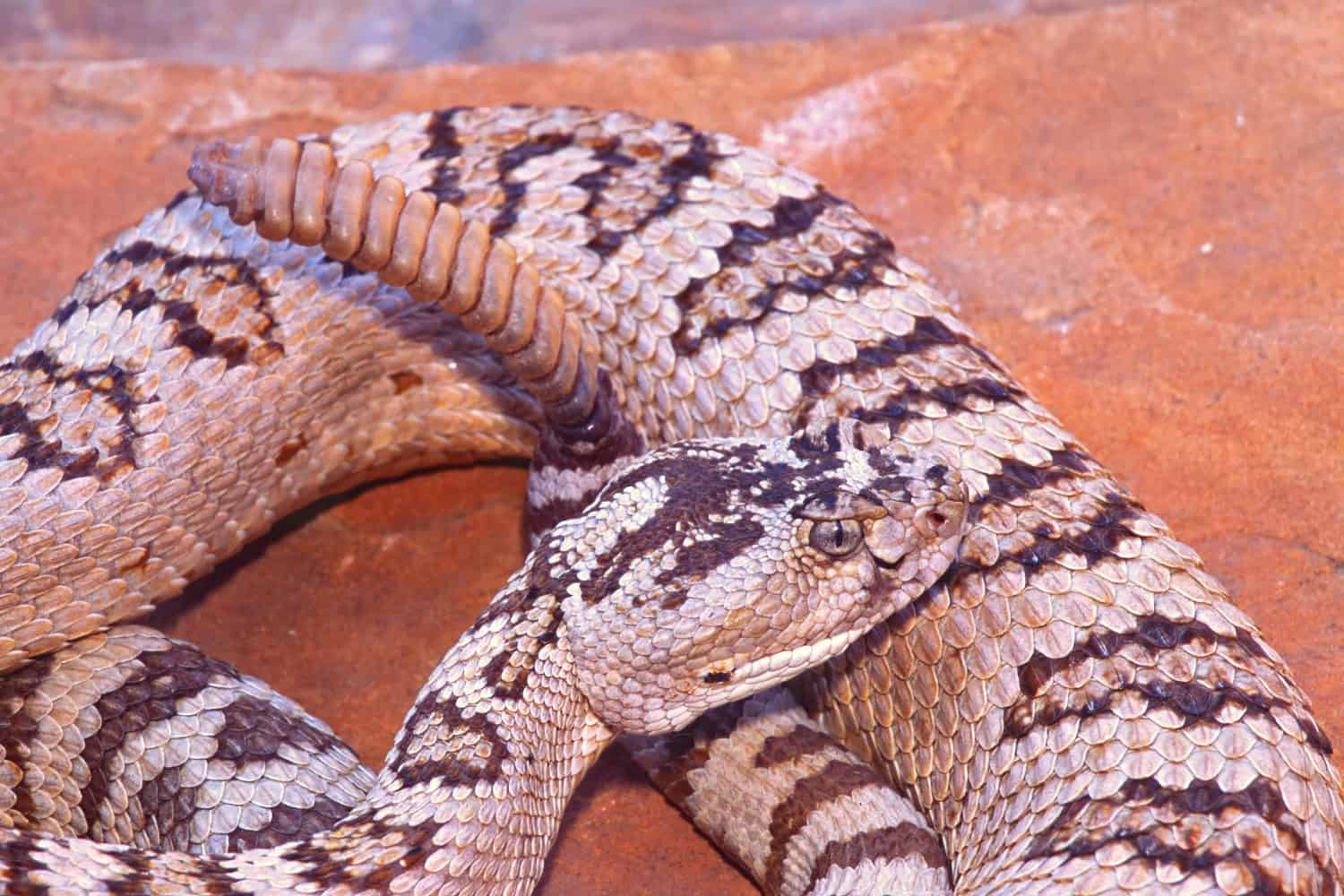
The Great Basin rattlesnake is a pit viper and a subspecies of the Western rattlesnake (Crotalus oreganus). Although its bite is venomous, the rattlesnake uses it only for hunting and self-defense. When the rattlesnake encounters a human, it will usually try to flee before resorting to biting. In fact, it typically bites only as a last resort when it feels cornered or threatened.
Firefighters on the Frontline

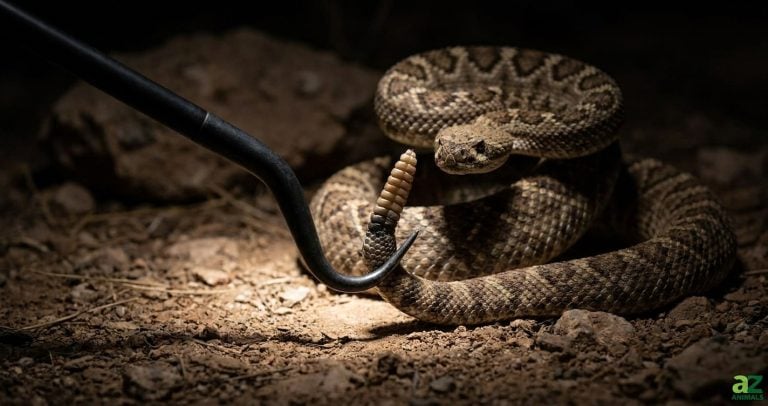
Although close calls may happen, firefighters know to watch out for fleeing wildlife, such as rattlesnakes, when dealing with wildfires.
©Toa55/Shutterstock.com
Firefighters have made numerous sightings of rattlesnakes while working to put out flames in the foothills. Fortunately, no firefighters have been injured, although Hellstrom reported, “there have been some close calls.”
Sightings May Rise After the Fire Is Out
Alyssa Hoekstra, state herpetology coordinator for the Utah Division of Wildlife Resources, told the Salt Lake City Tribune that a snake’s first instinct during a fire is to go underground. However, if it finds an opening, it may try to escape above ground. This is when rattlesnake sightings may go up in more populated areas that they generally avoid.
Hoekstra is also concerned that after the fire is out and the trails reopen, many of the rattlesnakes’ usual hiding spots will be gone. With the brush and grass burned away, people will likely have more encounters with snakes that have nowhere to hide.
How to Stay Safe
Although Great Basin rattlesnakes are common in the area, bites from the venomous snake are rare. According to the National Park Service, “Nationwide, almost half of all rattlesnake bites occur when people are trying to kill, capture, or otherwise harm the snakes. Your safest action is to leave rattlesnakes alone and they will leave you alone.”
Experts recommend keeping a 10-foot distance if you see a snake, and warning other hikers when you spot one to help avoid surprises.