
Quick Take
- The coyote became South Dakota’s state animal in 1949, chosen for its resilience, adaptability, and intelligence over other candidates like the bull.
- A celebrity coyote named Tootsie helped sway public opinion after being rescued in the Black Hills, showing the animal’s charm and cleverness.
- Despite its symbolic status, South Dakota once ran a state bounty program paying hunters for adult coyotes and pups, though the program has ended.
- Coyotes hold cultural significance in Native American folklore and thrive across the state today, with an estimated population of around 70,000.
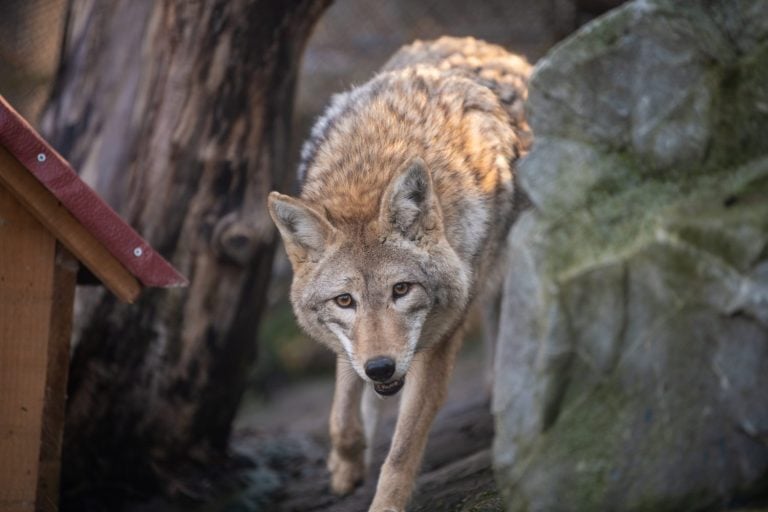
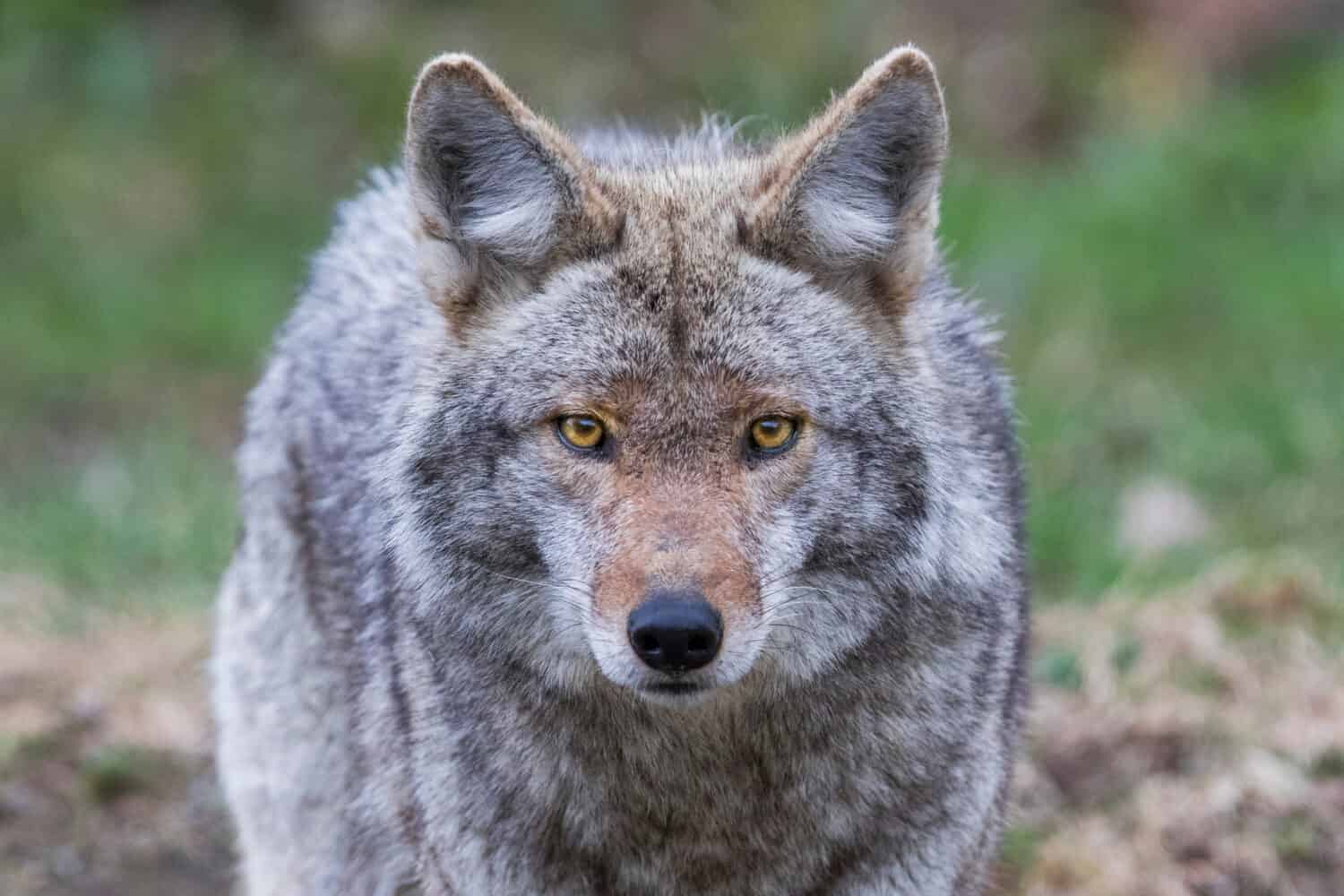
An animal once considered a pest with a bounty on its head managed to become the official state animal of South Dakota. The bull was also considered, but lawmakers ultimately chose the coyote for its resilience, adaptability, and intelligence. A celebrity coyote named Tootsie had a lot to do with changing public perception of the animal. Today, coyotes thrive in South Dakota. With a population of around 70,000, South Dakota has one of the highest populations of coyotes in the country.
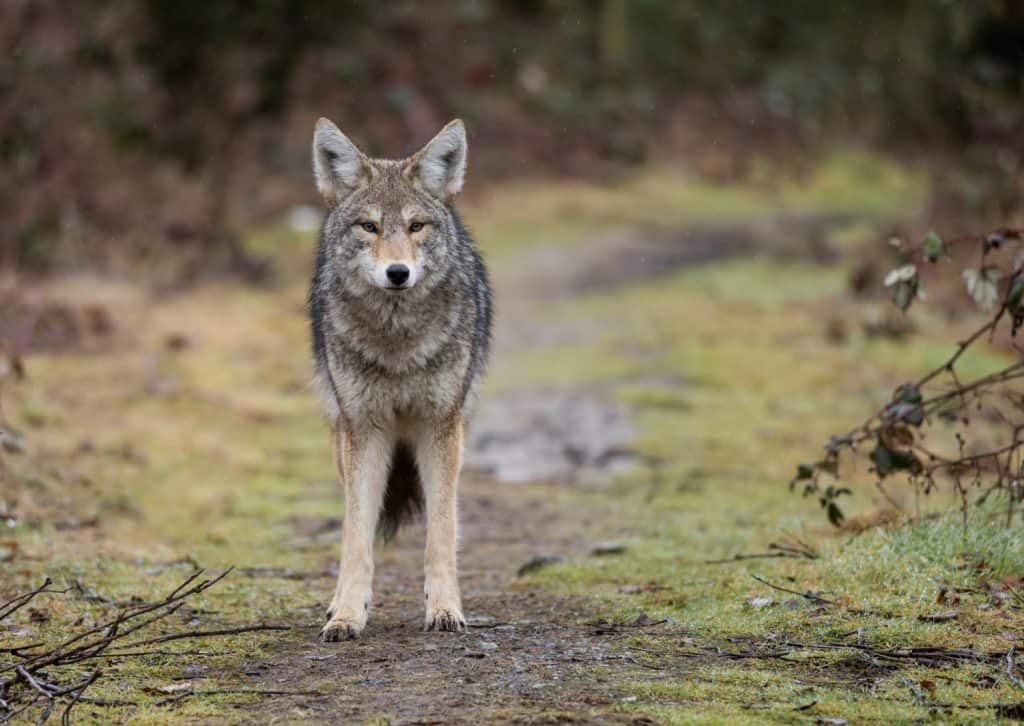
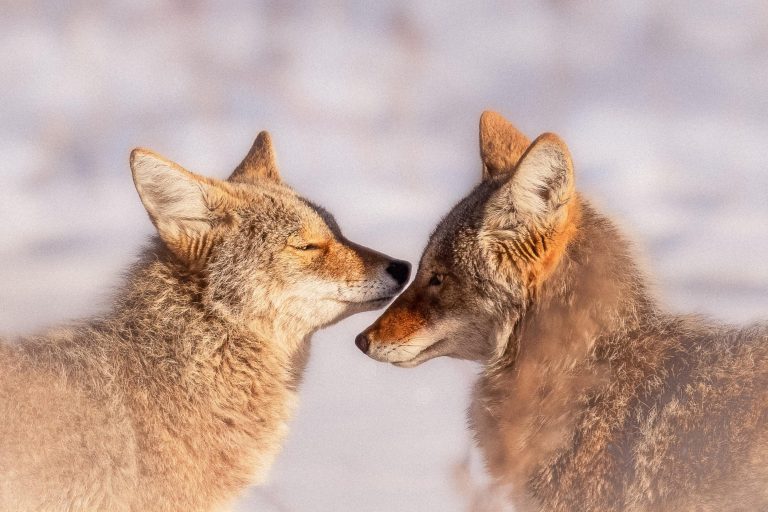
Coyotes can survive in nearly every type of habitat across North America.
©Harry Collins Photography/Shutterstock.com
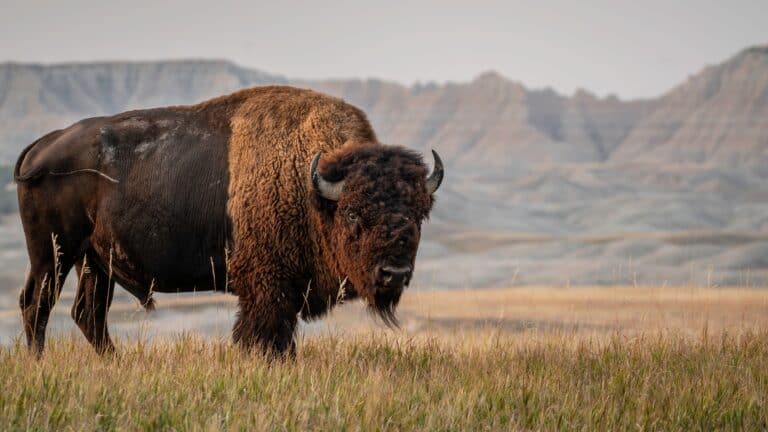
Governor George T. Mickelson signed the legislation to designate the coyote as the official state animal of South Dakota on March 5, 1949. Lawmakers debated other animals during the floor discussion, including the bull. But the coyote won the day with State Senator Alfred Roesler saying, “The coyote has managed to get along in the face of civilization that is encroaching upon him. Again, you might say his spirit to survive is a lot like the citizens of South Dakota who have gone through adverse conditions.” There was a fairly recent attempt to change the state animal from the coyote to the bison in 2012, but the bill failed, and the coyote retained its position.
When settlers began arriving in South Dakota in the 1800s, the people faced harsh conditions. They had to deal with blizzards, prairie fires, floods, and grasshopper plagues. To survive, people dug deep wells for water, burnt buffalo chips for warmth, and built their homes from prairie sod. It’s no wonder that state lawmakers sought a resilient and resourceful animal such as the coyote to represent the people of South Dakota.
Coyotes hold an important place in Native American culture. The Aktá Lakota Museum & Cultural Center describes the coyote, šuŋgmánitu, as a “trickster and culture hero, often described as witty, clever, obscene, vulgar, and thieving.” In folklore, the coyote often takes the shape of a man who plays tricks on people. The stories frequently end with the coyote having to face the consequences of his bad decisions, teaching people morality.
Like other large predators that preyed on farmers’ livestock, coyotes were considered pests. Many states, including South Dakota, offered bounties. However, one man’s pet coyote, Tootsie, helped to change public opinion about coyotes. In 1947, Deadwood resident Ollie Wiswell found a female orphaned pup too young to care for herself wandering the Black Hills of South Dakota. Ignoring the bounty on pups, Wiswell brought the helpless little pup home.
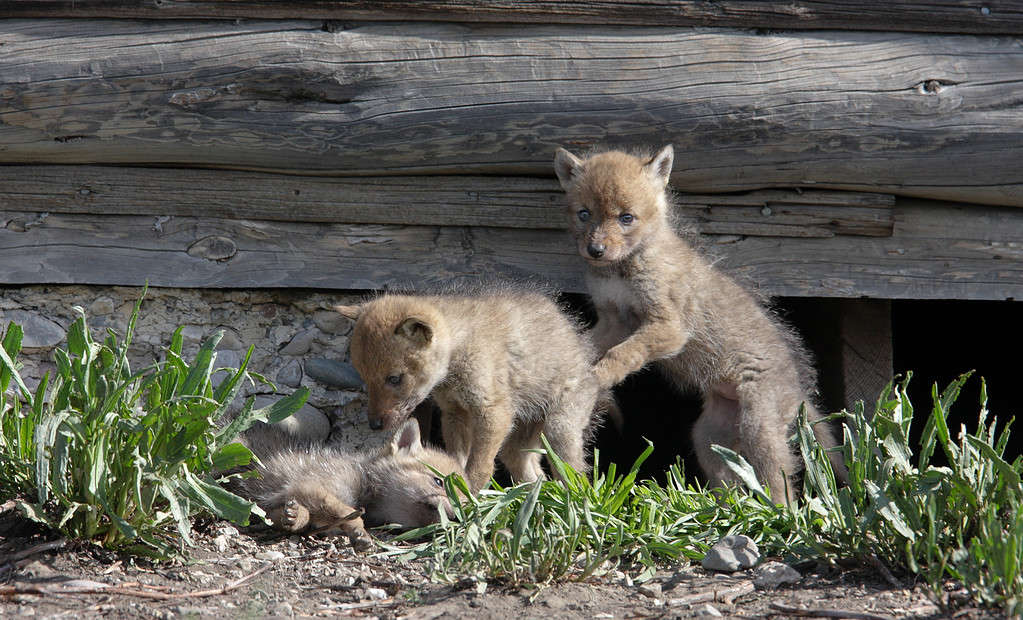
When coyotes face population decline, mothers give birth to larger litters, helping their populations rebound.
©Ronnie Howard/Shutterstock.com
Wiswell gave the coyote to Fred and Esther Borsch, owners of the Spot Liquor store in Deadwood. The Borsches loved the pup. They named her Tootsie, and Fred taught her how to howl along to his singing. Tootsie proved to be very popular, not only in Deadwood but around the country. Fred even took her on a ten-state tour, which included a visit to the White House. Rumor has it that President Eisenhower and Vice President Nixon were enthralled by the friendly coyote. Two years after Wiswell saved Tootsie in the Black Hills, coyotes became the official state animal. Today, the former Spot Liquor store is now known as Tootsies Taproom.
Although the coyote is now the state animal, South Dakota once paid hunters $5 for adult coyotes and $2 for coyote pups through a state-run bounty program. While the state program has ended, some counties still offer bounties for coyotes during certain times of the year.
Unlike other large predators, such as wolves and bears, coyotes have been expanding their range for the past 100 years. Today, they live in nearly every type of ecosystem in North America. Before the 1700s, coyotes mainly lived in the prairies and deserts of central North America and Mexico.
There are several reasons why coyotes thrive in forests, prairies, grasslands, suburban, and urban environments alike. For one thing, coyotes are opportunistic feeders and will eat a variety of small animals, plants, and carrion. They hunt rabbits and squirrels in the suburbs, scavenge trash, and even prey on small pets. In rural areas, they also feed on larger animals such as deer and livestock.
Furthermore, many large predators that competed with coyotes have been eradicated across much of the lower 48 states, allowing coyotes to move in and multiply. And finally, coyotes will give birth to larger litters and mate at younger ages when their population is experiencing stress or decline. Despite bounties on their heads, persecution by farmers and ranchers, and various attempts to eradicate them, coyotes have ways of quickly rebounding their populations.