
Quick Take
- The animals' response to the first artificial bridge stunned even the scientists who built it. See the surprising result →
- An Indigenous community had quietly solved half the problem long before any biologist showed up. Meet the Waimiri Atroari community →
- Where these bridges exist, something that happens constantly on nearby roads has stopped entirely. See the zero roadkill data →
- A design born in one patch of Amazon forest is now the legal blueprint for an entire country. How it became national law →
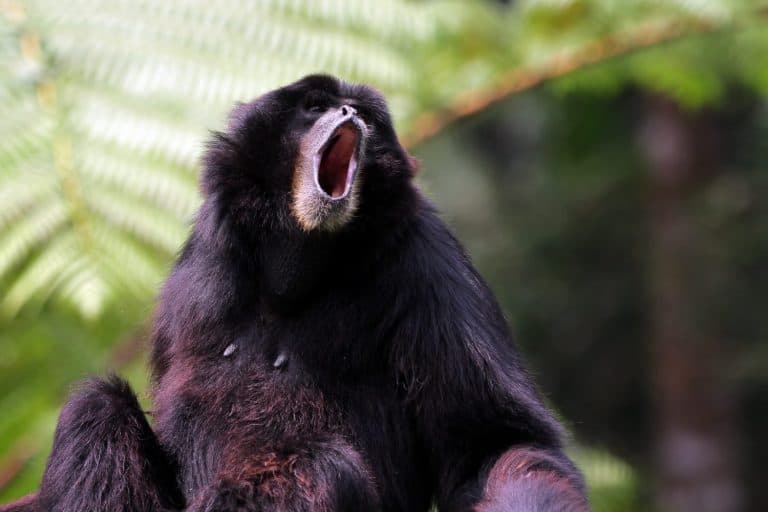
In the Brazilian Amazon, a highway can be far more than a strip of pavement. For monkeys that spend most of their lives moving through the treetops, a road can divide one continuous forest into two worlds.
Fernanda Abra is trying to reconnect them.
Abra is a biologist, road ecologist and entrepreneur, but when asked to choose one title, she keeps it simple: “If I need to pick at least one role, it would be a conservationist,” she says. “Everything I do, I have the main objective to save the maximum of lives that we can on road projects.”
That goal led Abra to create Project Reconecta in 2019. The project installs artificial canopy bridges above roads, giving monkeys and other tree-dwelling animals a way to cross the busy Brazilian highways without descending to the ground and entering traffic.
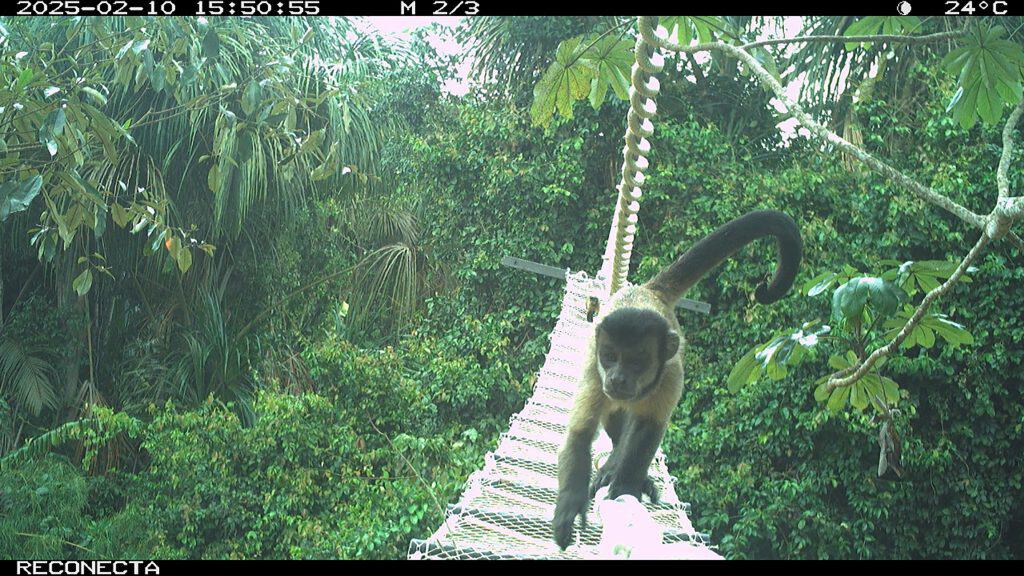
Evidence of the effectiveness of Project Reconecta’s canopy installations
©Smithsonian's National Zoo and Conservation Biology Institute and Reconecta Projeto – Original / License
The need is especially acute in Brazil. Roads slice through some of the most biodiverse landscapes on Earth, and for certain primates, a gap in the forest canopy can become a serious barrier.
“They come closer to the road. There is no forest anymore to connect both sides of the forest, so they don’t want to cross the road anymore,” Abra explains. “We are providing connectivity in the canopy level so they can cross the road safely.”
One of Reconecta’s most important partnerships has been with the Waimiri Atroari Indigenous people in the northern Amazon, where a federal highway passes through their territory. Long before Abra’s team arrived, the community had already recognized the problem.
For decades, residents had preserved places where trees on opposite sides of the highway still touched, creating natural canopy bridges.
“We found out that these natural canopy bridges are like the primates’ highway,” Abra shares.
That traditional knowledge helped shape the artificial bridges Reconecta later installed. Community members helped choose locations, refine designs and even build the structures.
“They know how the monkeys move,” Abra says. “Each species has their own way to move in the canopies.”
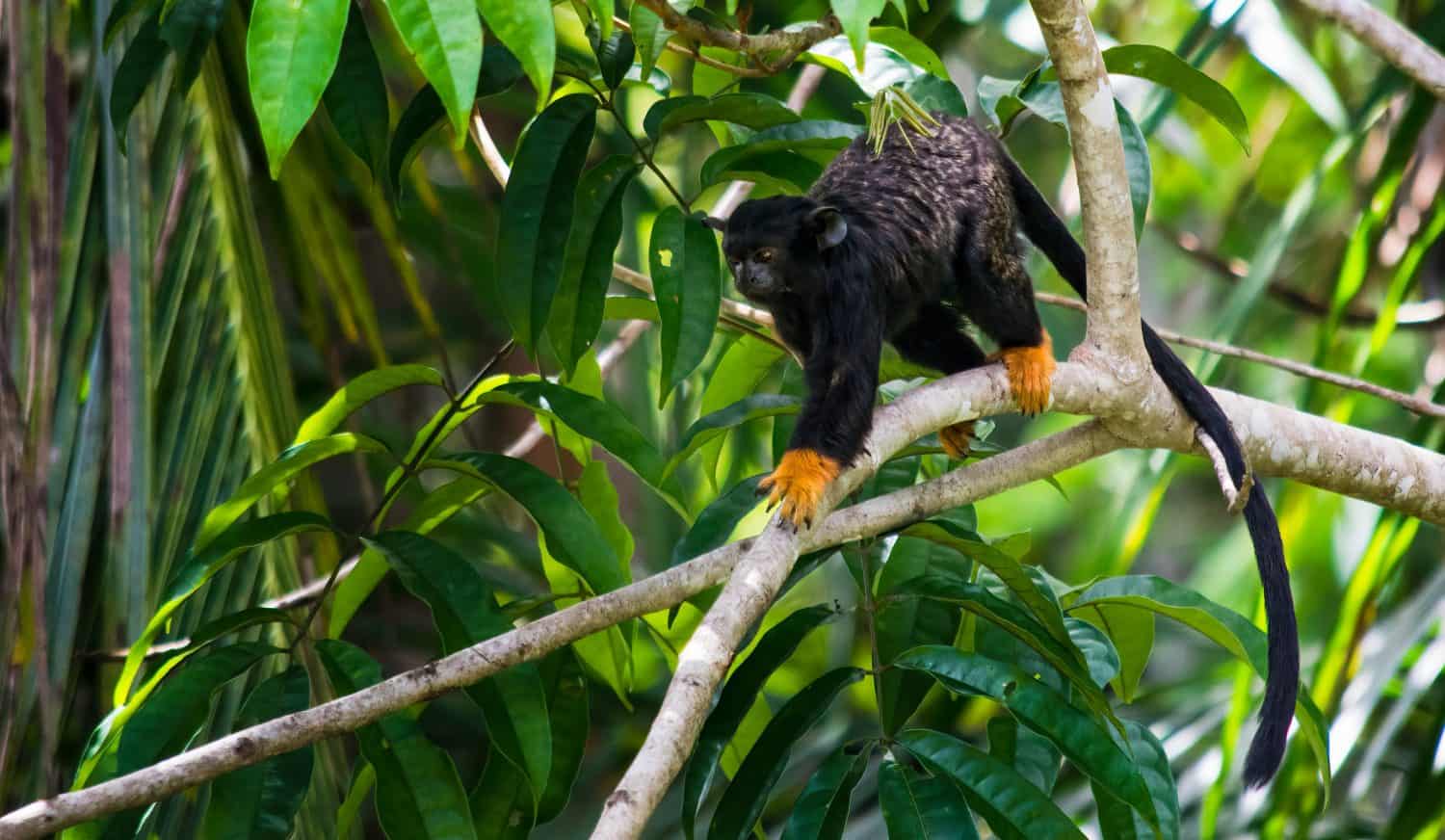
The partnership carries particular meaning because one of the animals at risk, the golden-hand tamarin, holds deep cultural importance for the Waimiri Atroari.
“They actually mourn the dead, like the roadkills of this specific species,” Abra says.
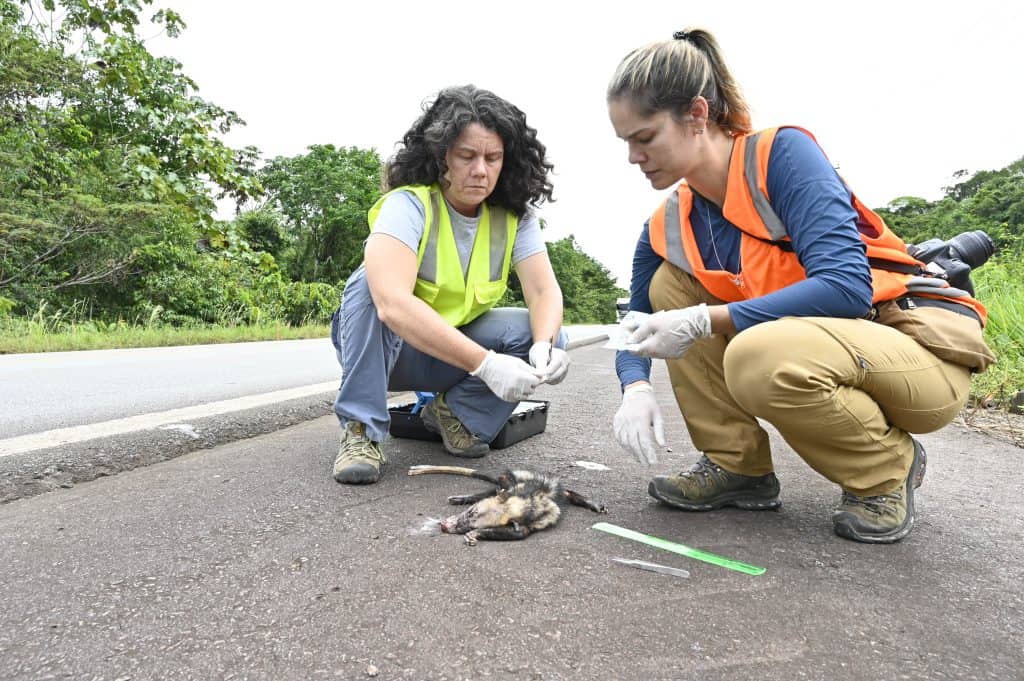
Fernanda (left) and her team track roadkill data, which helps dictate both effectiveness as well as the best locations for canopy bridges.
©Adriano Gambarini/Smithsonian's National Zoo and Conservation Biology Institute – Original / License
Uncertain of the Response
When the first artificial bridges went up, nobody knew exactly how quickly the animals would accept them. The answer, however, came within a month.
“Thirty days after the installation of the bridges there, we had the first crossing of this tamarin,” Abra recalls. “We were extremely excited. We were like, ‘It’s working, my God.’”
The reaction within the Indigenous community was equally joyful.
“They were jumping and singing,” Abra adds.
Everything I do, I have the main objective to save the maximum of lives that we can on road projects.
Fernanda Abra
Criteria for Safe Crossings
Building something strong enough to hang over an active road in the Amazon required more than enthusiasm. The structures had to withstand intense heat, heavy rain and years of exposure while remaining affordable enough to install widely.
Abra’s team settled on concrete posts, steel cables and highly durable ropes. The goal was to create bridges requiring very little upkeep.
“The first one we installed in 2021, we never had to do anything with it,” she says, aside from occasionally tightening cables as they settle.
Experience has also made installation dramatically faster. What once took days of figuring out logistics can now be completed by Abra’s experienced crew in about a day.
“We have a team that is very, very good,” she says. “We have professional climbers and everything.”
The results are beginning to match that efficiency.
In another study area around Alta Floresta, a city in the Brazilian Amazon, seven bridges have become busy wildlife corridors. The beneficiaries include six primate species, among them howler monkeys, black-faced spider monkeys, night monkeys, capuchins and the critically endangered Alta Floresta titi monkey.
“In 15 months of monitoring on these seven canopy bridges, we recorded 15,000 crossings,” Abra says.
Even more striking is what researchers have not recorded.
“Where we have the canopy bridges, we have zero primate roadkill,” she adds.
That result is especially meaningful when compared with stretches of road where bridges have not yet been installed.
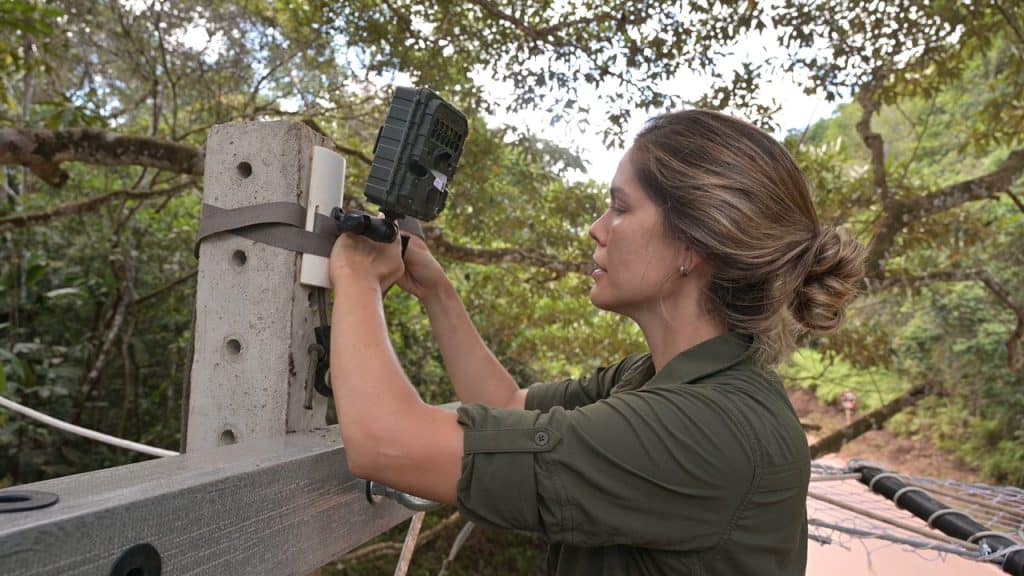
“Where we have the canopy bridges, we have zero primate roadkill,” Fernanda, seen here installing a camera, explains.
©Adriano Gambarini/Smithsonian's National Zoo and Conservation Biology Institute – Original / License
Positive Growth
The project is now expanding. Reconecta has installed dozens of bridges and has more planned, while its influence is extending beyond individual sites. Abra says the Brazilian federal transportation agency has adopted Reconecta’s bridge design as a national standard.
“Now the design that we created for the Reconecta project is the canopy bridges standard for the whole Brazil,” she says.
That could open the door to many more crossings nationwide.
Challenges remain, though. In some areas, electrical lines run beneath potential bridge locations, creating another danger for animals. Abra’s team is working with power companies on solutions such as lowering and insulating lines so primates cannot be electrocuted.
The larger goal, however, is not to finish a set number of bridges and declare the project complete.
“It’s not going to finish,” Abra explains. “All the time we’re looking for more places to install more bridges, convince transportation agencies to scale the project to other biomes.”
For Abra, the current network is only a starting point.
“We’re just starting, actually,” she says. “This is just the beginning of what we want to do.”
To learn more about the work she’s leading, visit projetoreconecta.com. And watch the complete interview in the video at the top of this page.