
Quick Take
- For three years, professional trappers couldn't catch one cat. Only a single behavioral quirk finally gave them their opening. See how Nine Lives was caught →
- Conservationists released the ducks twice, knowing the threat was still out there, and they paid the same devastating price both times. Read about the duck losses →
- New Zealand's native birds have a specific evolutionary blind spot that makes even a single feral cat catastrophically dangerous. Explore New Zealand's evolutionary blind spot →
- After finally catching their nemesis, the team's plans for Nine Lives weren't what most people would expect, and not everyone was satisfied with the outcome. See Nine Lives' fate →
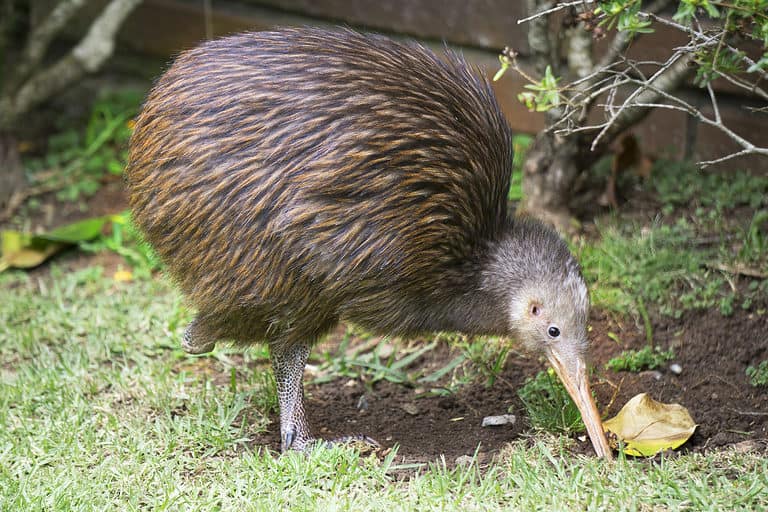
For conservationists working to restore rare ducks and kiwi birds to a quiet peninsula in northern New Zealand, one large tabby cat was their biggest nemesis.
The feral cat, named “Nine Lives” for its ability to evade capture for years, is believed to have killed dozens of rare birds that a conservation group had reintroduced into the wild. But the feline’s luck ran out on July 30, 2026, when it walked into a baited trap.
Continue reading
The “Nine Lives” Story
Purerua Peninsula is located in the Bay of Islands area of Northland on New Zealand’s North Island. The peninsula is home to a conservation project called Pest Free Purerua, led by the conservation group Kiwi Coast.
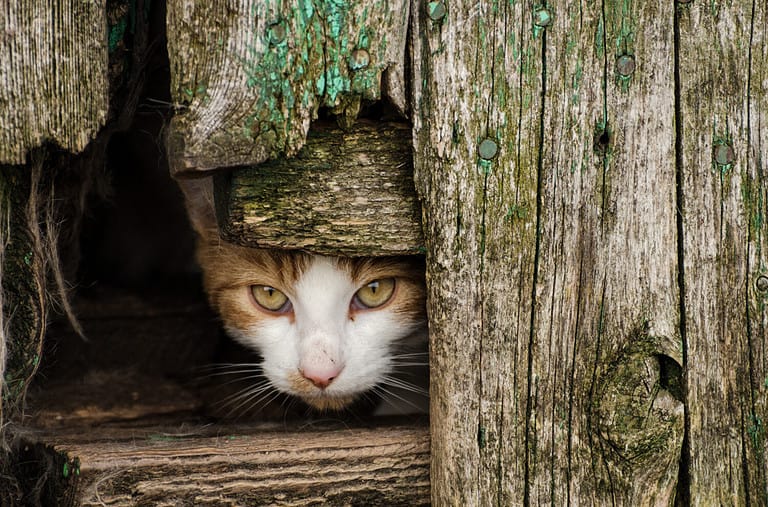
Efforts by the conservationists to reintroduce rare mainland ducks and kiwi chicks to the area were met with a formidable feline opponent – a feral grey tabby that had made its home on the peninsula. The tabby earned its name after eluding trappers for three years.
The cat was first spotted on trail cameras in 2023, and quickly became a symbol of the country’s ongoing fight against non-native predators.
The Rare Ducks At Risk
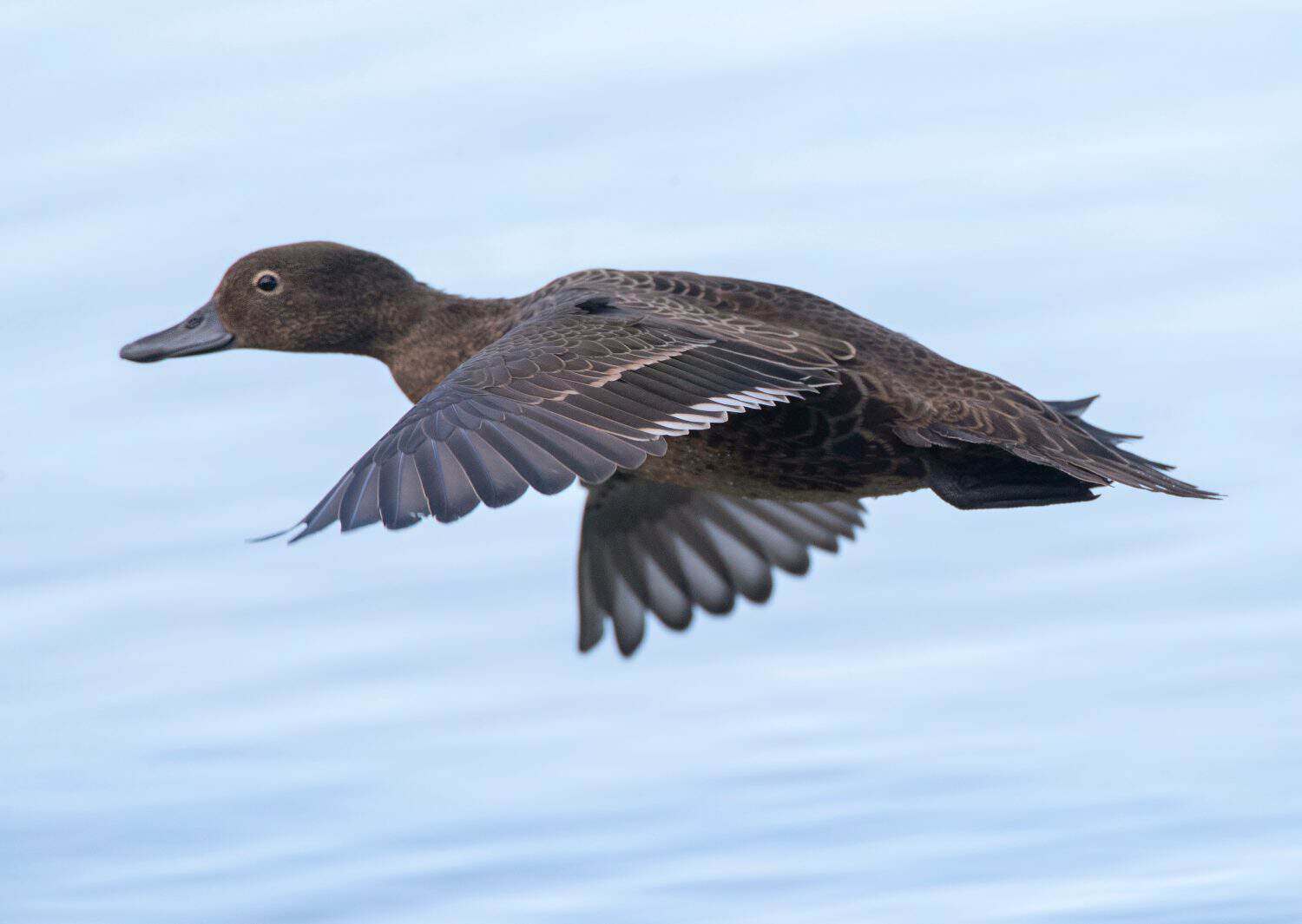
The pāteke, also known as a brown teal, is New Zealand’s rarest mainland duck. It is small, brown, and mostly active at night, putting it directly in the path of feral cats hunting after dark. While pāteke once numbered in the thousands, by the 1990s their population had dropped to around 1,200 due to the introduction of non-native predators, and it has since declined further.
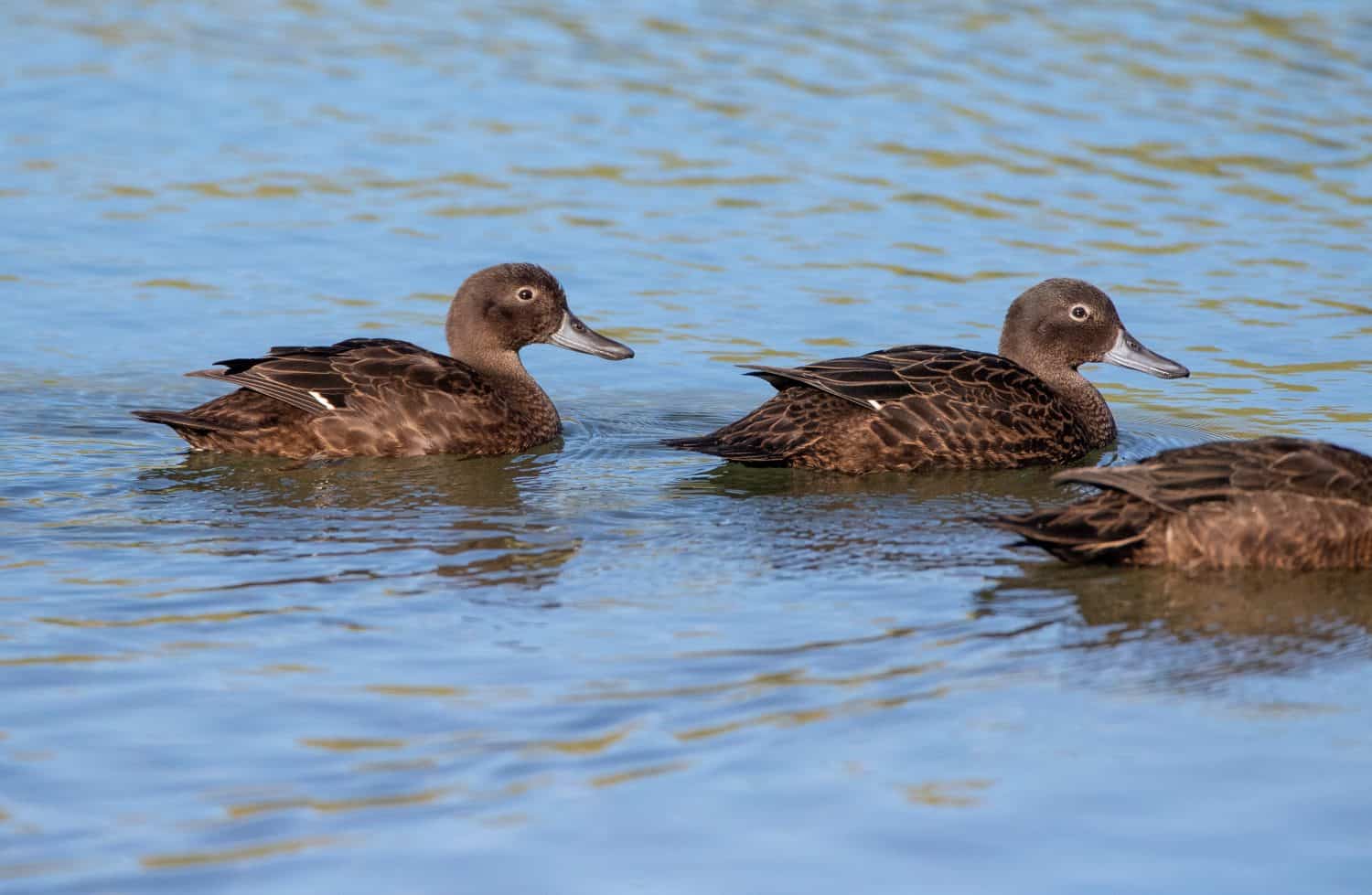
Pāteke are one of New Zealand’s rarest birds.
©Agami Photo Agency/Shutterstock.com
In 2023, in an effort to rebuild native pāteke populations, the conservation group Pest Free Purerua released 20 captive-raised pāteke onto the peninsula. They considered the area relatively free from feral cat populations.
Unfortunately, within one week, they found the first dead pāteke. Shortly after, a trail camera picked up an image of the tabby that would become known as Nine Lives. Soon, about three-quarters of the released pāteke were found dead, and conservationists believed Nine Lives was responsible.
After a year of additional feral cat trapping efforts, the team returned in 2024 to try releasing ducks a second time. Another 20 pāteke were introduced. Fifteen of them were quickly killed, and authorities believe Nine Lives was again responsible.
Why Feral Cats Are a Problem in New Zealand
New Zealand’s native species evolved with no land mammal predators. This makes them especially vulnerable to introduced predators, like cats. Nine Lives is just one of many feral cats threatening these species.
An estimated 2.4 million feral cats live in New Zealand, though some estimates put the number as high as 8 million. These are cats that are truly wild and avoid human contact. The country classifies cats into three groups: feral, stray, and companion.
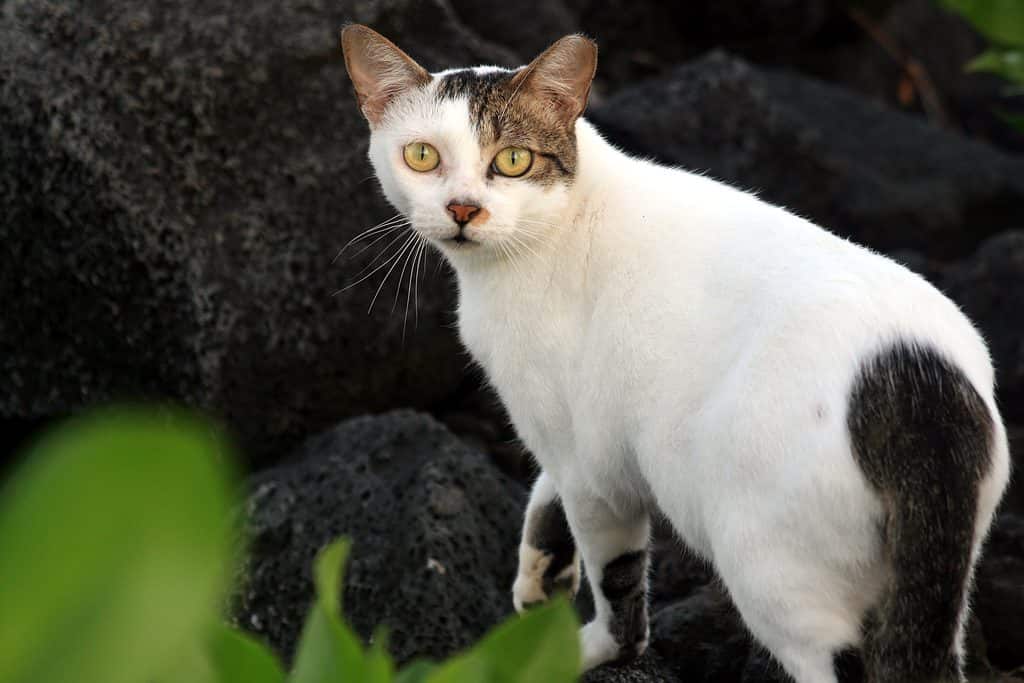
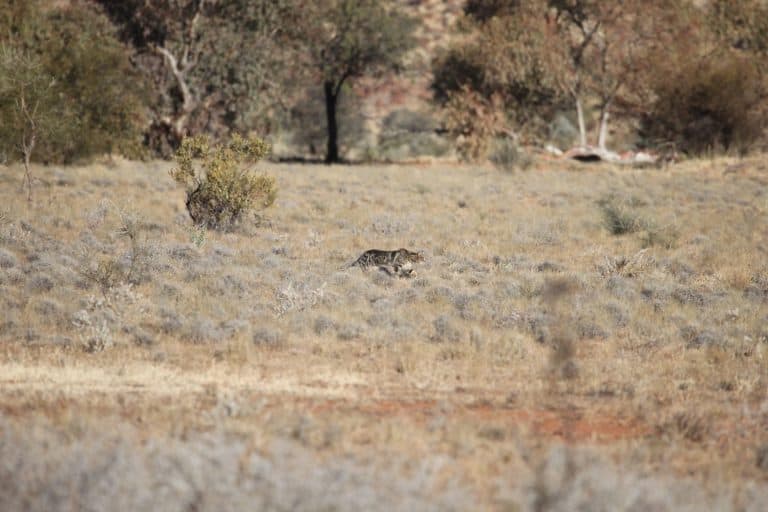
More than 2.5 million feral cats live in New Zealand.
In 2025, the government announced that feral cats would be added to the country’s Predator Free 2050 program. This is a plan to eliminate the most damaging non-native predators nationwide. Public support for the initiative is widespread, with over 90 percent of people who submitted comments on the project supporting stronger feral cat management. The program exclusively targets feral cats such as Nine Lives.
The Three-Year Hunt
When it came to trapping Nine Lives, authorities struggled. Although they set baited traps and captured other feral cats, the one they were after eluded their grasp. For conservationists, having Nine Lives on the loose was a major threat to species repopulation efforts.
“It was a really stressful time. So we brought in more traps, gear, night cameras to try and get to the root cause of the problem,” Andy Mentor, the project manager of Pest Free Purerua told The Guardian.
Trappers got close to catching Nine Lives several times, but the elusive feline escaped their attempts, earning the tabby its name.
“This particular cat would be very erratic. It would show up in a particular place and then not show up for another two or three months. It would show up in the dusk, midnight, early morning, through the day, so it was never a predictable pattern, which made it very, very difficult to track,” Mentor told The Guardian.
However, Mentor and his team eventually caught a break. At the end of July, they noticed the tabby had shown up at a quarry three nights in a row, behavior that was quite unusual for the stealthy feline. The team laid out salmon, fried chicken, and rabbit to attract the cat, then deployed cages and traps.
The plan worked. On July 30, a cellphone alert showed a cat in one of the cages. This turned out to be the end for the stealthy tabby. “We dispatched our trappers to check it out and there it was. So it was humanely shot,” Mentor told The Guardian.
What Happens Next?
Nine Lives will have its stomach contents examined to see what it was feeding on. Conservationists also believe the large cat was eating kiwi chicks, native geckos, and other native wildlife over the years. After that, the cat will be taxidermied and used as an educational resource to help communities understand the threat feral cats pose to native species on the island.
While conservationists were relieved to have Nine Lives gone, not everyone celebrated the cat’s demise. Some social media commentary expressed sympathy for the cat.
Even though his team was ultimately responsible for the tabby’s death, Mentor believes that his formidable adversary deserves to be honored. “Nine Lives needs to be given a certain amount of dignity and respect,” Mentor told The Guardian.