
Across Australia’s deserts, forests, and suburbs, millions of feral cats prowl with quiet efficiency, preying on native animals that never evolved defenses against such skilled hunters. Every day, these cats push vulnerable species closer to extinction. In response, the country has launched a mix of bold, sometimes controversial strategies—blending scientific innovation, grassroots participation, and national coordination—to confront the threat head-on. Consider whether you agree with these policies, and think about what alternative approaches you might take.
The Spread of Feral Cats
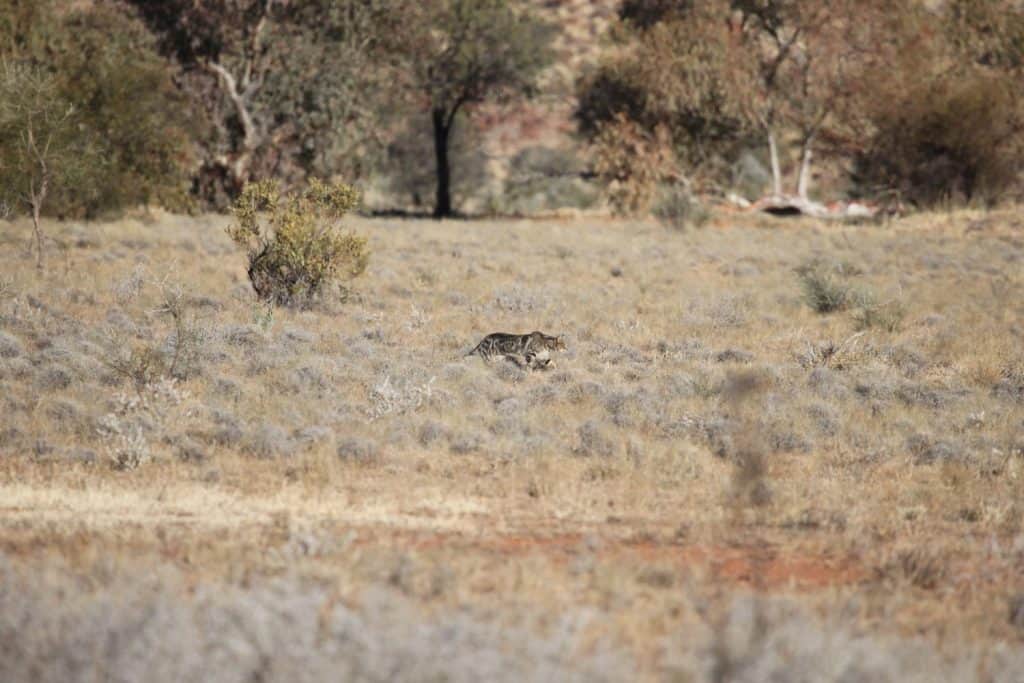
A large feral cat is hunting in the outback.
©Chris Watson/Shutterstock.com
Cats first arrived in Australia with the first British colonists in 1788, brought as companions and for rodent control. Within a few years, many escaped or were deliberately released, adapting quickly to the wild and spreading into nearly every environment—from deserts to rainforests. Today, scientists estimate there are between two and six million feral cats across the continent.
Over time, Australia’s feral cats have adapted in striking ways. Some individuals grow far larger than typical house cats. This gives them the brawn to take down animals as big as wallabies or even young koalas. Their success is partly due to the lack of large native predators and the abundance of medium-sized marsupials to hunt. In many areas, they now act as top predators, filling ecological roles that foxes or dingoes might occupy elsewhere.
Threatened Australian Species

This is a numbat, a unique Australian species threatened by feral cat overpopulation.
©EQRoy/Shutterstock.com
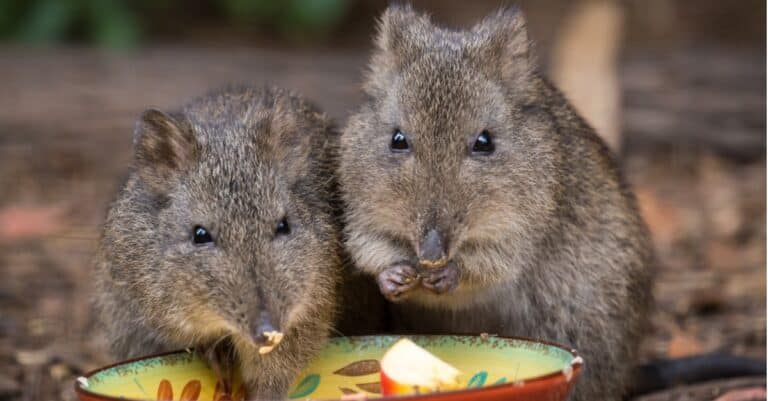
Marsupials, reptiles, and ground-dwelling birds are especially at risk. Each year, feral cats kill more than a billion native animals, making them the continent’s most destructive invasive species. Unlike rabbits or cane toads, which primarily damage habitats, cats directly drive extinctions as predators by physically exterminating other animals. Species such as the greater bilby, numbats, and several quail-thrushes now teeter on the edge, their populations steadily eroded by relentless hunting. For conservationists, controlling feral cats has become imperative to safeguard Australia’s irreplaceable biodiversity.
Cat-Driven Extinctions
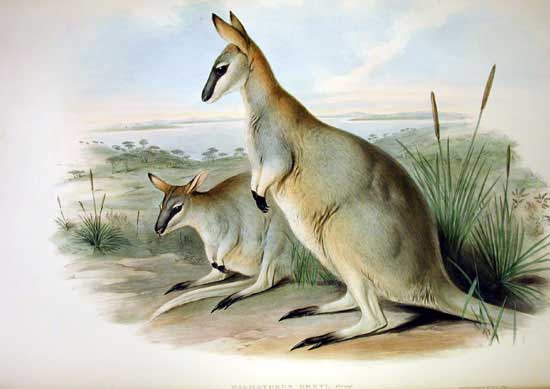
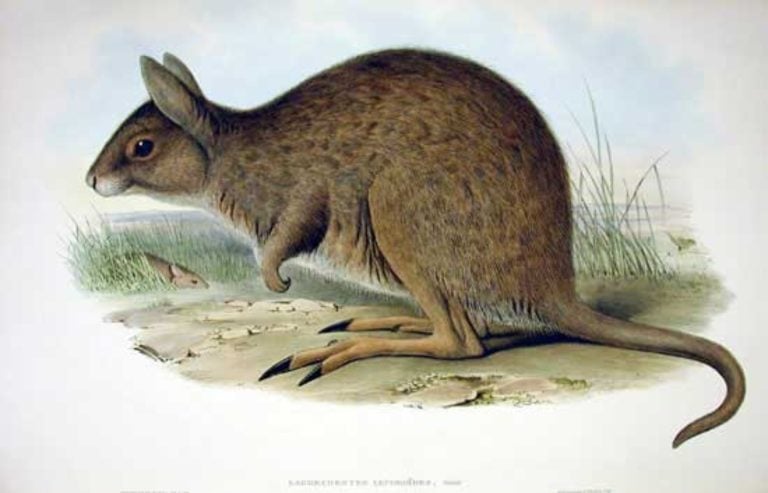
The toolache wallaby is one of the species driven to extinction by human hunters and cats.
Some species are already irretrievably gone. Cats are believed to have played a leading role in wiping out the lesser bilby (Macrotis leucura), the desert bandicoot (Perameles eremiana), and the eastern hare-wallaby (Lagorchestes leporides). The toolache wallaby (Macropus greyi) also vanished under the combined pressures of hunting and cat predation. Island bird species have been hit especially hard, with the Macquarie Island parakeet disappearing soon after cats were introduced. Altogether, researchers estimate that cats have contributed to the extinction of at least 22 native mammal species and are threatening 100 more. This makes them the single most destructive driver of mammal loss in the nation’s modern history.
Australia’s Struggle With Other Invasive Species
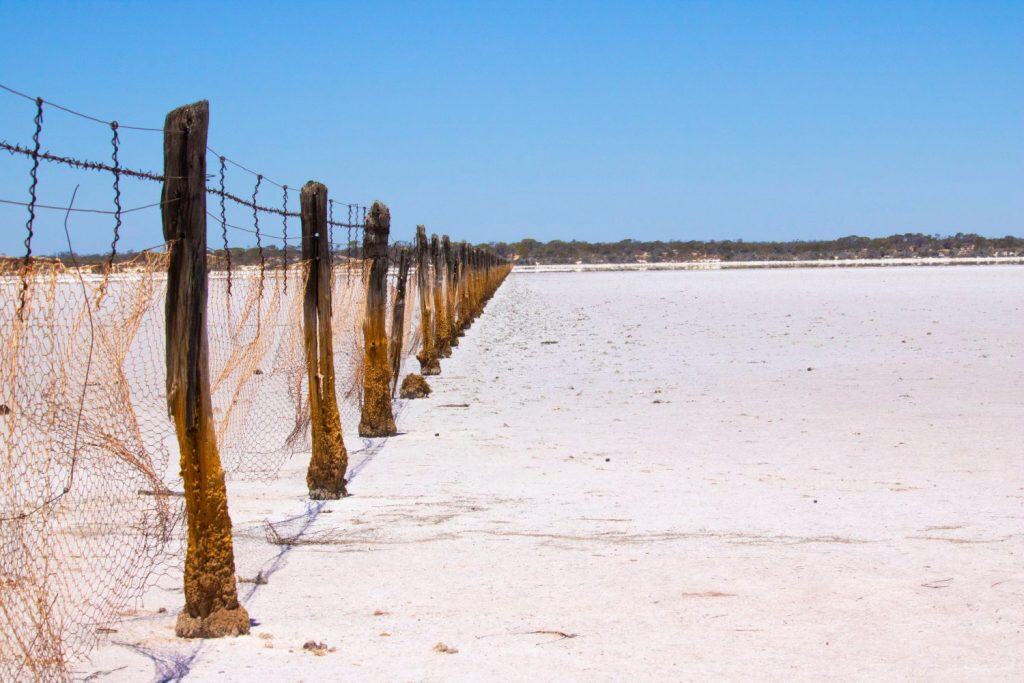
Australia installed two thousand miles of fences to contain rabbits, dingoes, and other unwanted animals. Not surprisingly, it didn’t work.
©Aisjam/Shutterstock.com
Australia has a long history of battling invasive species. Some of its most dramatic efforts have been aimed at rabbits. Introduced in the 1850s, European rabbits multiplied into the hundreds of millions within decades, stripping vegetation and destabilizing entire ecosystems. Early attempts, like the 2,000+ miles of rabbit-proof fence in Western Australia, failed to halt their advance.
The real breakthroughs came from biological control. In the 1950s, scientists released the myxoma virus, which wiped out up to 99% of rabbit populations in some regions. Later, in the 1990s, the release of rabbit hemorrhagic disease virus (RHDV or calicivirus) caused another dramatic crash. Rabbits have since developed some resistance, but these viruses remain the cornerstone of population control.
Alongside biological measures, landholders still use poisoning, warren destruction, and shooting to keep numbers down. Other invasive animals, such as foxes, feral pigs, goats, camels, and cane toads, are managed through poison baits, aerial culling, and exclusion fencing. These methods have had success in specific areas, but rabbits are the standout example of how biological control permanently altered the balance.
Why Bio-Warfare Won’t Work Against Cats
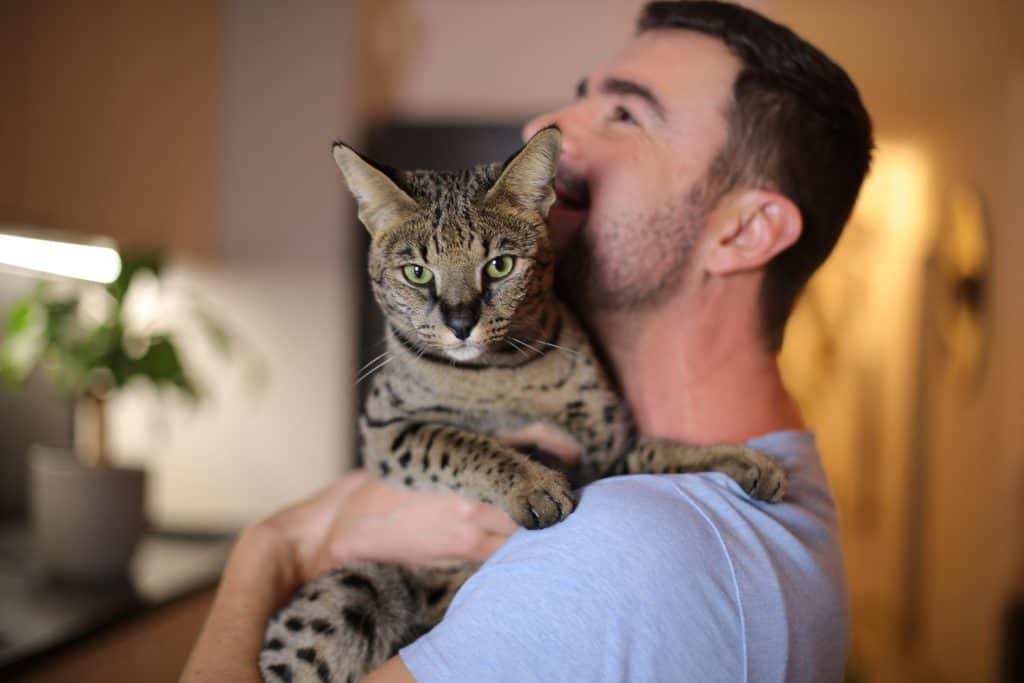
The bond between cats and people makes it more politically and practically difficult to eliminate them from disease.
©AJR_photo/Shutterstock.com
Applying the disease-release strategy to feral cats isn’t feasible. Unlike rabbits, which are rarely household companions, cats are deeply integrated into human communities. There are anywhere from 3.8-4.9 million pet cats in the country. Even if a protective vaccine were offered, not all cats would receive it, and there would be huge political backlash if the news were full of pictures of mourning pet owners and sick cats. Viruses used against rabbits—like myxomatosis or RHDV—pose no danger to humans because they are highly species-specific. However, designing or releasing a disease that could affect domestic animals may pose unknown risks to humans if implemented on a large scale.
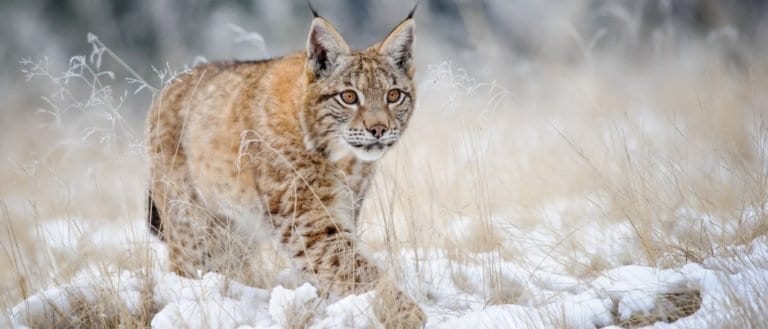
For this reason, feral cat management relies on physical methods—fencing, trapping, targeted baiting—and intensive local eradication projects. The feral cat problem demands ongoing, labor-intensive management with no quick or universal fix. And if you’re wondering whether people could adopt feral cats, the answer is almost always “no.” Cats that were born and raised without human contact are wild animals. Bringing one into your home would be much like trying to tame an adult North American bobcat taken from the wild. The only possible exception would be to catch and separate feral cats while they were kittens.
Laws and Restrictions
In some areas, cat curfews penalize owners who allow their animals to roam at night.
©Rudmer Zwerver/Shutterstock.com
Australia has passed a mix of national and state-level rules aimed at cutting feral cat numbers and preventing pet cats from adding to the problem. Nationally, feral cats are listed as a key threatening process under the Environmental Protection and Biodiversity Conservation Act, which obligates governments to reduce their impact on endangered species. Some states and local councils have taken it further by enforcing cat curfews, requiring pets to be kept indoors at night, or banning cats altogether from sensitive zones near parks and reserves. Desexing and registration laws are also spreading, with fines for owners whose cats are caught roaming. These legal measures are intended to clearly distinguish between companion animals and the invasive predators that are now ravaging Australia’s wildlife.
Practical Control on the Ground
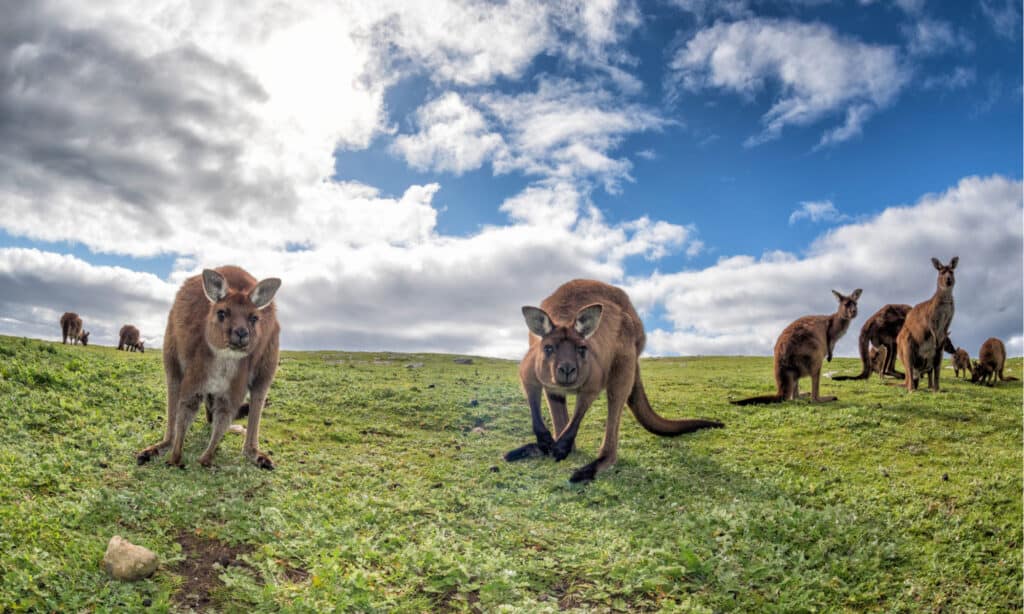
Kangaroo Island is one area where intensive efforts have been made to control feral cats.
©Andrea Izzotti/Shutterstock.com
Out in the wild, the government is taking serious and sometimes deadly measures against feral cats. Trapping is common, both with cage traps and leg-hold devices designed to minimize injury. Poison baits are widely deployed in remote areas, often dropped by aircraft, using specialized formulas meant to target cats while reducing harm to native species. In places where vulnerable wildlife has been nearly wiped out, massive predator-proof fences have been built to create safe havens, some of them spanning thousands of hectares. Inside these enclosures, endangered species such as bilbies and bandicoots are reintroduced and protected. In the open rangelands, professional sharpshooters and Indigenous ranger groups carry out culling programs, often at night when cats are most active.
One example is Kangaroo Island, where efforts to control cats intensified after the devastating bushfires of 2020. Local communities worked alongside conservationists to trap, bait, and fence off key areas, using the island’s geography to push toward long-term eradication. While success has been partial, it demonstrates how large-scale, coordinated action can give native wildlife a chance to recover.
Education and Outreach
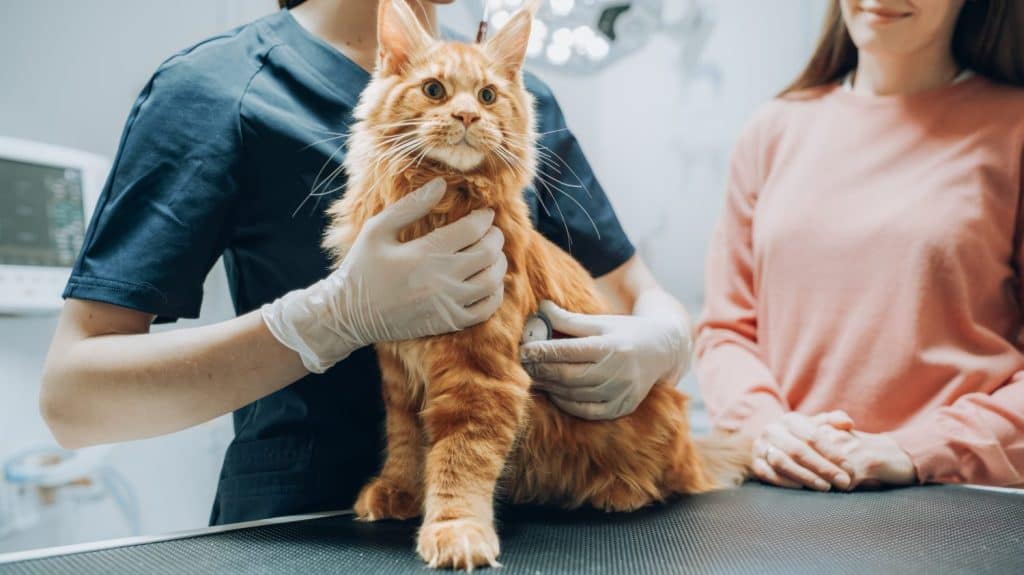
Public education about cats is an essential part of getting buy-in for feral cat control measures.
©Gorodenkoff/Shutterstock.com
Alongside legal and lethal tools, there has been a steady push to change how Australians think about cats. Public education campaigns stress the basics: desex your pets, keep them indoors, and never dump unwanted animals. Schools receive educational resources, and community events often highlight the staggering fact that feral cats kill more than a billion native animals every year. Citizen science apps such as FeralScan also encourage people to report sightings, which helps authorities map the scale of the problem while giving ordinary Australians a way to participate in conservation.
Public Debate
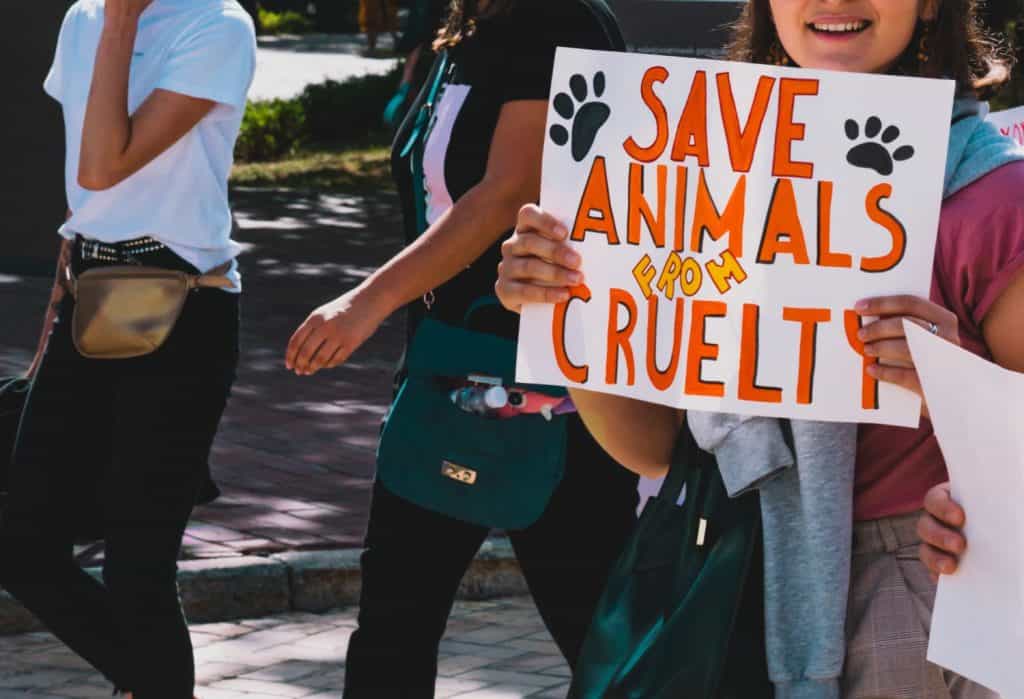
Controlling feral cat populations is a sharply divisive issue.
©AndriiKoval/Shutterstock.com
None of these measures is without controversy. Animal rights groups object strongly to poison baits and shooting, describing them as inhumane, and often call for sterilization programs or sanctuaries instead. Some pet owners bristle at strict containment rules, seeing them as government overreach. Yet support for curfews and control measures has been growing, especially in rural areas where the devastation to wildlife is most obvious. The conversation often splits into two camps: those focused on protecting endangered species and those worried about the welfare of individual cats. The clash of values makes cat management not just a conservation issue, but a social one.
New Technology on the Horizon
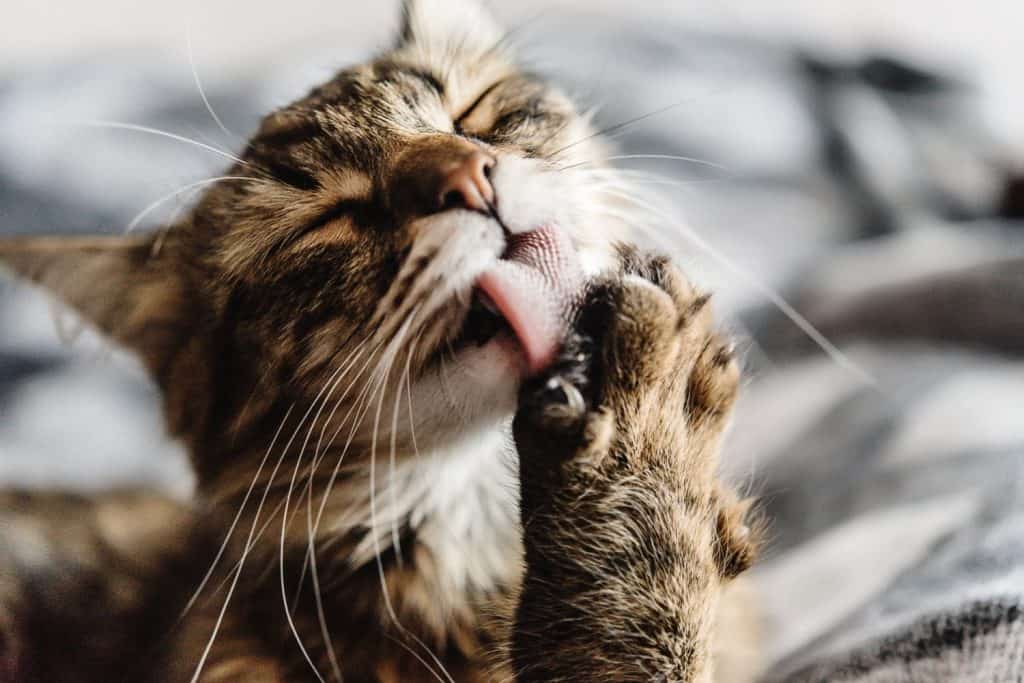
One method of cat control spray them with a toxic gel that they ingest while grooming themselves.
©Bogdan Sonjachnyj/Shutterstock.com
Even as these debates play out, new tools are being developed to make management more effective. Some of the most promising include “Felixer” grooming traps, which use sensors to detect cats and spray them with a toxic gel they ingest while cleaning themselves. Experimental gene-drive techniques aim to reduce fertility in wild populations, though these remain controversial and untested in the field. Artificial intelligence is increasingly used to sift through motion-sensor camera data, producing maps of cat activity that help managers act more quickly. Traps are being redesigned with smarter sensors and automated systems to minimize the accidental capture of native animals.
Looking Ahead: Challenges and Hopes
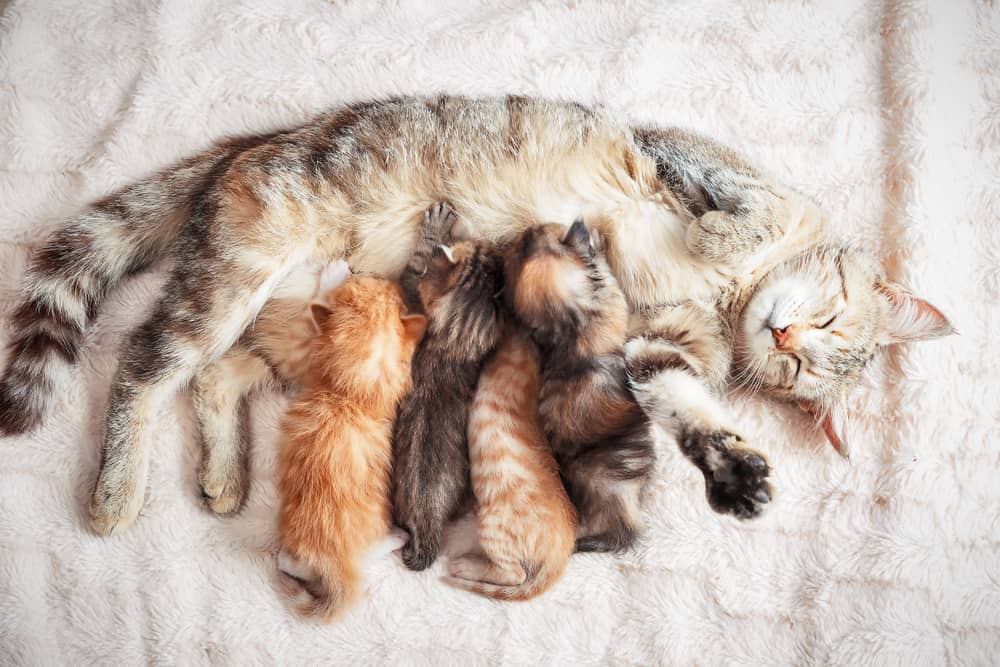
Cats breed prolifically, which greatly increases the difficulty of controlling them in the wild.
©Rashid Valitov/Shutterstock.com
Despite progress, the fight is far from over. Cats are prolific breeders, highly adaptable, and capable of surviving in environments ranging from deserts to rainforests. Even with advanced tools, eradication across the vast mainland is considered impossible. Instead, experts focus on reducing numbers in key areas, protecting vulnerable habitats, and preventing feral populations from expanding further.
There is cautious optimism: advances in technology, growing community involvement, and government investment have created momentum. Still, experts emphasize the need for vigilance. Strategies must evolve as cats adapt, and long-term funding must be maintained. Wildlife conservation in Australia is a marathon, not a sprint.