Quick Take
- If you or your pet stumbles across one of these dropped packets, the safety rules aren't what you'd assume. Check the safety rules →
- This program already wiped out an entire rabies variant once, and the target this time is far more widespread. See the past success →
- Raccoon rabies currently has a western boundary, and APHIS is racing to make sure it stays that way. Understand the western boundary threat →
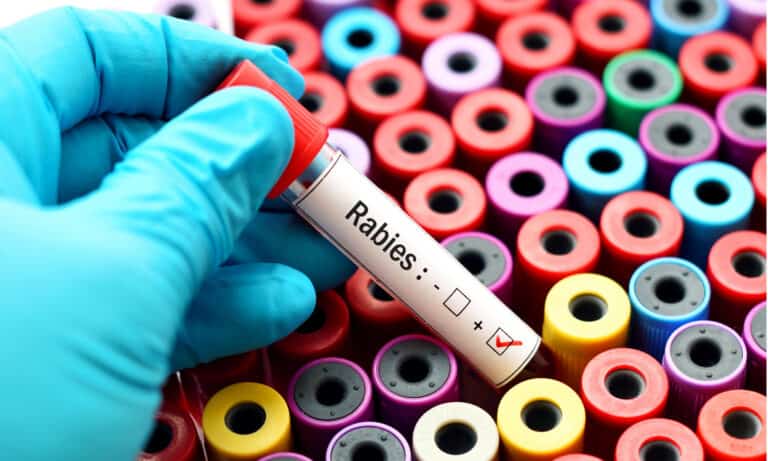
Rabies is the stuff of nightmares. Caused by the Lyssavirus, this disease is nearly impossible to cure once symptoms appear. Often, people and animals contract it after being bitten by infected creatures. Early symptoms resemble the flu, including fever, headaches, and tingling sensations. As the disease progresses, symptoms become more severe, leading to confusion, agitation, and hydrophobia. Once symptoms appear, it is already too late for treatment. Without early intervention, rabies is 100% fatal. Fortunately, vaccines administered early can stop this catastrophic disease in its tracks.
Recently, the U.S. Department of Agriculture’s Animal and Plant Health Inspection Service (APHIS) announced its plan to distribute an oral rabies vaccine across the country by airplane. You read that right: the government plans to distribute millions of rabies vaccines by air and road. It’s an ambitious plan aimed at reducing a disease that kills countless wildlife and costs the United States hundreds of millions of dollars annually in detection, prevention, and control. Let’s learn more about this oral rabies vaccine program, what it aims to do, and which parts of the country are being targeted.
Continue reading
The Announcement

The government’s Animal and Plant Health Inspection Service (APHIS) plans to distribute millions of rabies vaccines in the eastern United States.
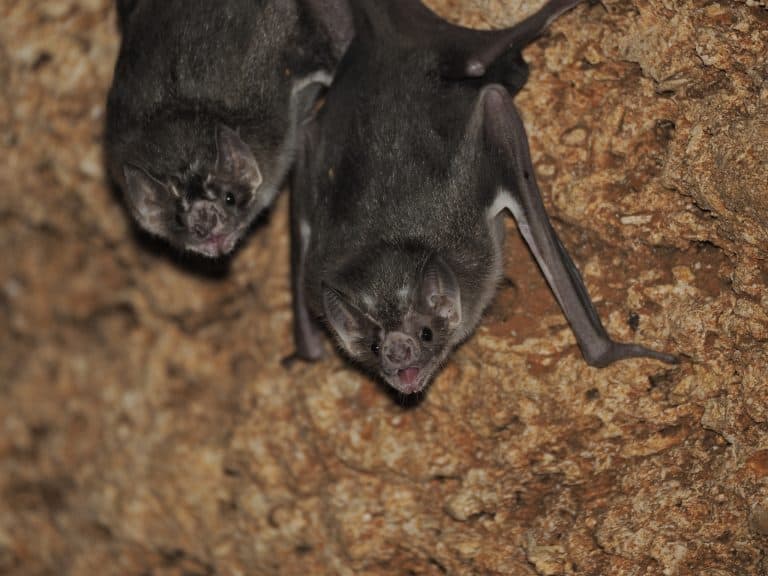
©Kitsawet Saethao/Shutterstock.com
On July 31st, the U.S. Department of Agriculture’s Animal and Plant Health Inspection Service (APHIS) announced its annual distribution of an oral rabies vaccine. The statement from APHIS identified select areas across the eastern United States to be targeted. The goal is ambitious but simple: prevent the spread of raccoon rabies.
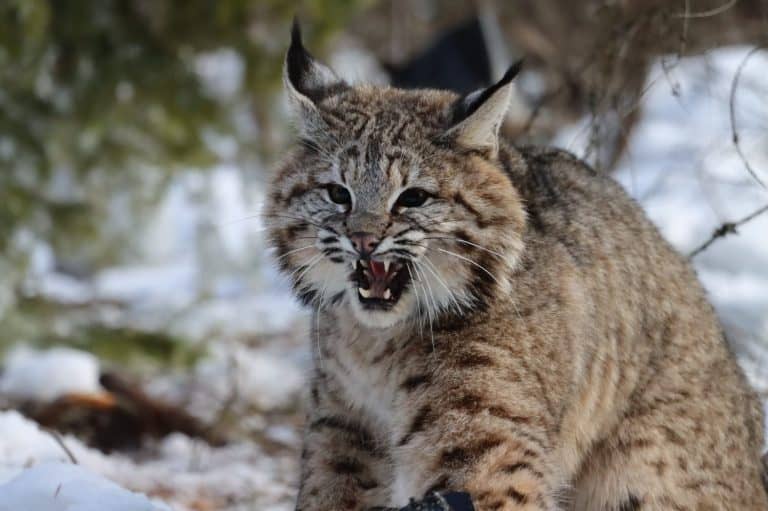
According to the CDC, 90% of reported rabies cases originate from wildlife. As a result, many of the targeted areas are rural and have high wildlife populations. APHIS plans to distribute oral vaccines by airplane, vehicle, and bait stations. By doing this, APHIS aims to put a dent in the rabies problem and reduce the exorbitant costs associated with controlling and treating the disease.
The rabies vaccine in question is called RABORAL V-RG®. To incentivize wildlife to take it, the oral vaccine will be coated in a fishmeal attractant and packaged in two-inch plastic sachets. The announcement also made an effort to express the safety of these oral vaccines. Importantly, humans and pets cannot contract rabies from the vaccine baits. While dogs may experience upset stomachs if they eat the baits, there are no long-term health risks. However, if humans handle the baits, they should immediately wash their hands with warm water and soap.
For decades, government agencies and zoonotic health organizations could only control the spread of rabies through manual efforts. However, with the advent of new vaccines like RABORAL V-RG®, rabies management has become more effective. As such, APHIS plans to expand its reach by dropping millions of vaccine packets across the eastern United States.
Northeast and Mid-Atlantic
APHIS considers the Mid-Atlantic and Northeast regions of the United States to be among the most affected areas. Across the eastern seaboard, the agency will drop several million vaccines in August. Northern New York, specifically the St. Lawrence Valley region, will receive 220,000 baits distributed by airplane, helicopter, and vehicle. Select areas of New York will also receive another type of oral rabies vaccine as part of an ongoing field assessment.
APHIS plans to distribute 460,000 baits in northern Vermont, New Hampshire, and other nearby regions. Notably, northern Maine alone will receive 598,000 baits. In western Pennsylvania, APHIS will distribute more than 720,000 oral vaccine baits, while Massachusetts will receive 75,000 baits.
To ensure widespread coverage, APHIS also plans to distribute more than 360,000 oral rabies vaccine baits in West Virginia and portions of eastern Pennsylvania. Many of these distribution hotspots will receive different types of vaccine baits and ongoing field assessments.
Southern States
In October, APHIS intends to distribute several million oral rabies vaccine baits across southern states. Over 680,000 baits will be distributed in North Carolina, Tennessee, Virginia, and a small part of southern West Virginia.
Northern Georgia and North Carolina, in particular, will receive approximately 415,000 vaccine baits. Other parts of Georgia and North Carolina, as well as Alabama and Tennessee, will receive 648,000 baits distributed by airplane and helicopter. Given its ample forests, it is perhaps not surprising that northeast and central Alabama will receive an additional 712,000 bait packets.
Program Efficacy
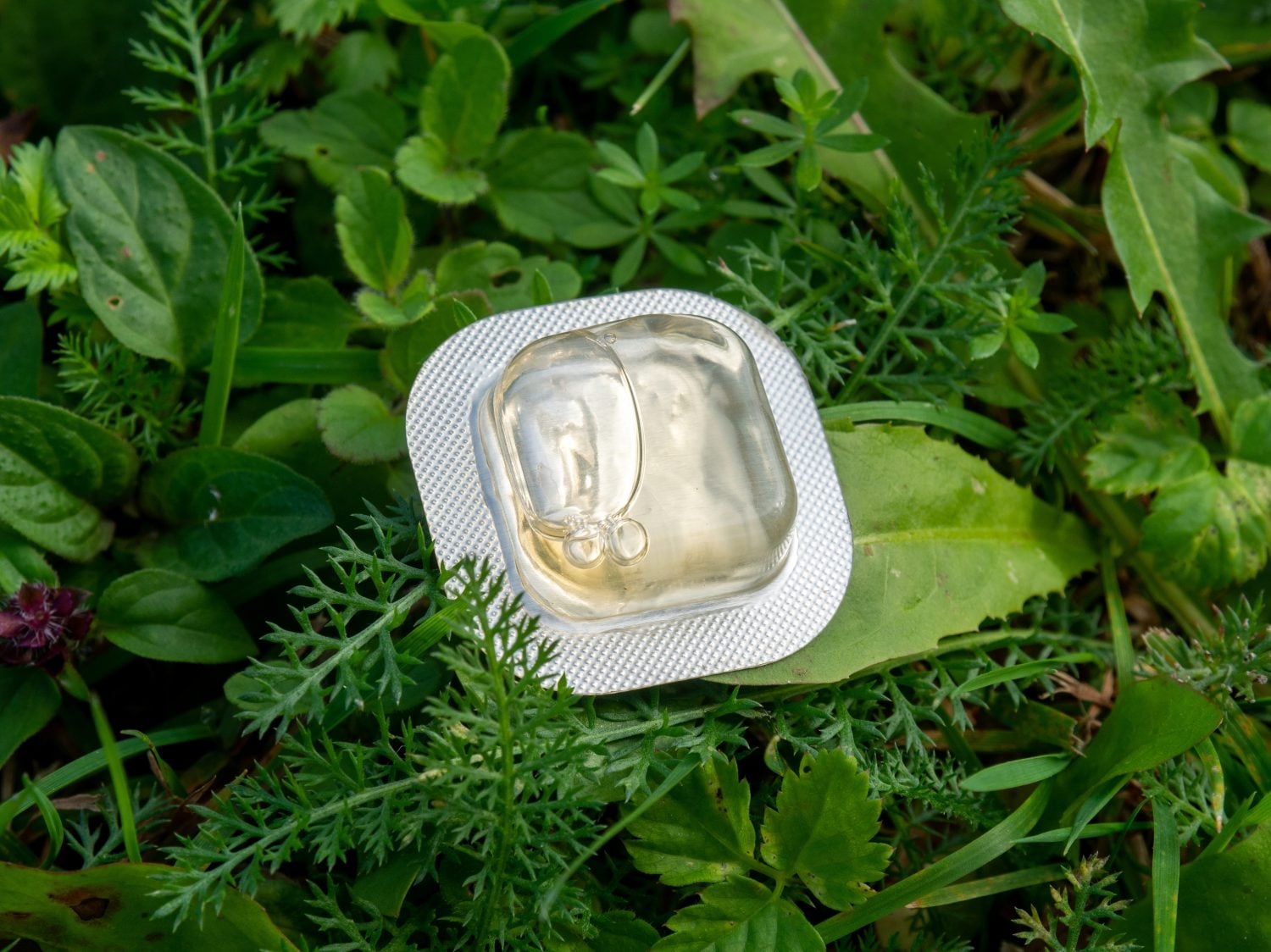
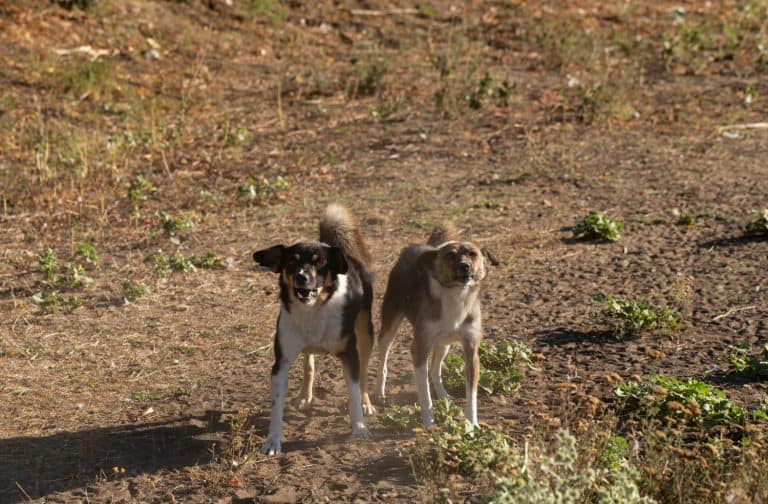
A related program effectively eliminated the domestic dog-coyote rabies variant completely in 2008.
©GS23/Shutterstock.com
This massive airborne distribution plan may seem excessive, but APHIS has achieved real success with its program in previous years. In fact, it has distributed more than 200 million vaccines across the country since 1995, effectively halting the spread of certain rabies variants.
For example, targeted distribution in Texas reduced the outbreak zone of the gray fox rabies variant by approximately 50%. In 2008, APHIS distribution programs in Texas successfully eliminated the domestic dog-coyote rabies variant completely.
This year, the focus is firmly on raccoons. APHIS hopes to stop the westward spread of the raccoon rabies variant before it reaches the central United States. If you live in one of these areas and see small packets being dropped from an airplane, you will now know what they are.