
People love to keep cats as pets; domestic cats are playful but relatively low-maintenance. Worldwide, over 350 million pet cats live in people’s homes, according to the World Population Review. But domesticated cats have their dark sides, too. When they are introduced or escape to the wild, cats become destructive to native ecosystems, preying on small mammals, birds, and reptiles. And New Zealand (Aotearoa to Māori) has just committed to doing something about it.
“In order to boost biodiversity, to boost heritage landscape and to boost the type of place we want to see, we’ve got to get rid of some of these killers,” says conservation minister Tama Potaka in an interview with Radio New Zealand. He has just announced the addition of feral cats to the government’s official invasive species list (Predator Free 2050), joining animals like ferrets, rats, and possums targeted for full elimination by 2050. Once on the list, cats are subject to extermination measures.
How Cats Got to New Zealand

Cook National Park is named after British explorer James Cook, one of the Europeans whose arrival led to dramatic changes caused by introduced animals such as cats.
©Nokuro/Shutterstock.com
Cats are not native to the island of New Zealand. They were first introduced in 1769 by European settlers who brought them aboard ships to help control mouse and rat infestations. Later, cats were introduced again in the 1870s as a form of rabbit control. The climate of New Zealand allowed cats to thrive in the wild, establishing a feral population now estimated at around 2.4 million cats, although estimates vary because they’re hard to count. Cats like to hunt, regardless of hunger level, making them particularly destructive to wildlife.
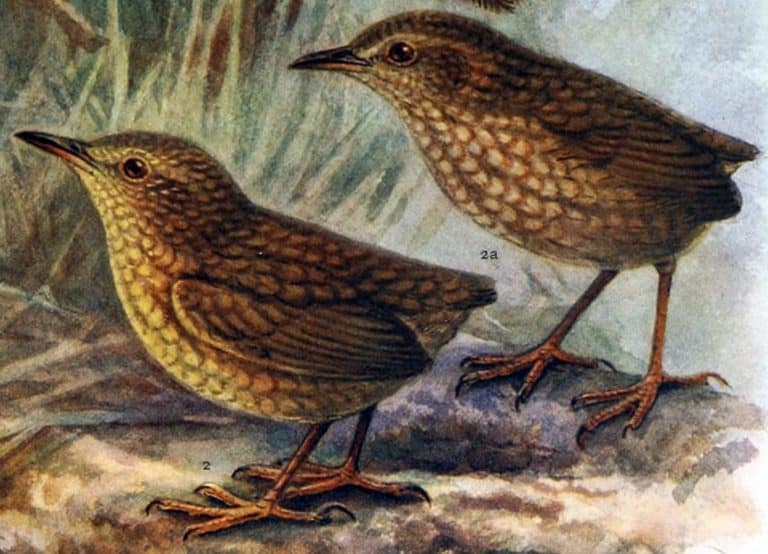
The problem with feral cats is that they are great hunters, able to gobble up small mammals, lizards, bats, insects, and even birds and their eggs. In New Zealand in particular, feral cats have hastened the extinction of several native bird species. Flightless Lyall’s wrens (Traversia lyalli) made their nests on the ground on Stephens Island, in what used to be relative safety, before rats, cats, and other predators were introduced. Because there are no other, larger predators in New Zealand, cats are considered the apex predator, meaning nothing else can kill them except humans.
What Do Pet Owners Say?
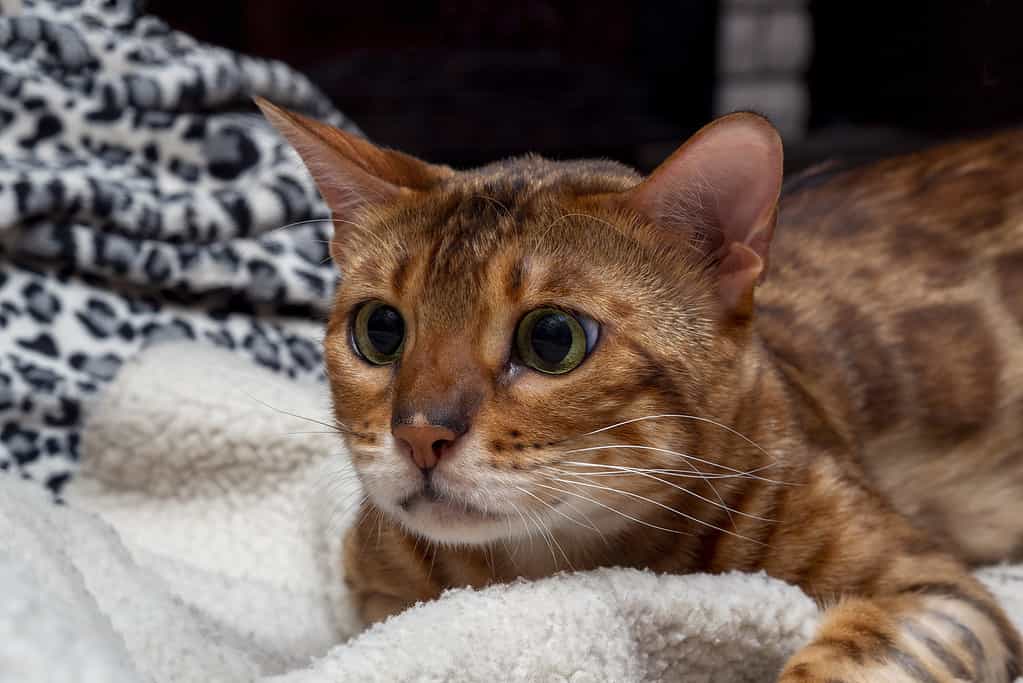
Initiatives to control feral cats were stalled by concerns about pet cat owners’ perspectives on killing cats.
©Azovsky/ via Getty Images
The Predator Free 2050 initiative was announced by the New Zealand government in 2016, aiming to fund the extermination of invasive predators. On its website, Predator Free 2050 describes its vision of an “Aotearoa New Zealand where unique native birds, bats, lizards, frogs and plants all thrive alongside us.” Cats were not initially included on the list, given their prominent role as cherished household pets. New Zealand government officials were concerned about how the more than a million cat-owning citizens would react to a targeted program to kill feral cats.
A 2024 public opinion survey helped demonstrate public support for adding cats to the list. Run by the Predator Free NZ Trust, the survey found 64 percent of New Zealanders in favor of measures to reduce feral cat populations on public lands designated for conservation. Jessi Morgan, chief executive of the trust, asserts in The Times article that it was “the right decision for New Zealand.”
The Conservation Perspective
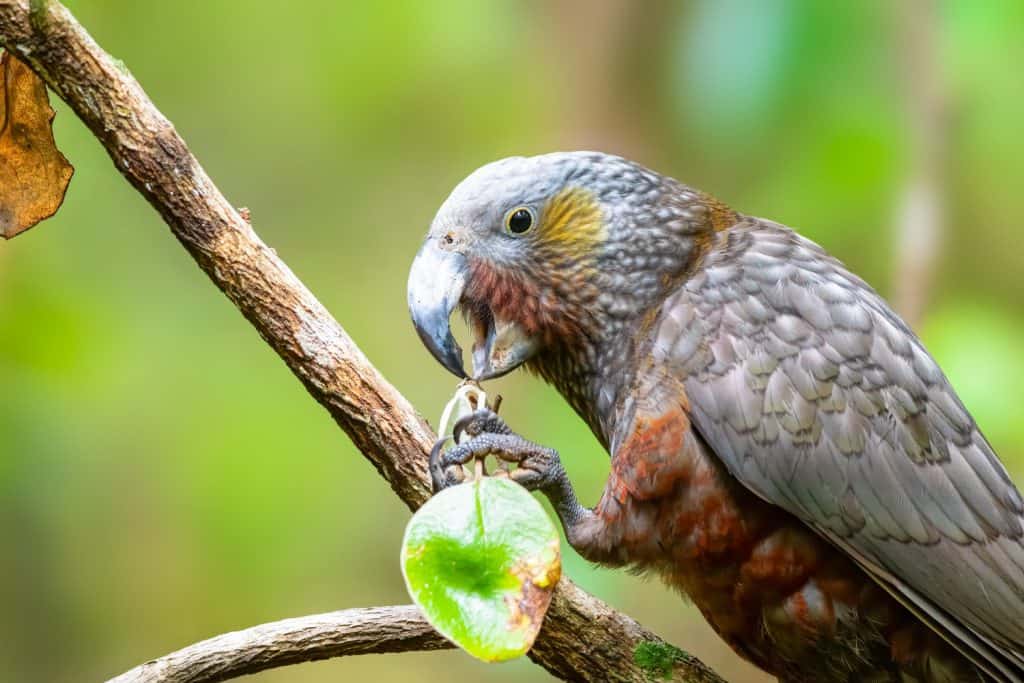
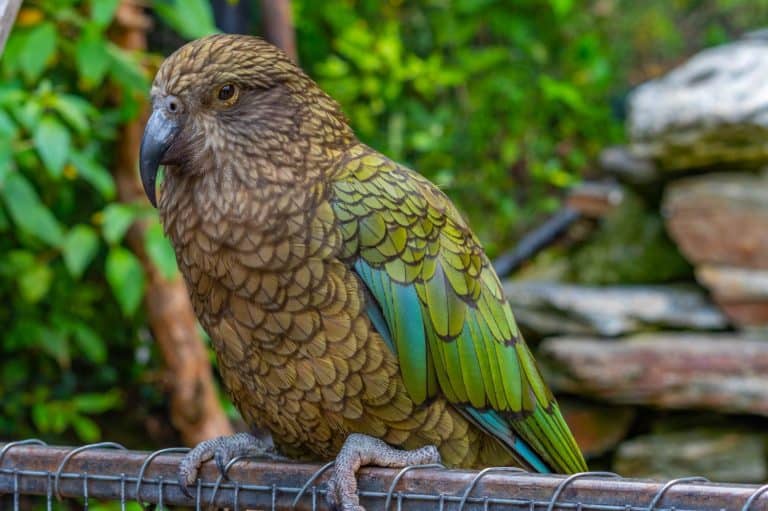
Large ground-dwelling parrots called kākās (Nestor meridionalis) have made a comeback, thanks to feral animal control.
©Rajh.Photography/Shutterstock.com
To persuade New Zealand’s government to target feral cats for extermination, conservationists have reportedly described incidents like “a cat in Canterbury caught with 17 skinks …in its stomach and another animal that killed 107 bats in a week,” according to the story in The Times. In one highly publicized case, a feral cat killed 107 bats in just one week by raiding their roosting tree. Feral cats are widespread in New Zealand, ranging from subalpine habitats down into coastal areas.
New Zealand’s Department of Conservation posits on its website that “Feral cats are one of the most ferocious predators in our ecosystem.” Conservation programs have demonstrated the value of introduced predator control for native species. For example, Predator Free NZ, in a recent article, described how two decades of controlling possums, rats, and stoats have allowed the population of native Kākā birds to quadruple. Feral cats kill an estimated 10 to 20 prey animals per day as they move over large areas.
How Will the Feral Cats Be Killed?

For many rural communities in New Zealand, hunting is a part of everyday life.
©2006 Getty Images / Getty Images News via Getty Images
How the cats will be killed is a question on everyone’s mind. It is legal to kill feral cats in New Zealand, provided it is done humanely and in accordance with animal welfare laws. Because they’re introduced, they are not a protected species. Some existing cat-extermination programs include annual feral cat hunting competitions.
In 2023, a contest that allowed children to hunt feral cats in rural parts of New Zealand provoked heated controversy. Animal rights organizations fielded concerns from pets getting accidentally killed to feral cats suffering drawn-out, painful deaths, according to a Guardian article. The Canterbury “HUNT” organizers pledged to disqualify contest participants who submitted a dead, microchipped cat that had clearly been a pet. But a spokesperson for the animal rights group SAFE argued that “Disqualifying dead cats with microchips is too little too late.”
After the cat-killing contest for children was cancelled in 2023 following public backlash, the competition went ahead for adults in 2024, with nearly 400 feral cats killed. The event continued to raise funds for local causes, such as a school and a community pool.
Predator Free NZ offers a guide to “targeting feral cats,” which describes how to and where to trap them, as well as how best to avoid harming pet cats.
Humane Extermination
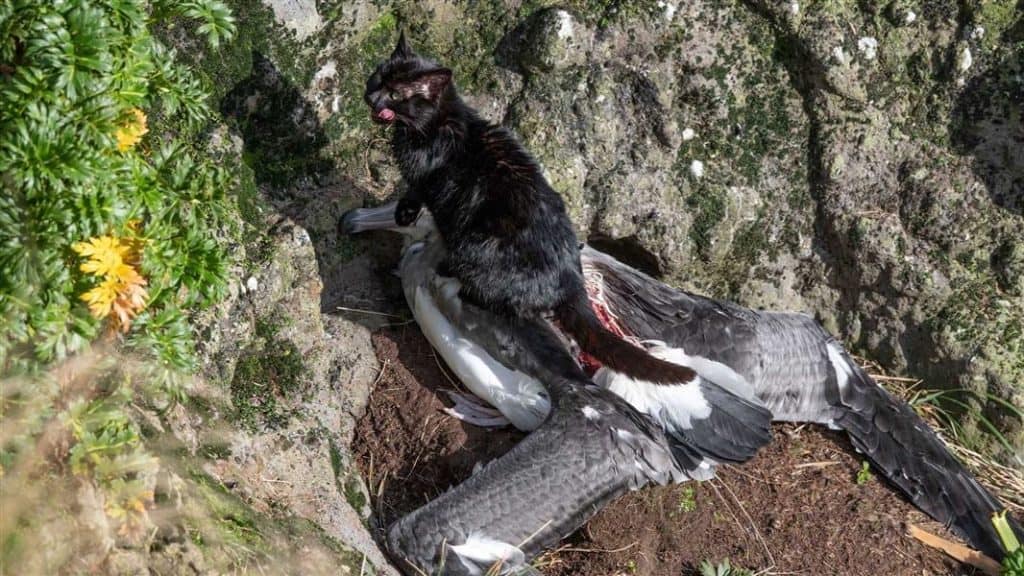
This feral cat is eating a white-capped albatross (Thalassarche cauta steadi) on Auckland Island.
©Stephen Bradley, NZ Department of Conservation, CC-BY-4.0 – Original / License
The existing legislation requires humane killing, which is ordinarily defined as trapping and shooting. In the Canterbury HUNT, people first had to trap a cat to make sure it was not a domestic pet. Event organizer Matt Bailey says it’s easy to tell a domesticated from a feral cat: “When [ferals] are caged, it’s pretty obvious – they are like the devil on methamphetamine, they will try to attack you.”
The New Zealand Department of Conservation has been partnering with a pest control company (Orillion) to make toxic meat sausages that will attract and kill feral cats. In a pilot run, they dropped the sausages by helicopter over the St James Conservation Area. Of the sample of feral cats they had outfitted with GPS tracking collars, nine out of ten found the baits, ate them, and died.
DOC hopes eventually to remove all feral cats from Auckland Island, along with feral pigs and mice, which have decimated albatross populations (by eating their eggs) and threatened other native species. Auckland Island is a designated subantarctic nature reserve. National Eradication Team Manager Stephen Horn says, “A new tool to target feral cats will be a game changer for protecting our vulnerable wildlife, which is found nowhere else in the world,” in a government press release.
Is My Cat at Risk?
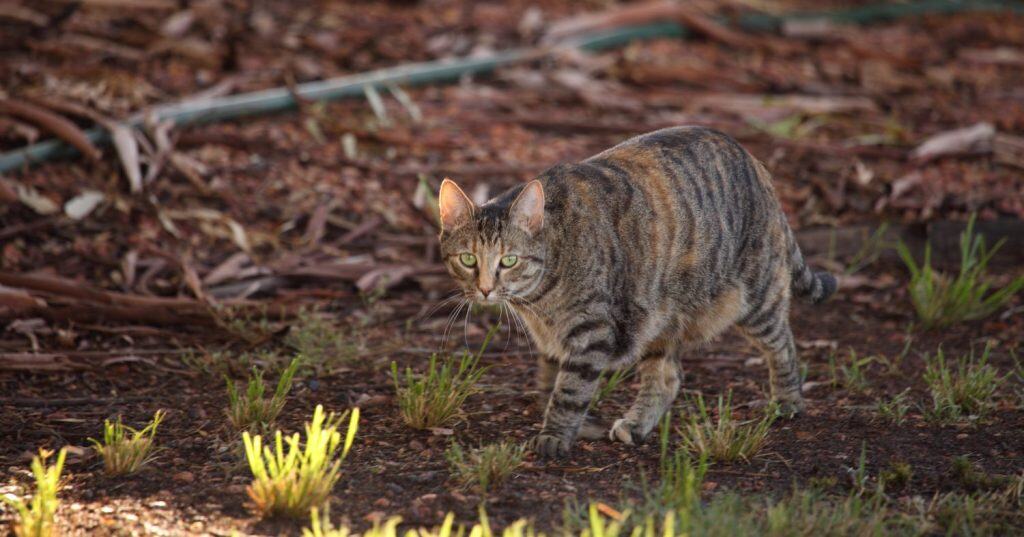
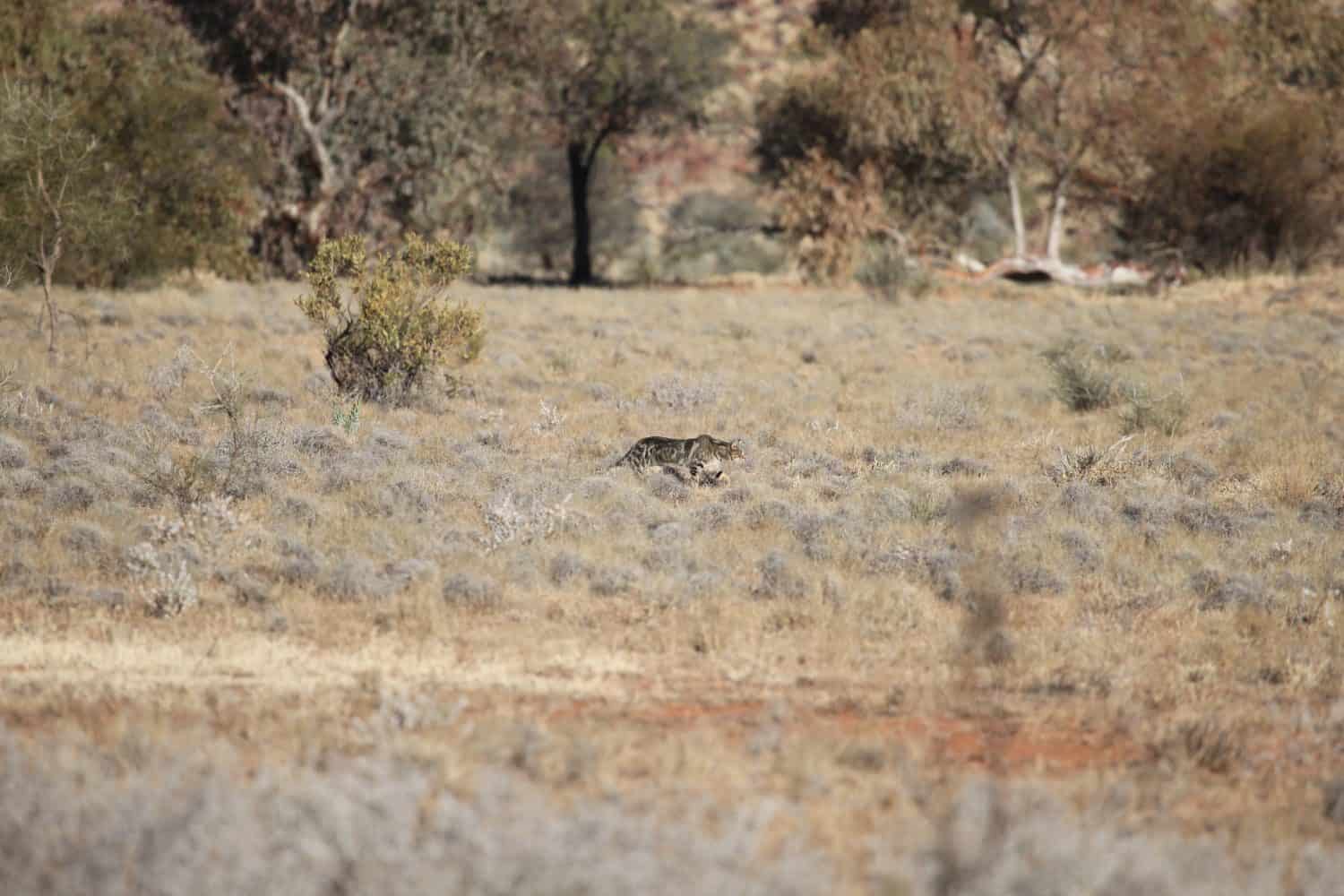
This feral cat in the outback of Australia (which also has feral populations) could be mistaken for a housecat.
©Chris Watson/Shutterstock.com
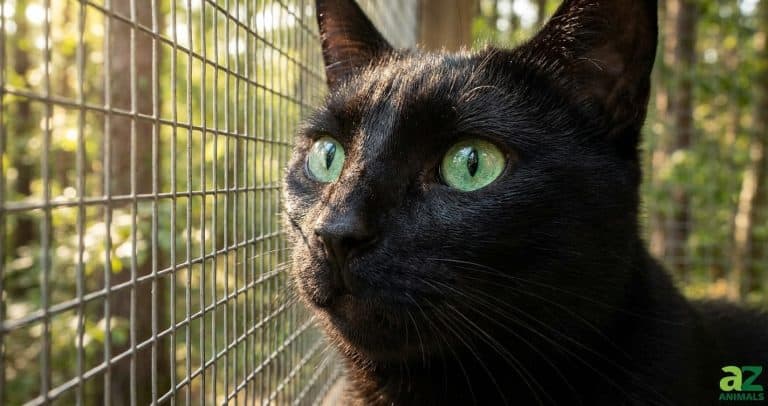
Cat owners, make sure your cat is collared, microchipped, and spayed or neutered so it doesn’t add to the feral population. The best way to protect your pet is to keep it indoors or confine it to your property, such as in an outdoor enclosure. New designs for “catios” offer outdoor living for cats while reducing their impacts on wildlife.
A recent study published in Applied Animal Behaviour Science surveyed nearly 1,850 New Zealanders to assess personal attitudes toward cat behavior. Cat owners were nine times more likely to support free roaming of pet cats (than non-owners), although younger or more urban cat owners tended to keep their cats indoors. Cat owners recognize that spending time outdoors provides cats with enrichment, exercise, and opportunities to express natural behaviors. However, when cats roam outside, they are also more vulnerable to diseases, parasites, toxins, cars, and fights with other cats.