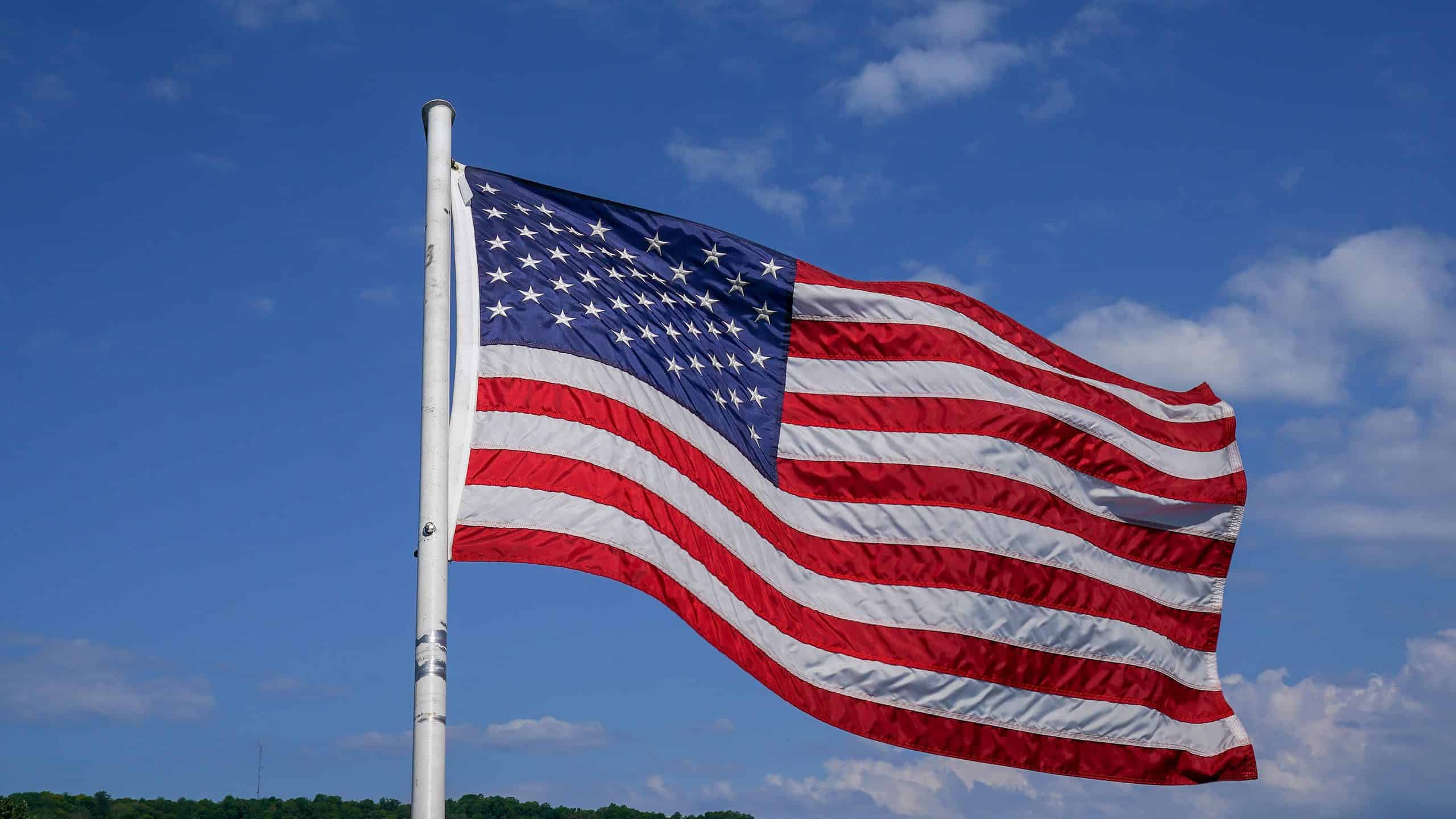

The United States of America is arguably the most powerful country in the world, as well as the most influential country in the world. Its sphere of influence extends through various parts of this Earth, from Latin America to Asia and Africa. Many countries have adopted their own constitutions with the American one as a guide. Some countries have even fashioned their form of government after the US branches of government. But there are also more things America has influenced and that is its flag. When we look at flags around the world, we can see common links with several of them. For the American flag, there are seven that look similar to the US flag.
Let’s take a look at the seven flags that look like the American flag. We’ll go through each country’s (or territory’s) flag in more detail and provide insights as to why they have the flag they have.
Liberia
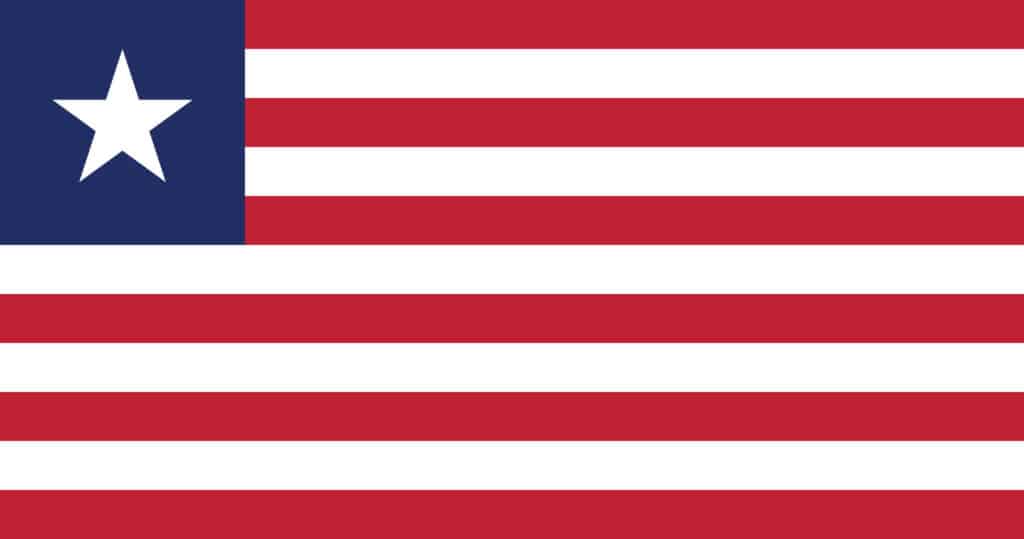
Liberia’s flag is the one that most closely resembles the American flag.
©Gil C/Shutterstock.com
Located in West Africa, Liberia is the one flag that looks most similar to the American flag. It has 11 stripes that alternate between red and white and in the upper left-hand corner it has a big, white star on a blue background. Liberia began as a colony where the American Colonization Society would send former slaves to the area to establish their lives there. They believed slaves would fare better in Africa than the conditions they faced in the US. Several thousand former slaves moved to the colony and eventually declared their independence and established their own country on July 26, 1847.
The flag was first adopted on August 24, 1847. The 11 stripes represent the 11 people who signed the Declaration of Independence. The white star stands for Liberia’s distinct founding of how it was the only country in Africa that was influenced by a Western nation.
Malaysia
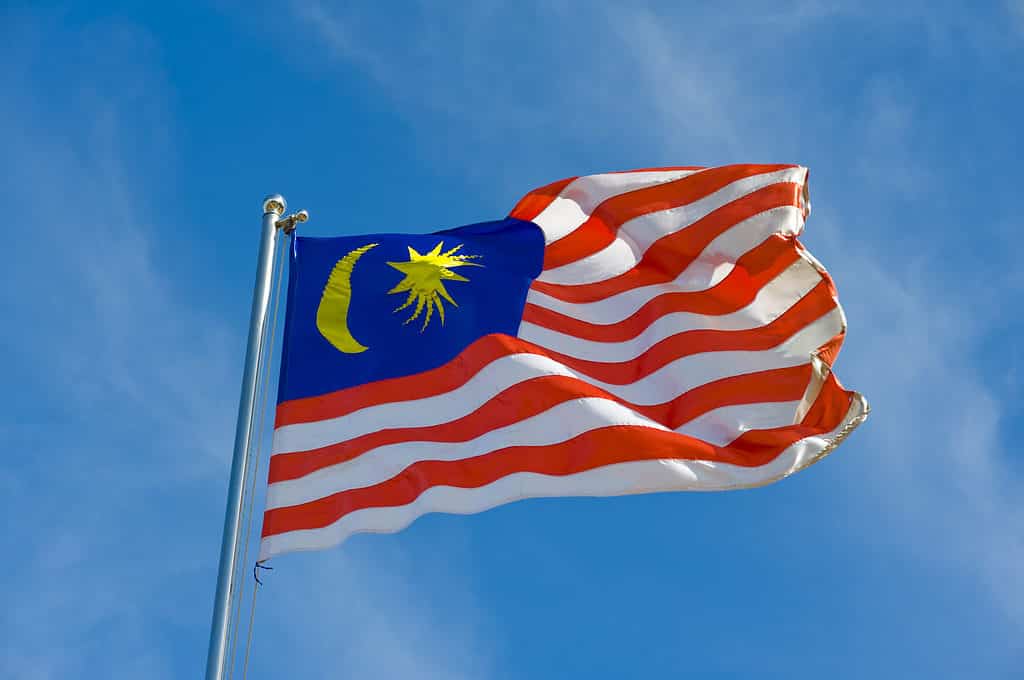
Malaysia’s flag is also called the Stripes of Glory.
©iStock.com/macky_ch
Located in Southeast Asia, Malaysia is another flag that bears a significant resemblance to the American flag. It has 14 stripes that alternate between red and white and in the upper left-hand corner there is a crescent moon and star on a blue background. The flag was first adopted on May 26, 1950, but modifications were made on September 16, 1963, once the country became independent from British rule.
The red and white stripes represent the 13 member states that make up the country. The flag’s crescent moon and star stand for Malaysia’s official religion, Islam. The yellow color of the moon and star symbolizes the Malay rulers’ sovereignty.
Uruguay
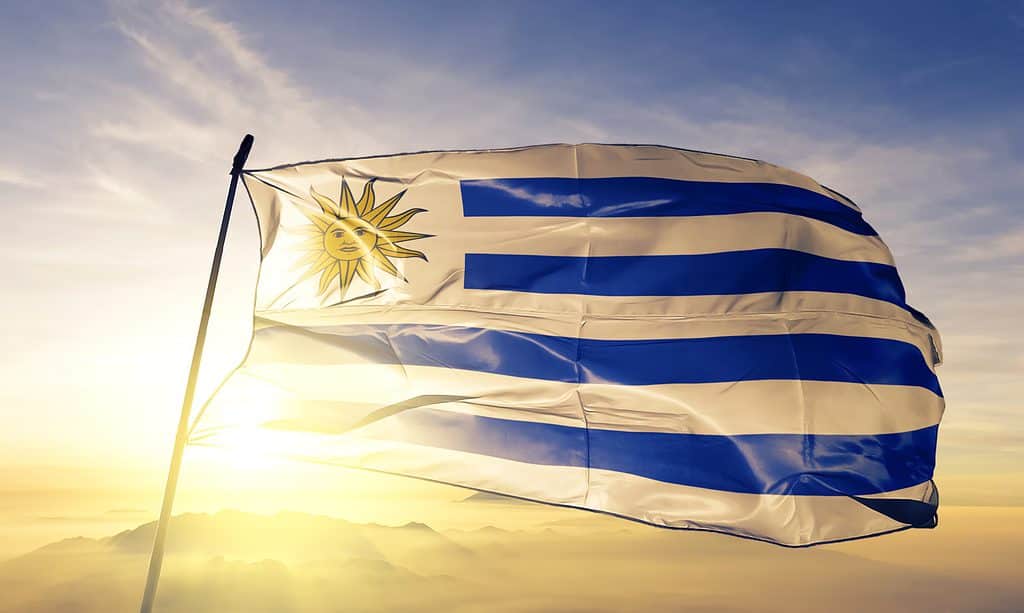
The current flag of Uruguay is one of three official flags the country has.
©iStock.com/Oleksii Liskonih
We now go to another part of the world and this time we land in South America. Uruguay is a small country north of Argentina. The flag is based on the American flag regarding the blue and white stripes. In the upper left-hand corner, there is a yellow sun called the Sun of May. First adopted on December 18, 1828, the original flag had 17 stripes, alternating between blue and white, but that was changed shortly after to nine. The flag’s stripes also allude to Argentina’s flag. The sun that is in the corner represents the 1810 May Revolution, since the Sun of May symbolizes the sun god, Inti, who is the founder of the Incan Empire.
Chile
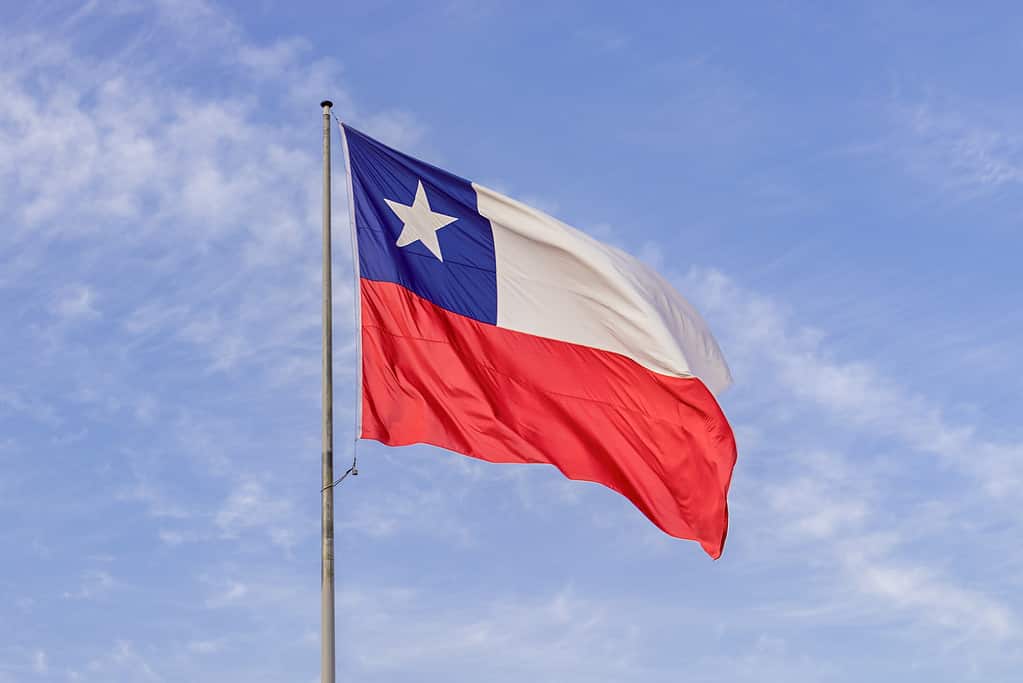
July 9 is Flag Day in Chile and commemorates the soldiers who died in the Battle of La Concepcion, fought in 1882.
©iStock.com/Leonardo Silveira
The Chilean flag is a mixture of the American flag because of its two stripes and the Texan flag because of its single star. The Chilean flag was adopted on October 18, 1817, slightly before the country claimed its independence from Spain.
The flag’s design represents several things. The blue background in the left-hand corner represents the sky of Chile, as well as the Pacific Ocean. The star is significant to the Indigenous natives, the Mapuches, who live in Chile, as it symbolizes a guide to the country’s progress. The red stripe symbolizes the blood that was shed during the country’s fight for independence. Finally, the white stripe stands for the snow-covered Andes Mountains.
Togo
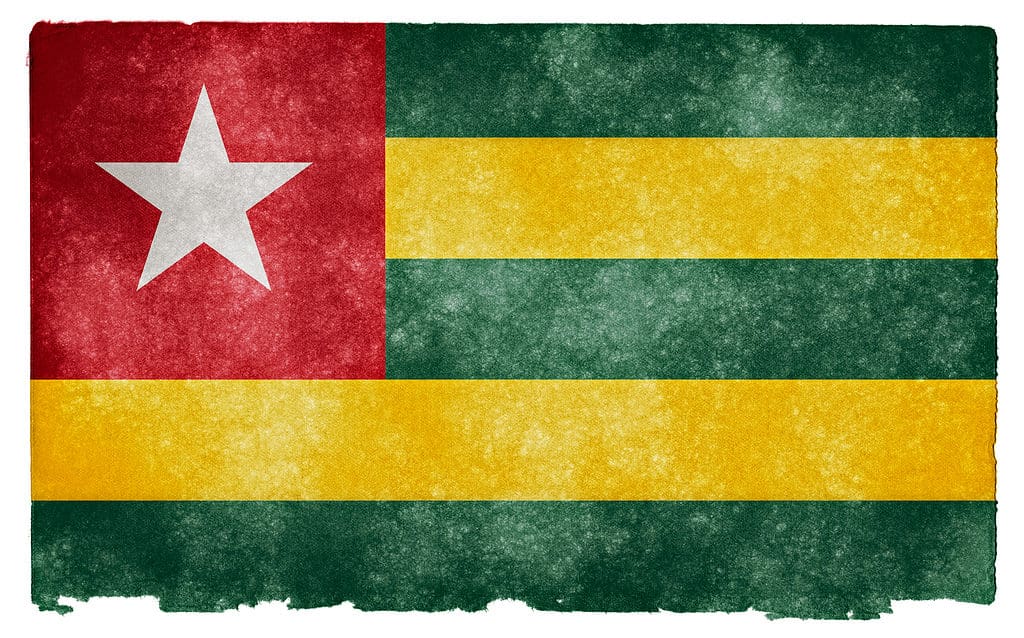
The flag of Togo is a mixture of the colors of Ethiopia’s flag and the design of both Liberia’s and the American flags.
The similarities between the Togolese flag and the American flag are just a few, mainly the stripes and the one star it has. The stripes are green and yellow and they signify the country’s five regions. The green color has further significance in that it stands for the country’s forests, nature, and hope for the future. The yellow stands for Togo’s natural resources. In the upper left-handed corner, there is a singular white star, which represents hope. The white star is on a red background. The red color stands for the blood that was spilled by the Togolese during their fight for independence. On April 27, 1960, Togo became independent from France and it was that same day that they adopted their flag.
Cuba
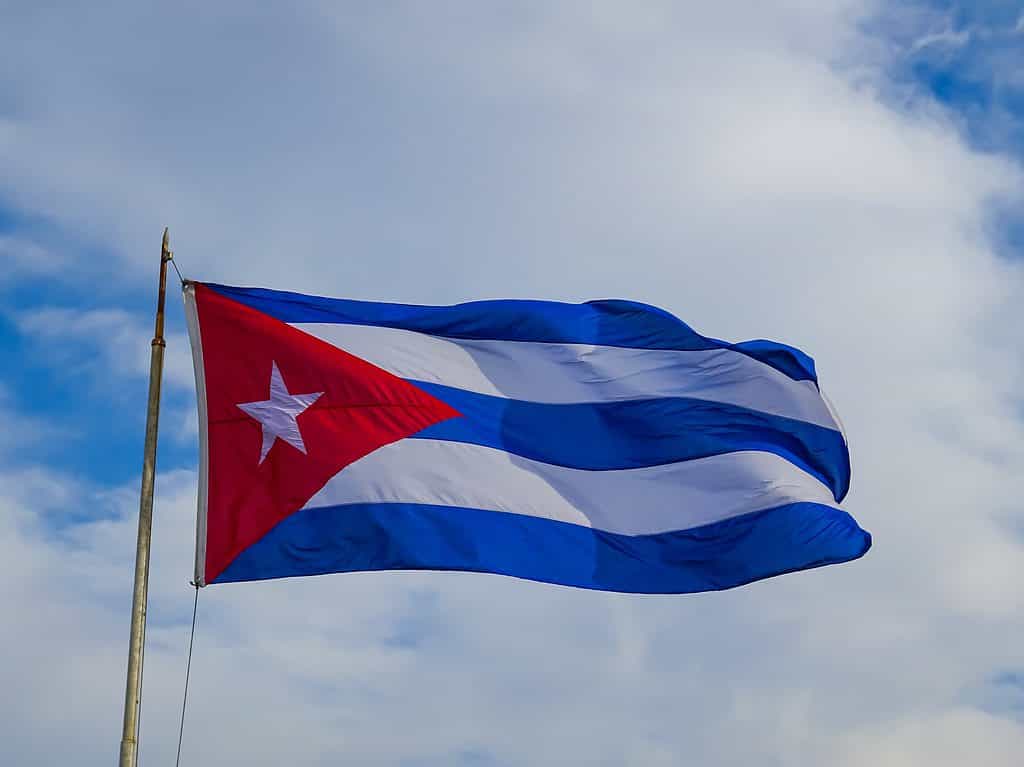
Cuba’s flag is called the Estrella Solitaria, which means the Solitary (or Lone) Star in Spanish.
©Giongi63/Shutterstock.com
Cuba’s flag bears an extreme resemblance to the American flag with its stripes and the colors chosen. The flag has blue and white stripes and in the left-hand corner, there is a red equilateral triangle with a white star in the middle. The flag was designed and used in the fight for independence since 1849. When Narciso Lopez and Miguel Teurbe Tolon created the flag, they chose the colors and design on purpose.
The three blue stripes represented the three regions of Cuba at the time. The white stripes signified the purity of the cause for independence. The white star was Masonic in nature because it means equality. Lastly, the red background the star is on stands for strength. The flag was formally adopted on May 20, 1902.
Puerto Rico
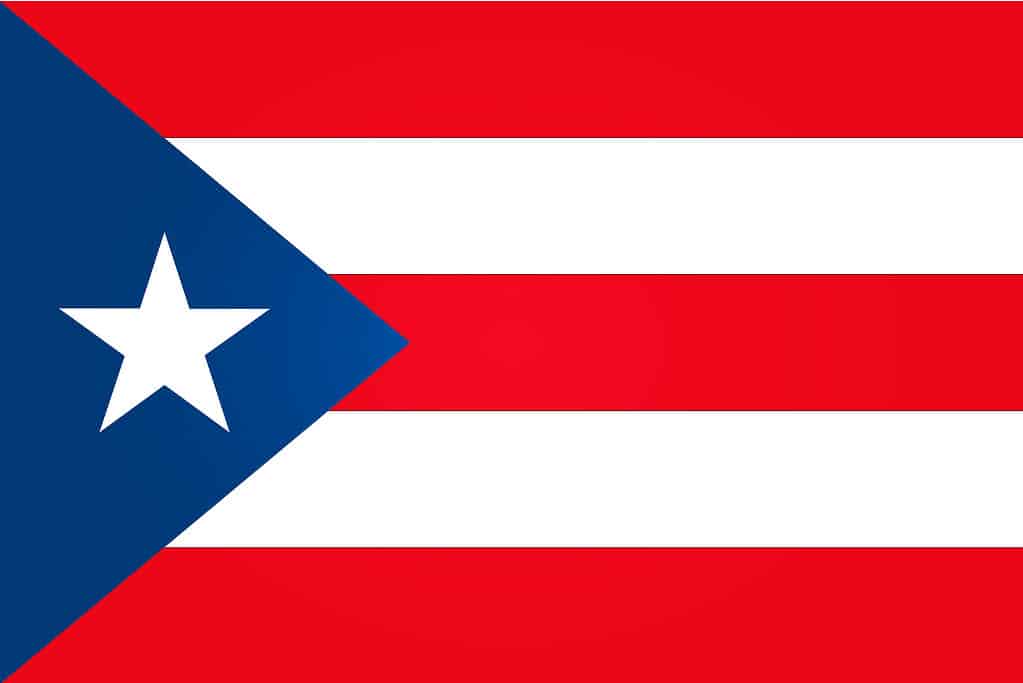
The flag of Puerto Rico is referred to as La Monoestrellada, which is The Monostarred in Spanish.
©Artgraphixel/Shutterstock.com
Puerto Rico is the only territory (although it has been calling for US statehood) in this list of flags. Its flag is extremely similar to the Cuban flag because of its triangle and colors. The differences, though, are that the stripes are red and white, like the American flag. The equilateral triangle is blue. The flag was first flown in 1868 but wasn’t formally adopted until 1995. The red stripes represent the blood that was spilled by those fighting for independence. The white stripes stand for peace, liberty, and victory. The blue triangle represents the sky and the surrounding ocean. Lastly, the white star represents the Puerto Rican island.
Conclusion
And there you have it, there are seven flags that look like the American flag. These countries don’t hail from one part of the world, but actually from several parts. Latin America, Asia, and Africa — are all different and unique parts of the world that are united because of a single thread (or many, when it comes to flags).
But these similarities aren’t just a stand-alone thing. As humans, we have more in common than we think. As much of the world is engulfed in wars and conflicts, we must remember that at the end of the day, we live in this world together. These countries may have similar flags, but they are also linked with sharing this beautiful Earth every day.
7 Flags That Look Like the American Flag
| Country | Date Adopted |
|---|---|
| Liberia | August 24, 1847 |
| Malaysia | May 26, 1950 |
| Uruguay | December 18, 1828 |
| Chile | October 18, 1817 |
| Togo | April 27, 1960 |
| Cuba | May 20, 1902 |
| Puerto Rico | August 3, 1995 |