
Quick Take
- Nearly half of CMS-listed migratory species are declining, with many facing extinction due to habitat loss, overuse, and climate change.
- 130 countries added 40 species to strengthen international conservation efforts.
- The treaty promotes cross-border habitat protection, research, and coordinated policies.
- Success depends on turning commitments into real-world conservation action.
The world’s migratory animals are in trouble, and the latest warning is hard to ignore. Nearly half of the species protected under the U.N. Convention on the Conservation of Migratory Species of Wild Animals (CMS) now have declining populations, and almost one in four is threatened with extinction. Migratory animals may breed in one nation and feed in another. Many also pass through several more countries while traveling. Without a shared conservation framework, each country might protect only its own piece of the journey, and the species could still fail overall.
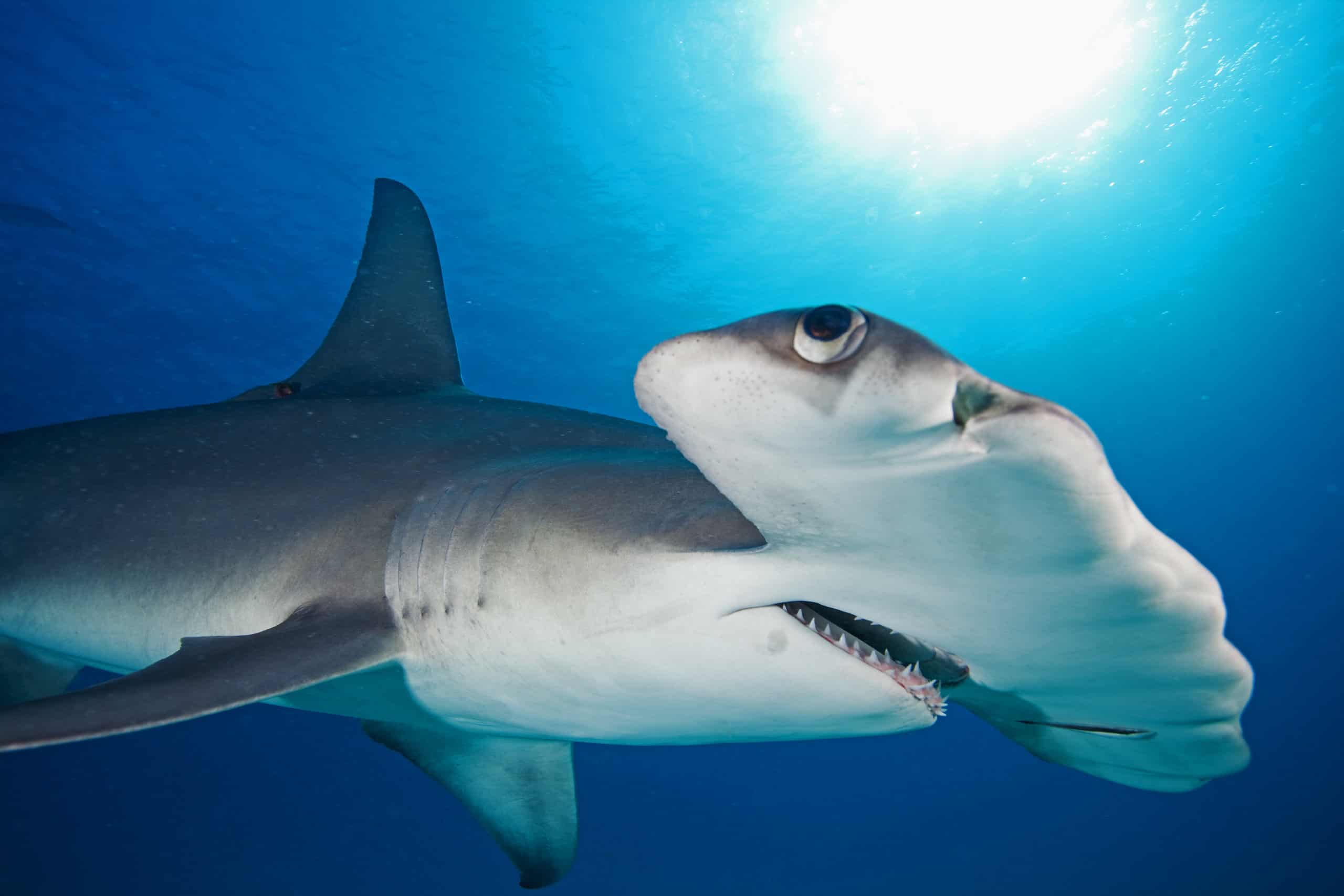
In response, countries at a recent CMS conference agreed to add 40 more species, from the snowy owl to the great hammerhead shark, to the treaty’s protection lists. Their decision is about more than symbolism: it requires governments to protect habitat, remove barriers along migration routes, and work together across borders so these animals can keep making their incredible journeys through a rapidly changing global conservation landscape.
A Wake-Up Call for Migratory Wildlife Conservation
Migratory species depend on connected habitats that can span continents, oceans, and entire flyways. This means effective conservation has to match that scale. When one link in that chain breaks—through habitat loss, overfishing, or climate change—the whole journey can fail and years of careful conservation work can unravel.
A recent U.N. assessment found that 49% of migratory species populations covered by the CMS treaty are declining, and 24% of listed species are now globally threatened with extinction. Those numbers have worsened even in just the past two years. This shows that conservation efforts have not yet caught up with the threats these animals face.
An Agreement in Brazil

The meeting took place in Campo Grande, Brazil.
©Erich Sacco/Shutterstock.com
At a convention in Campo Grande, Brazil, from March 23-29, 2026, representatives from more than 130 countries agreed to add or upgrade species on the treaty’s two appendices. Qualification was based on scientific evidence that the particular species is at risk and that international conservation cooperation could help. Leaders of the convention have described the move as proof that governments can act when the science is clear. However, they also stress that listing species is only the first step. Without follow‑through, the conservation promise will not translate into safer skies, seas, and river corridors for migrating animals.
The Convention on Migratory Species Conservation
The Convention on the Conservation of Migratory Species of Wild Animals (CMS) is a U.N. treaty that began in 1979. It protects animals that cross national borders and anchors long‑term conservation for species that travel far. Countries that join the treaty cooperate to conserve these species throughout their ranges. The treaty organizes protections and guides conservation priorities using two main lists: Appendix I and Appendix II.
Appendix I covers migratory species that face a danger of extinction. Countries home to those animals must strictly protect them and conserve and restore key habitats. Appendix II includes species that are not yet as close to extinction. These animals still need international agreements to maintain or restore healthy populations. Countries use focused conservation measures to do this. Many of the 40 newly listed species now appear on both appendices. This change reflects their high risk and the need for organized conservation action along their migration routes.
Here are some of the animals that now have improved recognition:
Snowy Owl (Bubo scandiacus)
The snowy owl is one of the largest owls in the world. With thick white plumage and piercing yellow eyes, this beautiful bird is a symbol of the Arctic and often appears in conservation campaigns. It breeds on treeless tundra in the far north. Some individuals migrate south in winter to open coastal areas, fields, and marshes in Canada, the northern United States, and Eurasia. Because this owl depends heavily on lemmings and other small mammals for food, its breeding success rises and falls with prey cycles. Climate change is already altering these patterns. For conservation scientists, the snowy owl has become a visible indicator of how quickly Arctic ecosystems are changing.
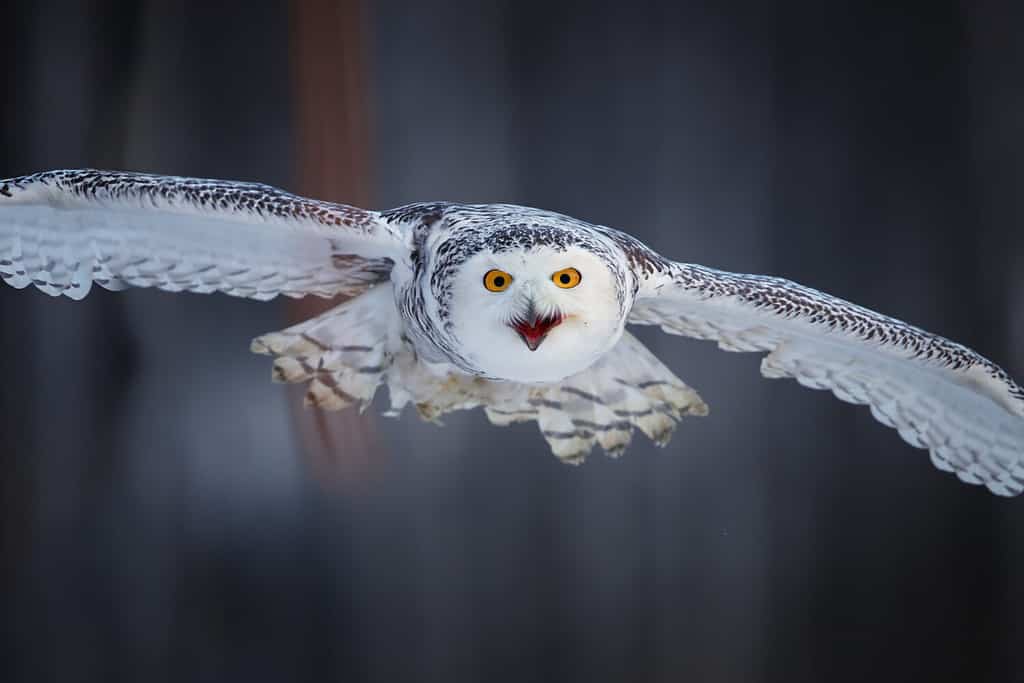
The snowy owl is one of the largest owl species.
©Martin Mecnarowski/Shutterstock.com
Recent assessments show that the snowy owl’s global population is declining. It is now vulnerable to extinction, making it a priority for Arctic conservation. By listing the snowy owl, CMS Parties commit to protecting key breeding and wintering areas, reducing threats such as disturbance at nesting sites, and sharing monitoring data across the species’ wide range. This will help create a coordinated snow‑and‑tundra conservation strategy.
Cheetah (Acinonyx jubatus)
The cheetah is the fastest land mammal, capable of sprinting around 60 to 70 miles per hour over short distances. It has long been a flagship for African conservation. This stunning wild cat once ranged widely across Africa, the Middle East, and parts of Asia, but today it survives in scattered populations, many of them small and isolated. Cheetahs need large, open territories to hunt antelope and other prey. They often cross property lines, national borders, and protected‑area boundaries. As human settlements and farmland expand, cheetahs increasingly run into roads, fences, and conflicts with livestock owners. This makes community‑based conservation partnerships essential.
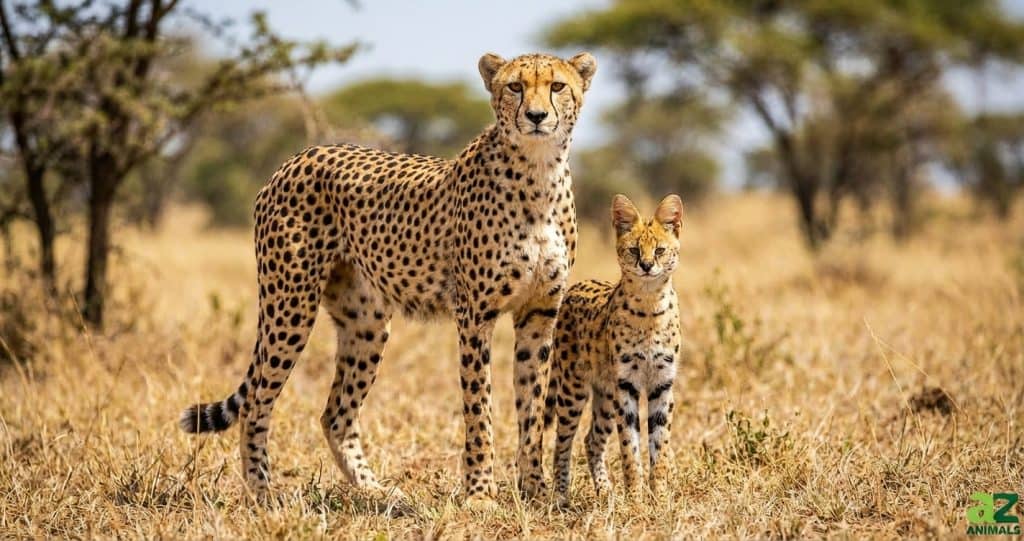
Cheetahs in Zimbabwe were a particular focus for the new conservation listings.
©A-Z Animals
The CMS decision focuses especially on the cheetah population in Zimbabwe. It is now listed on Appendix I and II to reflect its endangered status and the need for coordinated management and conservation funding. Countries that host cheetahs are expected to maintain connected savanna and semi‑desert habitats, reduce direct killing, and work with communities to limit livestock losses as part of broader carnivore conservation programs. Agreements between neighboring African countries can guide wildlife‑friendly fencing, road planning, and anti‑poaching patrols across shared landscapes in ways that support both conservation and local livelihoods.
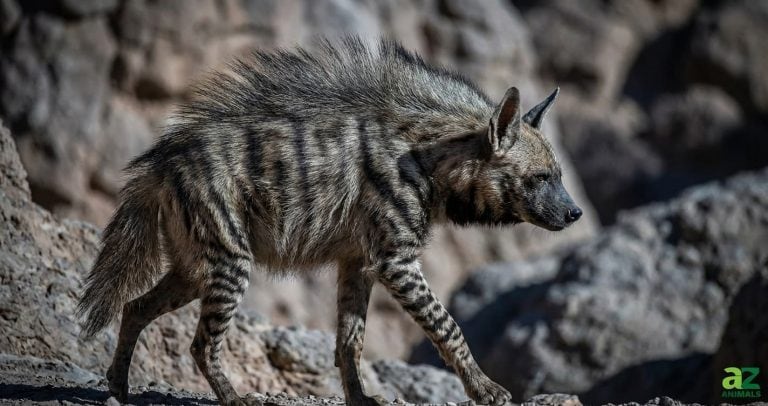
Striped Hyena (Hyaena hyaena)
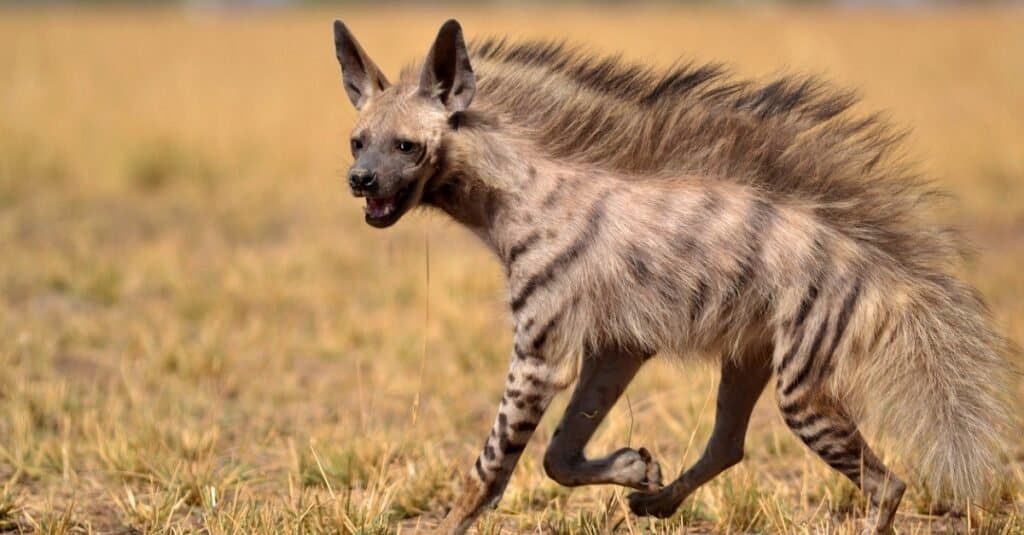
Striped hyenas are rarer and less well known than spotted hyenas.
©iStock.com/Meet Poddar
The striped hyena is a medium‑sized scavenger found from North and East Africa through the Middle East and into India and Central Asia. Even though its range is wide, it rarely appears in mainstream conservation stories. Unlike the better‑known spotted hyena, the striped hyena is more solitary and often moves at night. The species cleans up carcasses and plays an important role in ecosystems. Scientists estimate that there are fewer than 10,000 mature individuals worldwide, and the species is listed as near threatened. Its main troubles come from habitat loss, deliberate poisoning or persecution, and declines in wild prey. These factors push it into closer contact with people and livestock and complicate hyena conservation.
The species ranges across many countries, some with limited resources for wildlife monitoring. Under the treaty, range states are encouraged to protect denning and foraging areas, reduce poisoning and snaring, and coordinate research. These actions will help scientists better track populations and target conservation hotspots. Outreach campaigns can also help shift public attitudes, which can reduce retaliatory killings by showing how striped hyenas help clean up carcasses and limit disease spread.
Giant Otter (Pteronura brasiliensis)

A giant otter in the Peruvian Amazon.
©OSTILL/iStock via Getty Images
The giant otter is the largest otter species, with adults reaching almost 6 feet long and weighing up to around 70 pounds. It lives in family groups along rivers, lakes, and wetlands in the Amazon, Orinoco, and other South American basins. Giant otters hunt fish and help keep freshwater ecosystems in balance. Conservation groups often use them as a flagship species to draw attention to broader threats facing tropical rivers.
These otters are listed as endangered. In some countries they have already disappeared from parts of their former range, underscoring failures in past conservation. Deforestation, mining, pollution, and the construction of large dams have destroyed or fragmented many of their river habitats. CMS’ conservation plans for Amazonian species push governments to limit destructive mining practices, maintain forested riverbanks, and design hydropower projects that preserve enough natural flow and connectivity for otters and their prey.
Great Hammerhead Shark (Sphyrna mokarran)
The great hammerhead shark is one of the largest hammerhead species. Adults commonly reach 10 to 14 feet in length, and some individuals grow even longer. The distinctive species is often featured in marine conservation campaigns. Its distinctive T‑shaped head gives it a wide field of view and helps it detect prey such as stingrays and other fish along the sea floor. Great hammerheads migrate through warm and tropical waters in the Atlantic, Pacific, and Indian Oceans. They often travel along continental shelves and around islands. This wide‑ranging lifestyle makes them vulnerable to fishing fleets operating far from shore. For this reason, conservation rules must extend beyond coastal waters.
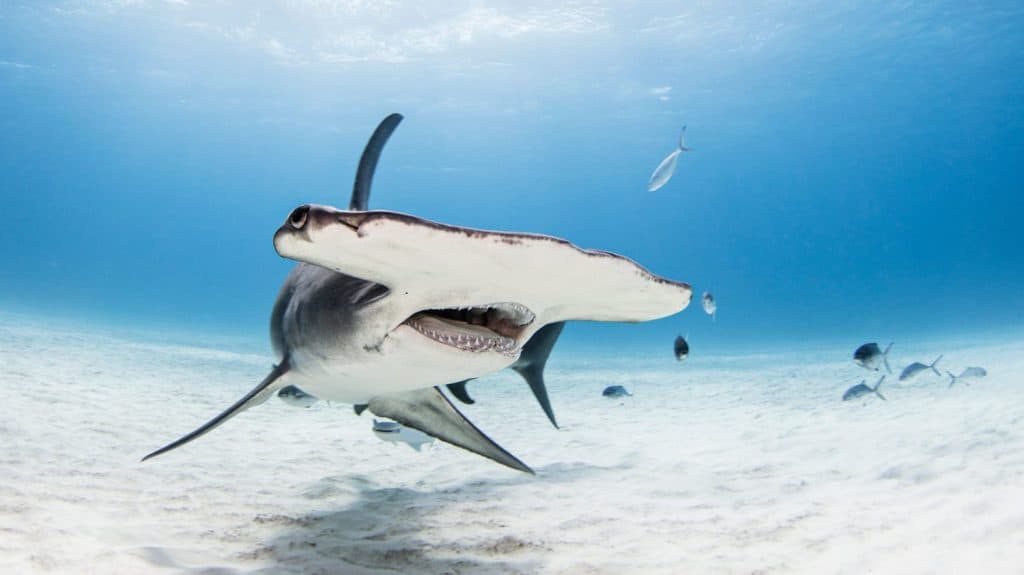
The placement of the eyes on the great hammerhead shark gives it superior vision.
©Ken Kiefer/Shutterstock.com
The great hammerhead is already considered critically endangered, and scientists warn that its slow reproduction makes it hard to recover once numbers fall. Under the CMS treaty, listing this shark encourages countries to reduce shark bycatch, limit retention of hammerheads, and protect key habitats like nursery areas and coastal feeding grounds as part of broader shark conservation strategies. Because many of the countries involved also belong to regional fisheries organizations, CMS guidance can feed into stricter fishing rules across entire ocean basins.
Why Add 40 Species to Conservation Lists Now?
The decision to list 40 new species and distinct populations followed detailed proposals and scientific reviews presented at the CMS conference, a major conservation gathering. By looking at trends in population size, habitat condition, and known threats, experts recommended listings that could significantly benefit from international cooperation. In many cases, some populations of a species were already listed, with the new decision extending or strengthening protections across more of its range, tightening the overall conservation net.
This expansion comes alongside new data showing that pressures on migratory species are increasing, not easing, despite decades of conservation talk. Overexploitation—through hunting, fishing, or trade—and the loss and fragmentation of habitat remain the two biggest threats worldwide. Climate change adds another layer by shifting migration timing, altering food webs, and increasing extreme events such as droughts and heat waves, all of which complicate conservation planning. In that context, adding 40 species is part of a broader push to update protections so they match the scale and speed of the crisis and keep conservation policies from falling further behind reality.
How Countries Turn Listings into Conservation Protection
Once a species is listed, each Party to the convention has to translate treaty language into national laws and policies that deliver real conservation gains. That process can include revising wildlife protection acts, changing fishing regulations, or upgrading environmental impact rules for new development projects. For example, a country might create a new marine protected area along a known shark migration route or adjust the timing of a fishing season, so it does not overlap with peak shark movements. In river basins shared by several countries, governments may coordinate dam operations and water quality standards so species like giant otters can still move and find food, turning regional planning into genuine conservation action.
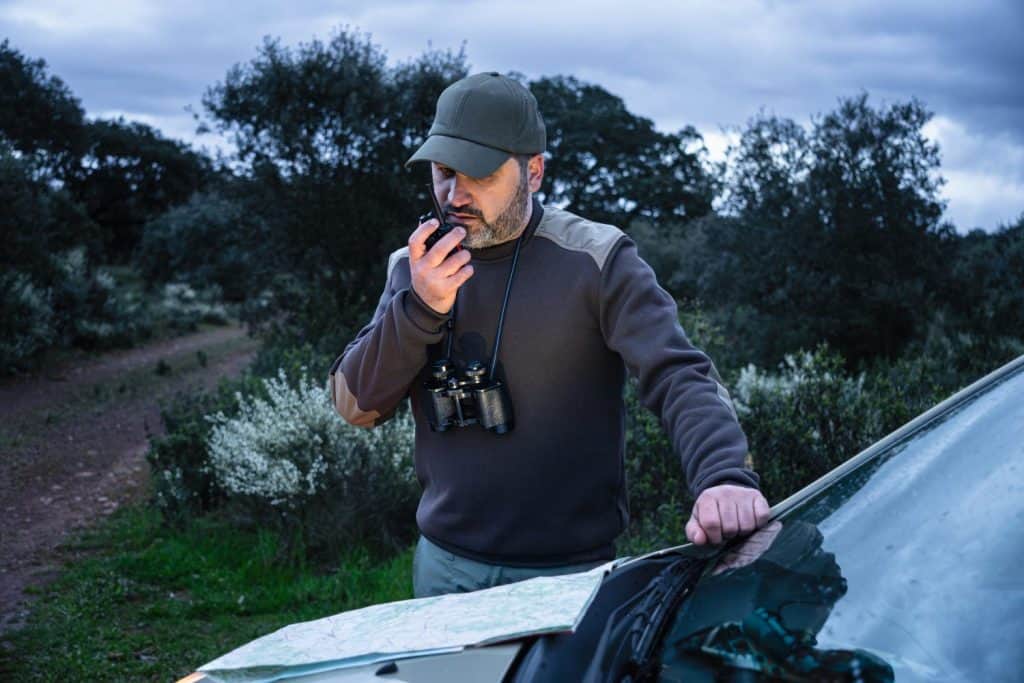
Conservation efforts involve wildlife officials, biologists, and local communities.
©EF Stock/Shutterstock.com
Monitoring is another key piece of effective conservation for migratory species. CMS encourages nations to collect and share data on population trends, migration routes, and threats, often partnering with universities, conservation groups, and local communities. Satellite tracking of sharks or GPS tagging of owls, for instance, can reveal critical stopover sites that need protection. Because many countries face limited resources, joint research programs and funding mechanisms can help spread costs and expertise across borders, making conservation work more efficient and less duplicative.
Why These Conservation Listings Matter for the Future
The new CMS listings will not save snowy owls, cheetahs, striped hyenas, giant otters, or great hammerhead sharks overnight, but they provide a legal and political foundation for serious conservation across borders. By committing to protect habitat, reduce barriers to migration, and coordinate conservation, governments are acknowledging that the survival of migratory species is a shared responsibility. Smart conservation choices mean cleaner rivers, healthier oceans, and more resilient ecosystems that continue to support fisheries, tourism, and cultural traditions. The real test will be whether countries turn these promises into on‑the‑ground conservation changes fast enough to bend the curve of decline and keep these remarkable migrators in our skies and waters for generations to come.