
Quick Take
- Scientists successfully achieved the first rhino pregnancy using a lab-created embryo and embryo transfer.
- IVF, cryopreservation, and surrogacy are helping preserve genetics and rebuild endangered populations.
- Most people support these technologies, but only with strong welfare protections and transparency.
- This brings up an important ethical question: as conservation becomes more hands-on, when is intervention justified to prevent extinction?
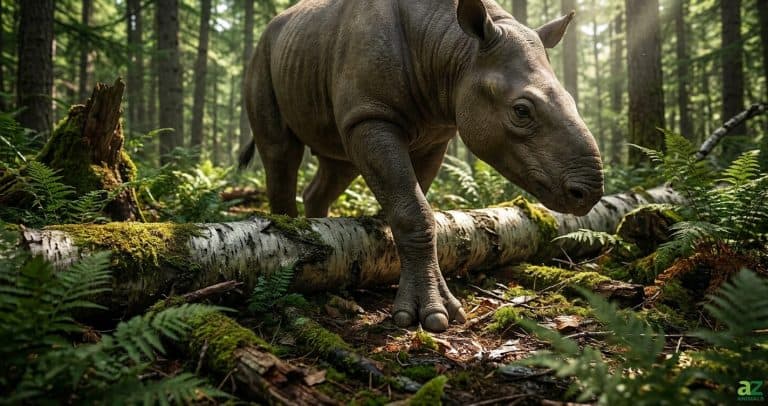
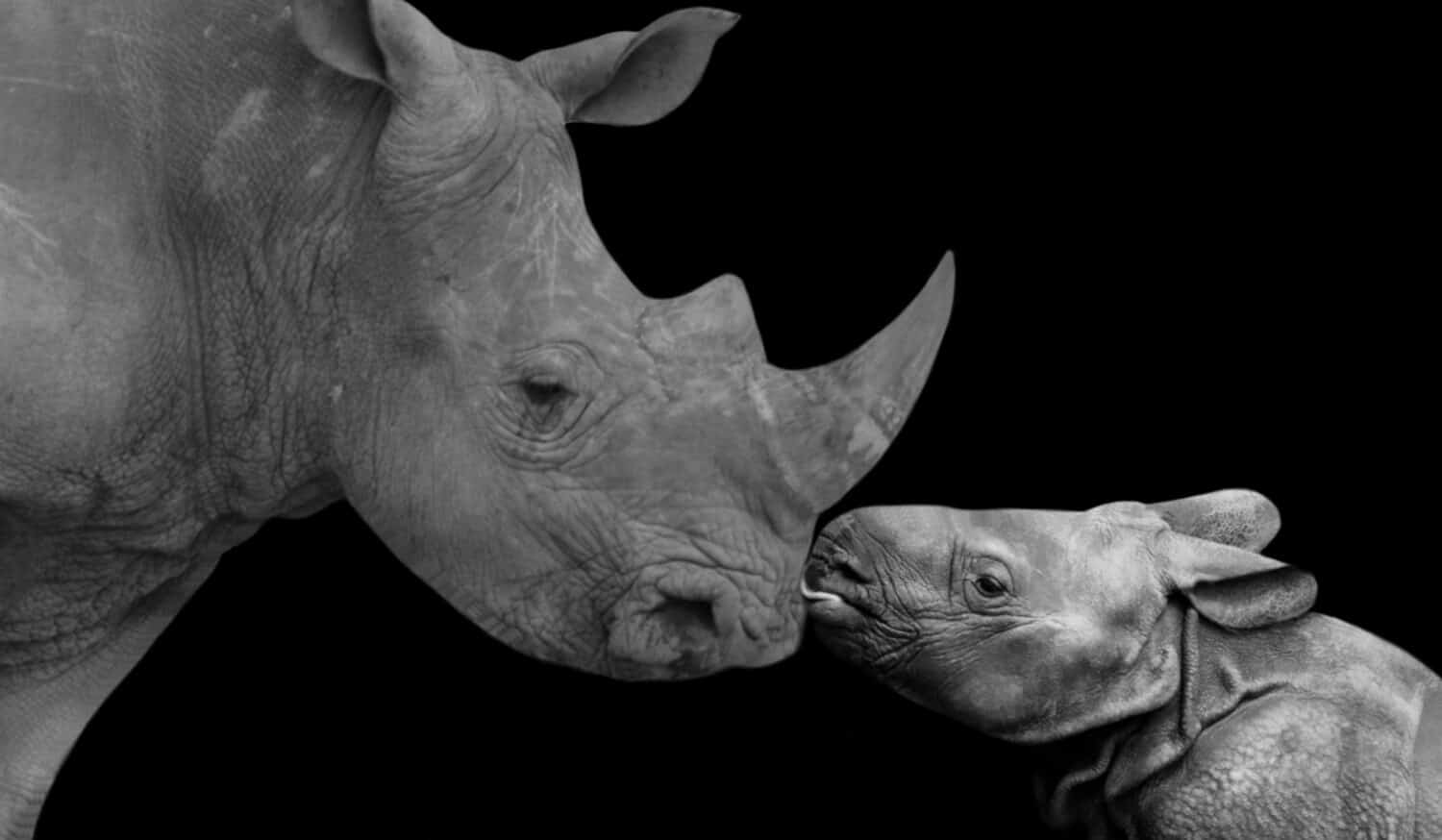
Researchers at Kenya’s Ol Pejeta Conservancy witnessed a biological breakthrough recently when a southern white rhinoceros successfully became pregnant through an artificial embryo transfer for the first time. Although the surrogate mother unfortunately died 70 days later from an unrelated bacterial infection, the experiment proved a vital concept: a lab-created rhino embryo can successfully implant and begin developing in a womb.
That proof matters enormously for the future of the northern white rhino. Only two are left on Earth: a mother and daughter named Najin and Fatu. Unfortunately, neither of them can carry a pregnancy, so the survival of their species depends entirely on technology. Scientists have already created a “frozen legacy” of at least 38 northern white rhino embryos using preserved sperm and eggs. Frozen and stored in liquid nitrogen, these embryos are waiting for surrogate mothers.
The 70-day pregnancy in Kenya serves as the first real evidence that this high-tech rescue plan could actually work. However, the milestone raises a deeper question that conservation increasingly must confront: when is it ethically justified for humans to intervene so directly in the reproduction of wildlife?
Conservation Tools
Traditional conservation typically focuses on protecting natural habitats so that animals can reproduce on their own. However, when a species faces a population collapse, these ideal conditions often vanish. Remaining animals might be scattered across different regions, genetically incompatible, or simply unable to reproduce in captivity. To bypass these biological dead ends, scientists use assisted reproductive technologies (ART) to give endangered species a fighting chance.
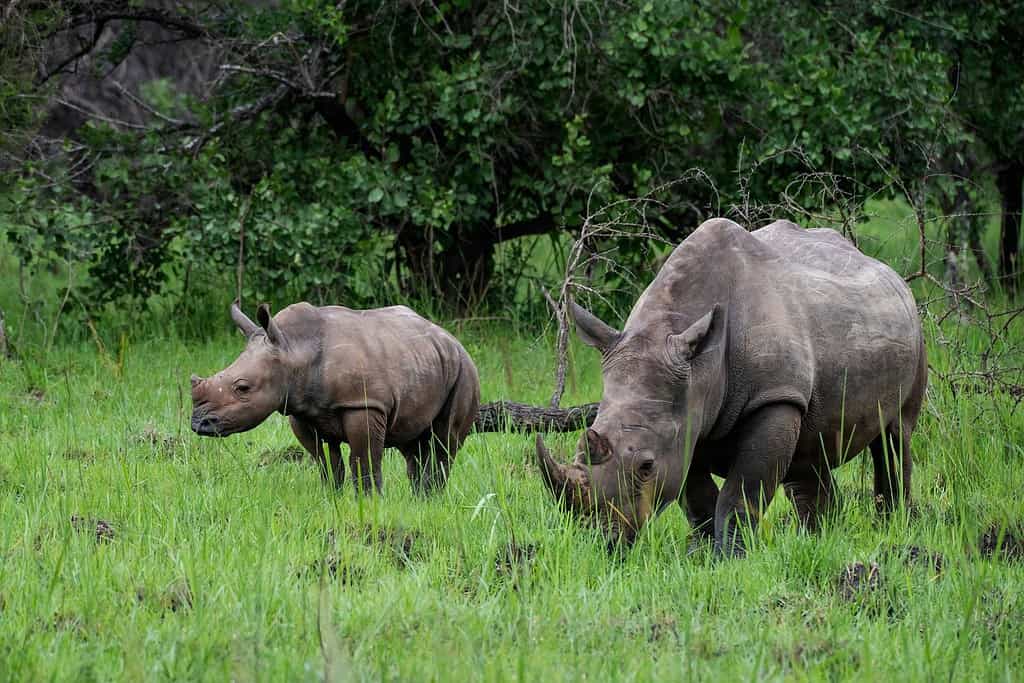
Najin and Fatu are the only northern white rhinos left on Earth.
©Tharuka Photographer/Shutterstock.com
Artificial insemination (AI) has become a fundamental tool in modern wildlife conservation. Instead of the risky and expensive process of transporting multi-ton animals across the globe for breeding, scientists can simply move genetic material between institutions. This method also overcomes behavioral hurdles. AI helps to protect an individual’s unique genetics even if the animal fails to pair with a mate successfully.
Cryopreservation and the “Frozen Zoo”
Cryopreservation involves storing sperm, eggs, and embryos in liquid nitrogen at the extreme temperature of –320 degrees Fahrenheit. At such freezing temperatures, biological processes essentially stop, allowing genetic material to remain viable for decades. This “Frozen Zoo” concept means a male that died long ago can still contribute to future generations. This process effectively restores genetic diversity that would otherwise be lost forever.
In vitro fertilization (IVF) also gives scientists precise control over the fertilization process within a laboratory setting. Researchers collect eggs from females using ultrasound-guided aspiration and mature them before combining them with sperm. Once the resulting embryos begin to divide, scientists select the most viable ones and place them into a surrogate mother. For a species like the northern white rhino, this technology is a necessity, as a closely related southern white rhino must serve as the surrogate to carry the pregnancy to term.
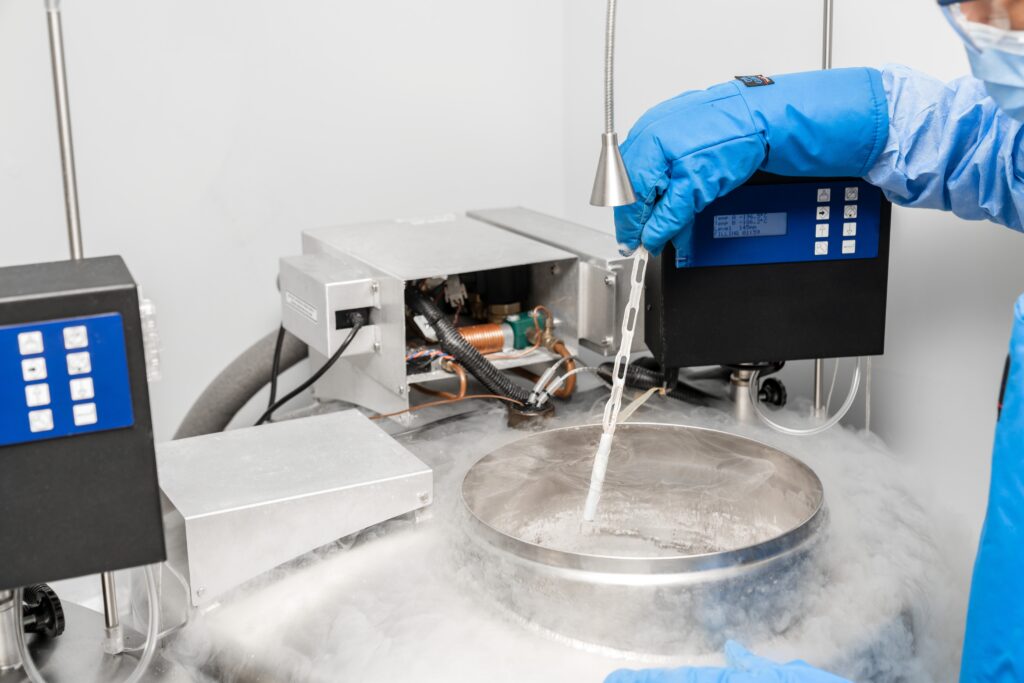
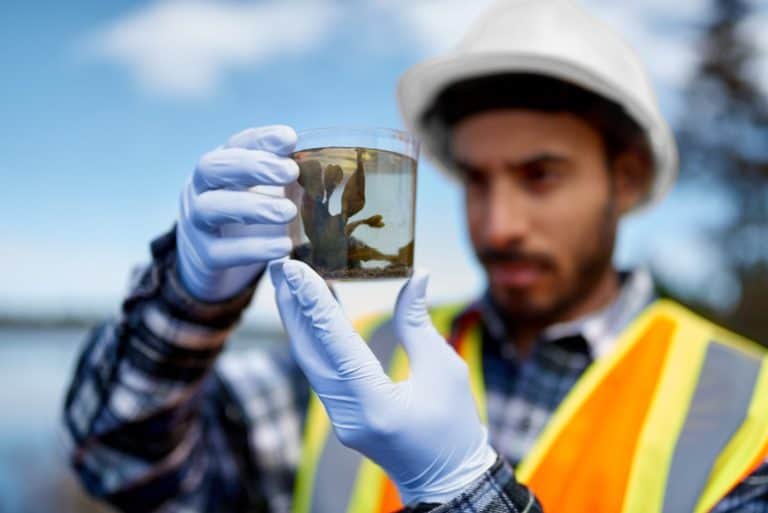
Researchers freeze sperm and egg samples in a liquid nitrogen bank to preserve them for the future.
©MedicalWorks/Shutterstock.com
In some cases, a more common, closely related species can serve as a surrogate to carry the embryos of an endangered one. Conservationists have proposed this technique to help save the endangered bongo by transferring its embryos into the more plentiful eland antelope.
By utilizing interspecies surrogacy, scientists can significantly increase the number of potential mothers available to carry offspring, creating new pathways for restoring species whose own populations are too small or too weak to reproduce naturally.
A Case Study from Yellowstone’s Bison
This technology is not reserved solely for exotic animals. It has also provided a breakthrough for the American bison. For over a century, the bison of Yellowstone National Park have presented a unique challenge. While they carry some of the most valuable genetics of their species, many are also infected with brucellosis, a bacterial disease that can spread to livestock. To prevent infecting cattle, these bison were long kept in quarantine. This made it biologically and politically difficult to move them to start new herds elsewhere.
Researchers at Colorado State University developed an innovative workaround to this problem. Using IVF, scientists created embryos from Yellowstone bison and applied a specialized “washing” process to remove any bacteria from the embryo’s surface. After testing to confirm the animal’s embryos were entirely pathogen-free, researchers transferred them into healthy surrogate mothers.
In 2015, this process successfully produced calves that possessed pure Yellowstone genetics but were born completely free of disease. These animals formed the foundation of the Laramie Foothills Bison Conservation Herd in northern Colorado.
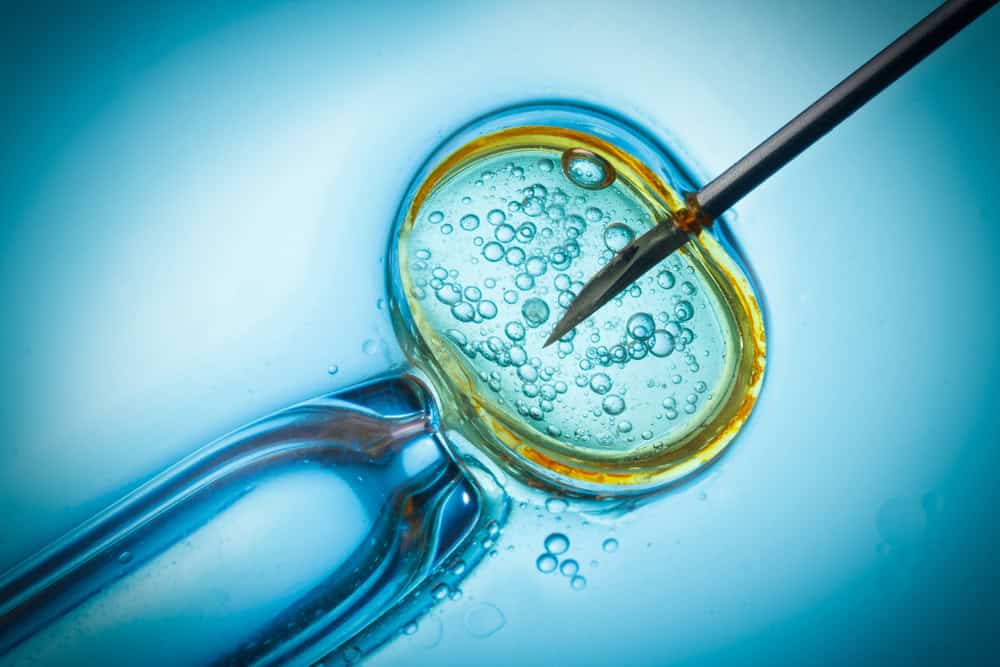
Assisted Reproductive Technologies (ART) in wildlife can help increase genetic diversity.
©nevodka/Shutterstock.com
This achievement proved that reproductive technology can solve more than just biological hurdles. It can also dismantle the social and political barriers that often stall conservation efforts.
What Does the Public Think?
To gauge how the general public views these advanced interventions, researchers surveyed over 1,300 people across Europe. While overall support for these technologies was surprisingly strong, that approval often came with specific conditions and varying levels of enthusiasm depending on the region.
In Czechia, for example, respondents expressed a particularly high level of optimism toward high-tech conservation. This positive outlook is likely rooted in the country’s deep connection to the northern white rhino recovery efforts. As a central player in the BioRescue project, the country’s Safari Park Dvůr Králové has allowed the Czech public to follow this scientific journey through national media for years. When a trusted local institution leads such groundbreaking work, the technology feels less like a detached science fiction experiment and more like a source of national pride.
In contrast, participants in Germany and Italy approached the subject with more caution. Many respondents in these countries stressed the importance of robust ethical oversight and total transparency. Their concern wasn’t necessarily an opposition to animal embryo transfers themselves, but rather a demand for clear, strict rules governing how and why these methods are used.
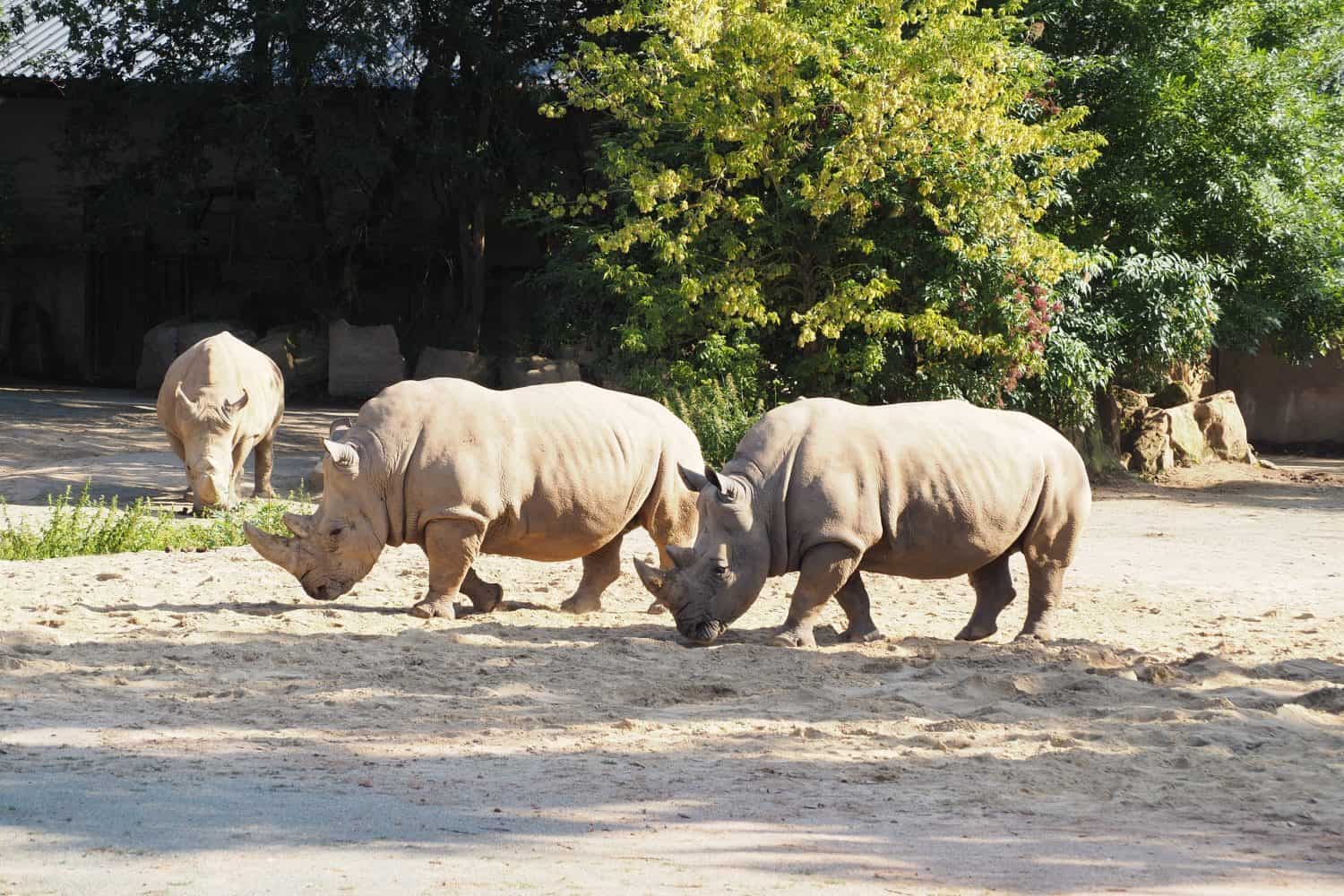
Most survey respondents recognized the dangers of poaching but failed to account for how political and social unrest also endangers wildlife.
©DaidalosCz/Shutterstock.com
The survey also highlighted a significant gap in what the public understands about species extinction. Most participants were well-informed about direct threats like poaching and habitat loss. However, they frequently overlooked the roles of political instability, economic pressure, and regional conflict in driving wildlife decline.
Researchers suggest that conservation stories need to do a better job of addressing these broader issues. Additionally, biotechnology is a precision tool that works alongside habitat restoration, not a substitute for traditional conservation or an excuse for environmental neglect. The survival of wildlife is often inseparable from human stability and public health, a holistic connection known as the “One Health” framework. Adopting this approach can help the public understand how animal welfare, human health, and ecosystem stability are interconnected.
The Ethical Question: When Is Intervention Justified?
As reproductive technology advances, conservation is entering unfamiliar territory. While protecting natural habitats is a traditional approach, manipulating animal embryos at a cellular level introduces a brand-new set of moral complexities.
The last male northern white rhino, Sudan, died in 2018.
©Som Moulick/Shutterstock.com
Public opinion studies consistently highlight one important ethical boundary: the welfare of individual animals must not be sacrificed, even for the sake of saving an entire species.
Because surrogate mothers often undergo hormone treatments and invasive medical procedures, their welfare is central to the legitimacy of these projects. If the physical or psychological cost to the surrogate animal is deemed too high, public support for the technology tends to disappear quickly.
Simultaneously, many people view these interventions as a moral responsibility. The northern white rhino did not reach the edge of extinction through natural evolutionary forces. Instead, it was pushed there by human poaching and habitat destruction. From this perspective, using advanced technology is not an unnatural intrusion, but rather a necessary attempt to repair the damage humans have caused.
However, ethicists warn against viewing biotechnology as a “silver bullet” for conservation. A lab-created animal embryo is a powerful tool, but it cannot replace the essential, long-term work of protecting land, reducing poaching, and stabilizing ecosystems. Technology can buy a species more time, but it can never be a permanent substitute for a functioning natural world.
The Cultural Side of Survival
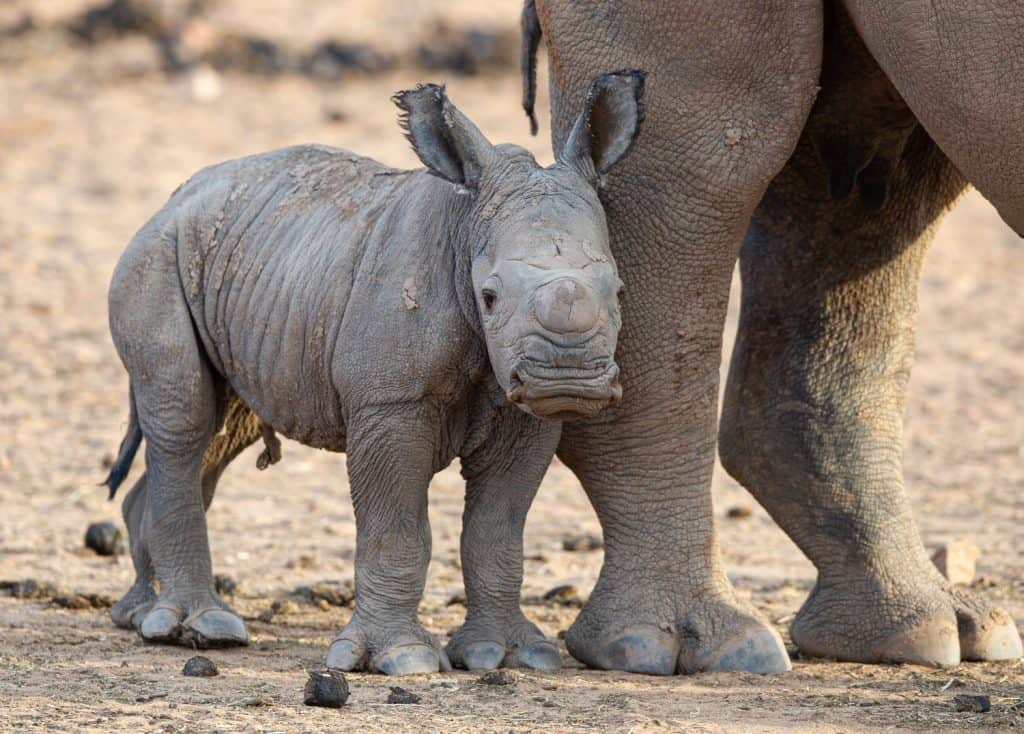
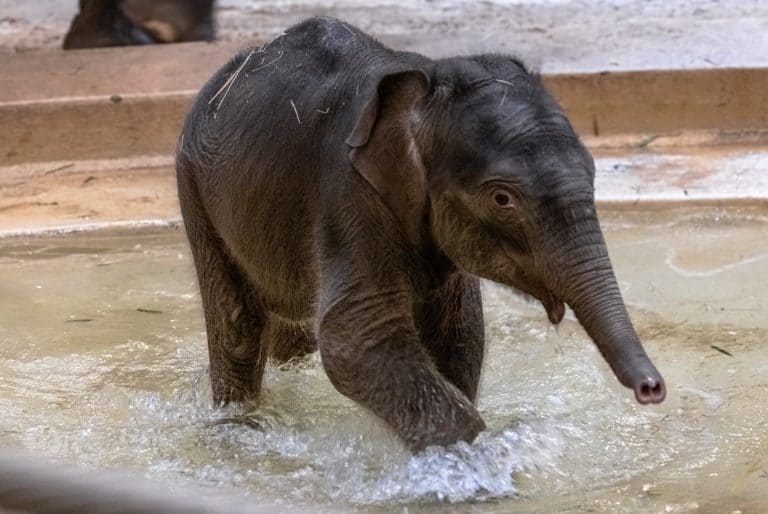
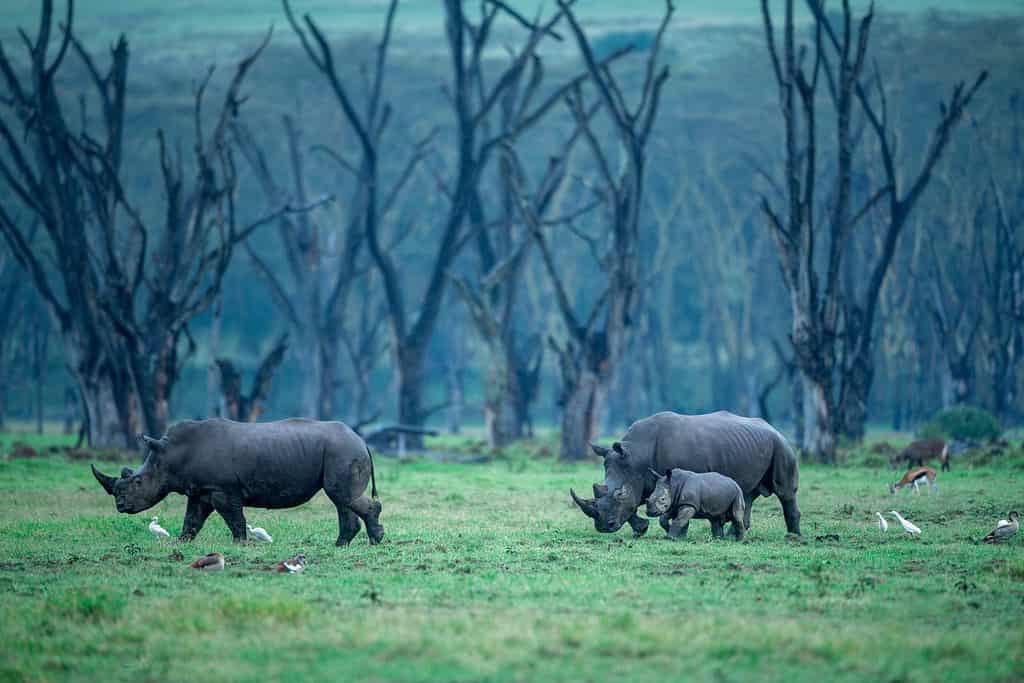
White rhino mothers are fiercely protective. They care for their calves and teach them important social and survival skills for two to three years.
©PrimEye/Shutterstock.com
Saving a species requires more than just preserving genetic material. True survival involves the inheritance of behaviors, social structures, and unique communication patterns passed down through generations. A rhino born via advanced reproductive technology must still learn how to “be a rhino” to thrive in the wild.
This is why conservationists are racing to produce calves while Najin and Fatu —the final two northern white rhinos — are still alive. These two females represent the last living link to their subspecies’ social knowledge. Without this direct cultural transmission, a future population might possess the right DNA but lack the essential survival skills traditionally taught by their elders.
Without this cultural transmission, a population may recover in numbers but still struggle to survive in the wild due to a lack of essential survival skills.
Using Biotechnology as a Bridge
While assisted reproductive technologies are often framed as futuristic miracles, scientists generally view them as a strategic bridge. Methods like animal embryo transfer, cryopreservation, and IVF cannot restore entire ecosystems on their own. Instead, they serve as a way to “pause” the loss of genetic diversity, buying researchers enough time to rebuild habitats, reduce human threats, and stabilize populations.
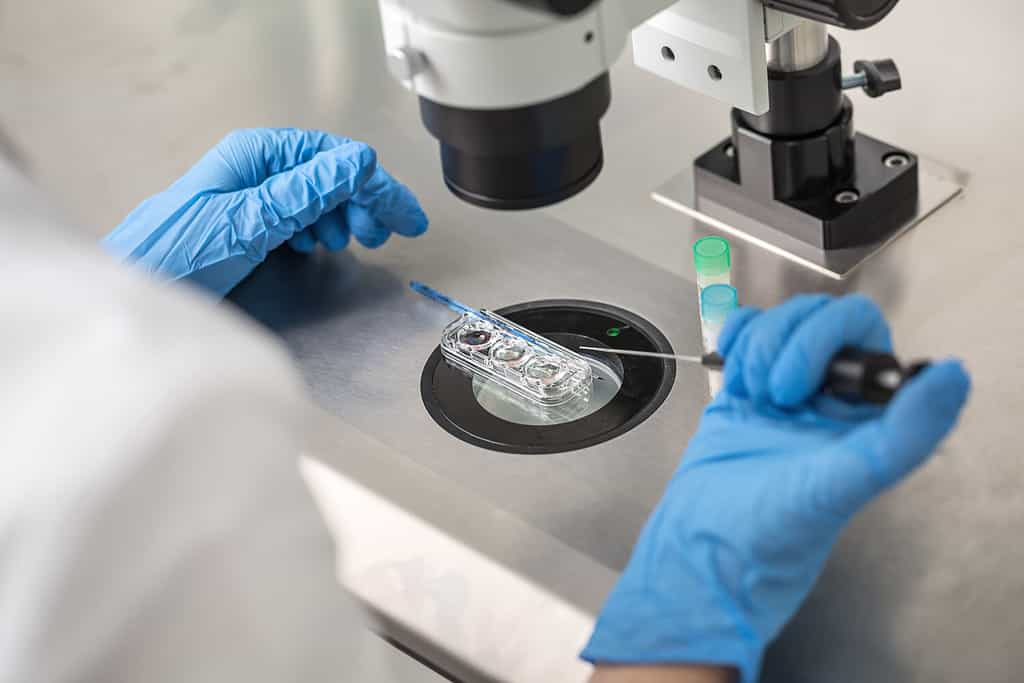
Biotechnology can help endangered species by preserving genetic diversity and ‘buying’ time. However, long-term survival is still dependent on active habitat protection.
©bezikus/Shutterstock.com
In this context, the “Frozen Zoo” functions less like a museum and more like a genetic backup system — an insurance policy against permanent extinction. The successful, albeit brief, rhino pregnancy in Kenya and the healthy bison calves in Colorado demonstrate how this insurance policy works in practice. These milestones show that while human activity has driven many species toward the brink, human ingenuity offers a way to pull them back. The ultimate challenge is deciding how to exercise this power with responsibility and care.