
Quick Take
- A bird absent from Green Bay for over 70 years came back, and the reason it chose this particular spot is more counterintuitive than you'd expect. First nesting in 70 years →
- The Army Corps of Engineers accidentally created perfect nesting conditions while doing something completely unrelated to wildlife conservation. How dredging created habitat →
- The plovers didn't wait for the habitat to be finished, which biologists say is exactly what makes the early results so encouraging. Plovers nest on bare sediment →
- The Great Lakes piping plover hit a record high in 2025, yet the species is still only halfway to the threshold needed for one critical next step. Record numbers, but not enough →
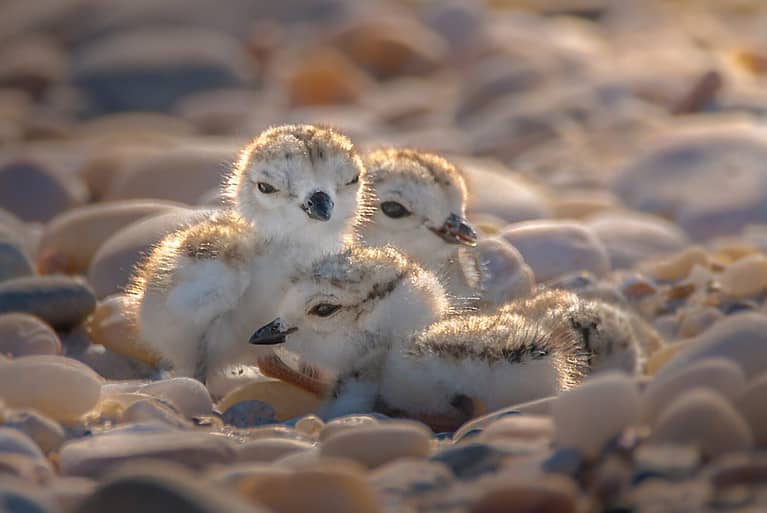
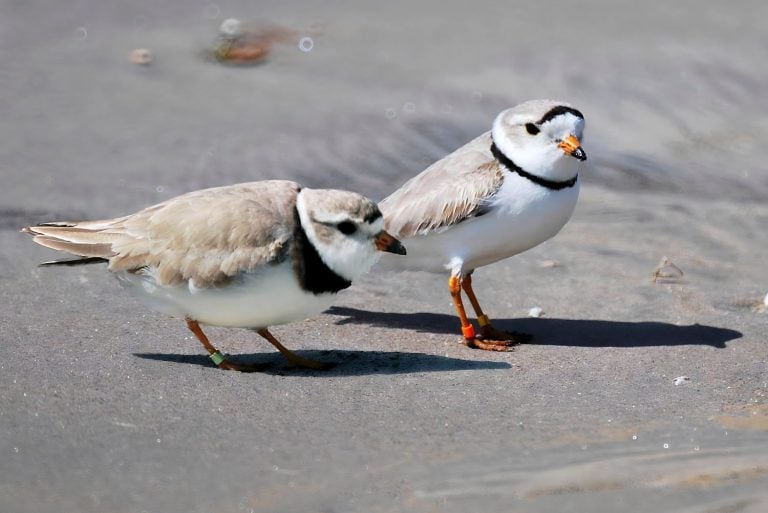
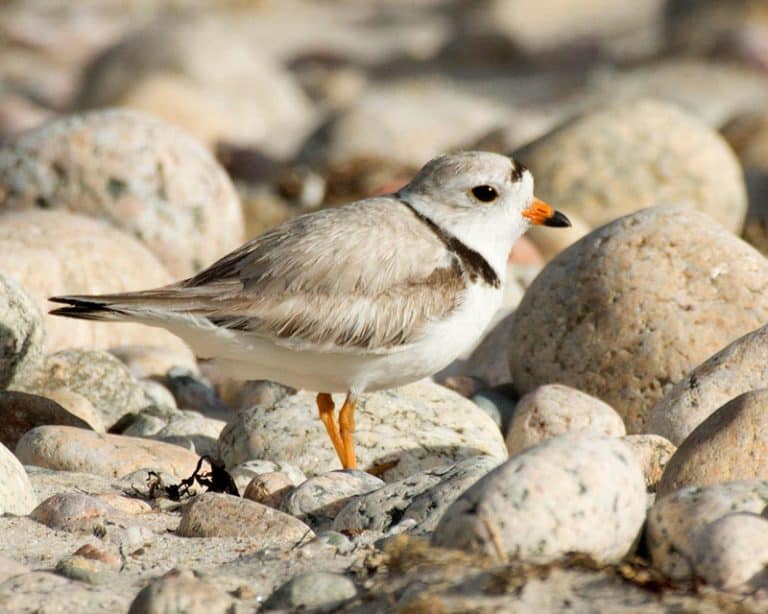
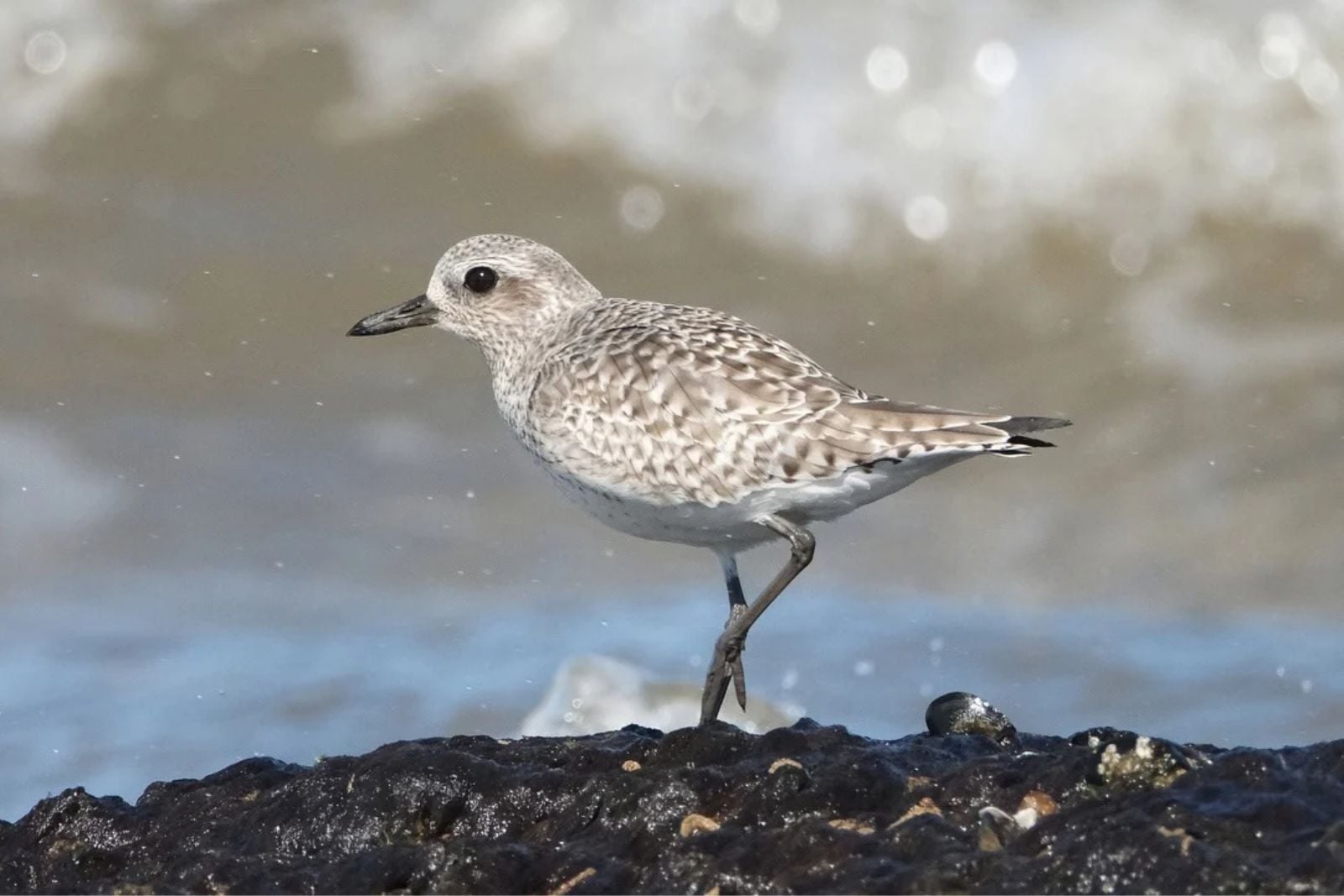
The Great Lakes piping plover came close to vanishing entirely. The small shorebird once numbered somewhere between 500 and 800 breeding pairs scattered across more than 4,500 miles of Great Lakes shoreline, but market hunting and waterfront development pushed it to the edge. By 1990, four years after it was listed as endangered, only 12 breeding pairs remained anywhere in the Great Lakes region, all of them in Michigan, according to Audubon.
Wisconsin’s Green Bay hadn’t hosted a nesting pair in more than 70 years. That changed in 2016.
Building Islands Out Of Dredged Mud
The original Cat Islands in Lower Green Bay washed away in storms during the mid-1970s, taking with them nesting habitat for more than a dozen species of shorebirds and colonial waterbirds. In 1988, restoring them became the top priority of the Lower Green Bay Remedial Action Plan, though reconstruction didn’t begin until 2012, after nearly 25 years of planning and funding work.
The U.S. Army Corps of Engineers is rebuilding the island chain gradually, using clean sediment dredged from maintaining Green Bay’s shipping channels. A 4.3-mile stone dike shaped like a mold holds the material in place as it’s pumped in, slowly forming islands meant to support vegetation and wildlife. The project, estimated at around $18.7 million, has so far restored or protected 272 acres of island habitat, 2.5 miles of shoreline and 1,225 acres of backwater habitat, according to the Interior Department.
Why The Plovers Moved Right In
Piping plovers nest on open, sparsely vegetated beach, exactly the kind of blank slate that freshly deposited dredge material creates before plants take hold. A pair nested on the restored island in 2016, the first successful nest in Green Bay in more than seven decades, and fledged chicks that same season. The birds have returned nearly every year since.
Four Pairs A Year, And A Bigger Recovery Behind It
Green Bay now draws roughly four nesting pairs annually. In 2025, four pairs at the site fledged 10 chicks between them, a strong 2.5 chicks per pair, according to the U.S. Fish and Wildlife Service. The Green Bay pairs are part of a broader rebound across the Great Lakes, where the overall population reached a record 85 nesting pairs in 2025, up from a low of just 12 in 1990. Federal recovery goals call for at least 150 U.S. breeding pairs sustained for five consecutive years before the species can be considered for delisting, so the population is roughly halfway there. For a bird that nearly disappeared from the Great Lakes entirely, four pairs returning to a chain of man-made islands every single year counts as real progress.
The Cat Island project is still years from finished. The Army Corps expects the full island chain to take another decade or two to complete as more dredged sediment is added season by season, which means the habitat plovers are nesting on today is still a work in progress rather than a finished product. Biologists monitoring the site say that is part of what makes the early returns encouraging: the birds didn’t wait for a polished result, they moved in as soon as the bare, open ground looked right.