
Quick Take
- African penguins faced an eight-year die-off from 2004 to 2011, with about 62,000 adults dying mainly from starvation.
- Sardines, the penguins’ main prey, failed to rebound, forcing longer foraging trips and higher energy costs.
- Conservation focuses on better fisheries management, including larger or better-placed no-fishing zones to boost local sardine availability for penguins.
Penguins tend to evoke images of Antarctic ice shelves rather than sunny shorelines. Yet along the coast of South Africa lives the African penguin, a small, vocal seabird adapted to temperate waters. This species depends heavily on large shoals of sardines and anchovies to survive. In the early 2000s, conditions in these waters shifted sharply. Sardine numbers dropped over the course of years rather than months, and adult penguin survival began to fall at an alarming rate. Over roughly eight years, researchers determined that more than 60,000 adult African penguins died, mostly from starvation. This slow-moving crisis unfolded largely out of sight, yet it reshaped the future of a species that was already declining.
African Penguins and Their Way of Life
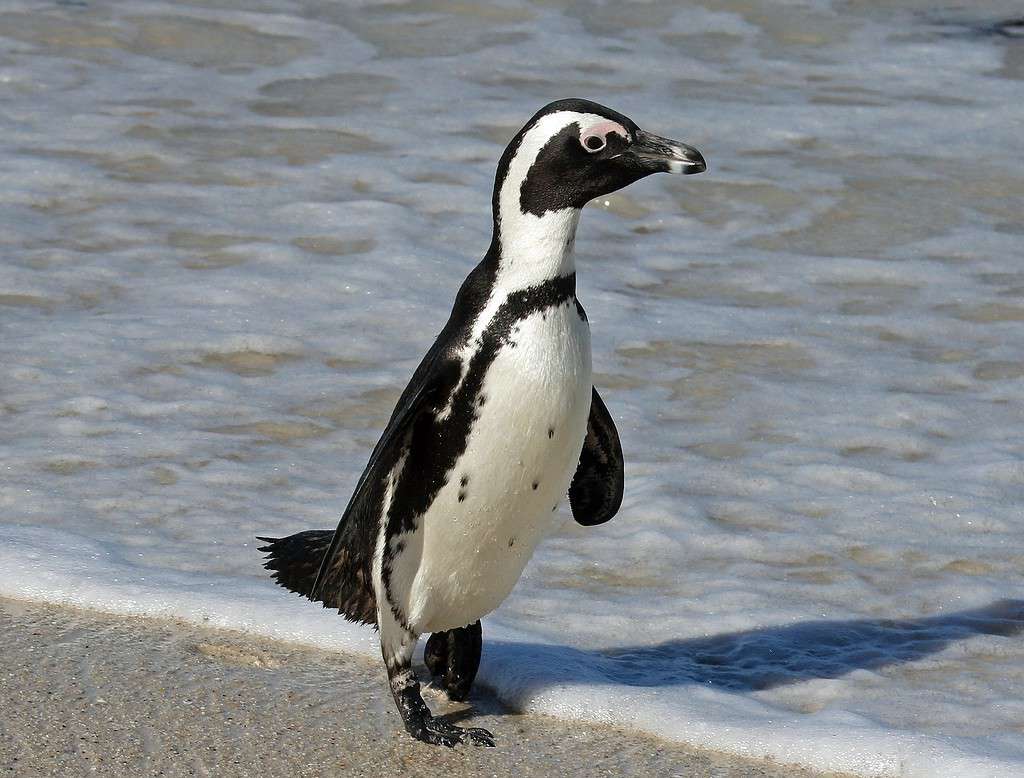
African_Penguin (Spheniscus demersus) at De Hoop Nature Reserve, South Africa
©Dick Daniels (http://theworldbirds.org/), CC BY-SA 3.0, via Wikimedia Commons – Original / License
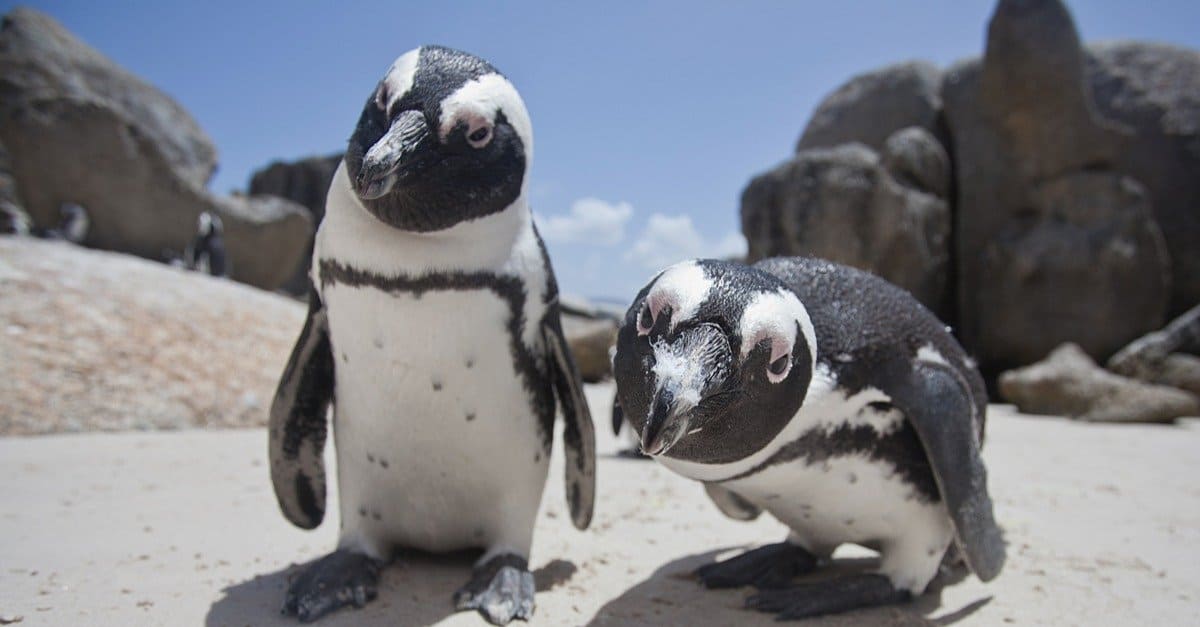
African penguins, scientifically known as Spheniscus demersus, are medium-sized seabirds that reach about 45 centimeters in height and weigh close to three kilograms as adults. They have a black back, white underside, and a band of dark markings across the chest that helps researchers identify individuals. Unlike polar penguin species, they breed on offshore islands and a small number of mainland sites along southern Africa’s coast. Breeding pairs share incubation duties and raise chicks together, often timing their nesting to coincide with periods of higher fish availability.
Their diet sets them apart from Antarctic penguins. Instead of feeding on krill, African penguins rely on small schooling fish, especially sardines and anchovies. Adults may swim tens of kilometers from their colonies to locate dense shoals. Because they tend to return to the same breeding sites year after year, the loss of experienced adults has a strong effect on population stability.
Why Adult Survival Matters So Much
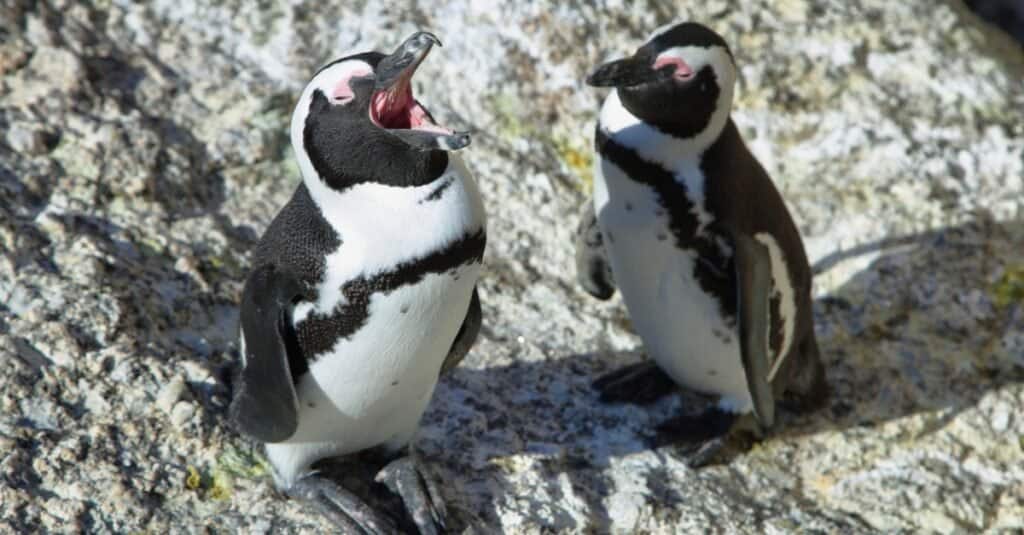
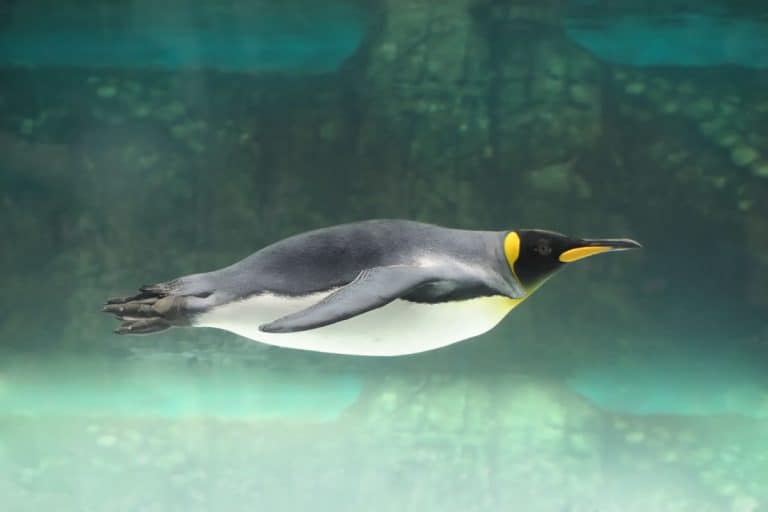
African penguins have longer lifespans than many other seabirds.
©iStock.com/estivillml
Adult African penguins are long-lived compared with many seabirds, and they do not reproduce in large numbers each year. A pair may raise one or two chicks, and breeding success can vary widely depending on food availability. When adult survival remains high, colonies can withstand occasional poor breeding seasons. When adult survival drops for several years in a row, colonies can shrink rapidly.
During the die-off of the 2000s, the problem was not just low chick survival. Many fully grown penguins failed to return to their breeding islands at all. This pattern signaled a deeper issue than a single bad season. It suggested that adults were dying in large numbers before they could breed again.
An Eight-Year Die-Off Along the West Coast
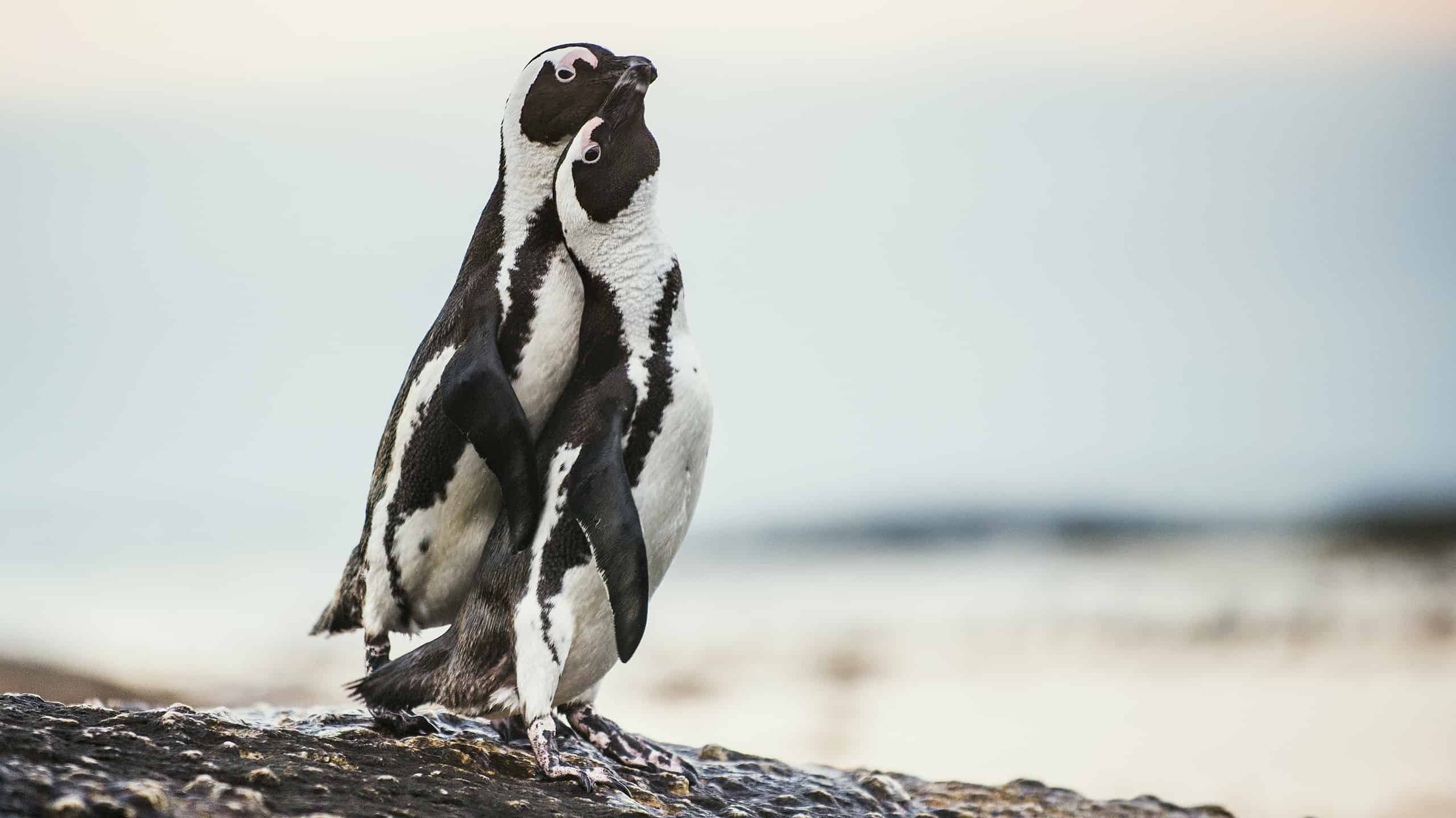
African penguins during mating season.
©Sergey Uryadnikov/Shutterstock.com
The largest losses occurred between 2004 and 2011 at two major breeding sites, Dassen Island and Robben Island, located off South Africa’s west coast. Together, these colonies once supported a large share of the regional penguin population. Over the eight-year period, researchers estimated that roughly 62,000 adult penguins from these colonies died.
This decline did not result from one sudden disaster such as a storm or oil spill. Instead, survival rates dropped year after year. Many marked individuals simply vanished from monitoring records. By the end of the period, more than 90 percent of the birds that had bred at these sites at the start were gone, marking one of the steepest known declines for any penguin population.
How Scientists Measured the Losses
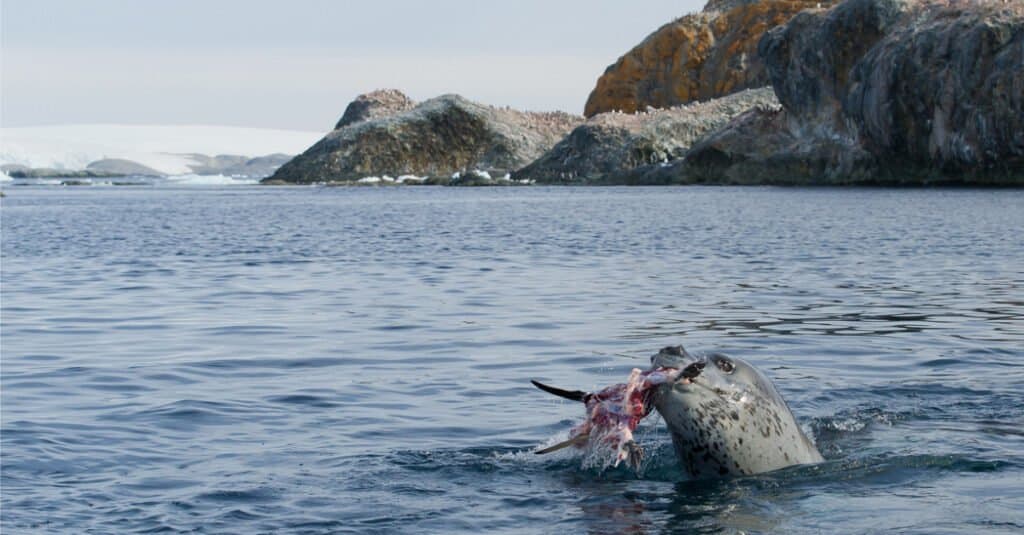
Seals are one of the predators that hunts African penguins.
©iStock.com/mzphoto11
Because few penguin bodies were found on land or washed ashore, scientists had to rely on indirect methods to estimate mortality. Researchers used long-term data from banded and tagged birds to track survival rates over time. They also compared annual counts of breeding adults at colonies to past records.
When thousands of known breeders failed to return in successive years, the pattern became clear. Most deaths likely occurred at sea, where weakened penguins were unable to find enough food. Their bodies would have sunk or drifted far from shore, leaving little physical evidence behind.
Sardine Collapse
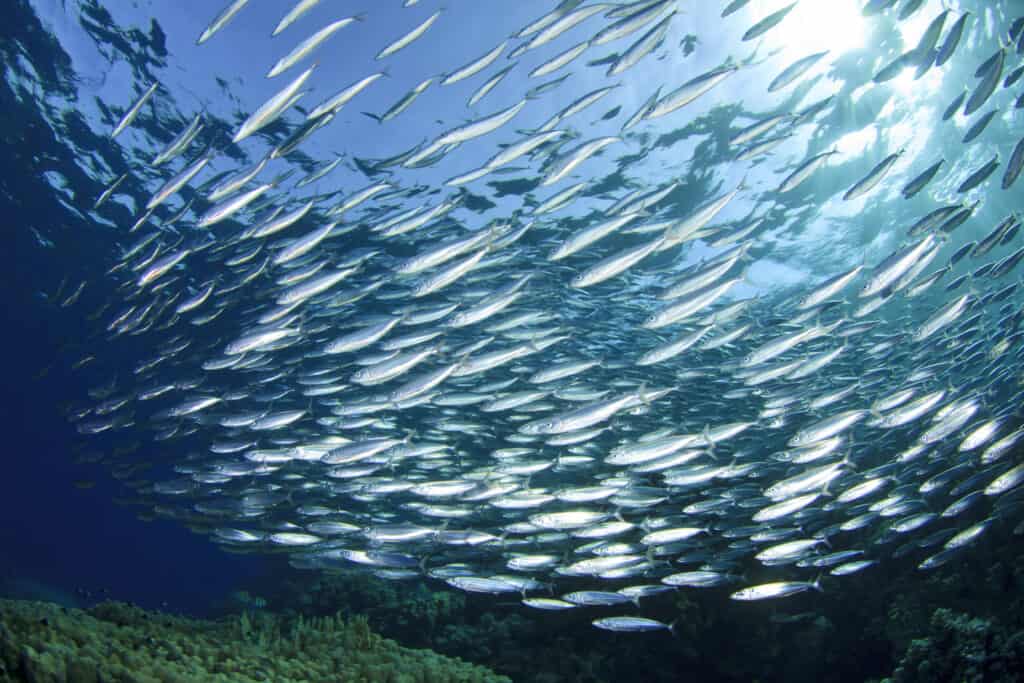
A large shoal of sardines swims over a coral reef.
©iStock.com/richcarey
At the center of the crisis was the South African sardine, Sardinops sagax, a small schooling fish that anchors much of the coastal food web. Sardines feed on plankton and support predators like penguins, seabirds, dolphins, and seals. They spawn mainly on the Agulhas Bank and along the west coast, with young fish drifting into nursery areas before joining adult stocks. For African penguins, sardines were once a vital, high-energy food found relatively close to breeding colonies.
As penguin survival dropped, scientists recorded a sustained decline in sardine biomass west of Cape Agulhas. From 2004 to 2011, sardine abundance in this region stayed far below past levels, at less than a quarter of its former peak. This was not a brief dip. The stock failed to rebound year after year, forcing predators to travel farther for food, burn more energy, and face higher risks of starvation.
Environmental Changes in the Benguela System

Changes in sea surface temperature have disrupted the food chain off South Africa.
©icemanphotos/Shutterstock.com
South Africa’s west coast sits within the Benguela Current system, one of the world’s major upwelling regions, where cold, nutrient-rich water supports high plankton production and large fish populations. In recent decades, however, this system has shown signs of change. Shifts in sea surface temperature and salinity have altered the conditions sardines need for successful spawning, which depends on a narrow range of factors such as temperature, water movement, and plankton availability.
Climate change has increased marine heatwaves and altered wind patterns that drive upwelling in the Benguela region. These changes can reduce nutrient delivery to surface waters or push productive zones farther offshore, raising mortality for sardine larvae that depend on coastal plankton. For penguins tied to fixed breeding sites, even small shifts in fish distribution mean longer foraging trips, higher energy costs, and reduced chances of survival.
Fishing Pressure on a Stressed Stock
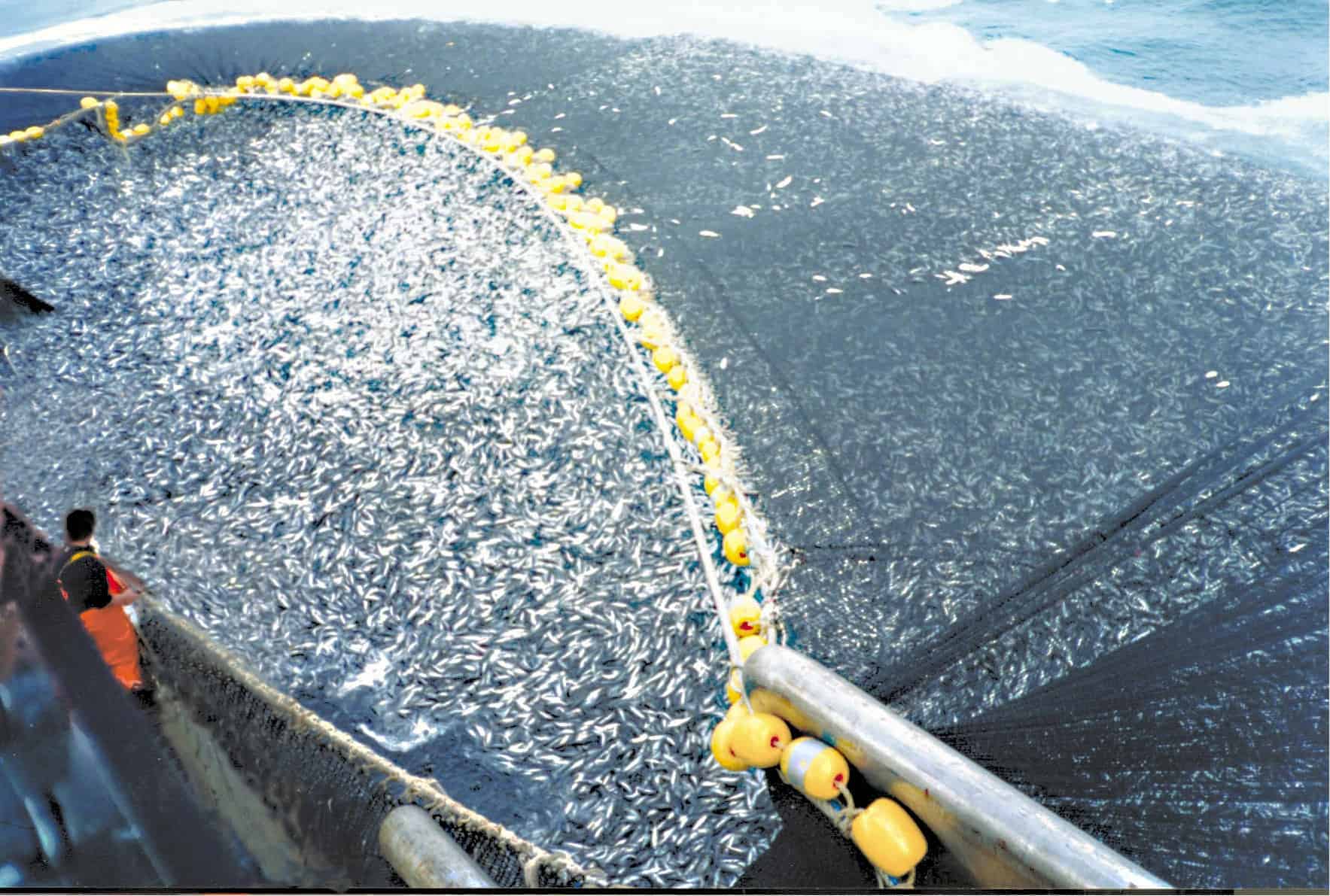
Commercial fishing operations decimated the penguins’ food supply.
©C. Ortiz Rojas, Public domain, via Wikimedia Commons – Original / License
Environmental stress alone did not explain the scale of the sardine decline. Commercial fishing continued during years when sardine numbers were already low. Purse-seine fisheries target sardines in large volumes, often concentrating in the same productive areas that penguins use for foraging.
Studies indicate that exploitation rates west of Cape Agulhas remained high through the mid-2000s. In some seasons, a large share of the local sardine stock was removed by fishing. When combined with poor recruitment linked to environmental change, this pressure limited the population’s ability to rebound.
How Malnutrition Hits Penguins Hard
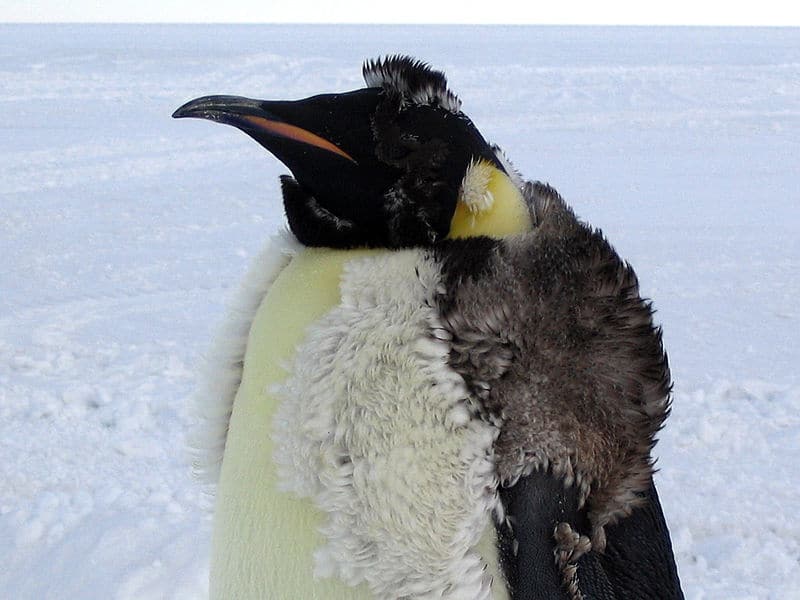
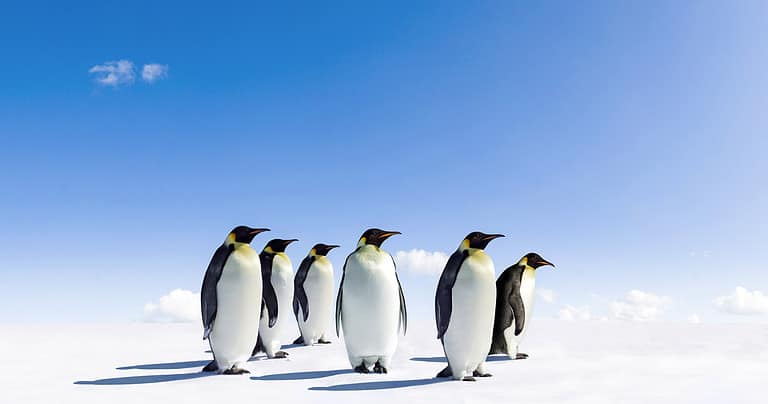
A molting Emperor Penguin (Aptenodytes forsteri)
©Carlie Reum, National Science Foundation, Public domain, via Wikimedia Commons – Original / License
African penguins and fishing vessels often target the same fish shoals, and when fish become scarce, competition intensifies. For penguins, each extra kilometer traveled in search of food raises energy costs and cuts into time needed for rest or chick care. During the worst die-off years, many adults likely failed to meet basic energy needs, leaving those preparing for breeding or molting especially vulnerable, since both stages demand large energy reserves.
African penguins undergo a complete annual molt lasting about three weeks, during which they cannot enter the water and must fast on land until new feathers grow. To survive, adults need to build up significant fat reserves beforehand. When sardines were scarce, many penguins likely entered molt underweight or struggled to recover afterward. Research suggests mortality was highest during or just after this period, when weakened birds had almost no margin for survival.
A Species Already in Decline

African Penguins at Boulders Beach
©shi zhao, CC BY-SA 2.0, via Wikimedia Commons – Original / License
The lack of large numbers of carcasses initially puzzled observers, but survival data offered a straightforward explanation. Penguins that die at sea are rarely found, as offshore waters are vast and scavengers or currents quickly remove any trace of the missing animal. Because African penguins often forage far from shore, especially when food is scarce, their deaths can remain unseen even during major population declines. Only long-term monitoring revealed the true scale of the losses.
This starvation event added to a much longer downward trend driven by human activity. African penguin numbers have fallen for decades due to factors such as guano mining that destroyed nesting habitat, oil spills that killed thousands of birds, and earlier pressures from egg collecting and coastal development. By the early 21st century, food scarcity became the dominant threat. Fewer than 10,000 breeding pairs are now thought to remain, leading to the species being listed as Critically Endangered on the IUCN Red List and facing a very high risk of extinction in the wild.
Conservation and Rehabilitation
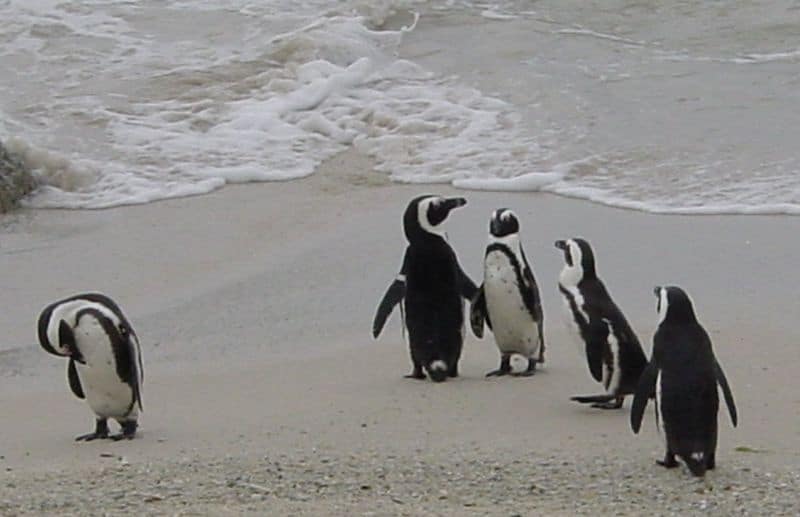
African penguins on Boulders Beach, Cape Town, South Africa
©tato grasso, CC BY-SA 2.5, via Wikimedia Commons – Original / License
In recent years, conservation groups and scientists have tested new ways to support African penguins. One strategy focuses on creating new breeding sites closer to reliable feeding areas. Life-size decoys and recorded penguin calls have been used to attract birds, encouraging them to form colonies where food may be easier to reach. Another major effort involves improving fisheries management, as researchers argue that current fishing closures around colonies are too small or poorly placed to ensure enough prey.
Wildlife rehabilitation centers also play a key role by rescuing oiled, injured, or abandoned penguins, and by raising chicks that lose their parents to starvation before releasing them back into the wild. These efforts can save individual birds, but they cannot reverse population declines on their own. Long-term recovery depends on restoring stable food supplies, because without enough sardines and anchovies near breeding colonies, even rescued penguins face the same survival challenges once they return to the ocean.
A Sobering Warning Sign
The mass starvation of African penguins illustrates how combined pressures can overwhelm wildlife. Climate-driven changes reduced sardine productivity, while fishing removed large portions of an already weakened stock. Penguins, dependent on these fish and limited by breeding location, paid the price.
This die-off is one chapter in a much larger story unfolding across the planet. Species that depend on stable food systems are running out of time as environmental change accelerates. These penguins show what happens when warning signs are ignored, and why acting sooner, rather than later, matters.