Quick Take
- A moth trapped in the Harvard Mark II computer in 1947 inspired the term “bug” in computing.
- Insects like wasps can block aircraft sensors, causing serious flight hazards and even deadly crashes.
- Engineers use shields, covers, and inspections to prevent bugs from sabotaging critical systems today.
In 1947, engineers stared at the room‑sized Harvard Mark II computer in frustration as it kept malfunctioning. They finally opened a panel and discovered a moth wedged inside an electromechanical relay, jamming the switch that controlled part of the machine’s logic. Someone carefully taped the insect into the logbook and wrote, “First actual case of bug being found.” This helped turn a long‑used slang word into a permanent part of computing culture. That one unlucky moth became a legend, but it was not the last time a tiny insect quietly brought a massive human system to a halt. From aircraft instruments to traffic signals, real bugs still find dangerous ways to crash our technology today.
The Computer That Swallowed a Moth
The Harvard Mark II was a huge electromechanical computer that filled an entire room with relays and cables. In early September 1947, a malfunction kept interrupting calculations, so the engineering team began meticulously tracing the problem. When they opened one relay panel, they found a large moth trapped between the contact points, blocking the electrical path and causing errors whenever that relay tried to switch. The engineers taped it into the logbook with their famous note, and the machine went back to work once the relay was cleared. Although people had used “bug” for technical glitches before, this incident helped turn “bug” and “debug” into everyday vocabulary for programmers and computer users everywhere.
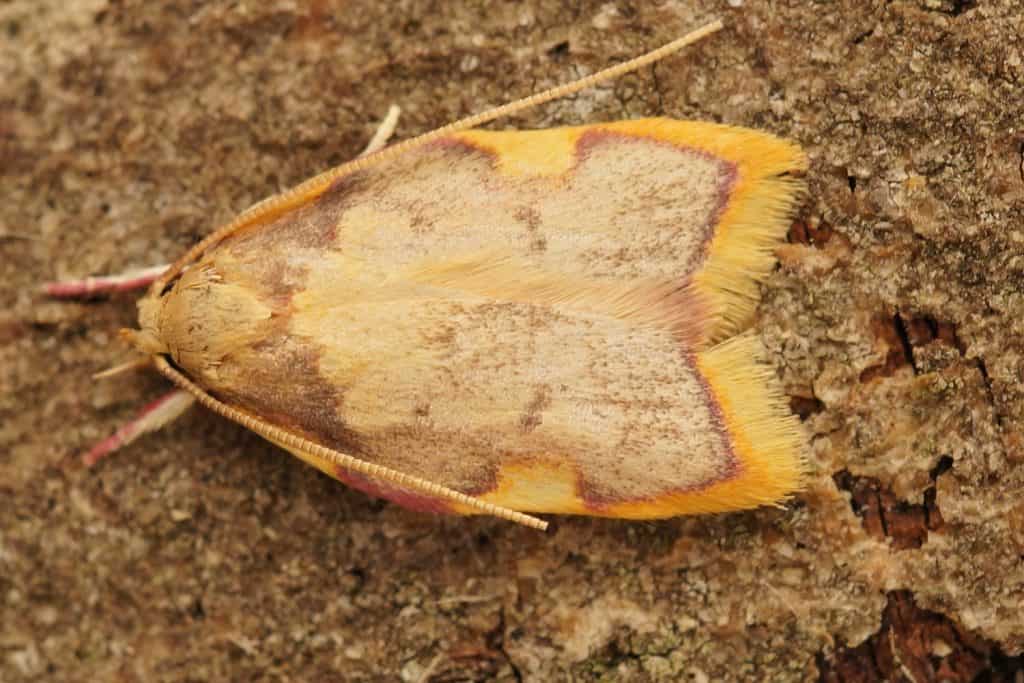
A stray moth in a computer helped popularize the term “de-bugging.”
©HWall/Shutterstock.com
When Wasps Mess with Airspeed
Modern jets rely on air-data sensors for speed and pressure, but wasps sometimes nest in the narrow pitot probes, blocking them. Investigators have linked these nests to faulty airspeed readings that confuse pilots during critical moments. In 1996, a Boeing 757 crashed shortly after takeoff from the Dominican Republic. Investigators pinpointed blocked pitot probes as the cause. They suspected a wasp nest, although one was not recovered. All 189 people on board died, showing how a small blockage can lead to catastrophic failure.
Another example: in 2021, parked aircraft at London Heathrow experienced insect-related sensor issues during the pandemic, including two rejected takeoffs. Airports like Brisbane now conduct inspections and wasp-control programs, as some species can block probes in minutes. Crews use protective covers and warning tags on the ground, making pest control part of routine aviation safety.
The Fly That Won a Debate
Insects do not always cause mechanical failure; sometimes they just hijack the spotlight. During the 2020 vice‑presidential debate, people across the United States suddenly started tweeting about a very unexpected guest. A large fly landed on Vice President Mike Pence’s white hair and stayed there for more than two minutes. News outlets reported that the insect inspired a storm of jokes, memes, and even novelty fly‑swatter merchandise from political rivals. No microphones shorted out, and no systems crashed, but the tiny visitor still managed to “bug” the entire national conversation.
Keeping Bugs Away From Big Red Buttons
Because insects can quietly ruin critical systems, engineers work to prevent insect damage. They do this by sealing equipment, reducing entry points, and maintaining clean, inspected systems. In aviation, crews cover pitot probes and treat unusual airspeed readings as potential blockages, while airports manage vegetation and monitor wasps to reduce nesting near aircraft.
Even with all those precautions, there will always be a chance that a stray mosquito buzzes around an important room or a fly lands on the camera during a big speech. Engineers design vital systems, from nuclear controls to air-traffic computers, with multiple layers of physical shielding, redundant sensors, and human checks to ensure that no insect can ever accidentally trigger a ‘big red button.’ Still, these stories remind us how fragile our technology can be when the natural world pushes back in tiny, surprising ways.