
Quick Take
- Eating insects is a long-standing culinary tradition for billions of people across the world.
- With over 2,200 edible species identified, insects offer a diverse range of flavors and textures, ranging from the buttery “Mexican caviar” of ant larvae to the citrusy zing of giant water bugs.
- Many edible insects, such as crickets and mealworms, provide a complete protein source with all nine essential amino acids, though the amino acid profile can vary by species.
- Insect farming is significantly more sustainable than traditional livestock farming, requiring up to 90 percent less land and water and producing as little as 1 percent of the greenhouse gases generated by cows.
While many Westerners find the idea of eating beetles or crickets unappetizing, this view is actually a global outlier. For roughly two billion people worldwide, eating insects — known as entomophagy — is an ancient, refined tradition rather than a survivalist’s last resort. Today, more than 3,000 ethnic groups eat insects.
In countries like Mexico, Thailand, and the Democratic Republic of the Congo, consuming insects is about much more than mere survival or a response to poverty. Many people prize these seasonal delicacies, often paying more per pound than beef, pork, or chicken. While the West still wrestles with a cultural mental block, much of the world has long treated insects as a traditional or supplementary protein source.
Old World Protein
Eating insects isn’t just a new popular trend; it’s one of humanity’s oldest food practices. Long before industrial agriculture, insects were a key source of nourishment. Ancient Greek and Roman writers recorded insect consumption, and religious texts like the Bible explicitly classify locusts, crickets, and grasshoppers as ‘clean’ foods.
From ancient times through the present day, eating insects has been closely tied to regional identity, local pride, and seasonal harvests. With roots tracing back to the Aztecs and Mayans, Mexico continues this tradition, with popular delicacies like chapulines (toasted grasshoppers seasoned with garlic and lime). Another popular favorite is escamoles, often called “Mexican caviar,” a type of buttery ant larvae. Even maguey worms from agave plants are high-end delicacies, typically served fried with guacamole.
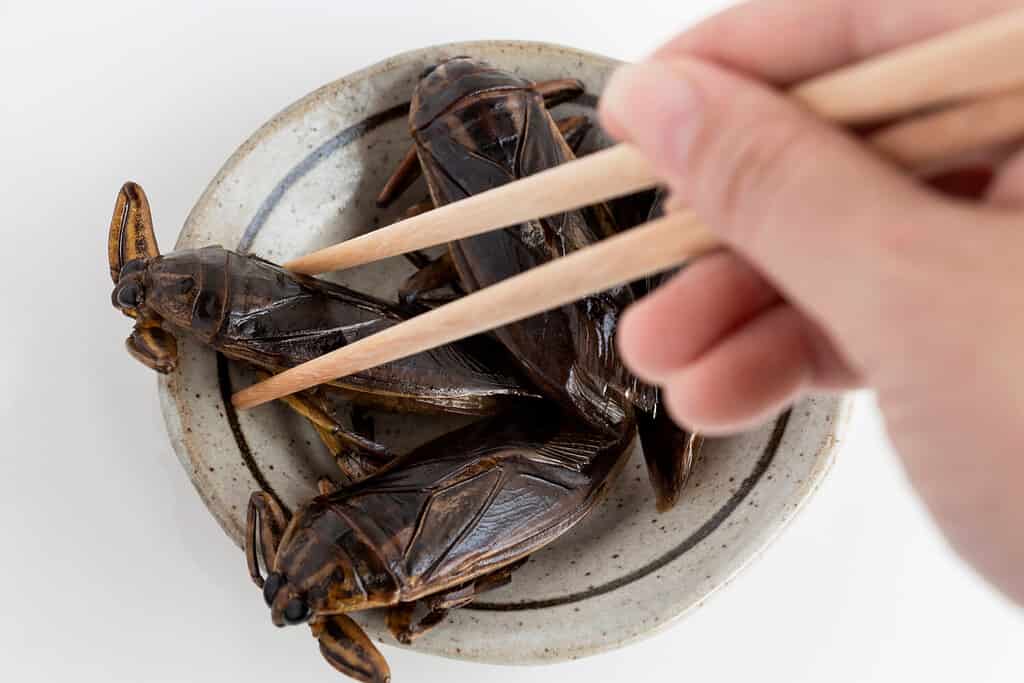
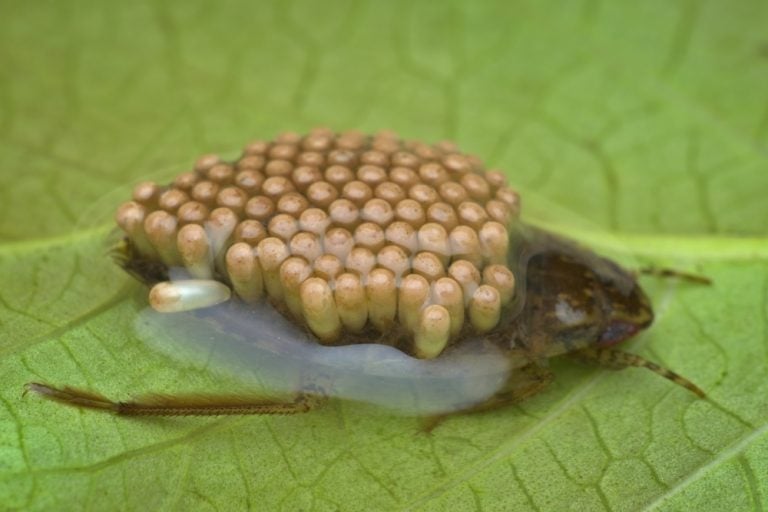
Giant water bugs are popular in Southeast Asia.
©nicemyphoto/Shutterstock.com
Thailand has similarly elevated insect consumption from a rural necessity to a major industry, farming nearly 200 edible species. Favorites include giant water bugs with their famously complex flavor, bamboo worms, and red ant eggs used to add acidity to spicy curries. In some regions, seasonal beetles sell for more per pound than pork or chicken, showcasing the insects’ status as premium foods rather than mere substitutes.
The 2,000-Species Menu
As the global population approaches an estimated 9.8 billion by 2050, researchers are reexamining insect consumption to meet modern needs, even in the West. Experts increasingly see insects as a strategic solution to food insecurity and environmental strain. As a high-protein alternative to traditional meat, insects offer a way to feed more people while reducing the ecological damage caused by large-scale livestock production.
The Western diet relies on a narrow range of animals, but edible insects offer remarkable diversity. Scientists have identified more than 2,200 edible insect species across 25 biological groups. Beetles are the most common, making up nearly one-third of all species eaten, usually in their larval form. Caterpillars follow closely behind, including the Mopane worm, a critical food and income source in parts of Africa.

Grubs, or beetle larvae, are the most commonly consumed insects in the world.
©nicemyphoto/Shutterstock.com
Ant, bee, and wasp larvae account for about 14 percent of global consumption. Colombians enjoy roasted leafcutter ants like crunchy popcorn.
Western audiences often consider crickets and grasshoppers the most approachable insects because of their high protein content and versatility. Manufacturers often grind crickets and grasshoppers into powders and flours, which are then used in modern snacks and protein products.
The Global Favorites
1. Beetles
Beetles are the most widely consumed insects on Earth, accounting for nearly a third of all insect-based diets. People primarily enjoy beetles during their larval stage as grubs. For example, chefs often roast mealworms until they achieve a light, potato-chip-like crunch, while others prize palm weevil larvae for a creamy, fatty richness they compare to bacon.
2. Caterpillars
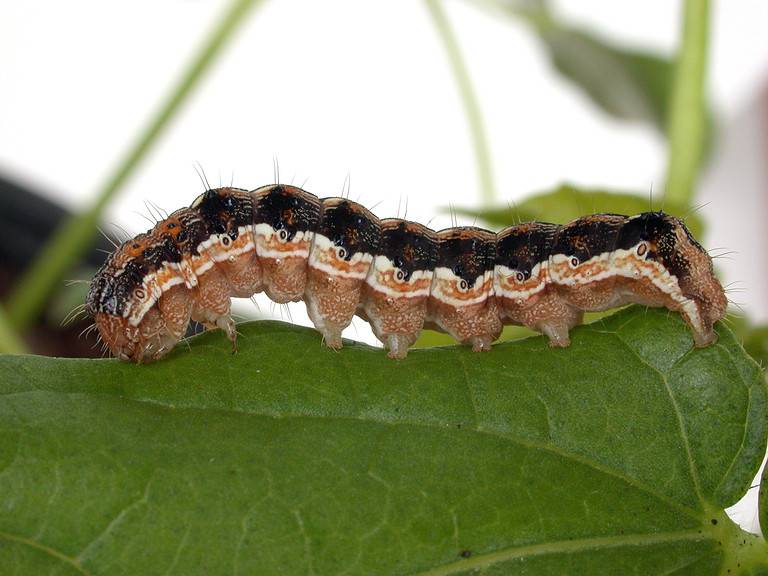
Caterpillars serve as a nutritional staple across Africa and Asia. The Mopane worm is a famous example in Southern Africa; people dry it into a chewy snack or stew it in savory sauces. Meanwhile, silkworms provide a sustainable protein source as a byproduct of the silk industry.
Waxworms — the caterpillars of a moth that lays its eggs on honeycomb — are naturally sweet, as they eat honey and wax from beehives. When cooked, they have a flavor similar to almonds or pistachios. These insects are particularly popular for desserts like waxworm cookies or white chocolate.
3. Crickets and Grasshoppers
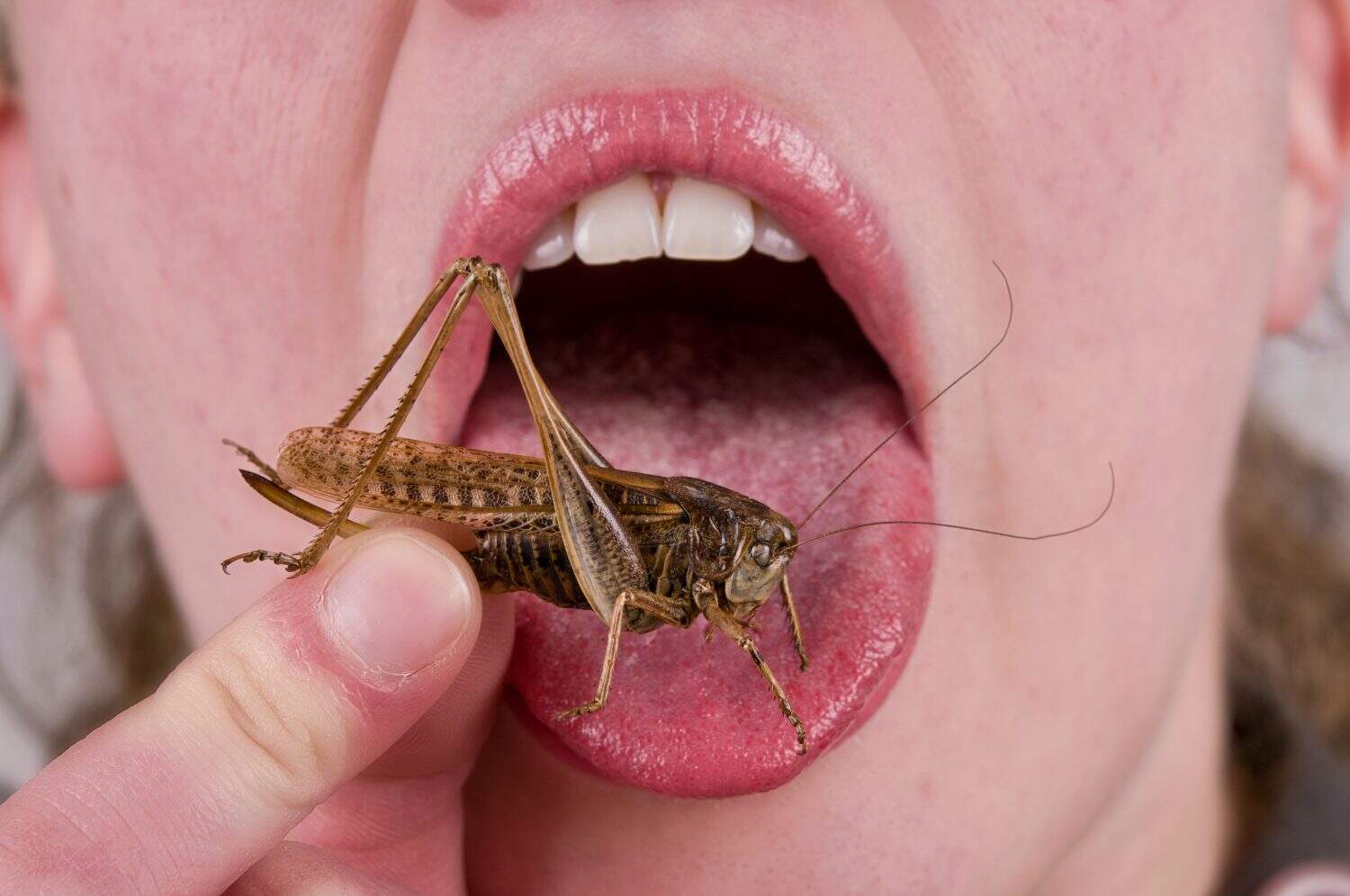
Many beginners consider crickets and grasshoppers the “gateway” insects because of their mild, nutty flavor. Bakers and manufacturers commonly use cricket flour, in particular, as a gluten-free ingredient in breads and protein bars.
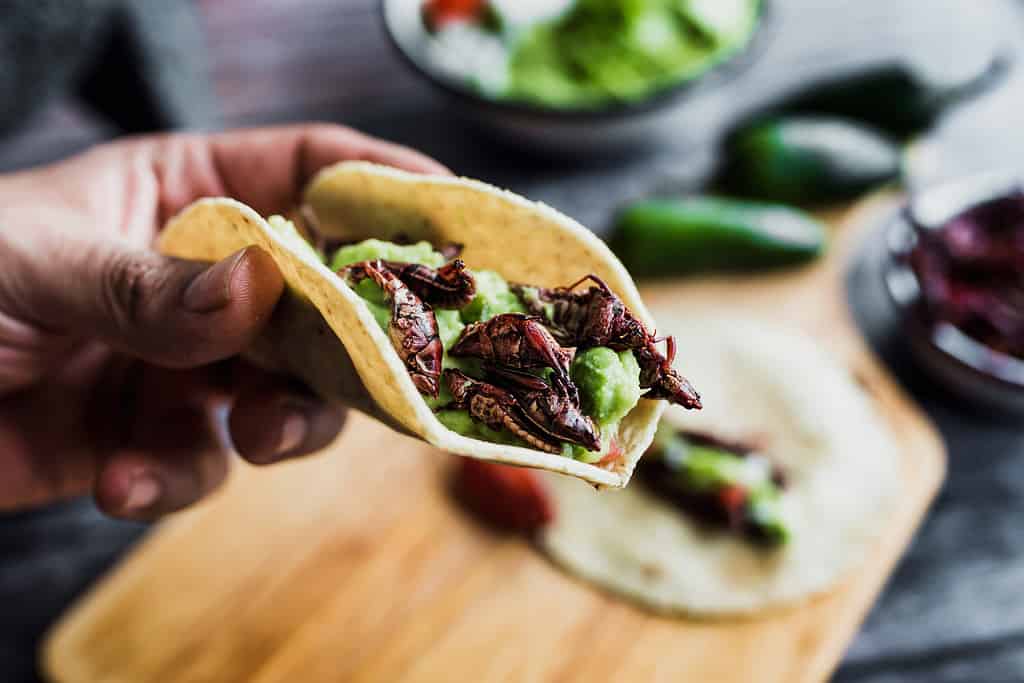
Chapulines tacos are a popular dish in Mexico.
©Marcos Castillo/Shutterstock.com
In Oaxaca, Mexico, chapulines — a type of toasted grasshopper — are a legendary local snack, toasted with garlic, lime, and salt. Companies and chefs also use various techniques to make insect protein less noticeable in their dishes and products, such as grinding insects into a fine flour-like powder that can be added to pasta and baked goods for a protein boost.
4. Ants
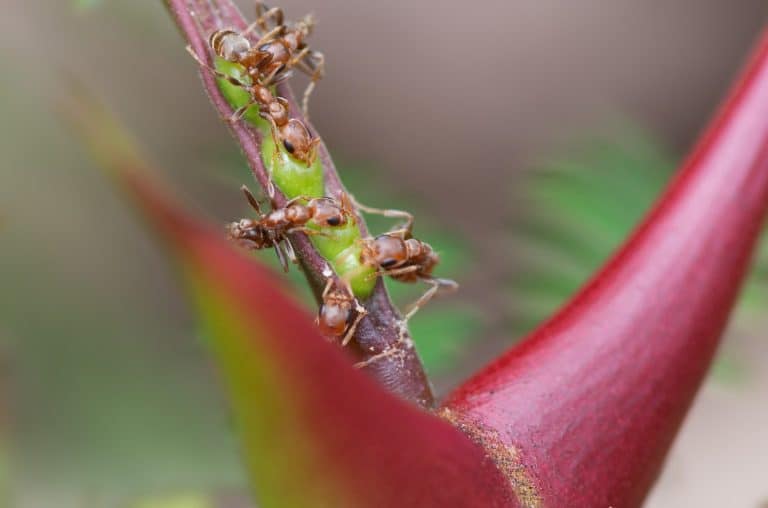
In the gourmet world, chefs treat ants and bees as high-end delicacies. Diners know escamoles, or ant larvae, as “Mexican caviar” because of their buttery consistency. Others prize honeypot ants for their abdomens, which contain a naturally sweet, nectar-like liquid.
5. Bees and Wasps
In the Gifu Prefecture of Japan, people have been preserving wasp larvae in jars with sugar and soy sauce for centuries. Residents refer to common Asian yellowjackets as hebo, and they raise these insects to enjoy the creamy, buttery texture of the larvae and pupae. Cooks often prepare wasp larvae with ginger, soy sauce, and rice, or grind them into a paste with peanuts and miso for grilled rice cakes. In November, Kushihara hosts the Hebo Festival, and locals compete to see who raised the heaviest wasp nest.
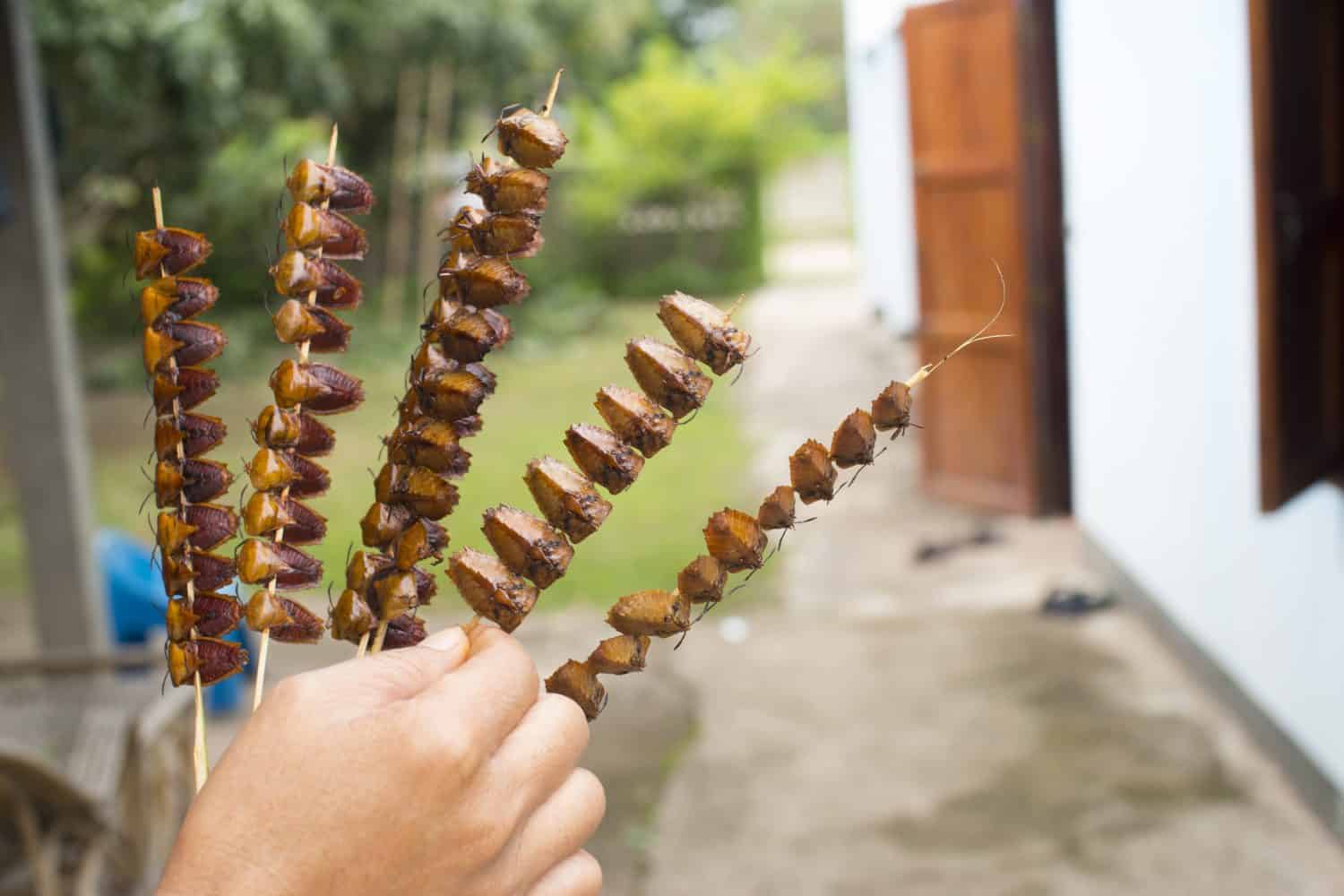
Many Thai communities help eradicate stink bugs by frying and eating them.
©Pk_camera/Shutterstock.com
6. True Bugs
Cooks utilize certain species, known as “true bugs,” more as aromatic seasonings than as a main course due to their intense scents. The giant water bug is an essential ingredient in Thai chili pastes, lending a distinct floral and citrusy aroma to the dish. Chefs use specific types of stink bugs to add a pungent, spicy zing to traditional recipes, treating them similarly to how one would use fresh herbs or concentrated spices.
Insects Taste Better Than You Might Think
Insects offer a startling diversity of flavor. Because an insect’s flavor depends on its diet — ranging from sweet nectar to specific woods — their tastes are surprisingly varied and often mimic foods people already love.
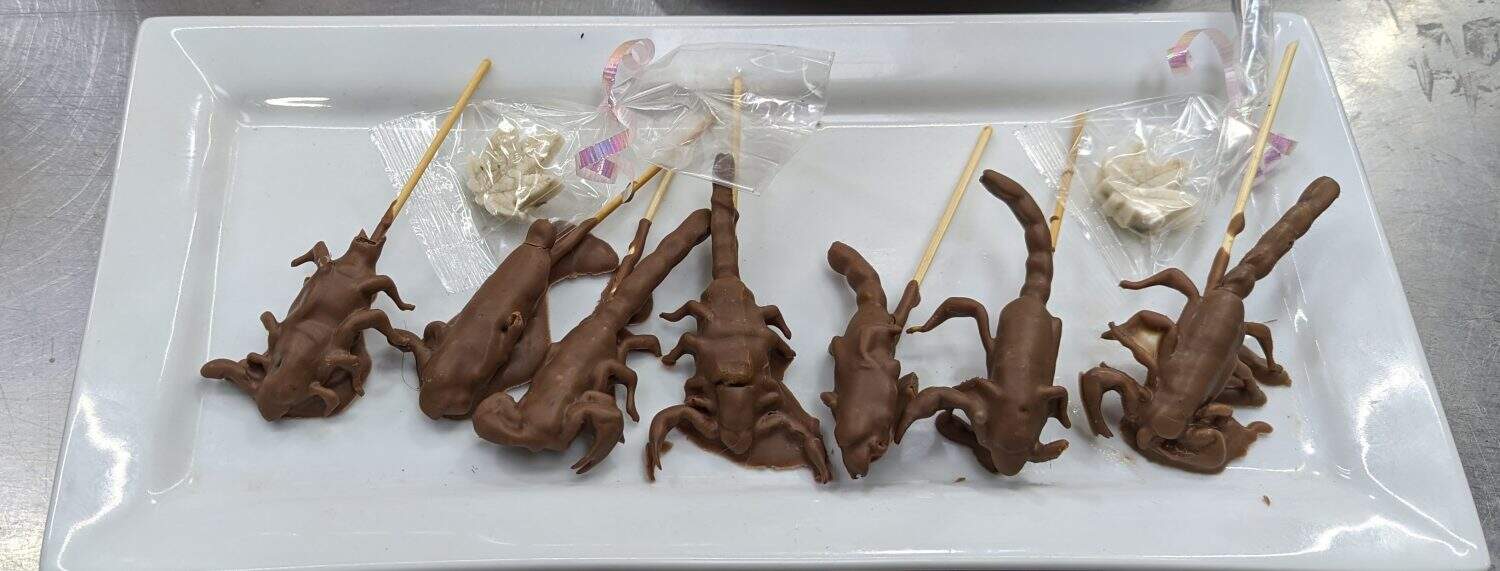
Many people enjoy consuming insects as desserts.
©FotosdeAlma/Shutterstock.com
Crickets and mealworms, for example, have a mild, toasted flavor similar to sunflower seeds or popcorn. Black ants deliver a sharp, citrusy zing. Giant water bugs are even more complex, offering a fruity taste often compared to blue cheese or salted banana. Sago grubs taste like fatty bacon, and surprisingly, some stink bugs even offer spicy notes of cinnamon or tart apple.
Both insects and shellfish are members of the arthropod phylum and share very similar protein structures, which explains why a fried cricket tastes a lot like a soft-shelled crab. However, this biological connection also comes with a serious warning: if you have a shellfish allergy, you should avoid eating insects. Your immune system is likely to recognize the proteins in insects as the same allergens found in shrimp or lobster, which could trigger a serious allergic reaction.
The Ultimate Superfood
Insects represent the closest thing nature offers to a perfect food source. Because people typically consume them whole, insects provide a dense concentration of nutrients that manufacturers usually lose when processing traditional livestock. This “whole-food” advantage makes insects an incredibly efficient source of nutrition.
Nutritionists consider many commonly consumed insects to be a complete protein source, as they contain all nine essential amino acids necessary for human health. For example, 0.22 pounds (100 grams) of crickets can provide up to 0.15 pounds (69 grams) of protein, while the same amount of beef typically offers only 0.04 to 0.06 pounds (19 to 26 grams). Humans can also digest roughly 80 percent of an insect’s body, whereas a cow provides an edible yield as low as 40 percent after butchers remove the bones, skin, and fat.
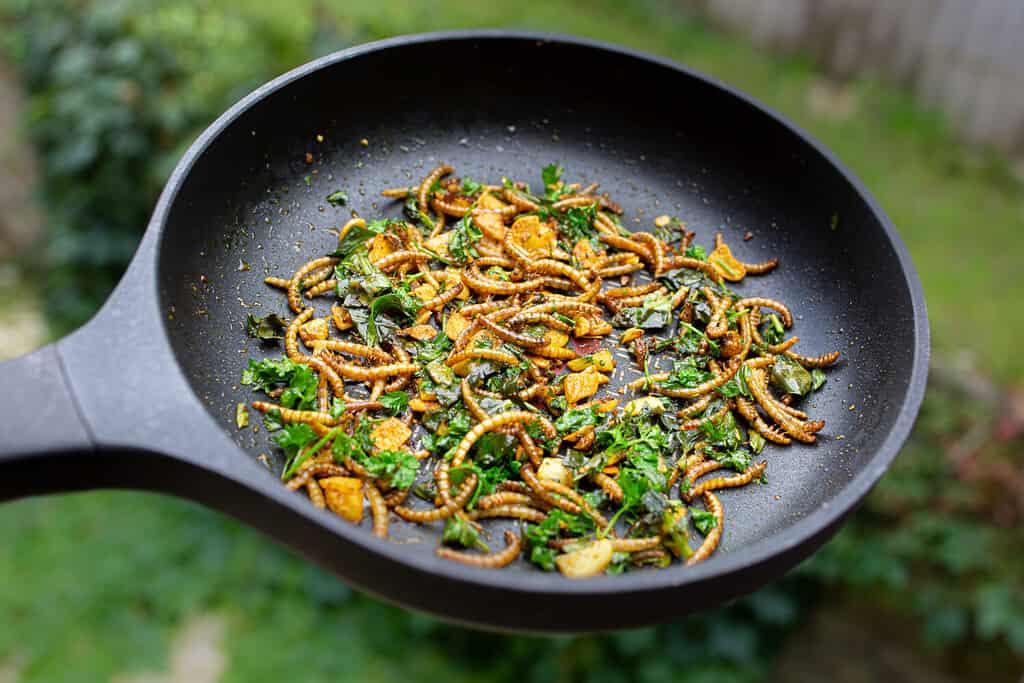
Mealworms are incredibly nutritious and can be prepared in many different ways.
©MP cz/Shutterstock.com
Insects also serve as a potent supplement for modern diets by filling critical nutritional gaps. Some species provide more iron and zinc than beef or pork. Beyond minerals, insects are rich in Omega-3 and Omega-6 fatty acids, providing heart-health benefits similar to those of fish but with less total fat than standard livestock. Insects are also an excellent source of Vitamin B12, a nutrient essential for brain health that is notoriously difficult to find in plant-based diets.
Beyond personal nutrition, insects offer a significant advantage for overall global health. Because insects are biologically distant from humans, there is a much lower risk of zoonotic diseases — such as mad cow disease or bird flu — being transmitted from insects to humans. This biological barrier makes insect farming a much more stable and safer alternative for large-scale food production.
How Eating Insects Could Help the Planet
With the global population heading toward 10 billion in the next few decades, our traditional food systems are hitting a wall. Insects offer a revolutionary alternative by delivering high-quality protein produced at a fraction of the environmental cost associated with traditional farming.
Traditional livestock farming currently occupies nearly 80 percent of all agricultural land, yet it accounts for less than 40 percent of the world’s protein supply. Insects offer a solution through vertical farming, as they thrive in stacked environments that require up to 90 percent less land than cattle. Transitioning to insect protein could potentially free up millions of square miles, allowing for large-scale forest restoration and the return of natural wildlife habitats.
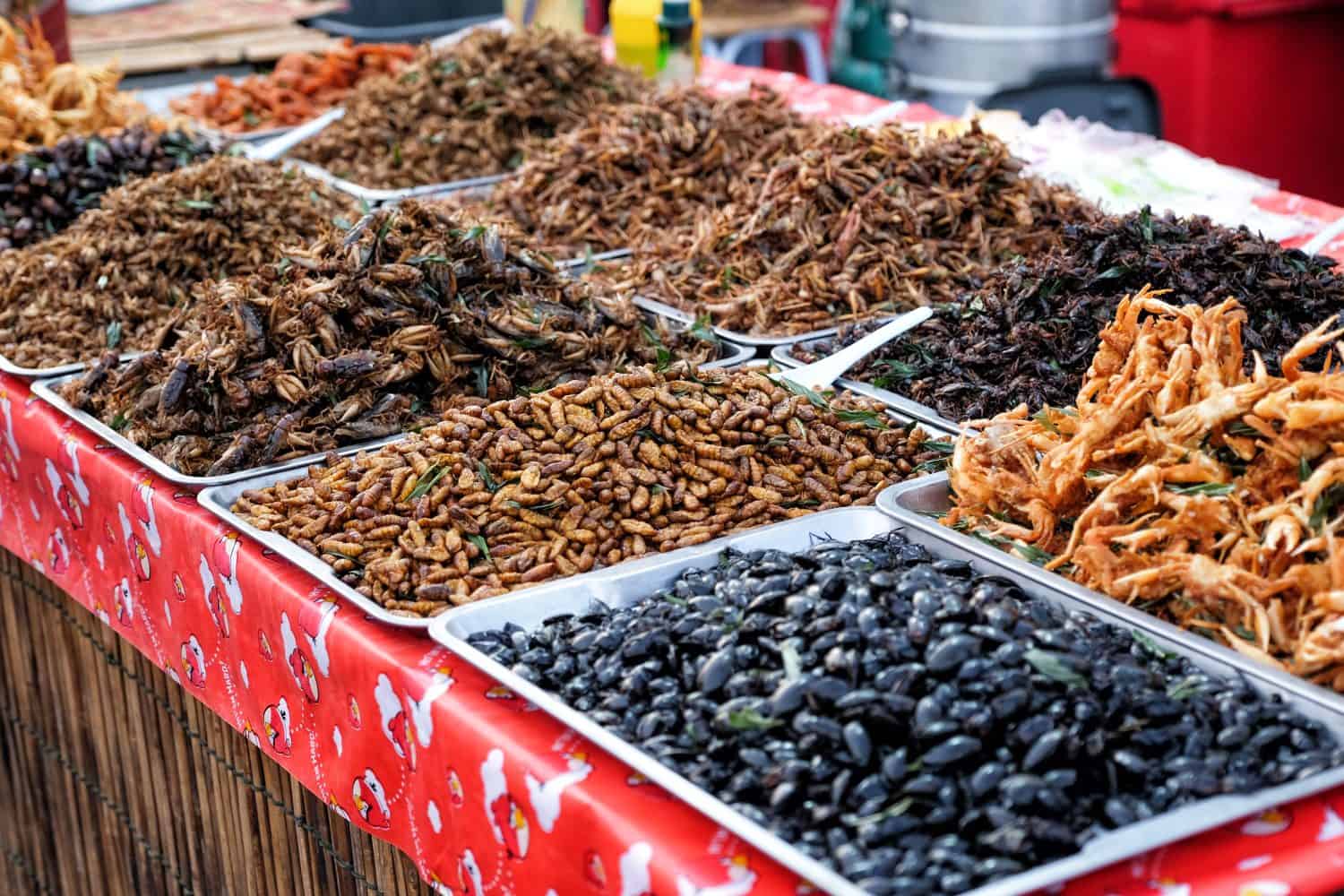
Consuming insects as a food source could aid in environmental sustainability.
©SAHACHATZ/Shutterstock.com
Because insects are cold-blooded, they do not expend energy to keep themselves warm and can convert food into body mass with incredible efficiency. A cricket only needs 4.4 pounds of feed to produce 2.2 pounds of weight, whereas a cow needs 22 pounds of feed to achieve the same weight gain. This resourcefulness also applies to water usage, as raising insects requires 80 to 95 percent less water than traditional beef production.
Additionally, insect farming significantly cuts down on environmental damage. While industrial agriculture is a major source of greenhouse gases, mealworms produce up to 1 percent of the methane cows do. Insects also support a circular economy by eating organic food waste that would normally end up in a landfill. By consuming this waste, insects turn discarded scraps into high-quality protein and produce a byproduct called frass, which serves as a potent natural fertilizer.