
Quick Take
- The North Cascades and Selkirk Mountains are the state’s densest hotspots for both black and grizzly bear activity.
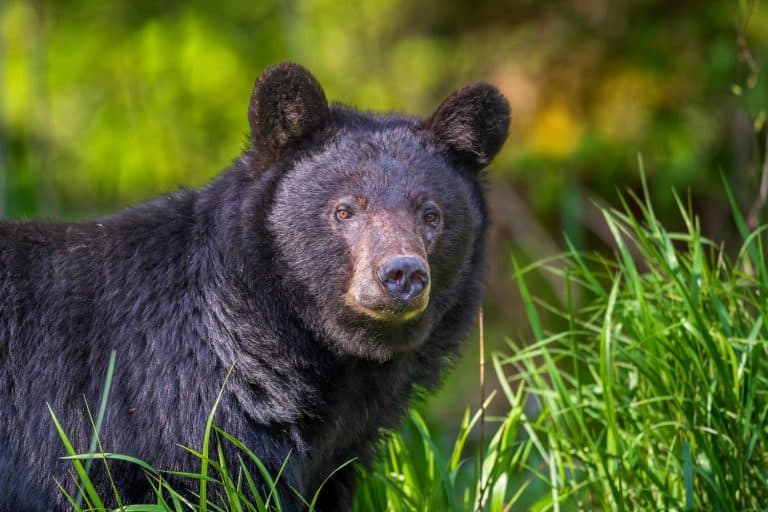
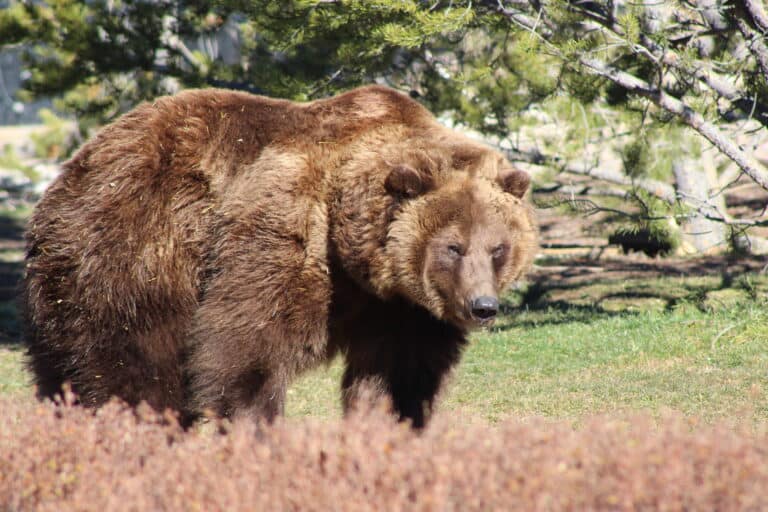
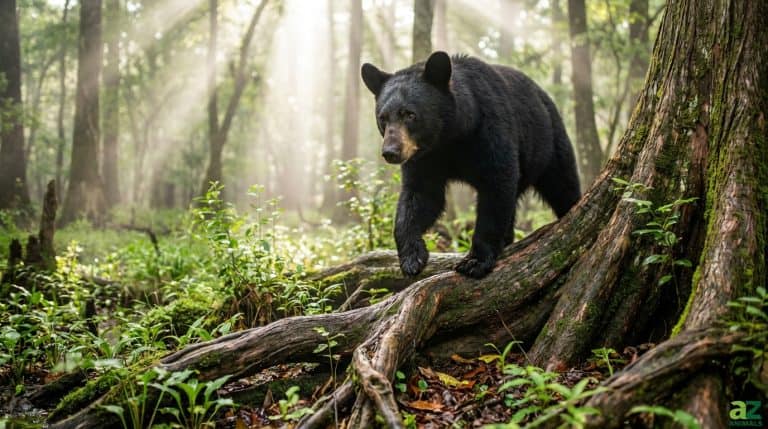
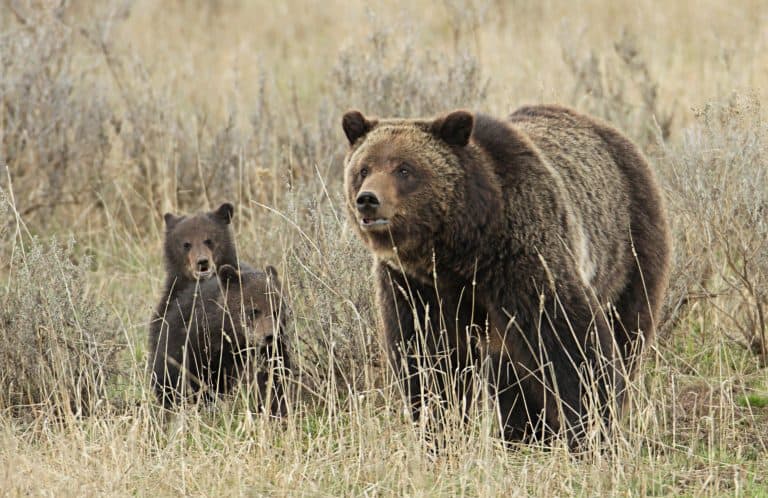
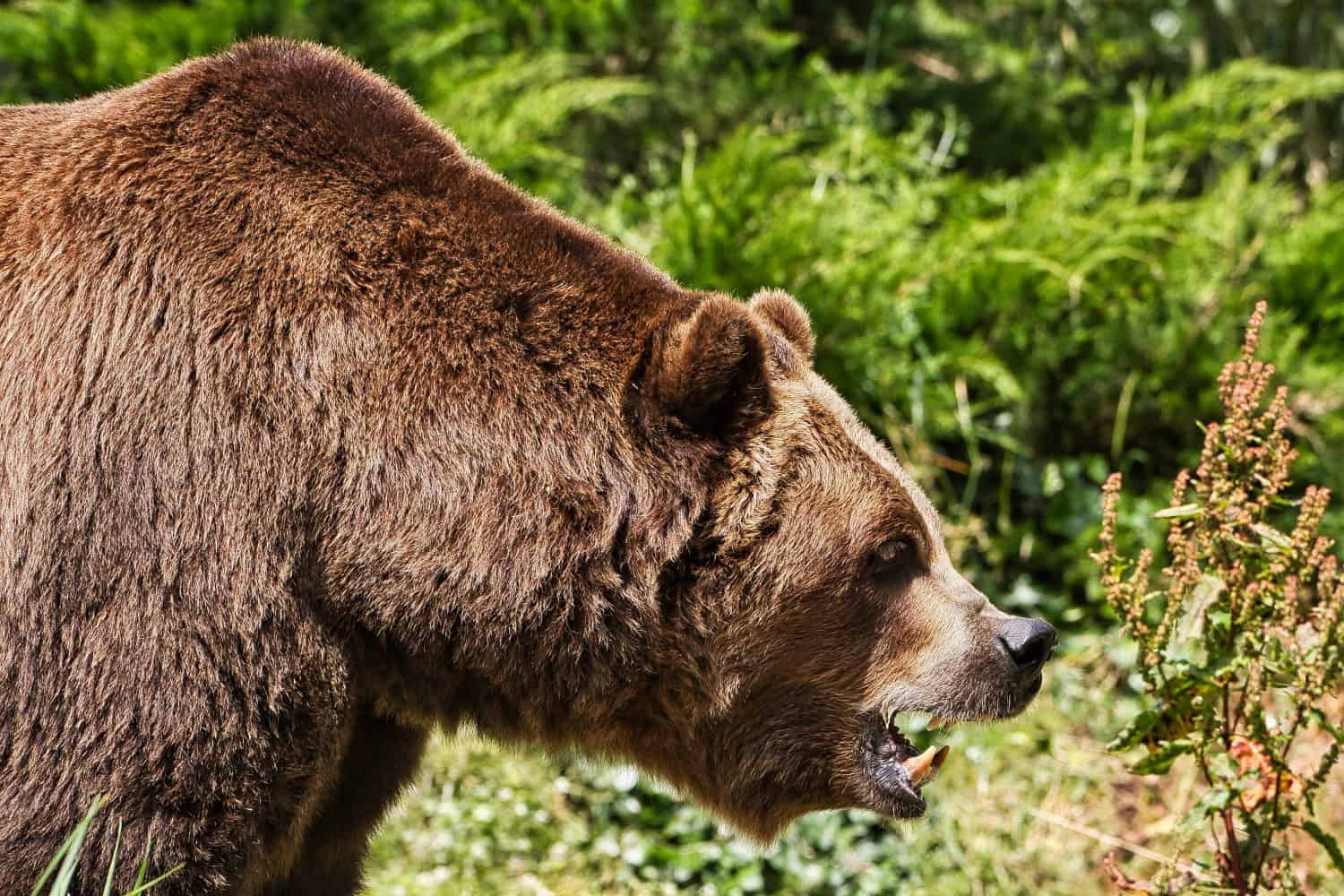
- Grizzly bears have prominent shoulder humps and “dished” facial profiles, while black bears have straight profiles.
- Bears will congregate in avalanche chutes and recent burn scars where sunlight produces high concentrations of protein-rich berries and forbs.
- Peak bear activity happens at lower elevations during spring “green-up” and in high-alpine berry patches during autumn hyperphagia.
You may think states like California and Montana have a lot of bears, but Washington is among the states with one of the highest black bear populations in the lower 48. It has an impressive variety of habitats perfect for bears, from its arid inland basins to its temperate coastal rainforests. The most recent data put out by the Washington Department of Fish and Wildlife puts the state’s total black bear population between 25,000 and 30,000 individuals. Indeed, the state has managed to preserve its expansive wilderness areas, even as bears adapt to growing urban centers.
Getting inside the mind of a Washington state bear means understanding the complex cross-section of food sources, geographic regions, and seasonal behavior. Bears can technically be found in every Washington state county except for the non-forested Columbia basin, but their activity is mostly concentrated in specific state hotspots. These are the regions where food is most abundant and easiest for bears to access. Let’s explore the regional hotspots where bears can be found in Washington state. It’s the type of information that locals, travelers, and outdoor lovers should know so they can live in harmony with Washington’s wilderness.
Washington’s Bears
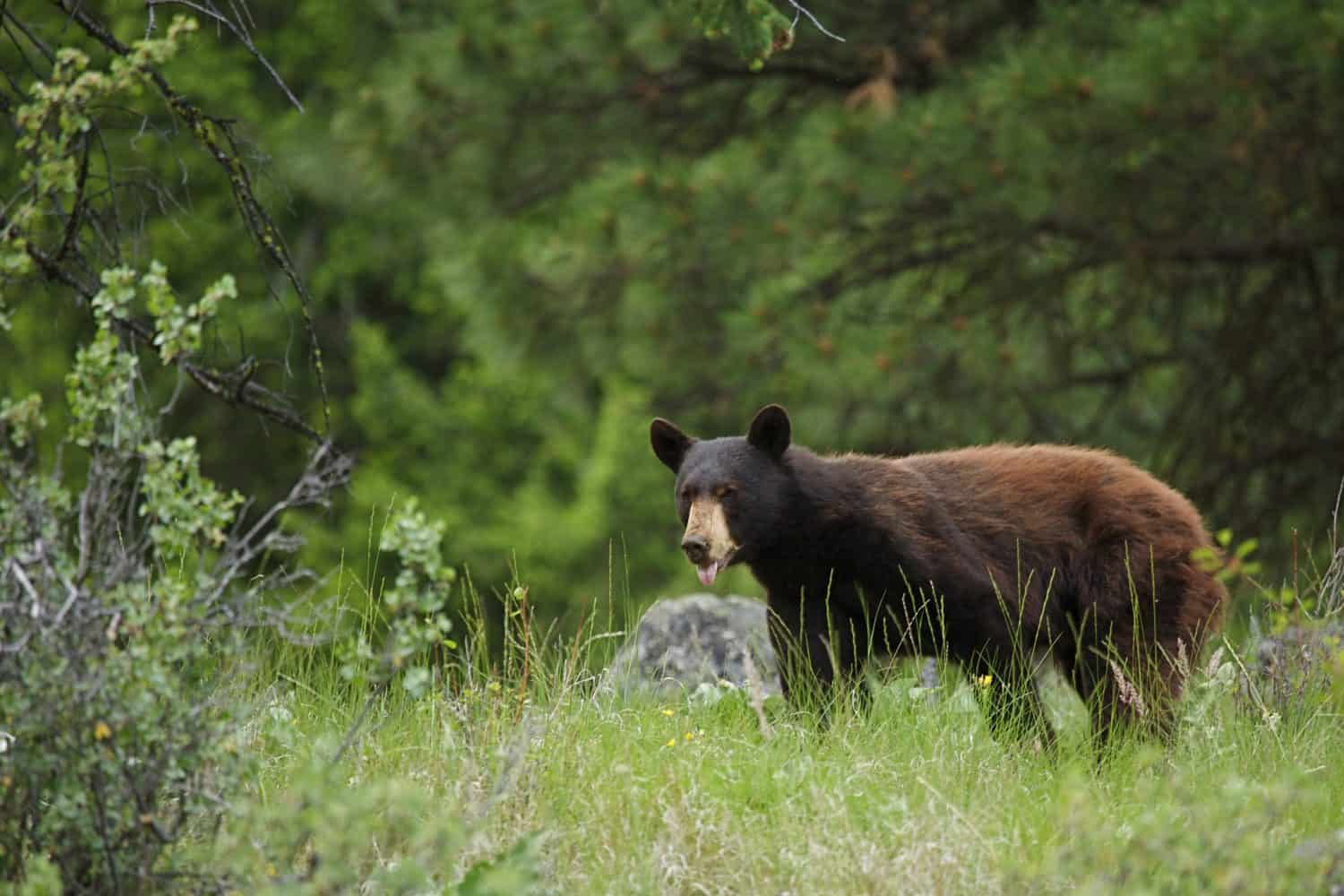
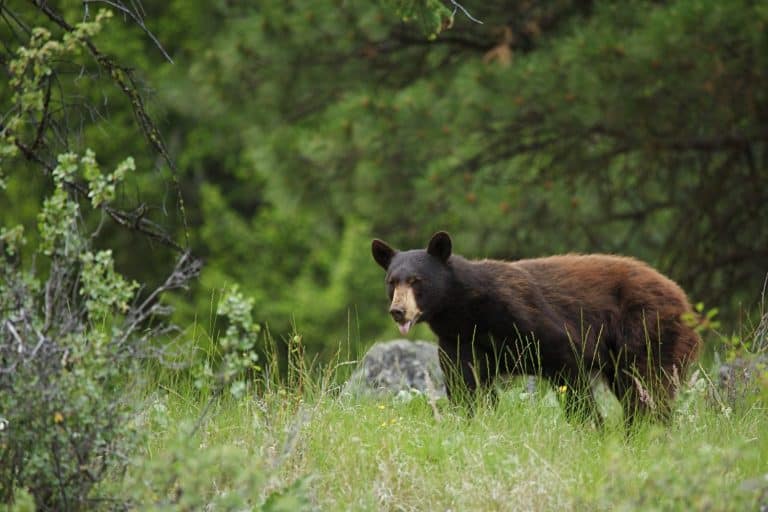
Black bears have colors ranging from jet-black to more chocolate brown, as well as blonde and even cinnamon.
©Tom Reichner/Shutterstock.com
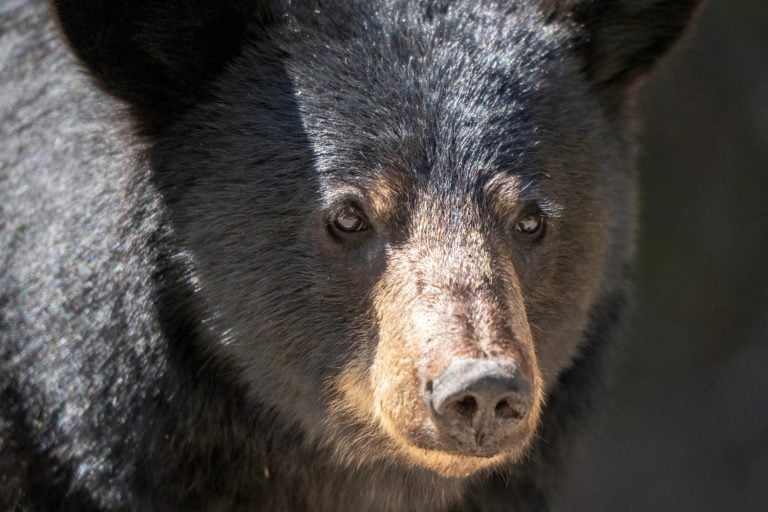
Washington State is home to two types of bears: the American black bear and the grizzly bear. American black bears (Ursus americanus) live statewide. Don’t be fooled by their descriptive name, however, as black bears can have coloring that ranges from chocolate brown to blonde or even cinnamon. Another way to identify them is by their large, pointed ears, lack of shoulder hump, and straight-facing facial profile.
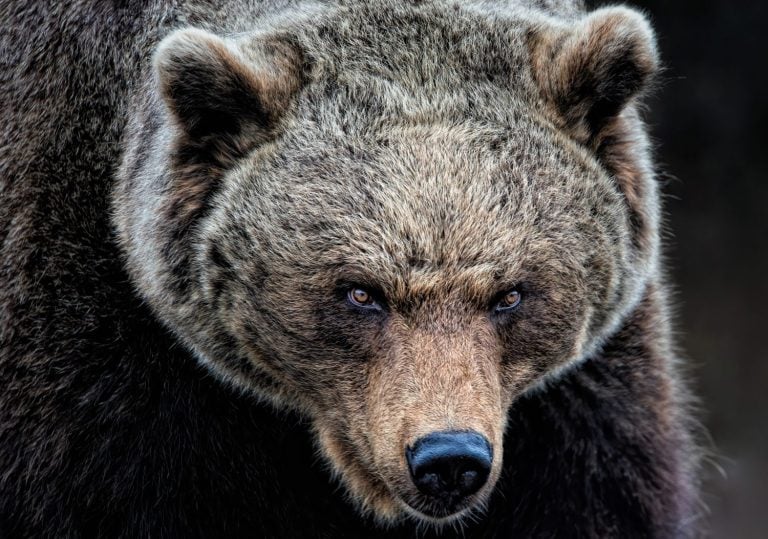
The other type of bear found in Washington is the grizzly bear. Grizzly bears (Ursus arctos) are much rarer than black bears and are therefore highly protected. They have distinguishing muscular humps between their shoulders, short, rounded ears, and distinctly concave facial profiles. Grizzlies also have considerably long claws, which can reach between two and four inches. These claws are less curved than those of other bears because they are adapted for digging rather than climbing trees.
It should be noted that bears are very seasonal. In the springtime, most bears emerge drowsily from their winter dens and head to lower elevations looking for food. This semi-awake but hungry state is called walking hibernation. In the summer, bears are active throughout the day and expand their foraging ranges. Come fall, bears begin their hunt for food in earnest. They even enter a state called hyperphagia, in which they can eat up to 20,000 calories a day in preparation for winter. By winter, most bears enter their dens and do not come out until the first snowmelt of spring.
Regional Hotspots
While bears can technically be found in every county in Washington State, they are most concentrated in several hotspots. This makes sense because, according to data from the Washington Department of Fish and Wildlife, forest cover is the best predictor of bear density. Bears may be big, but they like to hide.
Selkirk Mountains
In the deep northeast of Washington State sit the Selkirk Mountains. Spanning parts of both Pend Oreille and Stevens counties, the Selkirk Mountains provide a kind of alpine wilderness highway for bears between Washington, British Columbia, and Idaho. Though it has a notably high density of black bears, it also features the state’s most persistent grizzly bear population. This group is estimated to be between 50 and 60 individuals.
The Okanogan Highlands
The Okanogan Highlands are exceptionally beautiful. It’s filled with stunning alpine vistas, crystal-clear lakes, and verdant forest cover. It is located in the central northern section of the state and serves as a transition zone between the Rocky Mountains and the Cascades. Due to its abundant greenery and altitude, it is also a major density zone for black bears. People naturally gravitate toward this area for its beauty, but this has ecological consequences. The Washington Department of Fish and Wildlife continues to monitor bear activity in the region, with periodic reports of bear incidents.
The Olympic Peninsula
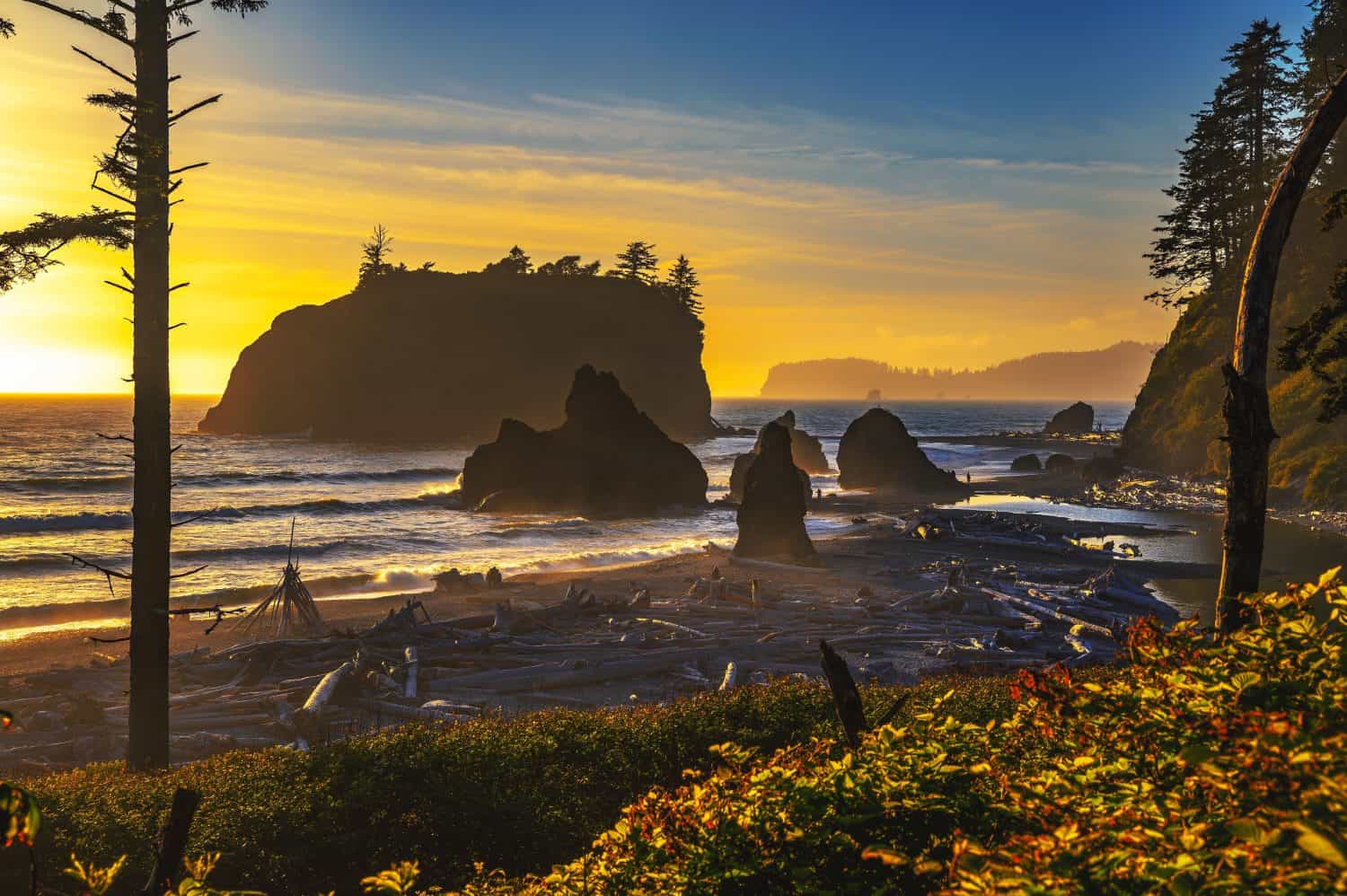
Bears like the Olympic Peninsula because it offers plenty of dense vegetation and food via marine life.
©Nick Fox/Shutterstock.com
Suffice it to say that the Olympic Peninsula offers plenty of resources for bears. With its rainforest-like atmosphere, the Olympic Peninsula—specifically within Olympic National Park—offers bears a wide array of foraging opportunities. Areas like Seven Lakes Basin and the Enchanted Valley, in particular, are well-known to hikers as places where you are most likely to see black bears. Due to the area’s water system inlets and swamp-like lowlands, bears have access to plenty of vegetation and food opportunities from marine life.
North Cascades Ecosystem
There is no doubt about it: the North Cascades ecosystem is the premier location for bears in the Pacific Northwest. Black bears live here in abundance, but what makes the area special is that it is one of only six designated recovery zones for grizzly bears in the contiguous United States. Between 2024 and 2025, the federal government initiated plans to restore the area’s grizzly population, aiming to translocate three to seven grizzly bears per year over several years to establish an initial population of 25 bears.
General Habitats
While bears tend to congregate in several key hotspots in Washington State, their behavior and movement are ultimately dictated by seasonal and natural factors. Food is the primary goal, so bears are always looking for areas with the lowest calorie-to-effort ratios.
Fresh Burns and Clear-Cuts
A bear’s endless hunt for food will likely take it to areas where sunlight can reach the forest floor. In Washington State’s dense habitats, these areas are often where fire or logging has opened up the forest canopy and let the light in. This allows shrubs like huckleberry to produce fruit. Just a single patch of fruiting huckleberry bushes can attract multiple bears.
Avalanche Chutes
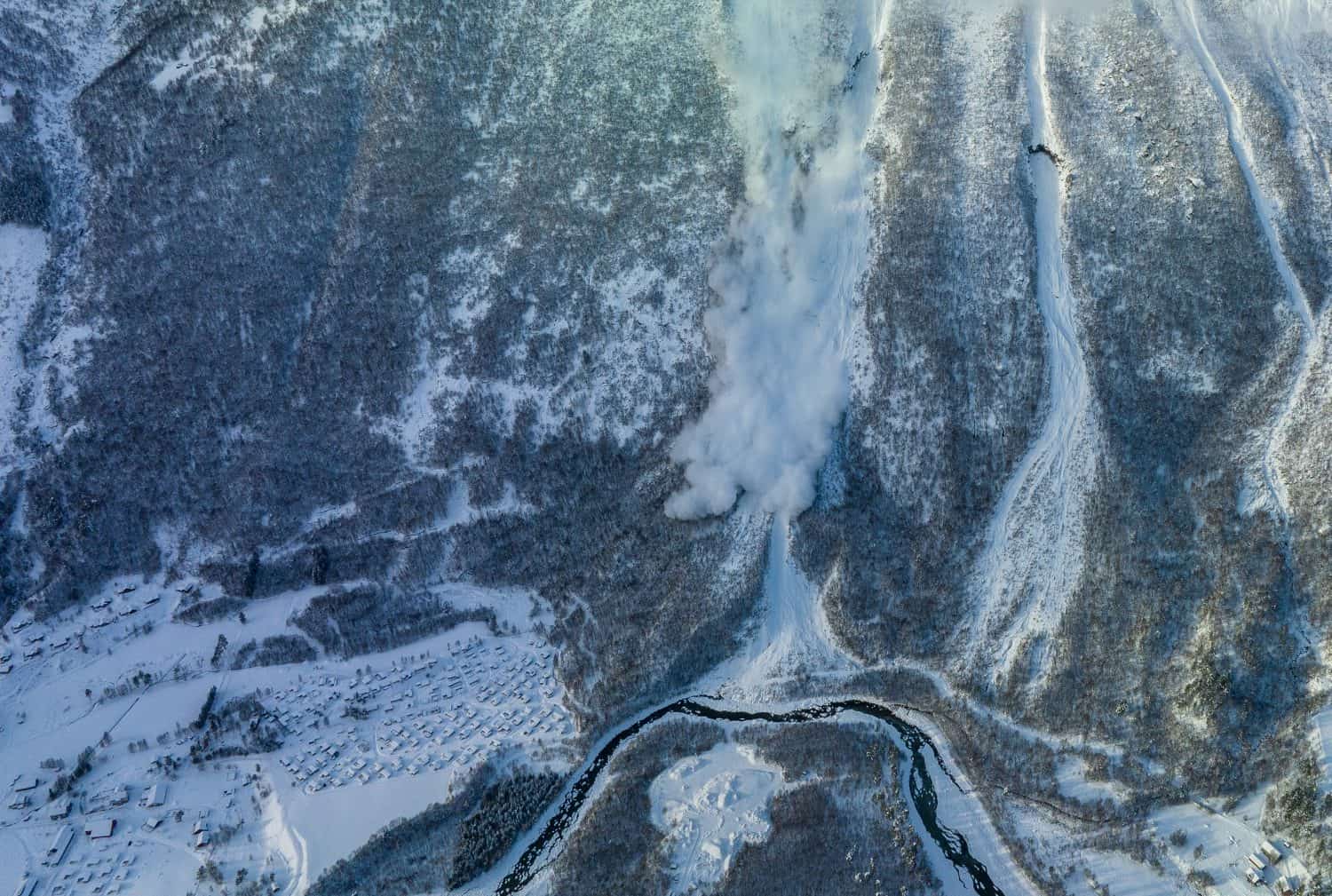
Avalanche chutes are sections of a mountainside cleared of trees by snow slides.
©Andre Berli/Shutterstock.com
Another type of area where bears tend to congregate is the avalanche chute. These are the areas in which avalanches have barreled through on the sides of mountains. In the Cascades in particular, avalanche chutes create large channels through the heavy timber. Since these areas are often the first to melt under the spring sun, they provide plenty of foraging opportunities for bears that have just emerged from their winter dens.
Riparian Zones
If avalanche chutes are like a bear’s suburban streets, then riparian zones are the highways of bear country. Riparian zones are the transition areas between bodies of water and the surrounding land. They provide bears with water, cover, calorie-dense food like salmon, and other foraging opportunities. Riparian zones are places where hikers may have unfortunate run-ins with bears due to the abundance of food and the noisy streams, which can prevent bears and humans from hearing each other before a confrontation.
Parklands
In the summertime, bears are known to head into a type of terrain called sub-alpine parkland. Although these parklands are at high elevations, they are still low enough in the mountains to support a wide variety of vegetation. This allows bears to move between the heavy cover of timber and the more open meadows to forage on grasses and grubs.
Bear Safety Face-to-Face
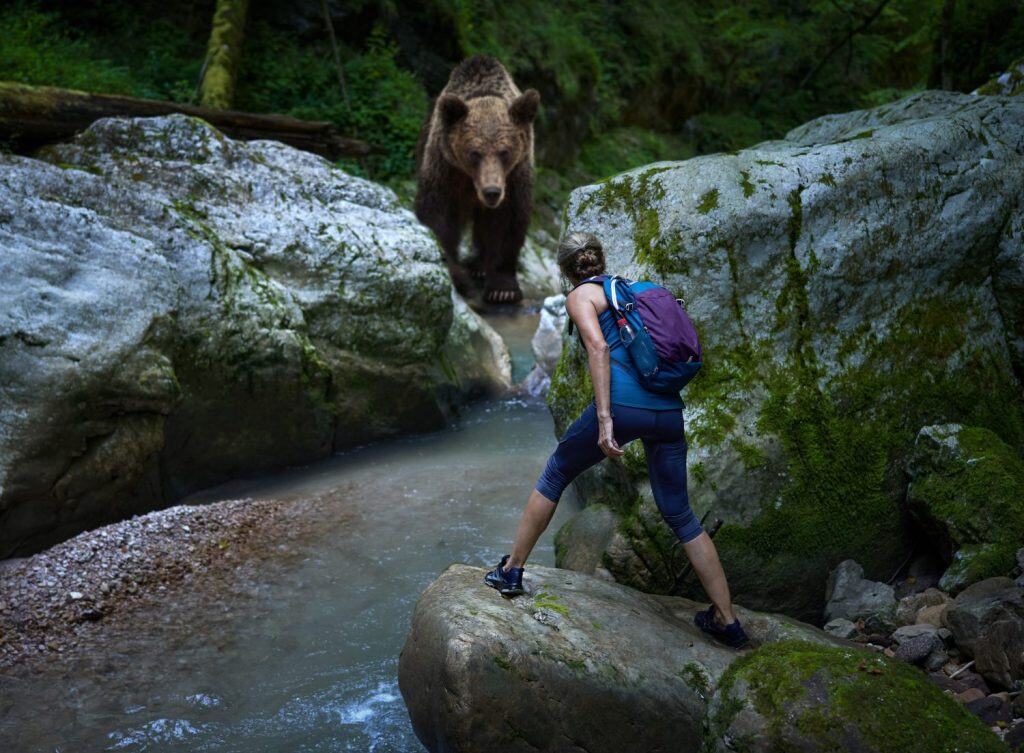
If you are out on a hiking trail in Washington, always carry bear spray and be prepared to use it at a moment’s notice.
©Slatan/Shutterstock.com
With so many bears living in the Evergreen State, travelers, outdoor lovers, and even locals need to understand how to safely coexist with them. Most of the time, bears prefer to keep their distance from people, but that does not mean confrontations never happen. That is why it is important for anyone who might encounter a bear to know what to do.
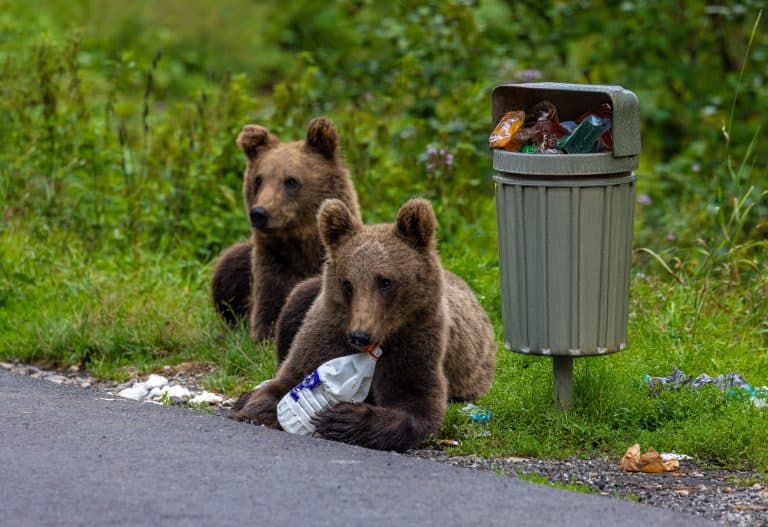
If you are at home, always use trash cans that can be properly secured. Bears will dig through trash if given the opportunity. Also, remove bird feeders from your property between April and November, when bears are most active. If you are out on the trail and suspect a bear is in the vicinity, use your voice, especially near water or in dense brush. Bears don’t like overstimulation. Also, be sure to carry bear spray with you. It is best to keep it on your utility belt rather than deep inside a backpack. If you see a bear, stay at least 100 feet away from it.
When all else fails, and a bear gets too close, do not panic and do not run. If you are confronted by a black bear, stand your ground and make yourself appear as large as possible. If a grizzly bear confronts you, avoid eye contact and back away slowly. Use bear spray if it charges. If it attacks, play dead by lying on your stomach. Such incidents are rare, but safety should always come first.