
Quick Take
- Genetic analysis of confiscated pangolin scales revealed a previously unknown ninth species, Manis mysteria, hidden in plain sight for millions of years.
- A tenth potential species, the Indo-Burmese pangolin (Manis indoburmanica), was identified through mitochondrial DNA, further reshaping the pangolin family tree.
- Both discoveries involve “cryptic species” that are nearly indistinguishable in appearance but genetically as distinct as well-known large mammals.
- The findings raise urgent conservation concerns, as illegal wildlife trade may be driving unknown pangolin species toward extinction before they are formally recognized.
In 2023, scientists made a surprising find regarding pangolins. Scientists have long believed that pangolins have eight branches in their family tree. But an unlikely discovery made from studying seized pangolin scales introduced a ninth branch. Since then, a tenth branch has been proposed.
These unique creatures are the most trafficked animals in the world. They are highly sought after for their scales and meat. But the pangolin trade is illegal, and all species of pangolins are protected under national and international laws. Scientists and conservationists are racing to find a way to save pangolins from extinction, even the species we may not have discovered yet.
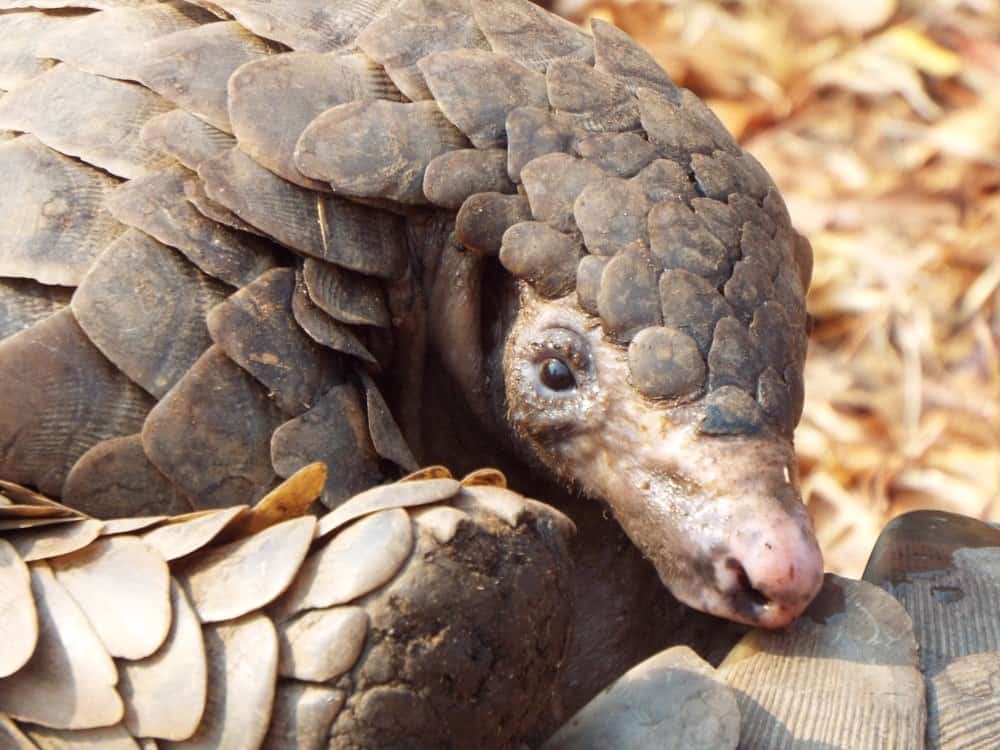
Pangolins are covered in scales made of keratin, the same protein that forms hair and nails.
©Patrick Fonseca/Shutterstock.com
A Family Tree Once Thought Complete
For over 100 years, scientists believed that eight species of pangolin exist. Four of those species are native to Asia, while the other four are native to Africa. Although pangolins are similar in appearance to anteaters, and they also eat ants and termites, they are not closely related.
Pangolins are gentle creatures whose only defense mechanism is to roll up in a ball when threatened. Sadly, this behavior makes them easy targets for poachers. All known species are under threat, ranging from vulnerable to critically endangered.
Pangolins are notoriously difficult to keep in captivity. Many pangolins died within a few months of captivity until breakthroughs in their specialized care improved their survival. Today, the Brookfield Zoo in Chicago is one of the only places in the U.S. with a successful breeding program and houses 13 white-bellied pangolins.
Scientists have been studying pangolin genetics for years to help conservationists find ways to stop the illegal pangolin trade. By studying the pangolin evolutionary tree, scientists hope to identify which species are being trafficked and trace their origins and destinations. It was this in-depth look into the pangolin family tree that has led to unexpected discoveries.
Manis mysteria: How Scientists Found the 9th Pangolin Species
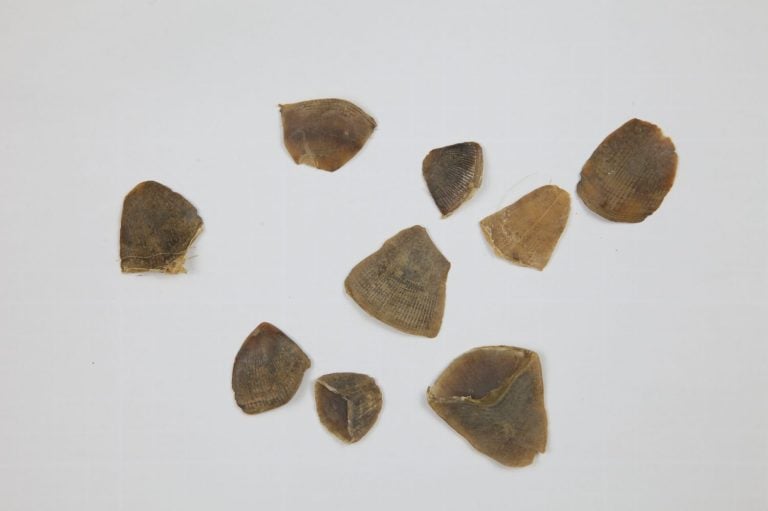
In 2023, scientists used advanced genomic sequencing to study pangolin scales that had been confiscated in Hong Kong and the Yunnan province in China. Their research revealed genetic markers that had never been seen before in the already known species of pangolins. Through DNA analysis, the researchers had revealed a ninth species, Manis mysteria.
Scientists don’t know much about this mysterious new species. They believe it is native to Asia and that it has been evolving separately for around 5 million years. It is known as a “cryptic” species, which means it is hard to tell apart by its appearance.
Is Manis indoburmanica the 10th Branch in the Pangolin Family?
In 2025, another surprising finding occurred. Scientists studying genetic diversity within Asian pangolins revealed a possible tenth pangolin branch. A mitochondrial DNA analysis of confiscated Chinese pangolin samples found genetic differences. Researchers believe Manis indoburmanica split from the Chinese pangolin more than 3 million years ago. The team proposes to name the new species the Indo-Burmese pangolin after the region it inhabits. Like Manis mysteria, Manis indoburmanica is considered a cryptic species.
Why There Are Still Only 8 Official Pangolin Species (For Now)
While the evidence is strong, the two newly proposed species have yet to be fully validated as separate species. Scientists have yet to encounter Manis mysteria in the wild. They only have samples of the animal’s claws and scales.
In contrast, a pangolin believed to be Manis indoburmanica was caught, photographed, and sampled before being released back into the wild. Matthew Shirley, overall co-chair of the Pangolin Specialist Group, explained to Mongabay that “morphology is critical for our practical ability to implement management programs.”
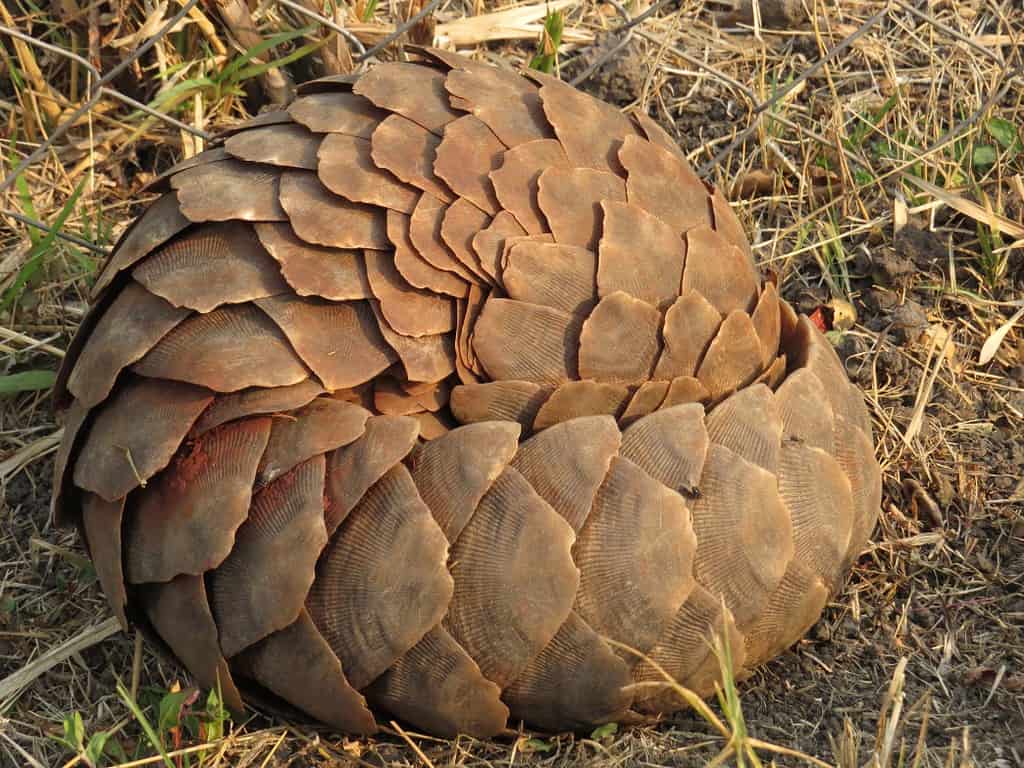
Pangolins curl up into a non-moving ball when threatened.
©U.S. Fish and Wildlife Service Headquarters, CC BY 2.0 – Original / License
Unknown Cryptic Pangolin Species May Already Be Gone
Sadly, the recent discovery of previously unknown species suggests that some pangolin species may have existed and gone extinct before we even became aware of them.
According to a press release from the Environmental Investigation Agency (EIA), “EIA Pangolin Campaign Leader James Toone said that while he was heartened to learn of the discovery of a distinct new species, he was concerned that the pressures of illegal trade on all pangolins meant it was effectively already endangered.”
Also in the press release, Toone explained why it’s critical to address how pangolin species are protected under current laws: “It is also key to point out that pangolins as a genus (Manis spp.) are still listed as Appendix II in the Convention on International Trade in Endangered Species of Wild Fauna and Flora (CITES), with only the eight main species listed as Appendix I, the highest level of protection.” He continued, “This means that commercial trade in these new species could be allowed, and this would be a real concern.”