
Quick Take
- New research suggests that for every known vertebrate species, two more “cryptic” species remain hidden in plain sight.
- Identical-looking species may have evolved independently for millions of years, detectable only through modern DNA sequencing.
- Failure to identify hidden species leads to smaller habitat ranges and increased extinction risks for unrecognized wildlife populations.
Throughout history, humans have often believed they fully understood the world around them. You could travel back 500 years, and you’d find the top minds of the day quite certain of their understanding of the world.
But new insights, developments, and inventions upset the scientific status quo every decade or so. Like clockwork, this process of revising our understanding has occurred again in the field of taxonomy. A new, sweeping analysis of more than 300 studies suggests a widespread doppelganger phenomenon when it comes to the animal kingdom.
Scientists now believe that for every known fish, bird, amphibian, reptile, or mammal species, “there are about two nearly identical “cryptic” species hiding in plain sight—genetically distinct but visually almost impossible to tell apart.”
Advancements in DNA sequencing have helped scientists uncover these shadow lineages, some of which have evolved independently from their parallel (and visible) cousins for more than a million years. Let’s learn more about this surprising new claim and how scientists are addressing the challenge of classifying cryptic species.
Shocking Claims

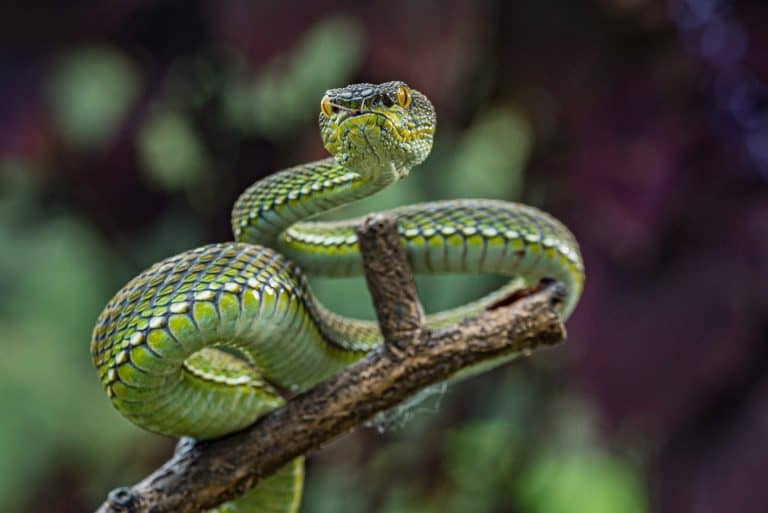
University of Arizona researchers believe there are two additional species for every known vertebrate species.
©Max Acronym/Shutterstock.com
A new study led by researchers at the University of Arizona suggests that for every known vertebrate species, “there are, on average, two additional species that have gone unnoticed.“
The study found that there are “cryptic” species out there, operating in parallel to their more visible relatives. These findings have stunning implications. Namely, that there are about twice as many vertebrate species on Earth as previously thought. It also raises serious questions regarding the classification and conservation of these phantom species.
As John Wiens, professor in the University of Arizona Department of Ecology and Evolutionary Biology in the College of Science, explained to Science Daily, “Each species that you and I can see and recognize as distinct may actually be hiding two different species, on average.”
Rewriting History
In previous decades, scientists classified animals based on visible, morphological traits. Differences in scale arrangements, color patterns, and body size helped differentiate one species from another. However, the idea of cryptic species complicates this pragmatic taxonomical process.
As this new study suggests, cryptic species look almost identical to previously identified species. Their differences lie at the genomic level. Put simply, it’s the nuances in DNA strands that reveal key genetic differences between known ‘visible’ species and hidden ‘cryptic’ species. As Wiens told Science Daily, “Many of these cryptic species have likely been evolving separately for a million years or more. So, their DNA tells us that they’ve been distinct for a long time, even if they look identical.”
These separate but similar species have always existed, even if we did not recognize them. However, advances in molecular sequencing have made DNA analysis inexpensive and accessible enough to conduct on a larger scale. By analyzing over 300 previous studies, this research has enabled scientists to gather enough genetic data to reveal both key differences between species and previously unrecognized ones.
Advances in molecular sequencing have made it faster and more affordable to compare DNA among populations. As more genetic data have become available, researchers have repeatedly discovered previously unrecognized species. The results surprised scientists. As Wiens explained, most known species have several genetically distinct counterparts that are visually similar. He said, “On average, morphologically based species of fishes, birds, mammals, reptiles, amphibians, and other vertebrate groups all seemed to be hiding around two cryptic species.”
Shadow Selves
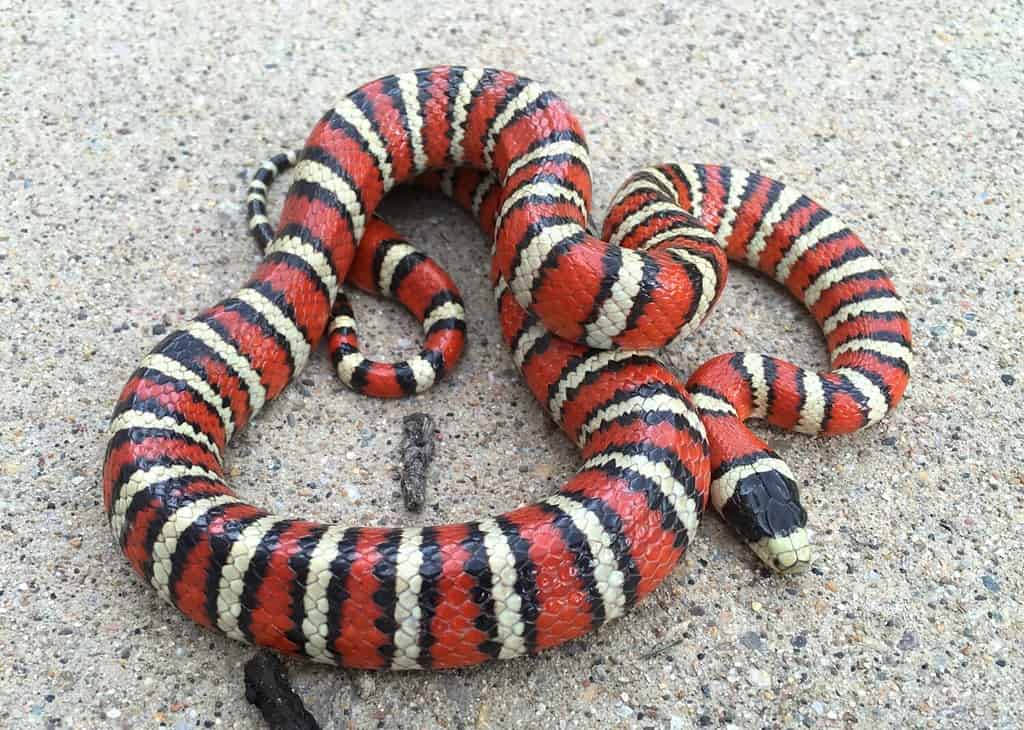
People used to think there was only one Arizona mountain kingsnake. Contemporary research shows that northern and southern kingsnakes are genetically distinct.
©Matt Jeppson/Shutterstock.com
A fitting example of this cryptic species phenomenon can be found close to the University of Arizona. For years, people considered the Arizona mountain kingsnake to be a single species because individuals found throughout the state looked alike. However, DNA sequencing in 2011 showed that Northern Arizona kingsnakes were genetically distinct from southern specimens. This resulted in the southern kingsnakes getting separate species status; they are now called Lampropeltis knoblochi, while northern kingsnakes are called Lampropeltis pyromelana.
The idea of systematically surveying cryptic species came to U of A graduate student Yinpeng Zhang after he noticed that several taxonomy studies were uncovering physically identical but genetically distinct species. He realized that no one had attempted a global, systematic analysis of how common this phenomenon is.
The researchers evaluated different strategies for estimating the number of cryptic species. In turn, they offered guidance for future research in this burgeoning scientific field. Zhang said, “There aren’t many research groups focused purely on cryptic species. Most people discover them as a byproduct of other biodiversity or taxonomy studies rather than as the main goal.”
Extensive Implications
Recognizing thousands, if not millions, of previously unrecognized ‘cryptic’ species has implications that extend beyond mere classification. For example, if a visible species occupying a large region is actually three separate species, then each of those three species occupies a much smaller area. This increases their vulnerability. As Wiens said, “People have generally found that the smaller a species’ range size is, the more likely that species is to go extinct.”
As the researchers emphasized, formally describing and naming these cryptic species is only the first step in protecting them. From there, conservation programs can be designed to ensure that efforts to boost populations do not inadvertently cross-breed distinct species. After all, people can only protect a species if they know it exists.