
Quick Take
- Scientists pinpointed the exact moment in evolution when returning to land becomes physically impossible, and the trigger is not what most people expect. See the dividing line →
- Seals and sea lions are still on the right side of a line that whales crossed millions of years ago, and that difference changes everything about their evolutionary future. Seals near the threshold →
- Three biological changes work together to slam an evolutionary door shut. Once all three lock in, no species has ever broken back through. Three changes that lock in →
- A 19th-century evolutionary law predicted the whale's fate long before scientists had the data to prove it. Dollo's Law explained →
Millions of years ago, large mammals made the monumental leap from living on land to calling the sea their home. The journey of the ancestors of whales traces a long evolutionary path from four-limbed land dwellers to the aquatic giants we see today. But the question of whether these creatures could ever return to terrestrial life has gripped biologists for decades.
The Evolutionary Crossroads
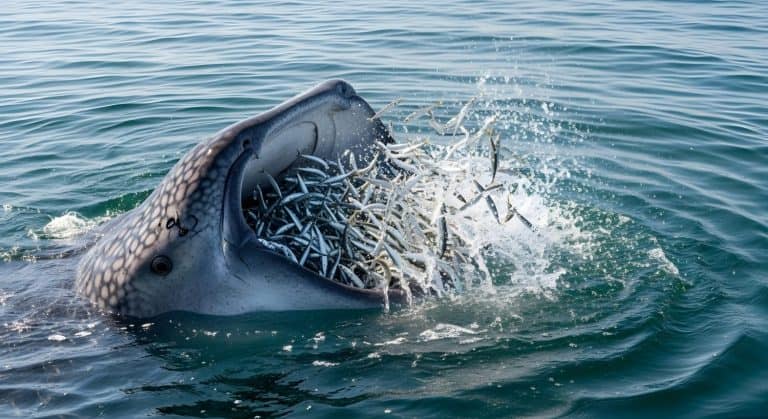
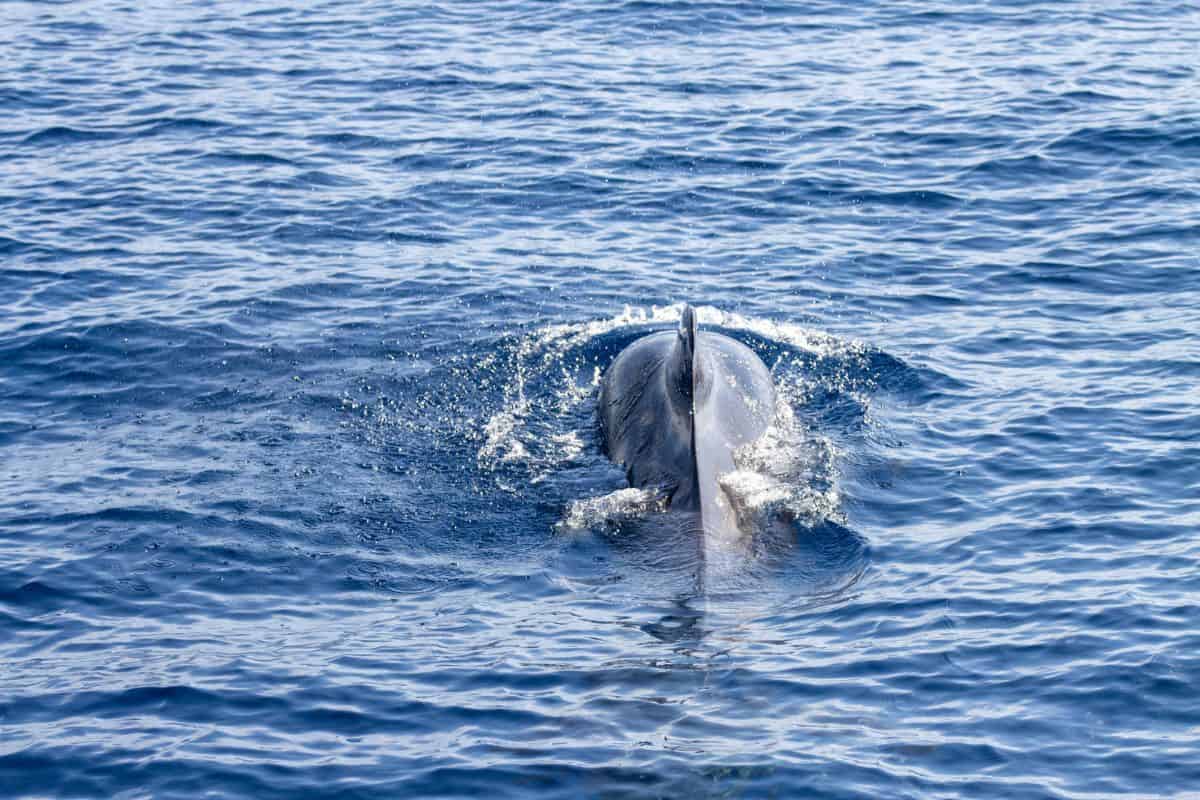
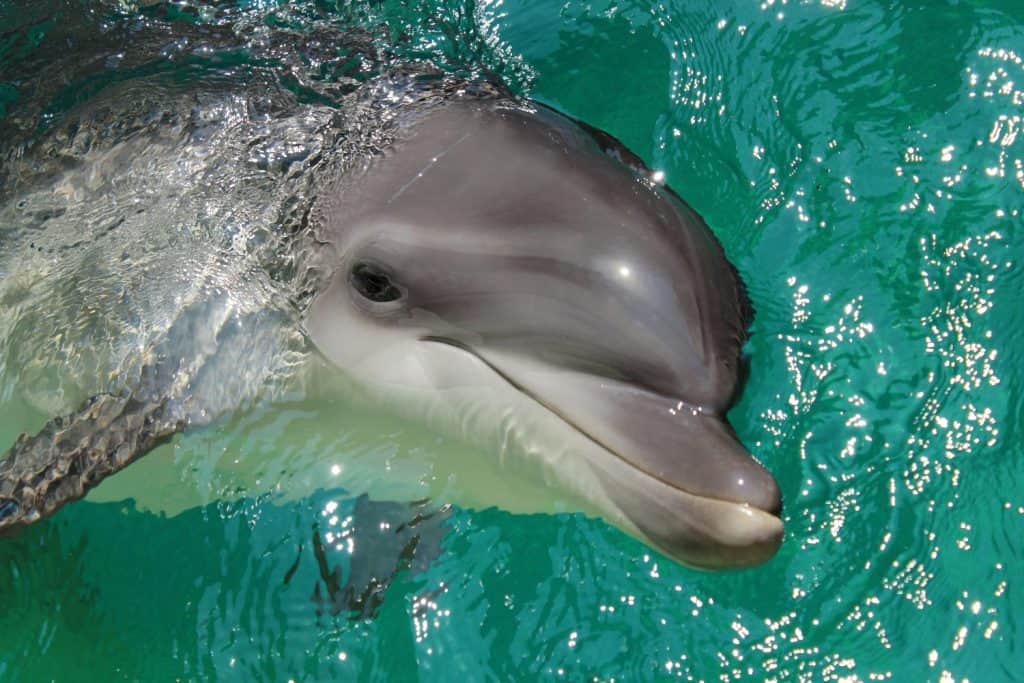
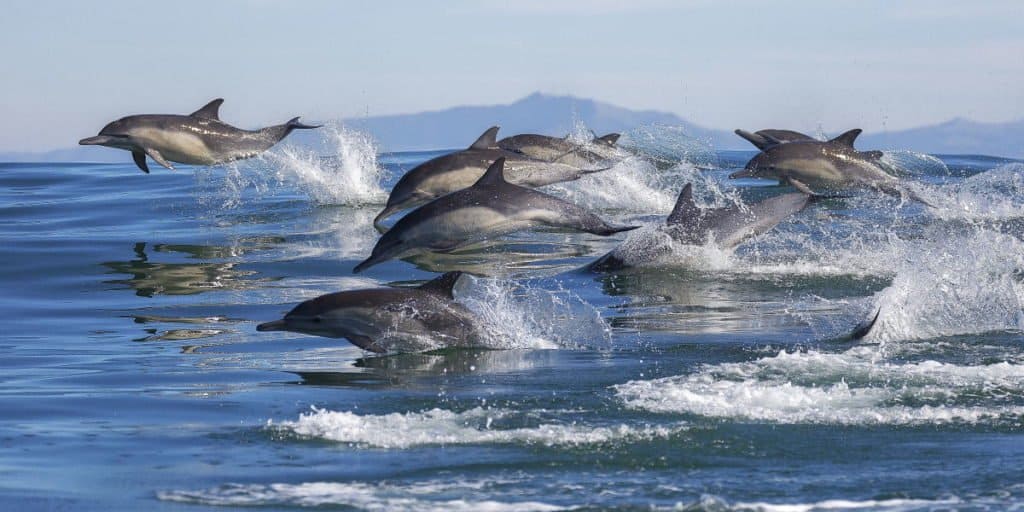
Researchers at the University of Fribourg recently set out to pinpoint the exact moment when the path back to land closes for marine mammals. Their study, published in July 2023 in the journal Proceedings of the Royal Society B, brought new clarity to this transition. By assembling data on 5,635 species, representing almost all living mammals, they sorted these animals by how aquatic they are. On one end were fully terrestrial species that seldom, if ever, enter water. At the far extreme stood 186 kinds of mammals that never leave the water, making up about 3% of all mammal species. These include whales, dolphins, manatees, and dugongs.
©evm237/Shutterstock.com
The team was particularly interested in the zone between these extremes. Here, animals like otters and seals occupy varied degrees of aquatic life, able to move between land and water with relative ease. Through detailed analysis of evolutionary lineages, the researchers found a strikingly clear dividing line. As long as a species remained semi-aquatic, capable both of swimming and walking, it retained the evolutionary flexibility to return to land. Their evolutionary model identified 37 transitions to a semi-aquatic lifestyle and 22 reversions back to land. But beyond a certain threshold, no full return to terrestrial living has ever been recorded.
A One-Way Evolutionary Door
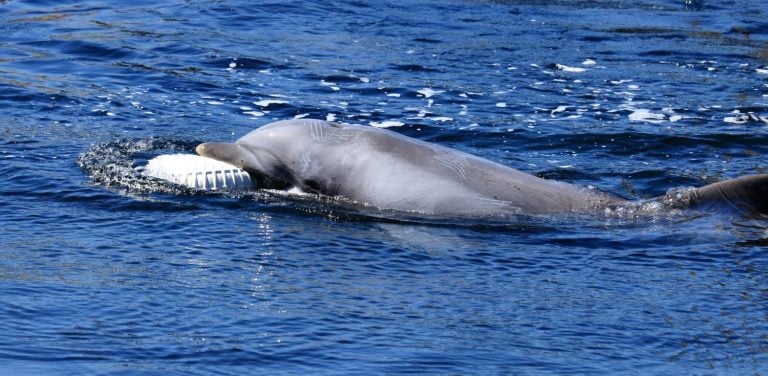
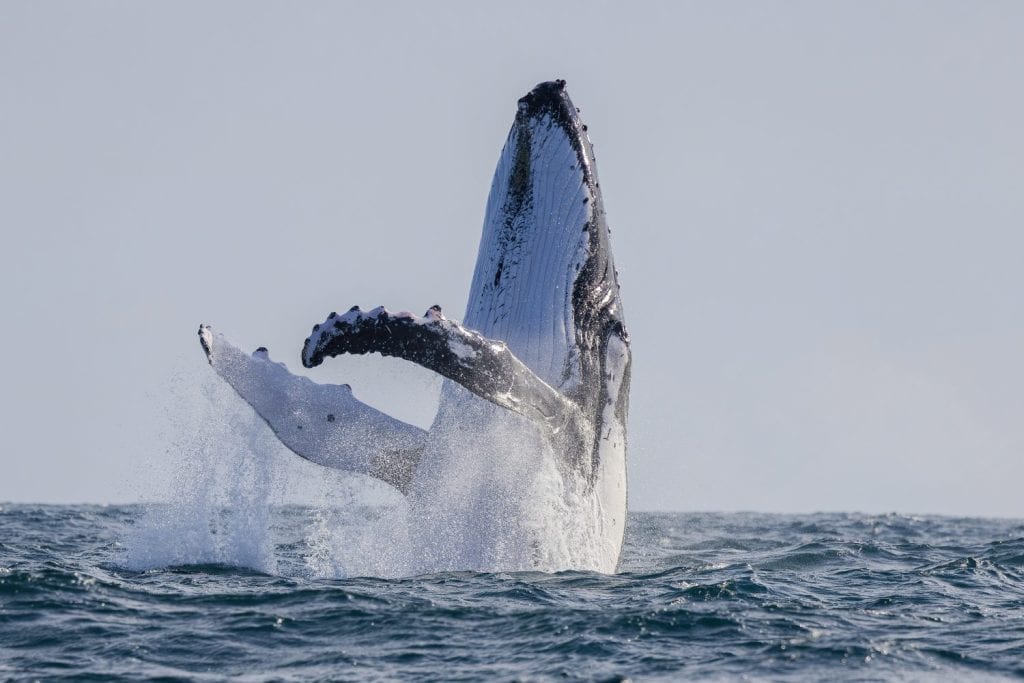
So what locks this door behind ocean giants? The answer is a combination of size, diet, and anatomy. Once whales, dolphins, and similar marine mammals committed fully to the sea, their bodies began to change in fundamental ways. Water rapidly draws heat from the body, so aquatic mammals responded by growing bigger, researchers estimate an average increase of around 12% in body mass per million years of complete aquatic life. This size helps retain warmth but becomes an overwhelming liability on land, where gravity demands sturdy limbs to support such weight.
Dietary shifts are also part of the story. Carnivorous eating habits developed to supply the immense energy demands of a large, aquatic metabolism. At the same time, limbs morphed into fins. Once these changes take root, the possibility of walking collapses. The phenomenon is a modern-day reflection of Dollo’s Law, a concept established in the 19th century, stating that once a complex trait is lost in evolution, it almost never comes back in exactly the same form. In short, the evolutionary divergence of the whale’s body is now too great for a reversal.
©Hyserb/Shutterstock.com
Some Mammals Still on the Threshold
But not all marine mammals are equally committed to their new world. Seals, sea lions, and sea otters still regularly haul themselves ashore to rest or breed. Unlike whales and dolphins, these species remain just short of the evolutionary point of no return. In theory, they could still make a transition back to land, much like their ancestors did ages ago. The evidence suggests that as long as a mammal can divide its life between two realms, evolutionary flexibility remains an option.
In contrast, large cetaceans and sirenians have shut the door behind them. Their journey reveals a broader principle in evolution: every new adaptation narrows the range of possibilities left open. Once pushed past a certain limit, some evolutionary paths never reopen. The Fribourg team now plans to explore whether a similar pattern holds for marine birds, like flightless penguins, and sea turtles, to see if the evolutionary locks work the same way in other groups.
©Chase Dekker/Shutterstock.com
What Adaptation Ultimately Means
The winding path from land to sea and its evolutionary dead ends highlight a central theme in nature: adaptation is as much about closing doors as opening them. Each evolutionary step taken for survival comes with a trade-off, limiting future choices. The story of whales and dolphins serves as a sharp reminder that not all roads can be retraced, no matter how skillful or adaptable a species once was.