Quick Take
- Hedgehog populations across Europe have declined dramatically due to habitat loss, pesticides, roads, and changing land use, with rural areas often hit hardest.
- Gardens and suburban green spaces now play a critical role in hedgehog survival, offering food, shelter, and safer movement corridors.
- Small, practical actions by homeowners and communities can collectively make a meaningful difference for hedgehogs and other wildlife.
February 2, 2026, is International Hedgehog Day. While this occasion offers a moment to celebrate one of Europe’s most beloved small mammals, sadly, it’s also a much-needed opportunity to confront an uncomfortable truth. The European hedgehog was once a common sight in backyards, hedgerows, and quiet country lanes. Today, in many places, spotting one feels like a minor miracle.
Long-term studies and national wildlife surveys suggest hedgehog populations in parts of Europe have fallen by as much as 97% over the past century, with especially sharp declines since the 1990s. That dramatic drop didn’t come out of nowhere, nor did it happen for just one reason. It’s the result of many small changes accumulating over time, most of them closely tied to how people use land—a common and familiar story when it comes to species endangerment. Understanding those pressures is the first step toward helping these spiky insect-eaters make a comeback. It’s going to take significant action from activists and legislators, but homeowners can play a surprisingly important role as well.
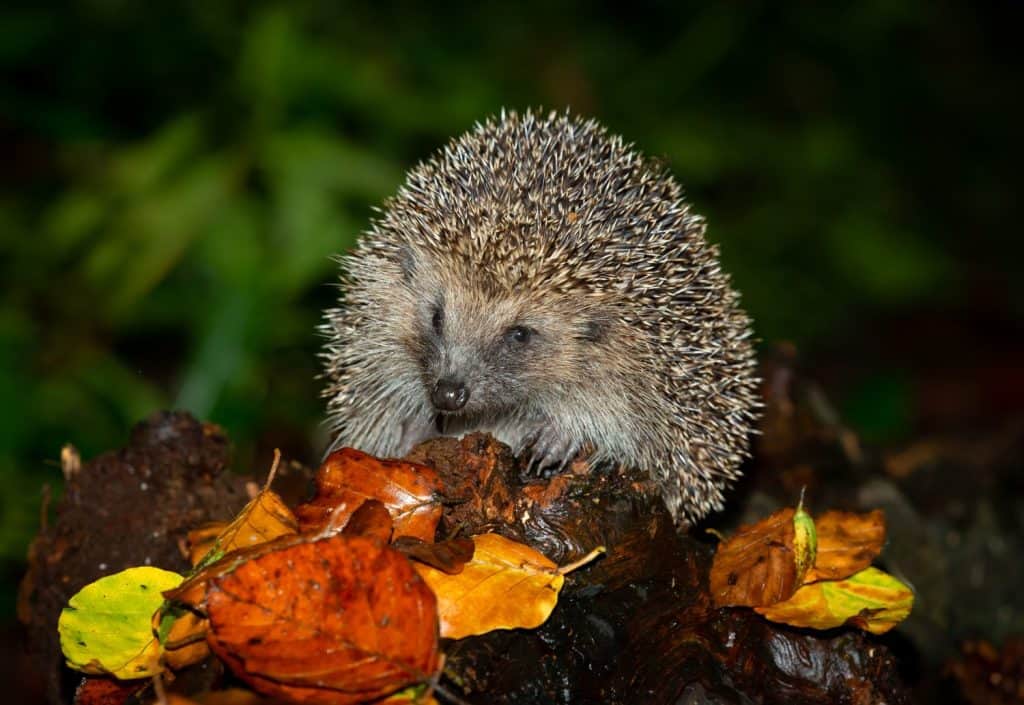
Despite their prickly appearance, European hedgehogs rely on soft leaf nests and sheltered spaces to rest, forage, and hibernate throughout the year.
©Serenity Images23/Shutterstock.com
Meet the European Hedgehog
The European hedgehog is about the size of a small loaf of bread, usually weighing between 1 and 3 pounds depending on the season. Its most famous feature is its coat of stiff spines, actually modified hairs, which it raises when threatened. It also has an interesting—and adorable—defense mechanism: curling into a tight ball, which makes it difficult for most predators to get a grip.
Hedgehogs are mostly nocturnal and solitary. At night, they roam gardens, parks, farmland edges, and woodland margins in search of food. Their diet is dominated by invertebrates like beetles, caterpillars, earthworms, and slugs. They may also eat other insects, spiders, and occasionally small vertebrates or eggs if they come across them. Because they help control pest insects, hedgehogs have long been considered friends to gardeners.
Unlike many mammals, hedgehogs rely heavily on a successful hibernation season. In colder months, they build nests from leaves and grass and enter hibernation, lowering their body temperature and heart rate to conserve energy. To survive that period, they need to build up fat reserves during the fall. Anything that interferes with feeding opportunities, safe nesting sites, or movement between habitats can tip the balance against them. And that’s where their current troubles begin.
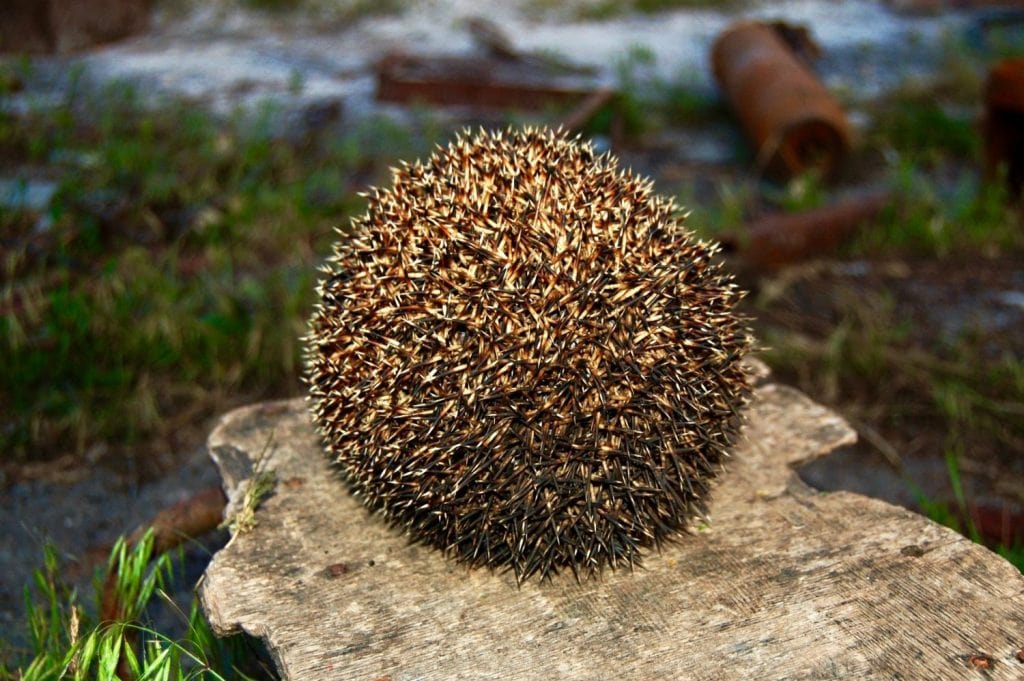
When threatened, a hedgehog curls into a tight, spiny ball that protects its soft body from most natural predators.
©moryachka7/Shutterstock.com
A Century of Decline
The idea that hedgehogs have declined by up to 97% comes from combining historical records, roadkill data, and modern population surveys in countries like the United Kingdom. While exact numbers vary by region, there’s broad agreement among conservation groups and researchers that the decline has been severe and widespread. Rural areas have seen some of the steepest drops, while urban and suburban populations have fared slightly better in certain regions.
Habitat Loss and Fragmentation
Not surprisingly, the hedgehog’s decline is closely correlated to changes in land use over the last hundred years. Traditional mixed farmland, with hedgerows, small fields, and rough margins, has largely given way to larger, more intensive operations. At the same time, towns and suburbs have expanded, replacing natural ground with roads, buildings, and fences. Hedgehogs are adaptable animals, but there’s a limit to how much change they can absorb.
One of the biggest challenges hedgehogs face is simply finding places to live. They need a patchwork of habitats: areas to forage, spots to nest, and safe routes between them. Historically, hedgerows were a key feature of rural landscapes—living fences that provided cover, food, and travel corridors for hedgehogs and many other species. But over the decades, countless miles of hedgerows have been removed to make room for larger fields and more efficient farming.
Without these hedgerows, hedgehogs are forced to cross open ground, where they’re more exposed to predators and vehicles. In urban areas, the problem looks different but leads to the same result. Solid fences, walls, and neatly enclosed yards can turn neighborhoods into obstacle courses, cutting hedgehogs off from food and mates.
Fragmentation doesn’t just reduce available space; it also isolates populations. When hedgehogs can’t move freely, genetic diversity drops, making populations more vulnerable to disease and environmental change.
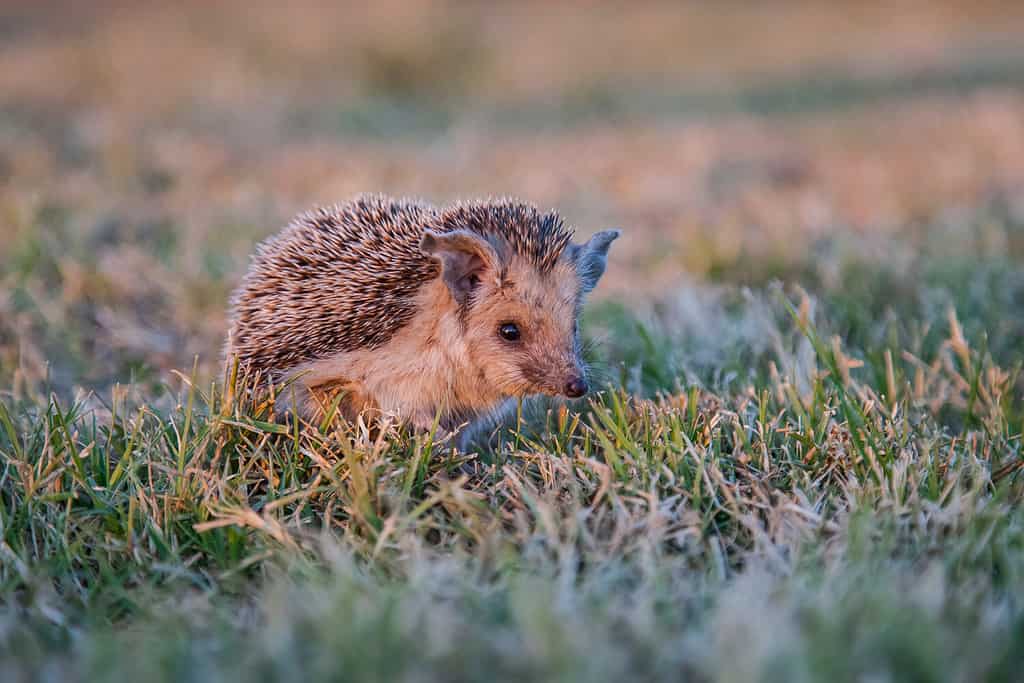
Once common across farms and villages, hedgehogs have declined sharply as landscapes have shifted from small fields and hedgerows to intensive agriculture.
©selim kaya photography/Shutterstock.com
The Hidden Cost of Pesticides
Modern gardening and farming often rely on chemicals to control unwanted insects and weeds. For hedgehogs, that creates a double threat. First, pesticides reduce the number of insects available to eat. A lawn or field treated to be nearly insect-free is effectively a food desert for an insect-eating mammal.
Second, there’s the risk of secondary poisoning. Hedgehogs that eat contaminated insects can accumulate toxins in their bodies. While the exact effects depend on the chemical involved, studies have linked certain pesticides to reduced fertility, weakened immune systems, and increased mortality in wildlife.
Slug pellets deserve special mention. Many contain metaldehyde or similar compounds that are toxic not only to slugs but also to hedgehogs and other animals. Even small amounts can be fatal. In gardens where these products are used regularly, hedgehogs face a serious and often invisible danger.
Roads and Other Human Hazards
Hedgehogs often cross roads while foraging or searching for mates, especially during the breeding season. Their natural defense, curling into a ball, obviously isn’t going to help against cars—quite the opposite, actually. Road mortality is considered a major factor in hedgehog declines, particularly in areas with dense road networks.
Other hazards lurk closer to home. Garden netting, discarded cups, and even cattle grids can trap or injure hedgehogs. Ponds with steep sides can become deadly if an animal falls in and can’t climb out. Bonfires built from piles of leaves and branches can inadvertently become hedgehog nests, with tragic results if they’re lit without checking. None of these dangers is intentional, but together they add up to a landscape filled with risks.
Climate Change and Seasonal Stress
Climate change adds another layer of pressure. Warmer winters and unpredictable weather can disrupt hibernation patterns. Hedgehogs may wake too early or fail to find enough food at the right times. Prolonged droughts can reduce insect populations, while heavy rains can flood nests. While hedgehogs have survived past climate shifts, the current pace of change is rapid, and it’s happening alongside all the other threats they face. That combination makes adaptation harder.
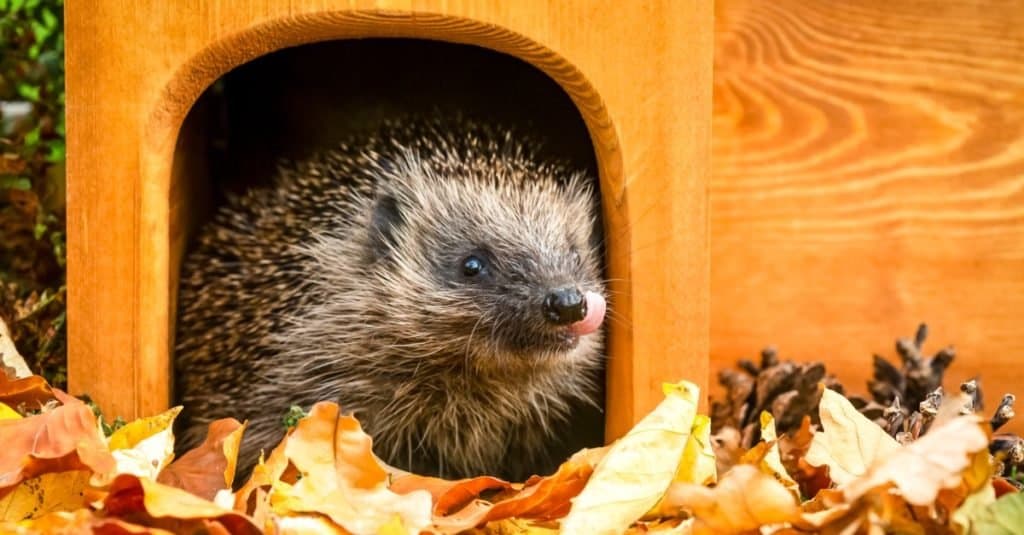
A simple garden shelter, like a pile of leaves or a purpose-built hedgehog house, gives these nocturnal creatures a safe place to rest and hibernate.
©Coatesy/Shutterstock.com
What Can We Do?
Gardens
With so much pressure on rural habitats, gardens have become increasingly important refuges for hedgehogs. In some regions, suburban areas now support higher hedgehog densities than the countryside. That’s good news, because it means individual homeowners can make a real difference. A hedgehog-friendly garden doesn’t have to be wild or messy. It just needs to meet a few basic needs: food, shelter, and access.
Simple steps homeowners can take include:
- One of the most effective actions is creating connectivity. Hedgehogs can travel up to a mile in a single night, passing through multiple yards. A small gap, about 5 inches square, at the bottom of a fence is enough for a hedgehog to squeeze through. Linking gardens in this way creates a network of safe foraging routes.
- Providing shelter is another big help. Leaving a pile of leaves in a quiet corner, or installing a purpose-built hedgehog house, gives hedgehogs a place to rest and potentially hibernate. These shelters should be placed away from busy areas and direct sunlight.
- Reducing chemical use is critical. Avoiding pesticides and slug pellets protects both hedgehogs and the insects they rely on. If slugs are a problem, non-toxic alternatives like barriers or hand removal are safer options.
- Water is often overlooked. A shallow dish of water—especially during dry spells—can be a lifesaver for hedgehogs. Ponds should have gently sloping sides or a ramp so animals can climb out if they fall in.
- Before lighting a bonfire or using a strimmer in long grass, it’s worth checking for hedgehogs. A quick look can prevent serious injury or death.
What About Feeding Hedgehogs?
Many people enjoy putting out food for hedgehogs, and when done correctly, it can help, especially in late summer and fall. Meat-based cat or dog food works well, as does food specifically made for hedgehogs. Bread and milk, a common offering in the past, aren’t suitable and can cause digestive problems.
Feeding should supplement, not replace, natural foraging. Clean bowls regularly to reduce the risk of disease, and avoid leaving food out where it could attract pests.
Community Efforts and Bigger Picture Solutions
Individual gardens matter, but larger-scale action is also essential. Conservation groups across Europe are working to restore hedgerows, create wildlife corridors, and promote hedgehog-friendly farming practices. Citizen science projects encourage people to report sightings, helping researchers track population trends and identify priority areas.
Local councils can play a role by designing parks and roadways with wildlife in mind. Simple measures like wildlife crossings, reduced speed zones in key areas, and hedgehog-friendly fencing can save lives.
Supporting these efforts, whether through volunteering, donations, or advocacy, amplifies the impact of what homeowners do at home. Here are a couple of suggestions (with links) to get you started:
Become a Hedgehog Champion with Hedgehog Street
Support the British Hedgehog Preservation Society

Large-scale conservation projects rely on public participation, from reporting sightings to restoring hedgerows and wildlife corridors.
©Positief kijk je verder/Shutterstock.com
Happy International Hedgehog Day
The decline of the European hedgehog isn’t just about the species itself; it signals broader environmental change. Hedgehogs sit near the middle of the food web, and when their numbers drop, it often reflects wider problems affecting insects, soil health, and habitat quality.
International Hedgehog Day is a chance to celebrate these creatures, but it’s also about recognizing that the choices people make, from how they garden to how landscapes are managed, ripple outward in ways that really matter.
The encouraging news is that hedgehogs are resilient. Given half a chance, they can return to areas where they’ve vanished. More good news: creating that chance doesn’t require expert knowledge or expensive equipment. It starts with awareness, a few thoughtful changes, and the understanding that even small patches of land can add up to something much bigger. Those small actions could help ensure hedgehogs remain a living part of Europe’s landscape. Let’s start taking these actions on February 2, and continue them every day thereafter.