
Quick Take
- The initiative aligns with the broader ’30 by 30′ conservation goal, aiming to protect 30% of Colorado’s lands and waters by 2030, but the 10-year wildlife conservation plan itself is not solely mandated to achieve this specific target.
- Significant funding shortfalls threaten the integrity of habitat connectivity goals, though the exact gap is not clearly defined in recent reports.’
- Data shows that managed grazing is essential for the health of shortgrass prairies.
- The Resource Mapping stage was necessary to understand why riparian zones are disappearing so rapidly.
Colorado’s new State Wildlife Action Plan, approved by the U.S. Fish and Wildlife Service in January 2026, provides a 10-year roadmap guiding how the state protects species and their habitats through 2035. This plan influences which species receive attention first, where projects take place, and how agencies direct funding. It also shapes how Colorado responds to drought, land development, and a changing climate. These pressures already affect rivers, forests, and grasslands statewide. For residents, the plan connects directly to roads, water systems, and outdoor spaces they use every day.
What the Plan Is and Why It Exists
States prepare and revise conservation plans roughly every decade to remain eligible for certain federal conservation funds. Colorado’s 2025 State Wildlife Action Plan was approved by the U.S. Fish and Wildlife Service earlier this year. It identifies at-risk species, highlights priority habitats, and outlines the major threats facing wildlife. The document also describes actions meant to slow or reverse declines before species require emergency protection. Agencies and partners rely on it as a shared framework, which helps align decisions across land ownership boundaries and jurisdictions.
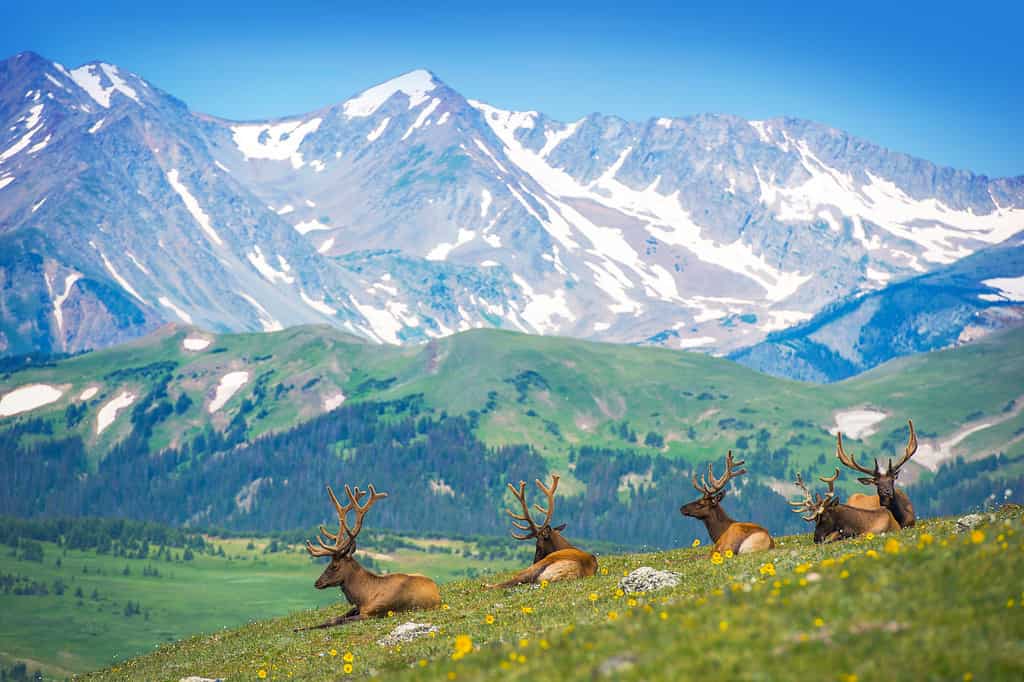
Colorado’s wildlife conservation plan focuses on protecting animals like elk and the landscapes they depend on to survive.
©welcomia/iStock via Getty Images
Who Prepares It and Who Uses It?
Colorado Parks and Wildlife leads the development of the plan, but many groups contribute. Scientists, habitat specialists, and mapping experts provide data and analysis. Tribal governments, federal agencies, counties, municipalities, and nonprofit organizations also take part. The plan serves as a coordination tool rather than a strict rulebook. Many recommended actions take place on land managed by various entities, including private ranches, national forests, and transportation corridors. By setting common priorities, the plan helps partners justify projects, secure funding, and avoid working at cross-purposes.
How Species Get Sorted Into Priority Groups
Colorado supports hundreds of wildlife species, so the plan uses a tiered system to guide decisions. Species are grouped based on population trends, vulnerability, and how important Colorado is to their overall survival. Species of Greatest Conservation Need face higher risks due to habitat loss, climate pressures, or limited ranges. Another category, Species of Greatest Information Need, includes species for which data gaps prevent clear conclusions. Identifying these gaps is important because undetected declines can worsen quickly. This ranking approach allows managers to focus limited resources where they are most likely to prevent long-term losses.
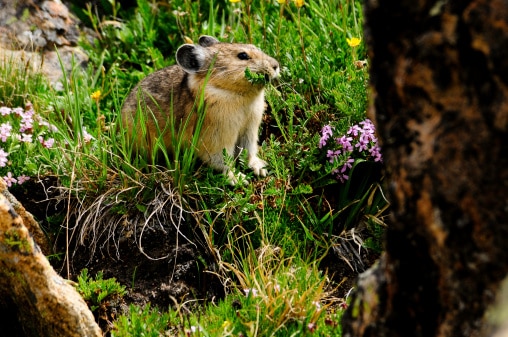
Pikas are one of many species evaluated in Colorado’s wildlife plan to guide conservation efforts statewide.
©BLFink/iStock via Getty Images
Habitat Comes First in Conservation Planning
The plan emphasizes habitat because most wildlife declines trace back to habitat change. Instead of focusing only on individual species, the document prioritizes habitat types and landscape connections. It identifies where key habitats occur, how they are stressed, and where restoration can have lasting benefits. Protecting or improving a single area often helps multiple species at once. Habitat-focused work also tends to be more effective over the long term than short-term interventions. When habitats improve and remain intact, wildlife populations can stabilize or recover over time.
Migration Corridors and Highway Crossings
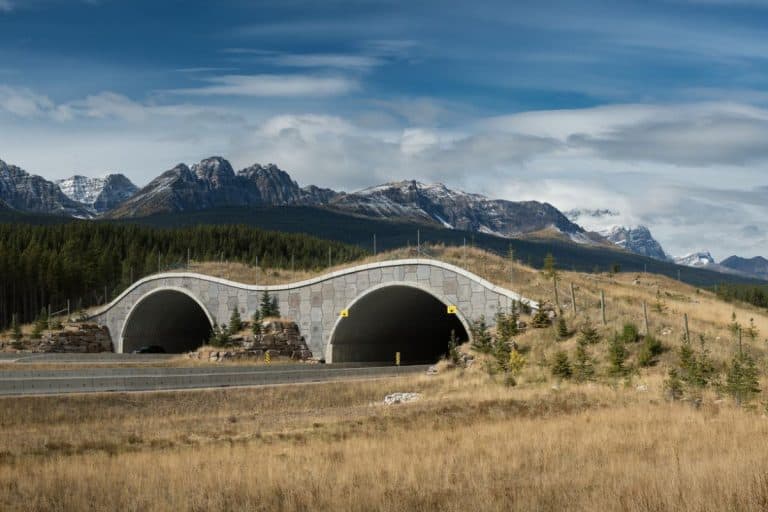
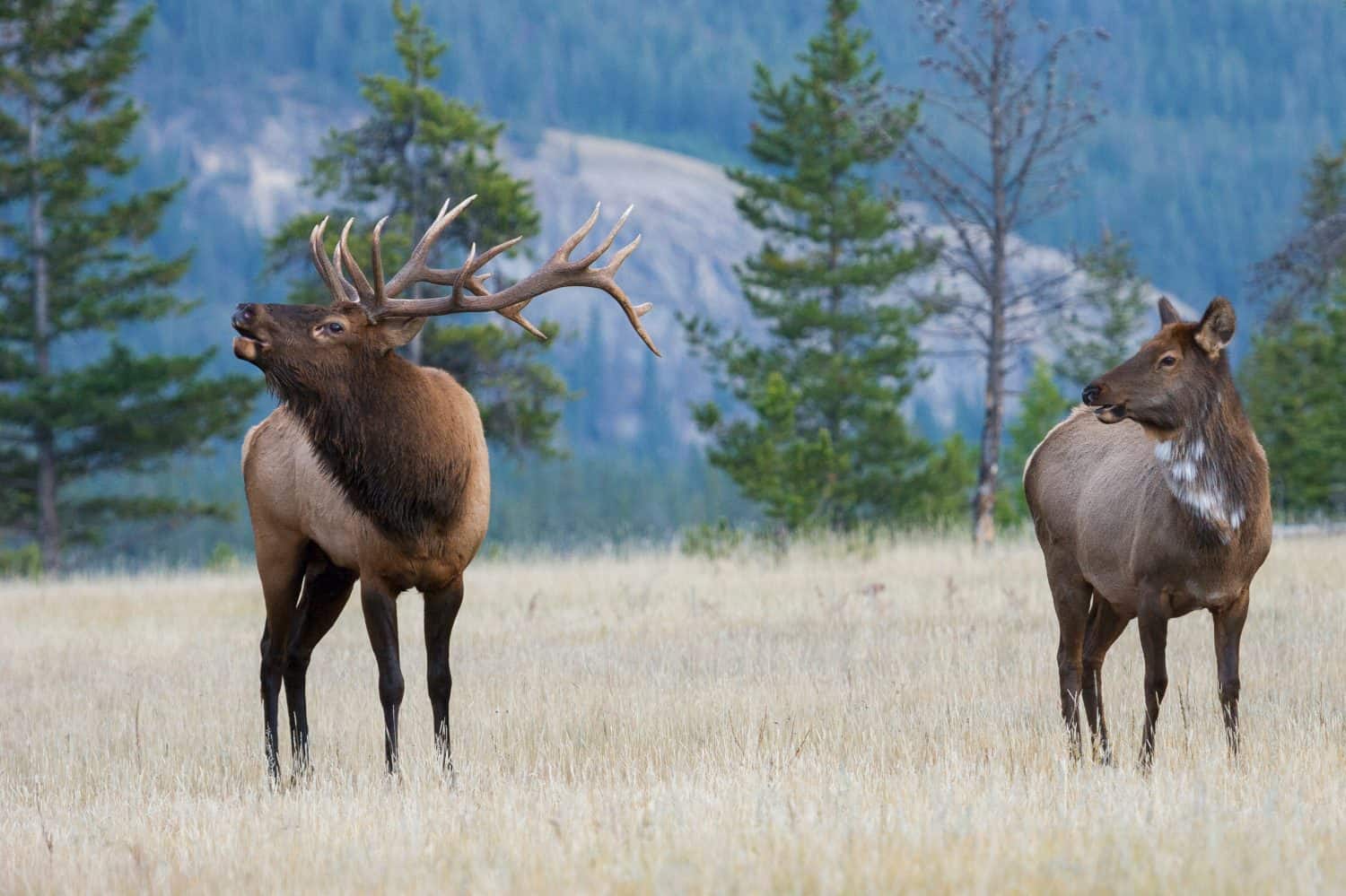
Large mammals are a particular conservation challenge because people encounter them near roads. Elk, mule deer, and pronghorn migrate between seasonal ranges to find food and shelter. Development, fencing, and highways can block these movements. When routes break down, animals face higher mortality and reduced access to resources. Drivers also face increased collision risk. The plan supports projects that reconnect migration paths and reduce crashes. One example is the I-25 Greenland wildlife overpass, completed in December 2025, which now allows animals to cross a busy interstate safely. It is currently considered North America’s largest wildlife overpass by width.
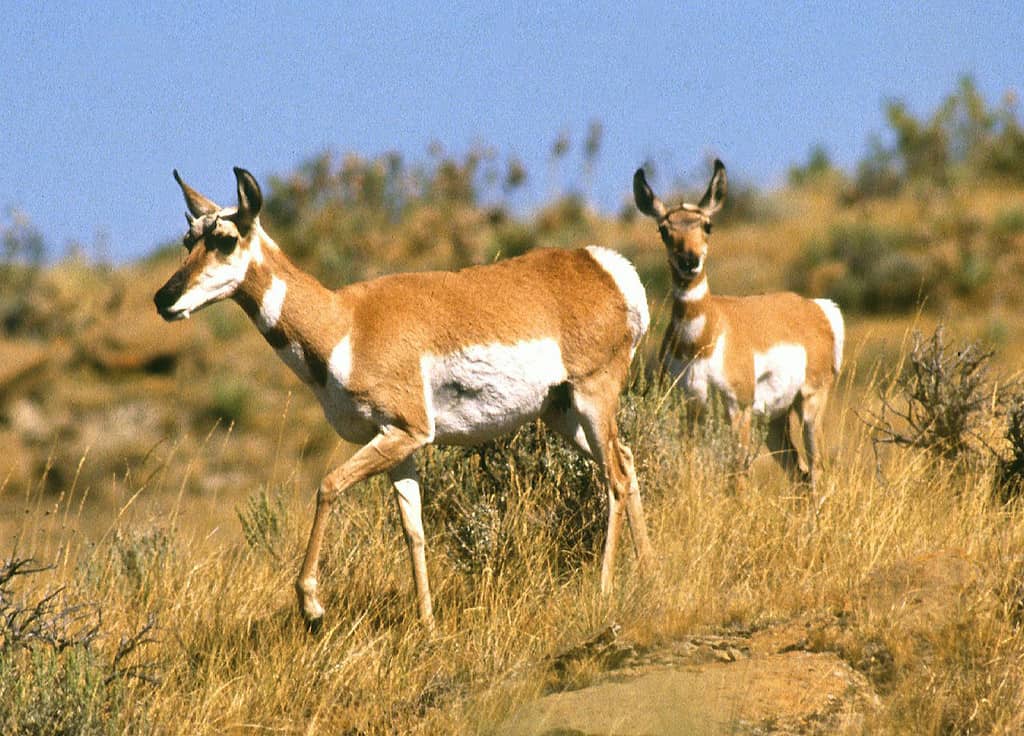
Colorado’s conservation plan focuses on keeping migration routes open for animals like pronghorn.
©Jack Dykinga / Public domain, from Wikimedia Commons, the free media repository – Original / License
Rivers, Wetlands, and Water-Dependent Species
Water shapes nearly every ecosystem in Colorado. Rivers, streams, wetlands, and riparian corridors support fish, amphibians, birds, and mammals. These systems face pressure from drought, altered flows, pollution, and warming temperatures. Changes in water timing and quality can reduce habitat suitability. The plan encourages projects that restore stream structure, reconnect floodplains, and protect wetlands. These efforts improve water storage, moderate temperature, and support diverse species. Because many animals rely on the same waterways, improving a single stretch of river can benefit entire biological communities.
Grasslands and Sagebrush Landscapes
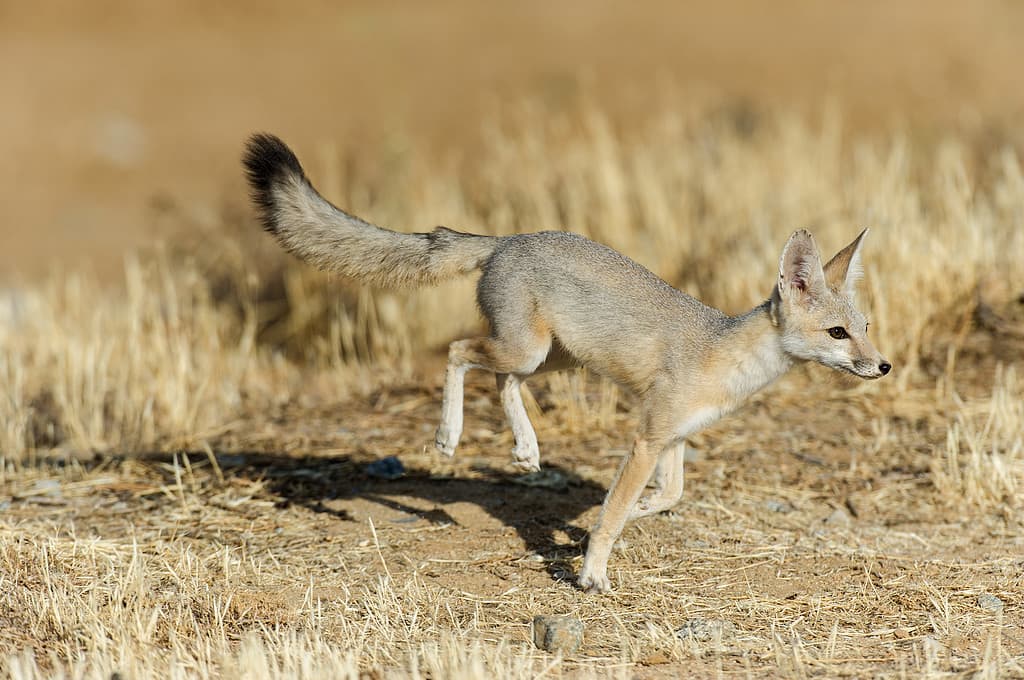
Protecting native grasslands helps animals like the swift fox survive alongside land use and development.
©brentawp/ via Getty Images
Plains and shrublands cover large portions of Colorado, but they often receive less public attention. These areas support grassland birds, small mammals, reptiles, and pollinators. Habitat conversion, invasive plants, significant disturbances, and energy development have reduced habitat quality in many regions. Grazing at inappropriate times can also disrupt nesting cycles. The plan emphasizes conserving large, connected areas of native grassland and sagebrush. It also promotes partnerships with landowners. When land management supports native plant cover and seasonal needs, agricultural use and wildlife conservation can coexist successfully.
Forest Change, Fire, and High Elevations
Colorado’s forests continue to change due to rising temperatures, longer fire seasons, and past management practices. Fire suppression has resulted in overly dense forests, increasing the risk of severe wildfires. Insects and disease add further stress. High-elevation habitats face added risk because species there have limited options for movement. The plan supports proactive forest management where appropriate. This includes thinning dense stands, using prescribed fire under safe conditions, and restoring burned areas. A mix of forest ages and structures improves ecosystem resilience and helps wildlife persist under changing conditions.
How the Plan Guides Funding Decisions
The plan does not distribute money directly, but it influences how funding decisions are made. Eligibility for certain federal grants depends on the state having an approved State Wildlife Action Plan. State agencies and partners also rely on the plan to rank projects when allocating resources. Colorado Parks and Wildlife uses it to guide habitat investments and partnerships on public and private lands. Voluntary conservation agreements, such as easements, often reflect the plan’s priorities. By aligning funding with identified needs, the plan helps ensure that limited resources support long-term conservation goals.
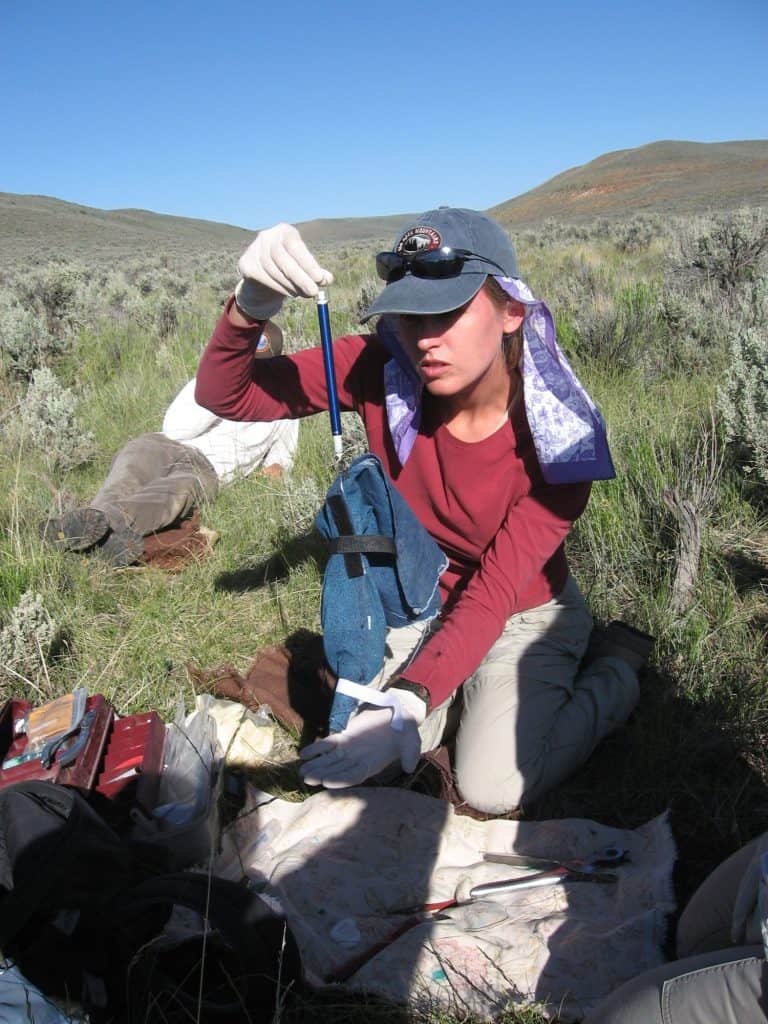
Wildlife scientists collect field data that helps guide Colorado’s long-term conservation planning
©Mika Skye/Shutterstock.com
Climate Risk and an Adaptive Approach
Climate change receives greater attention in this version of the plan than in earlier updates. Rising temperatures, altered snowpack, and more frequent drought affect habitats statewide. These changes influence water availability, fire behavior, and seasonal timing. The plan treats climate risk as an ongoing management challenge. Rather than waiting a decade to adjust priorities, agencies can update strategies as new data emerge. Public data tools also enable researchers and partners to examine species rankings and habitat assessments, supporting transparency and collaboration.
Where to See Wildlife Linked to the Plan
Many priority habitats overlap with places open to the public. State parks, state wildlife areas, and public lands along rivers often support species highlighted in the plan. Wetlands and riparian corridors attract birds during migration seasons. Grassland open spaces can provide chances to observe raptors and prairie species. In mountain valleys, winter range management affects where deer and elk gather during colder months. Observing wildlife from a distance with binoculars reduces disturbance and improves the quality of the experience.
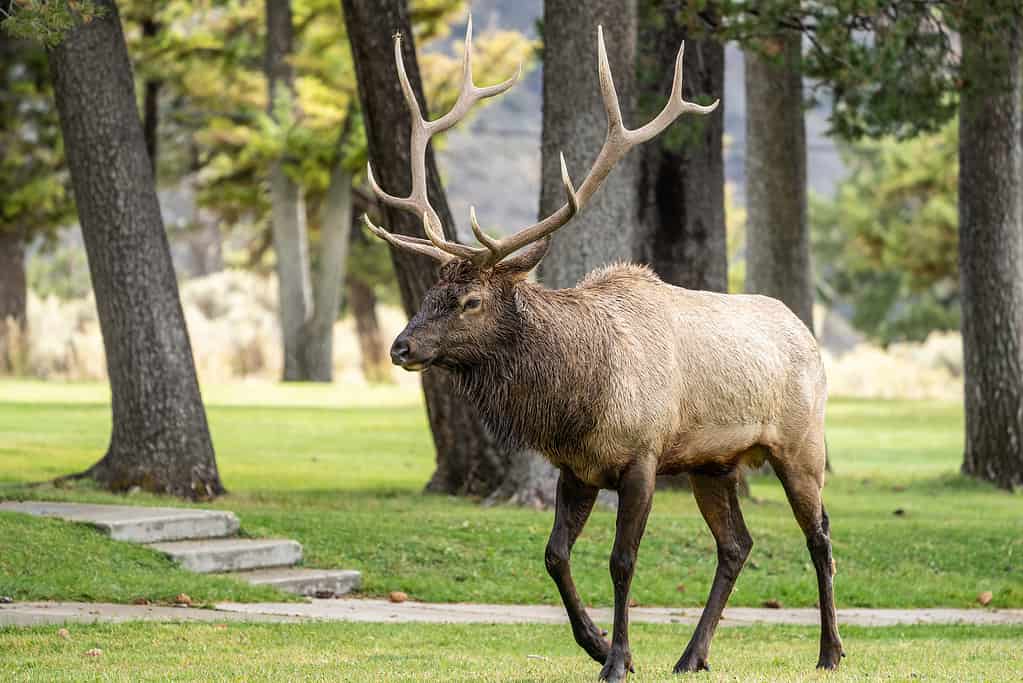
Public lands across Colorado provide places to observe animals like elk while supporting long-term conservation goals.
©arlutz73/iStock via Getty Images
Responsible Wildlife Viewing Practices
Successful wildlife viewing depends on respectful behavior. Staying on designated routes and maintaining distance helps reduce stress on animals. Winter requires extra caution, since animals expend more energy to survive cold conditions. Early morning and late afternoon often bring more activity. Highway crossing areas should be regarded as safety infrastructure, not as observation points. Pull-offs exist for a reason; stopping on road shoulders creates hazards. Interpretive signs at parks and trailheads often explain local conservation efforts and provide context for what visitors see.
Looking Ahead Over the Next Decade
A conservation plan does not guarantee specific outcomes, but it improves coordination and preparedness. Over the next ten years, decisions about growth, water use, transportation, and energy development will shape Colorado’s wildlife future. The plan offers a science-based guide to inform those decisions. Progress may be seen in the form of safer road corridors, healthier streams, and stronger habitat connections. Some species will remain vulnerable, especially under climate pressure. Still, a coordinated approach increases the likelihood that action is taken early, before declines become irreversible.