
Quick Take
- A single ant can command a price that rivals some exotic reptiles, and that remarkable value is exactly why smugglers are now raiding African soil for the tiny insects. See the black market value →
- Ant-keeping is a booming hobby in China, but the species collectors prize most could quietly devastate the country's food supply. Explore the agricultural threat →
- Capturing these ants is not only against the law but can also cripple the very colony it came from in a way that's difficult to reverse. See the harm to colonies →
The exotic pet market is a lucrative business. If a smuggler is successful, they could make hundreds, if not thousands, off the illegal pet trade. This is all too tempting for professional animal smugglers, who don’t typically concern themselves with the negative ramifications of their actions. But the truth is that when animals are stolen from their native habitats and released into new environments, they can become invasive species.
The problems this causes far outweigh the joy owners feel when adopting their (illegal) pet. And contrary to popular belief, this trade isn’t restricted to exotic mammals, reptiles, and marine life. One smuggler was recently caught with thousands of giant African harvester ants at Nairobi Airport, proving that the exotic pet trade has no bounds.
The Business of Ant Smuggling
Insects are just as prized in the exotic pet trade as animals. Many people covet species such as the giant African harvester ant (Messor cephalotes), known for its size. The queens of this species can grow 20-24mm long. Each one fetches up to $220, meaning a handful could net a smuggler thousands of dollars. Ant collectors scour the web, locating willing smugglers on the black market.
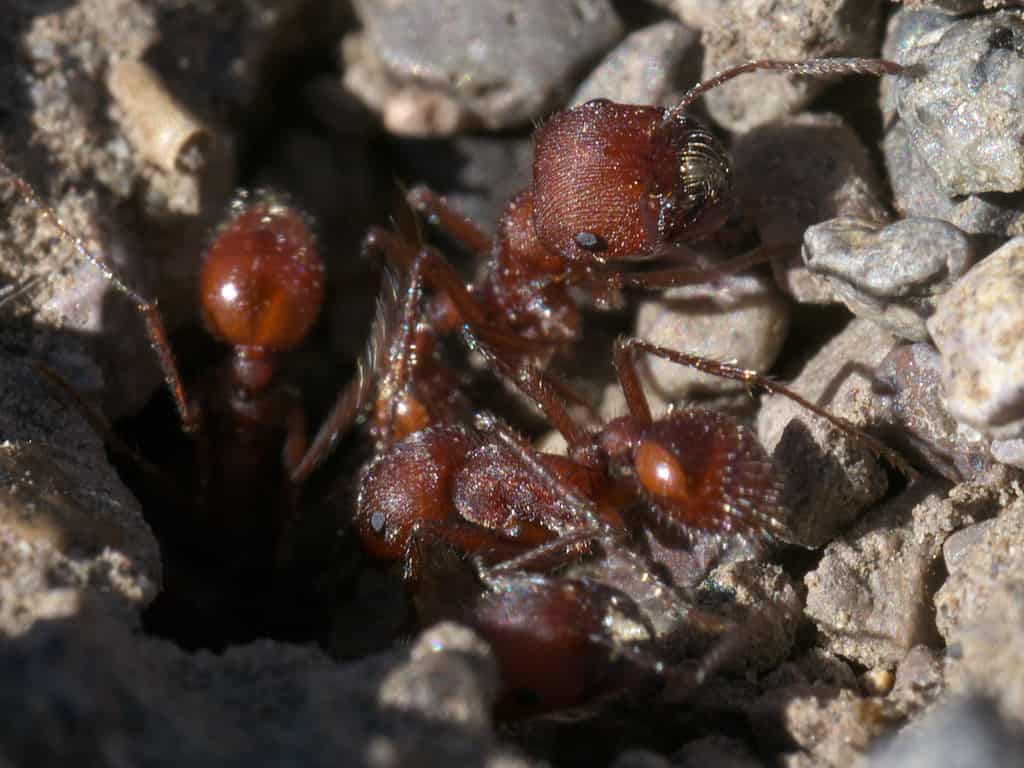
Any species can become invasive, including something as small as an ant.
Smugglers then fly to Kenya, seeking out the large red mounds that indicate the presence of giant African harvester ants. They search the colony for queens, sometimes capturing worker ants in the process. This species is highly sought-after among ant collectors due to its unique seed-gathering abilities. Additionally, they can live for decades, making the bounty on their small heads worth paying.
If queens are successfully brought into another country, there’s potential for them to mate. When this happens, ant collectors have several options: Care for their larvae, offer them to another collector, or set the extra ants loose. The latter is what makes the illegal pet trade so dangerous, and why Zhang Kequn, a recently apprehended ant smuggler, has been sentenced to one year in prison.
Test Tubes of Ants Caught at Nairobi Airport
Illegal ant smuggling out of Africa was only recently exposed in 2025. Since then, airports in Africa have been on high alert. Zhang Kequn was caught at Nairobi Airport attempting to smuggle 2,200 African ants out of the country. Half of them were giant African harvester ants, which were kept in small test tubes. Zhang Kequn was arrested at Nairobi Airport in March 2026 with the insects in his possession. Initially, he was charged with wildlife trafficking without a permit and conspiracy. However, the last charge was dropped when Kequn pleaded guilty to wildlife trafficking. The judge added a fine of 1 million Kenyan shillings (about $7,700) in addition to his jail time.
The judge also emphasized the dangers of wildlife trafficking. The severity of punishment for this crime also reflects these dangers, and the potential environmental damage smuggling can cause. In the case of giant African harvester ants, their habits are essential to Kenya’s ecosystem. However, they could be devastating to a country such as China, which shares little in common with Africa’s terrain.
Why Are Ants Such a Collector’s Item in China?
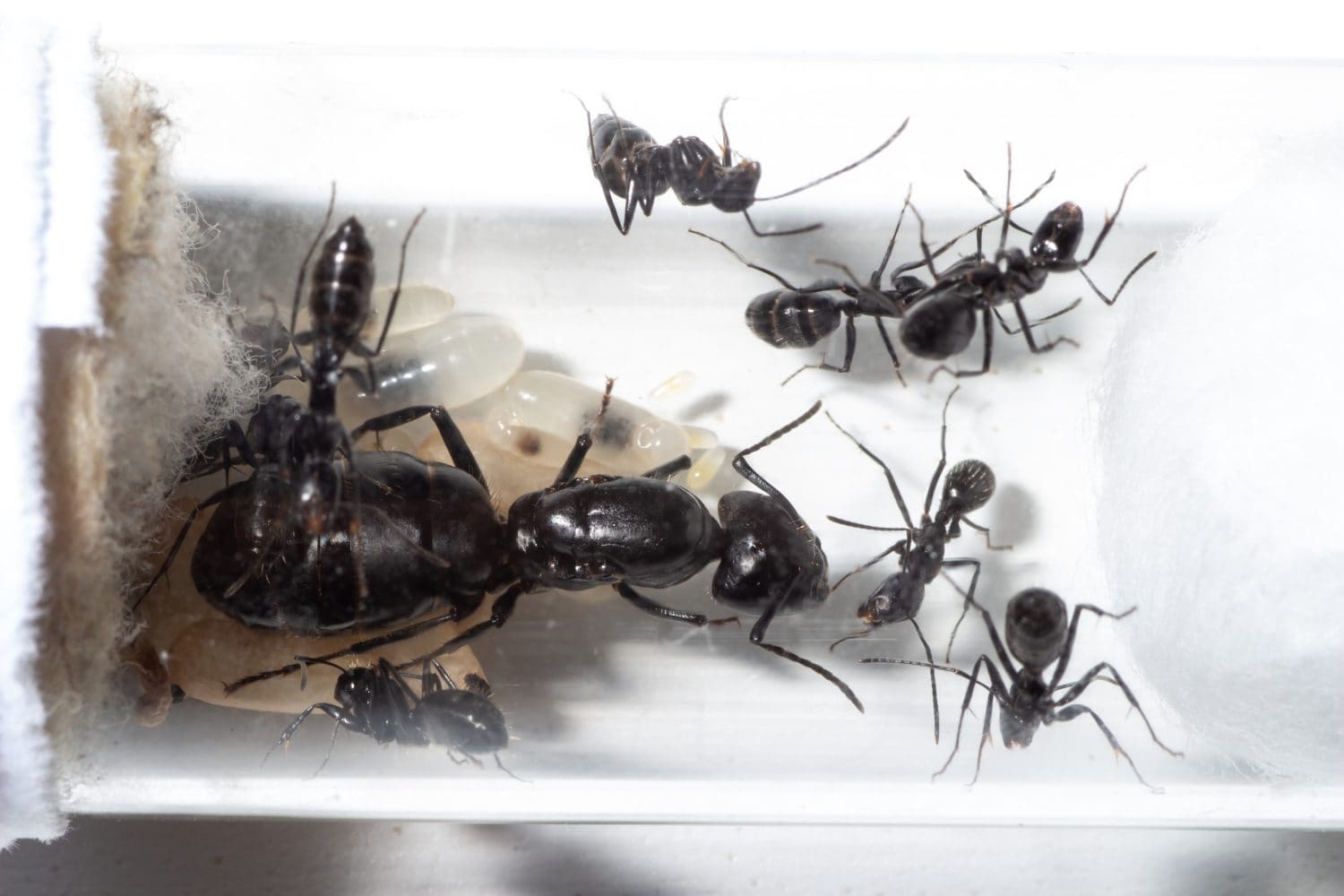
In 2023, a research team published a study about ant smuggling in China. They documented more than 58,000 ant colonies over the course of six months. After diving deeper, they determined more than a quarter of them were invasive species, including the giant African harvester ant. These ants are often kept in large, clear boxes called formicariums, allowing ant collectors to observe colony-building and social behavior. The stress-reducing hobby is a fun pastime for many.
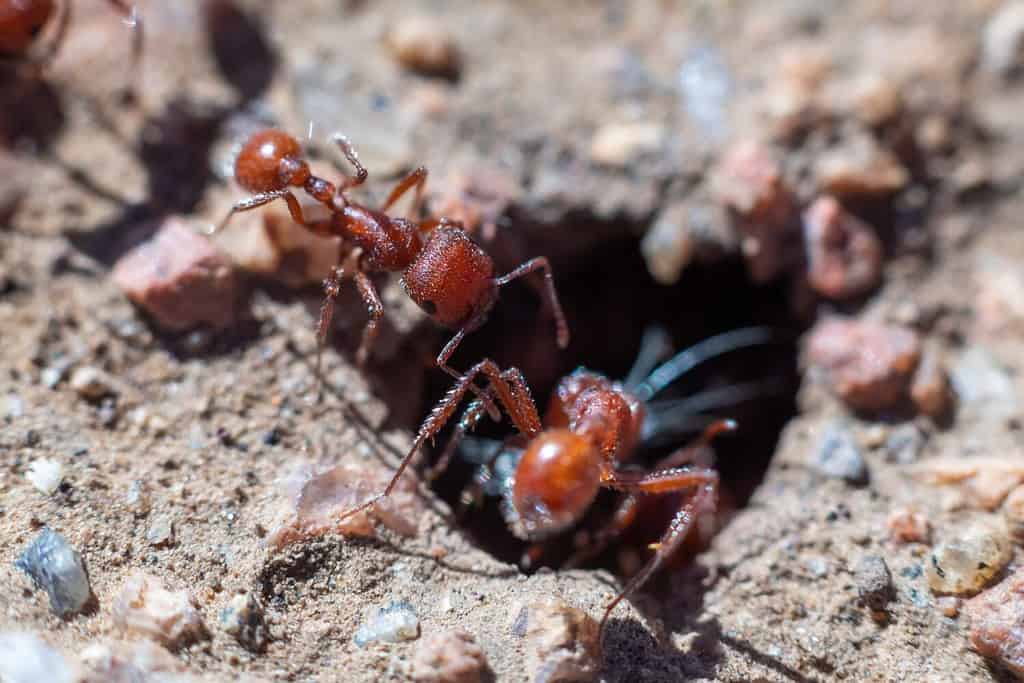
Harvestor ants would devastate China’s agricultural fields.
©Kessler Bowman/Shutterstock.com
Unfortunately, the process is stressful for some, namely the ants. To collect giant African harvester ants, smugglers must disturb the nest and trap the ants that leave. This can destabilize the colony and leave it without a queen. This species is not threatened, but if the ant-smuggling trade were allowed to expand, it could negatively affect Kenya’s insect populations.
In China, the consequences of giant African harvester ants escaping could be even more catastrophic. According to the team behind the 2023 study, the species could threaten China’s agriculture. Grains are one of the country’s biggest crops and are also a significant part of the giant African harvester ant’s diet. Releasing even a few into the wild would be devastating, especially if they happen to mate.