
Quick Take
- Wildlife traffickers now operate more like tech startups than black-market criminals, a shift that changes everything about how they can be stopped. Explore the crypto-tracing platform →
- Pangolin scales are made of the same material as human fingernails, yet they command enormous black-market prices for a reason science flatly rejects. Why scales fetch high prices →
- Some of the biggest names in tech are now foot soldiers in a wildlife conservation war, though their battlefield is not a jungle. See the company commitments →
- The most powerful weapon against wildlife trafficking may not be rangers or border agents. It may be a blockchain ledger.
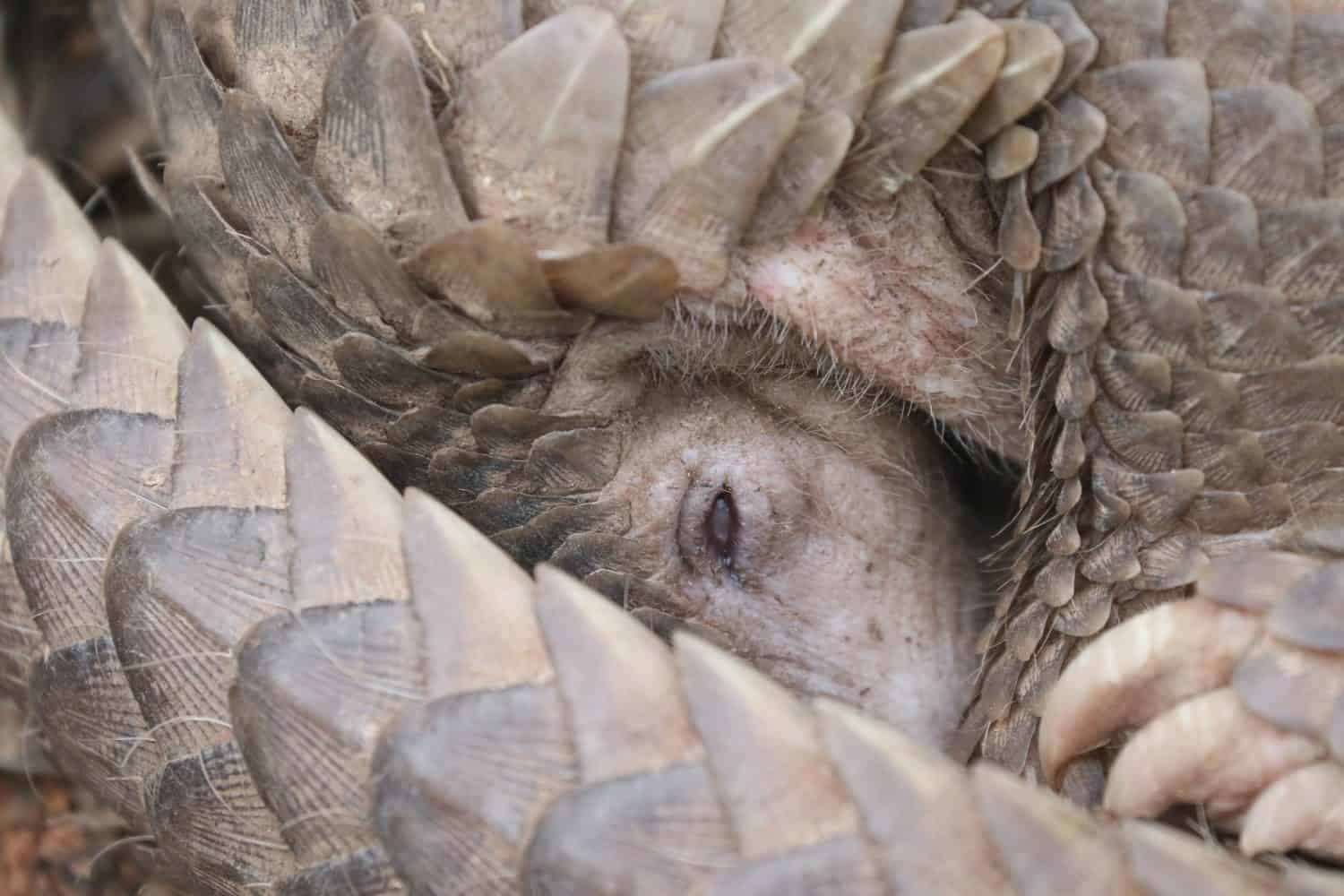
Pangolins are the most trafficked wild mammals in the world. They are easy targets for poachers due to their natural defense mechanism of curling into a tight ball, making them surprisingly easy to capture. Poachers illegally hunt them to sell their scales on the black market and their meat as a luxury food item.
Wildlife trafficking has also become increasingly sophisticated. Instead of relying on back-alley deals, traffickers now advertise on social media, use cryptocurrency, and smuggle goods through legitimate global shipping networks. However, even as wildlife smuggling evolves, the fight against it is changing too.
Now, some of the world’s biggest technology companies are joining Prince William’s United for Wildlife initiative in an effort to cut traffickers off where it hurts most: their digital infrastructure.
Tech Giants Unite to Tackle Wildlife Crime
During the latest United for Wildlife Business Forum, Prince William’s “United for Wildlife” initiative announced new partnerships to combat the digital side of wildlife trafficking. Major companies, including Amazon, Meta, TikTok, Vodafone, and blockchain intelligence firm TRM Labs, are joining forces with transport and finance industries. Together, they aim to disrupt these digital networks.

There is absolutely no scientific evidence that pangolin scales possess any medicinal properties.
©U.S. Fish and Wildlife Service Headquarters, CC BY 2.0 – Original / License
At the center of this effort is Project Pangolin, a new platform designed to help investigators trace cryptocurrency transactions linked to wildlife crime. The project aims to follow the money to help shut down trafficking networks. This will help prevent animals or illegal wildlife products from ever reaching their destinations.
The timing couldn’t be more important. According to the United Nations Environment Programme (UNEP), the illegal wildlife trade generates up to $23 billion annually, making it one of the world’s largest criminal industries and a major threat to biodiversity.
Project Pangolin Follows the Money
Project Pangolin is a free, collaborative intelligence platform created by blockchain analytics company TRM Labs under the United for Wildlife initiative. Named after the world’s most trafficked mammal, the platform helps fight wildlife crime by tracking the money behind it.
Through Project Pangolin, governments, conservation groups, financial institutions, and cryptocurrency investigators can securely share information. By combining blockchain data with real-world crime details, users can identify suspicious crypto wallets, trace illegal funds, and build strong evidence for law enforcement. Instead of working in isolation, investigators pool their global data to target the massive financial networks enabling this trade, rather than just identifying local poachers.

Baby pangolins are called pangopups.
The platform also connects directly to TRM Labs’ Beacon Network, which connects hundreds of banks, cryptocurrency exchanges, and government agencies worldwide. When investigators flag a crypto wallet linked to wildlife trafficking, these financial partners can quickly spot suspicious activity and potentially freeze the illegal money before it disappears.
Why Are Pangolins Targeted?
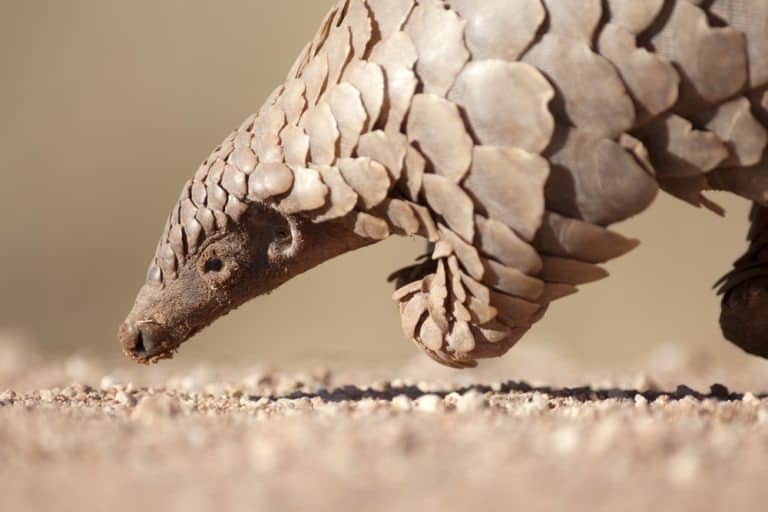
Project Pangolin takes its name from an animal that has become a symbol of the global wildlife trafficking crisis. As the world’s most heavily trafficked wild mammal, the pangolin faces extreme threat from poaching. Much of the demand is for their scales, which are made entirely of keratin — the same protein found in human fingernails and hair. Although there is no scientific evidence that the scales have medicinal value, they continue to be used in traditional medicine in some parts of Asia. Pangolin meat is also sold as a luxury food in some markets, driving up their black-market value.
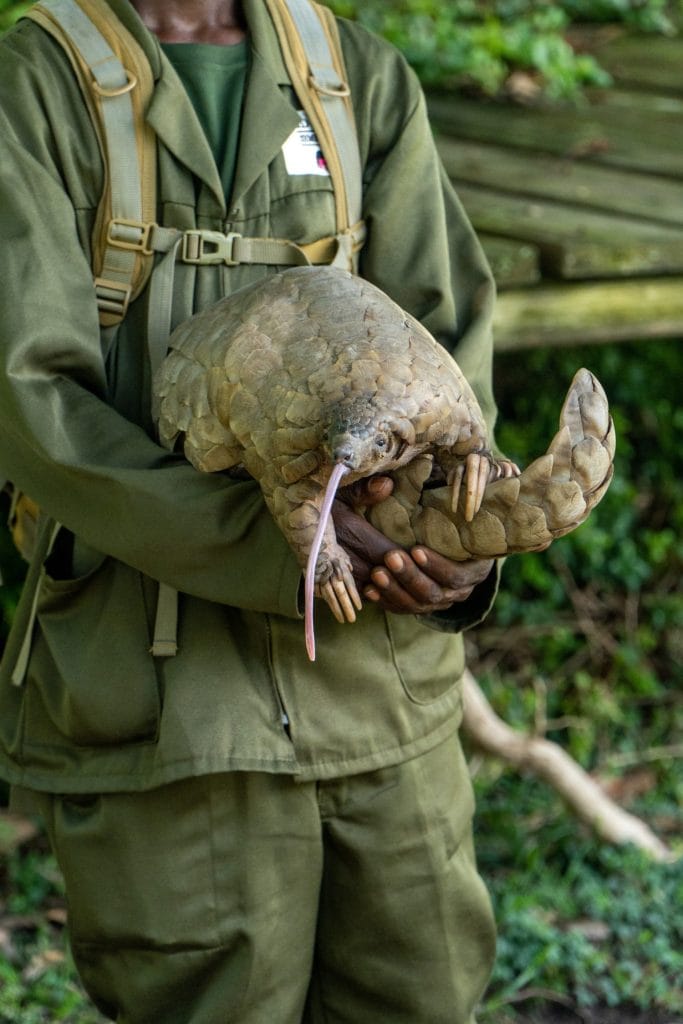
Many people call pangolins scaly anteaters due to their long tongues and big appetites for termites.
©Katalysator Audiovisuals/Shutterstock.com
Unfortunately, pangolins are unusually vulnerable to poaching. When threatened, they instinctively curl into a tight ball protected by overlapping scales. While this defense protects them from many natural predators, it allows poachers to easily pick the animals up by hand.
As Asian pangolin populations have plummeted due to overhunting, traffickers have increasingly shifted their attention to African species, turning this illegal trade into a highly organized international business.
Wildlife Trafficking Has Gone Digital
Today’s wildlife trafficking networks operate like legitimate global businesses, relying on the same modern systems such as social media, digital payments, and global shipping.
Traffickers use social media to connect buyers and sellers globally. To avoid detection, they advertise illegal wildlife products using coded language, temporary posts, and encrypted messaging apps.

Modern wildlife traffickers operate more like global tech startups, using encrypted networks, digital supply chains, and sophisticated global routing.
©Iftekhar Emon/Shutterstock.com
Digital payment systems — including cryptocurrency — allow smugglers to move money quickly across borders without using traditional banking systems. While blockchain transactions are public, identifying who actually owns the crypto wallets requires advanced analysis and cross-organization teamwork.
Once a sale is made, traffickers smuggle illegal cargo through commercial shipping companies, airlines, and postal services, hiding illicit goods among billions of legitimate packages.
Because these criminal networks span technology, finance, and logistics, conservation groups increasingly argue that stopping wildlife trafficking requires active cooperation across all three industries — not just stronger law enforcement.
Big Tech Joins the Fight Against Wildlife Trafficking
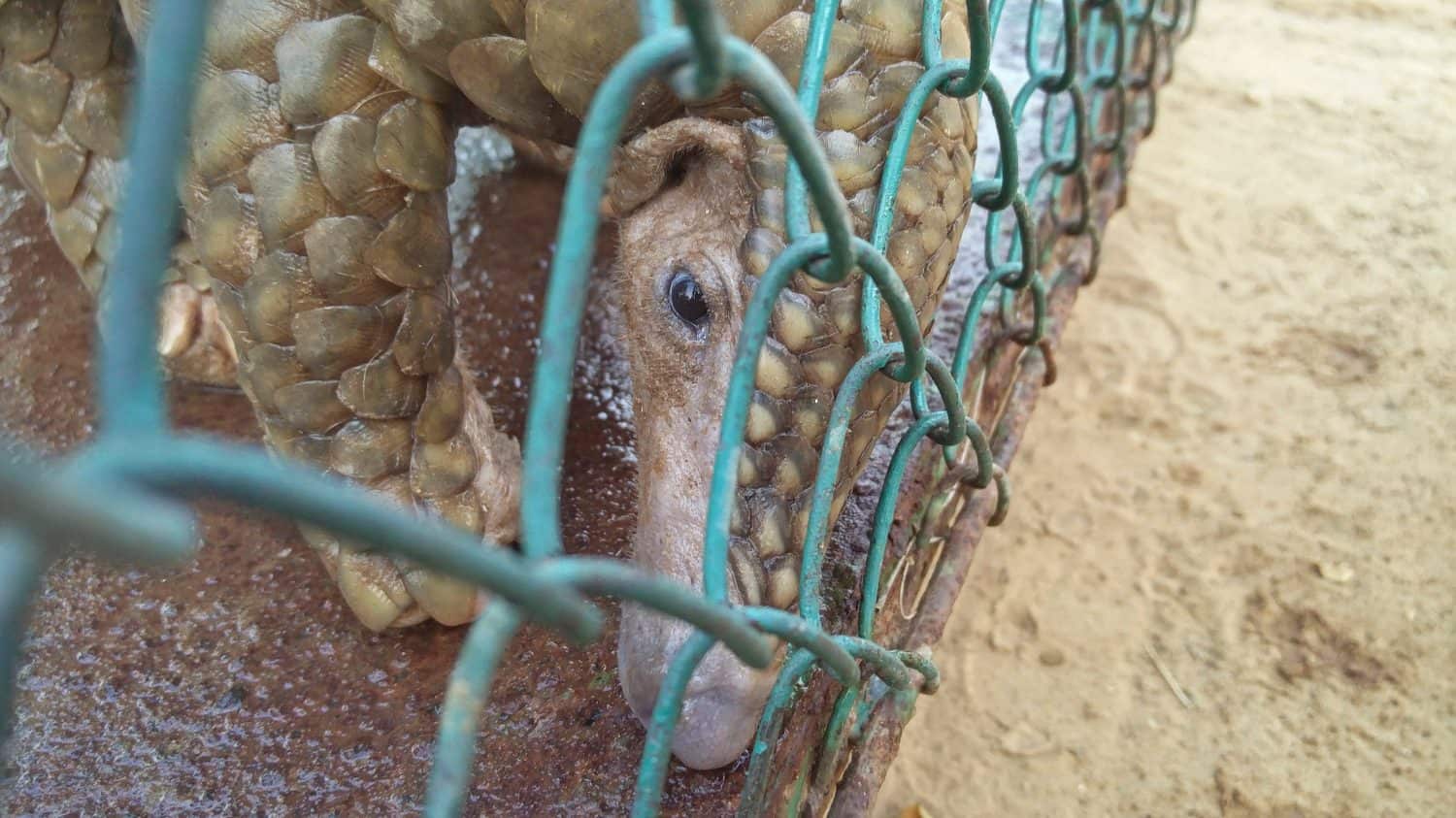
Adult pangolins weigh only around 6.6 pounds.
©Vickey Chauhan/Shutterstock.com
United for Wildlife’s latest commitments reflect this broader collaborative approach. Major technology companies, including Amazon, Meta, TikTok, Google, Alibaba, eBay, Etsy, and Pinterest, have pledged to better detect and remove illegal wildlife listings. Many are expanding their use of artificial intelligence to spot suspicious posts and coded language used by traffickers.
Financial and blockchain organizations — including TRM Labs, Chainalysis, Circle, Luno, and PayPal — have committed to sharing information more effectively to help investigators track transactions linked to wildlife crime. Vodafone, Vodacom, and Safaricom are also working to strengthen monitoring on M-Pesa mobile payments, making it easier to identify suspicious transactions tied to trafficking.
Transportation partners are expanding public awareness campaigns while increasing efforts to detect and intercept illegal shipments moving through airports and other transit hubs.
A New Strategy Against Wildlife Crime
Because wildlife trafficking has evolved into a sophisticated global business, stopping it requires more than just seizing illegal goods at borders. By bringing together technology companies, financial investigators, transportation providers, and conservation organizations, United for Wildlife hopes to disrupt trafficking networks at every stage — from online advertisements to financial transactions to physical shipments.
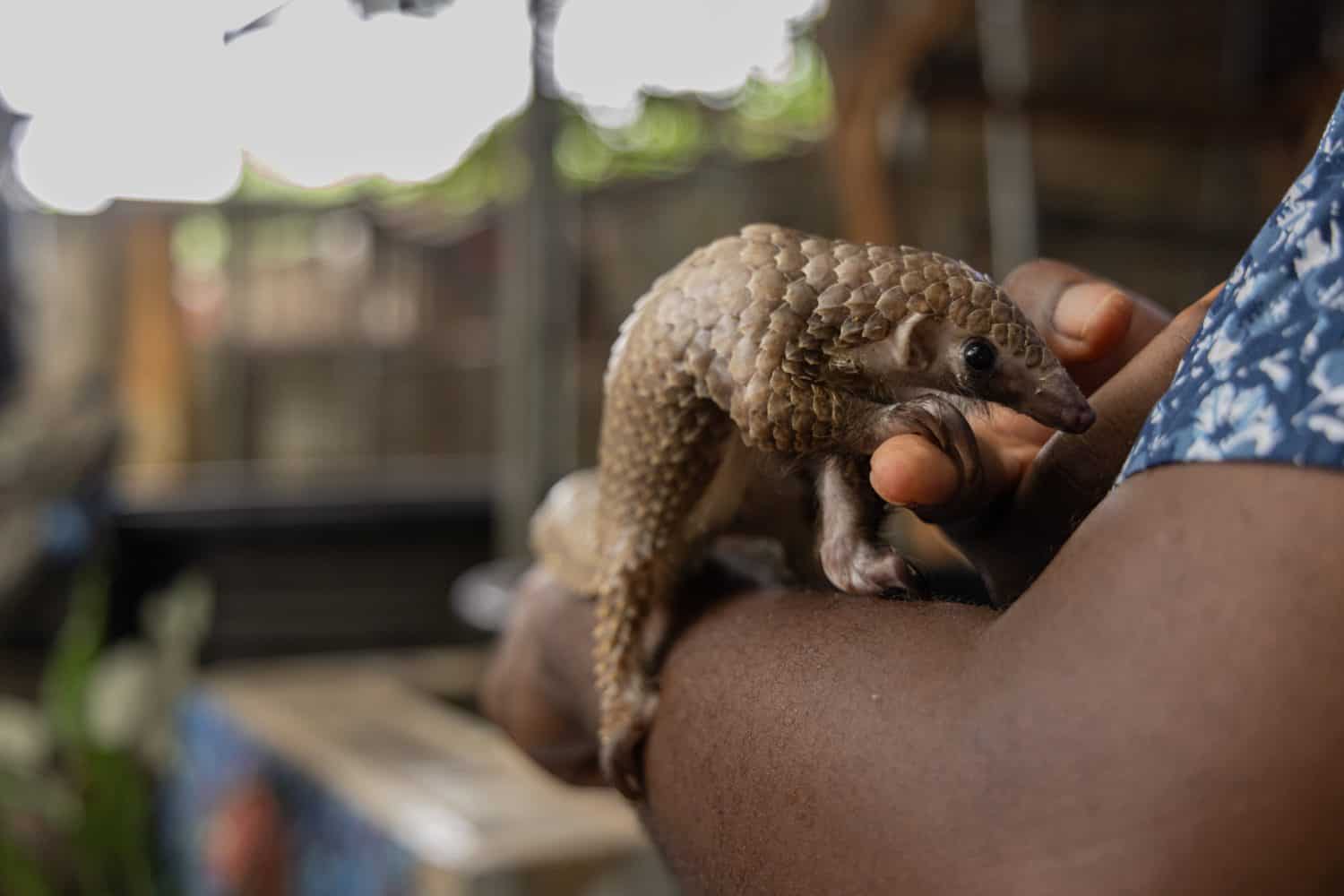
Pangolins live in Asia and Africa.
©Taryn Slabbert/Shutterstock.com
The ultimate success of Project Pangolin depends on how effectively these partners turn shared data into real-world investigations and prosecutions. However, by tracking the money rather than just the animals, this initiative marks a major, necessary shift in how the world fights wildlife crime.