The illegal trafficking of wild animals and plants has become a huge threat to the world’s biodiversity. Wildlife trafficking accelerates extinction, destabilizes ecosystems, threatens human health, and undermines peace and security. And now the problem is even worse because traffickers are using technology to connect with buyers around the world through social media, e-commerce, and encrypted apps. In response, the Coalition to End Wildlife Trafficking Online, a partnership that includes WWF, TRAFFIC, IFAW, and more than 50 major technology platforms, is fighting to keep endangered species off the market and in the wild where they belong.
Why Is Wildlife Trafficking Such a Big Business?
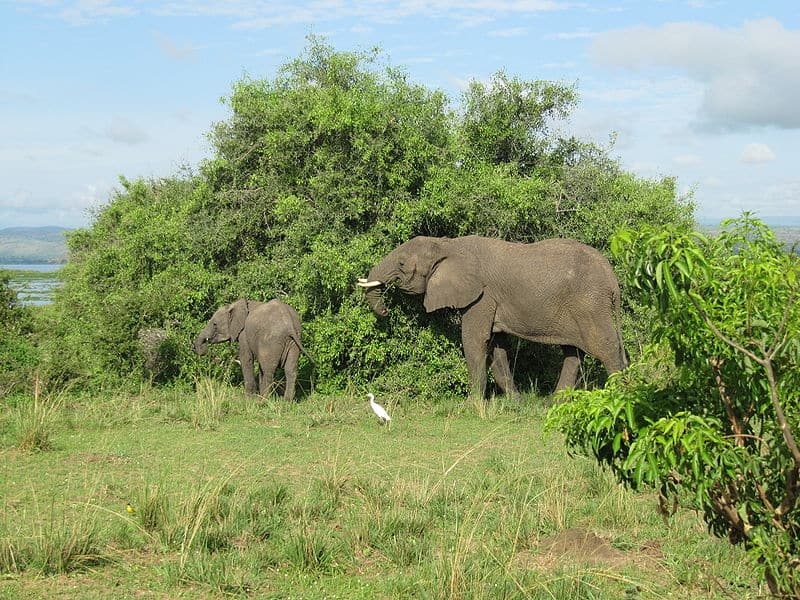
Elephant ivory has made these magnificent animals a target of poachers for generations.
©Daryona, CC BY-SA 3.0, via Wikimedia Commons – Original / License
Wildlife trafficking refers to the illegal trade, poaching, smuggling, or collection of wild animals, plants, or their parts. It spans everything from elephants killed for ivory and pangolins hunted for their scales, to rare birds, reptiles, and orchids sold as exotic pets or decorative goods.
The demand is fueled by many factors: exotic pets as status symbols, the use of animal parts in traditional medicine, the consumption of rare species as luxury food, and laboratory experimentation. This makes wildlife trafficking one of the world’s largest criminal industries after drugs, arms, and human trafficking, with an estimated annual value of anywhere from $7-23 billion. Such large sums create a powerful incentive for poaching and smuggling, despite the personal risks and the consequences for endangered species.
It’s Even More Harmful Than You Think
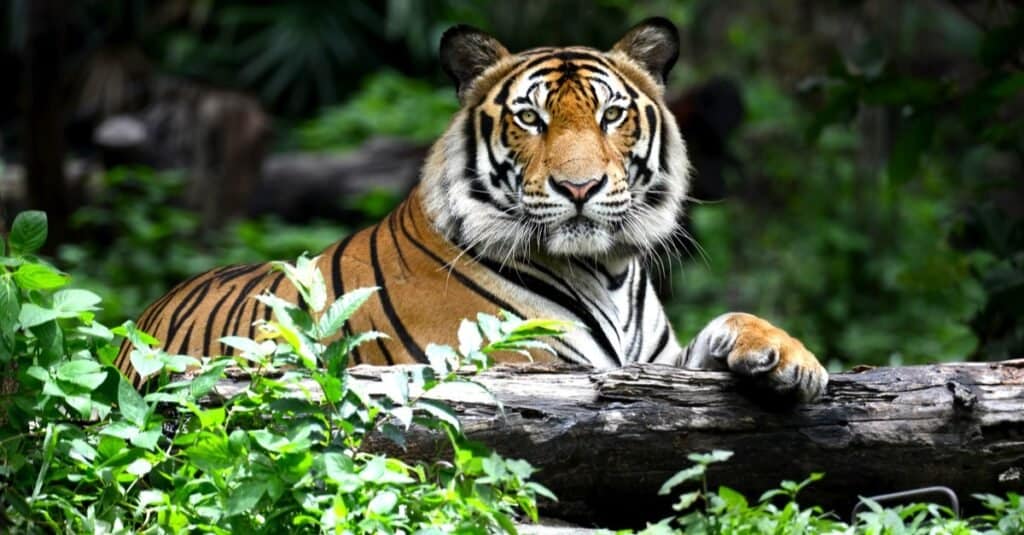
Tigers are apex predators in their ecosystems. Removing them severely disrupts the natural balance.
©dangdumrong/Shutterstock.com
The consequences of animal trafficking are extensive. Extinction risk rises as rare species are relentlessly targeted. Removing keystone species destabilizes ecosystems. Elephants shape landscapes, pangolins regulate insect populations, and tigers control prey numbers. Their loss, therefore, disrupts entire ecological balances.
Human health and society are also affected. Illegal wildlife markets create pathways for diseases like Ebola and COVID-19 to spill over into people. Local economies that depend on ecotourism lose vital income when iconic species disappear, while criminal syndicates strengthen their networks by trafficking wildlife alongside drugs, weapons, and people, eroding stability and the rule of law.
Giavanna Grein is Lead Specialist for Wildlife at the Coalition to End Wildlife Trafficking Online. She explains that the trade is often facilitated by transnational criminal networks and can be linked to other organized crimes, which have major implications for not only wildlife but also people, local economies, public health, and international security.
How Animal Trafficking Operates

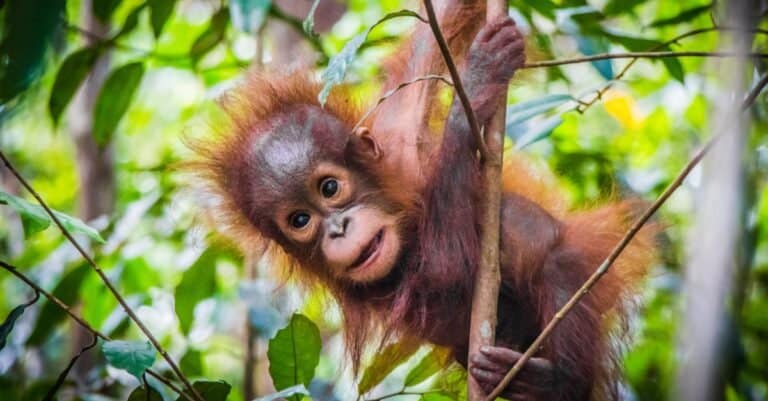
For the exotic pet trade, poachers sometimes shoot mother animals, such as primates, to steal their infants.
©timotheos/Shutterstock.com
Wildlife trafficking is driven by high profits and weak regulations. Criminal networks target endangered species because rarity brings the highest prices. Poachers use guns, tranquilizers, and traps that harm both target and non-target animals. Sometimes they kill mothers to steal their young for the pet trade.
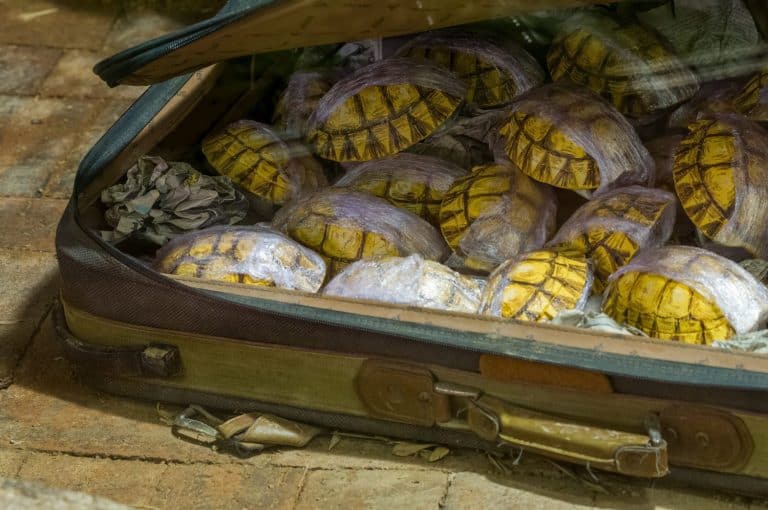
Increasingly, traffickers rely on online platforms to reach wealthy buyers. Then they smuggle animals or parts across borders hidden in luggage, containers, or under forged documents. Many animals die in transit from stress, neglect, or poor care, while others are slaughtered outright for ivory, scales, skins, or other parts used in luxury goods and traditional medicines.
As Grein notes, “the speed and scale at which traffickers are able to operate and adapt their tactics” is staggering. Yet technology has also been used against them, as systems developed by major online companies “disrupt the trade of protected wildlife products like elephant ivory, and force traffickers to change their tactics as well.”
Species Most at Risk
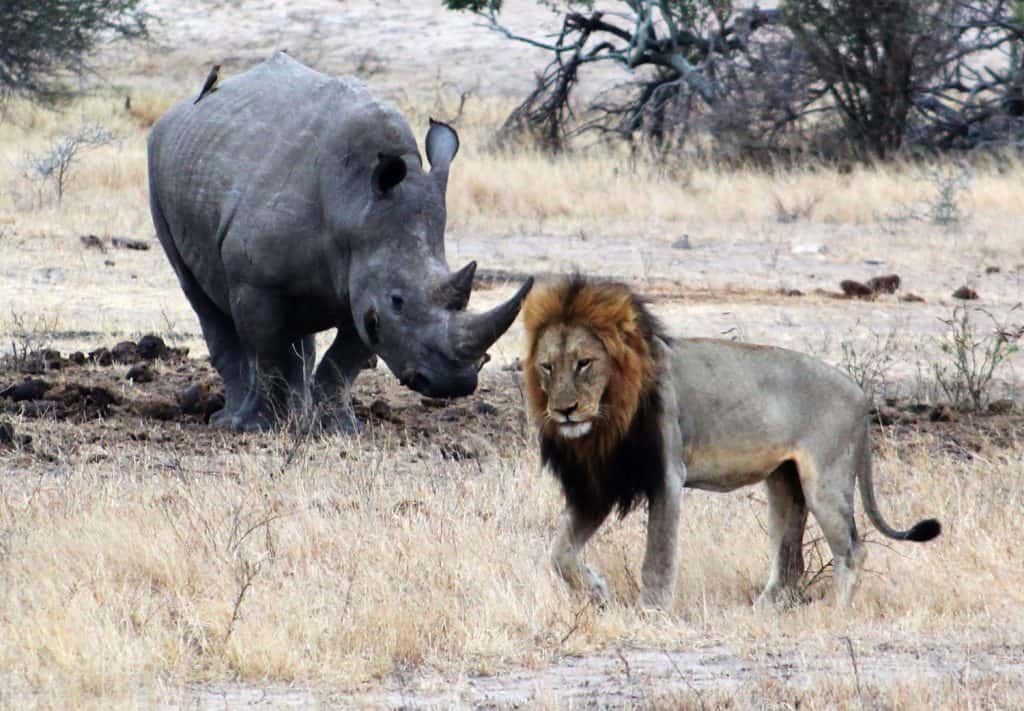
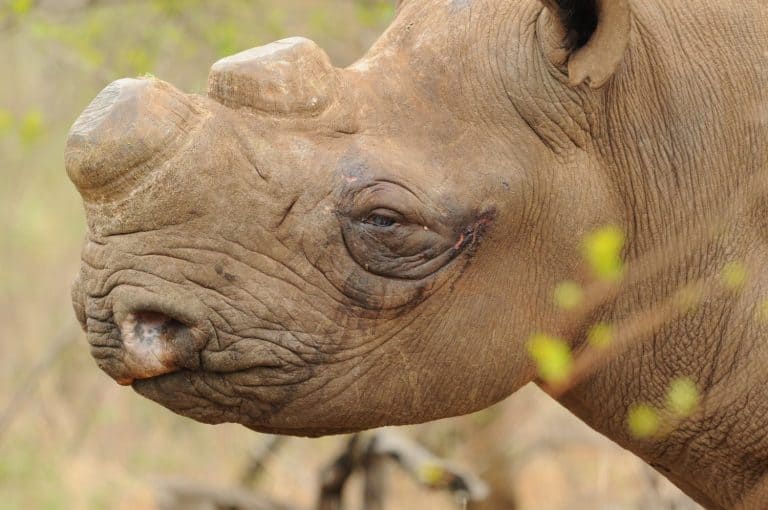
Rhinos and lions are two of the most trafficked species in the world.
©Olivia Engmann/Shutterstock.com
While trafficking affects a wide range of animals and plants, several species are especially hard hit:
- Elephants, killed for their ivory, with over 15,000 African elephants each year.
- Pangolins, the most trafficked mammal on Earth. Up to one million were killed over the past decade for their scales and meat.
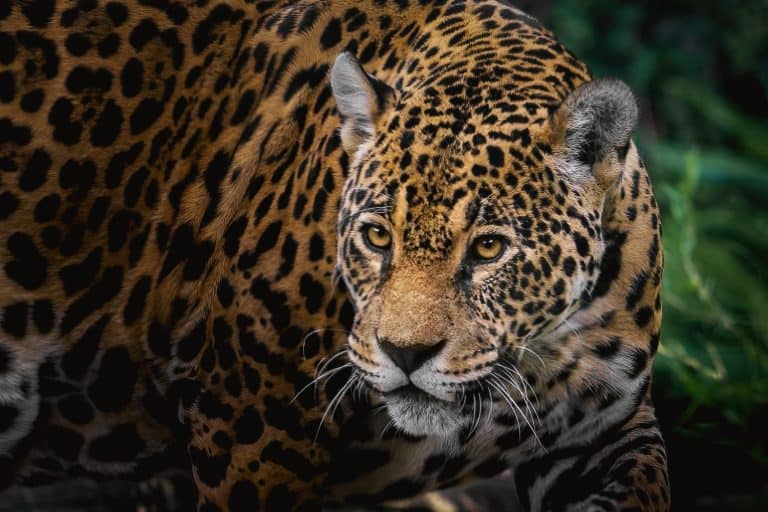
- Big cats, including tigers and lions, were hunted for their skins, bones, and teeth or captured to be sold as exotic pets. Fewer than 5,600 tigers remain in the wild, comparable to the number in captivity in the United States.
- Rhinos, slaughtered for their horns, which are used in carvings and traditional remedies.
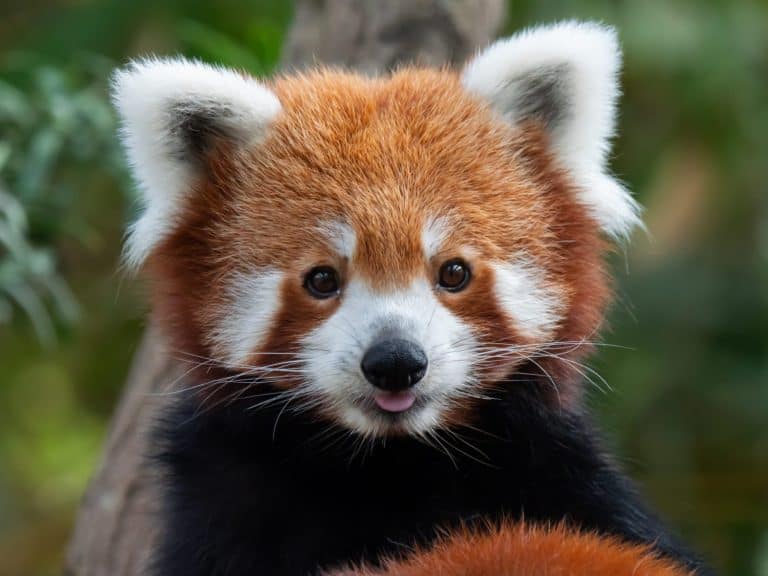
- Primates, sold into the pet trade or for experimentation in labs.
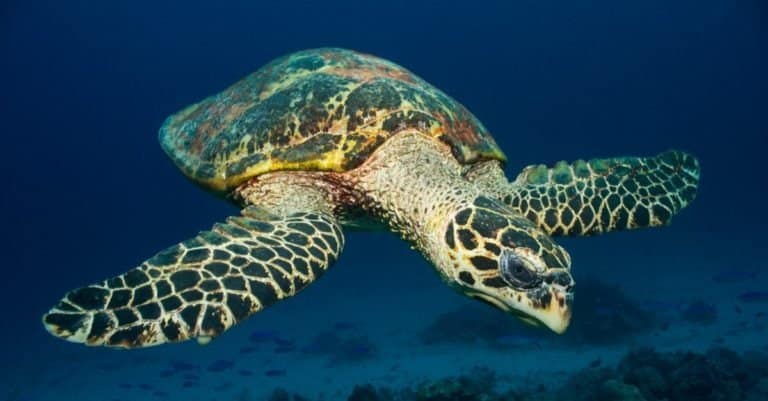
- Marine turtles, hunted for their shells and leather, are often turned into jewelry.
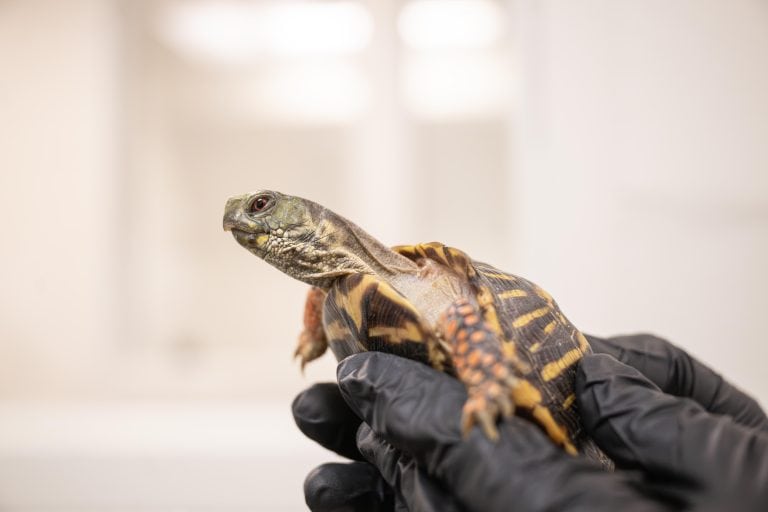
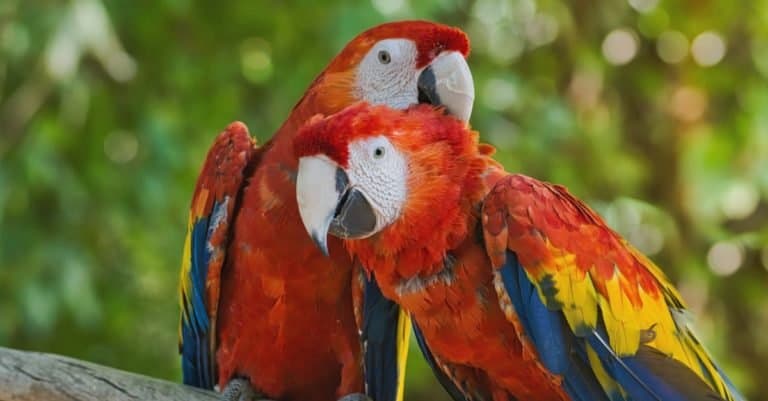
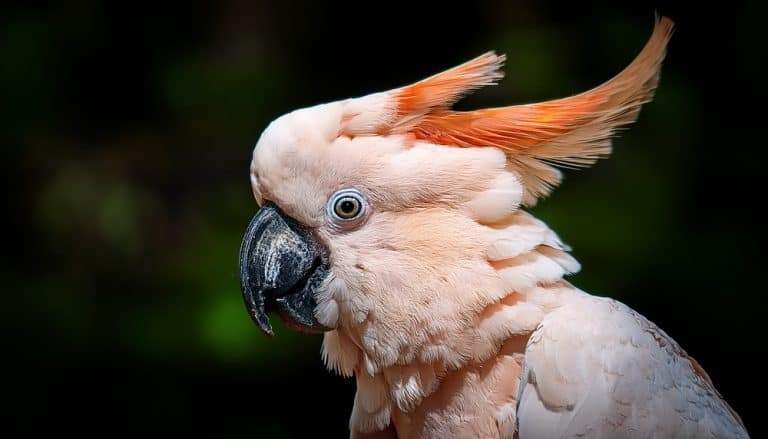
- Birds and reptiles, like parrots, macaws, and tortoises, are taken from the wild and sold to collectors or pet owners.
Asia accounts for the majority of documented trafficking incidents, particularly in India, Myanmar, and the Philippines. But Africa and South America are also heavily impacted, both as source and transit regions. The United States and China are among the main customers for this illegal trade.
What’s Being Done?

Tech giants and conservation organizations are working together to eliminate illegal wildlife sales from digital platforms.
©nmedia/Shutterstock.com
Launched in 2018, the Coalition to End Wildlife Trafficking Online unites global tech giants like Alibaba, eBay, Meta, and Tencent with conservation groups such as WWF and IFAW in a bid to wipe out illegal wildlife sales from major digital platforms. To date, more than 40 global companies comprising over 50 online platforms are aligning policies and sharing detection tools as part of the Coalition.
The technological capabilities of online companies and platforms, like language and image detection, are the most efficient tools for finding prohibited wildlife sales at scale.
Giovanna Grein, Lead Specialist for Wildlife at the Coalition to End Wildlife Trafficking Online
Their efforts have already removed more than 24 million illicit listings and accounts. Behind the scenes, over 3,000 employees have been trained to spot trafficking activity. Improved algorithms now track more than 4,000 code words used by sellers trying to evade detection. Volunteers have also joined in, flagging tens of thousands of suspicious posts and helping to create a digital watchdog community. Meanwhile, companies are tightening internal policies and sharing strategies with each other. This makes it harder for traffickers to simply jump from one platform to the next.
A Practical Example
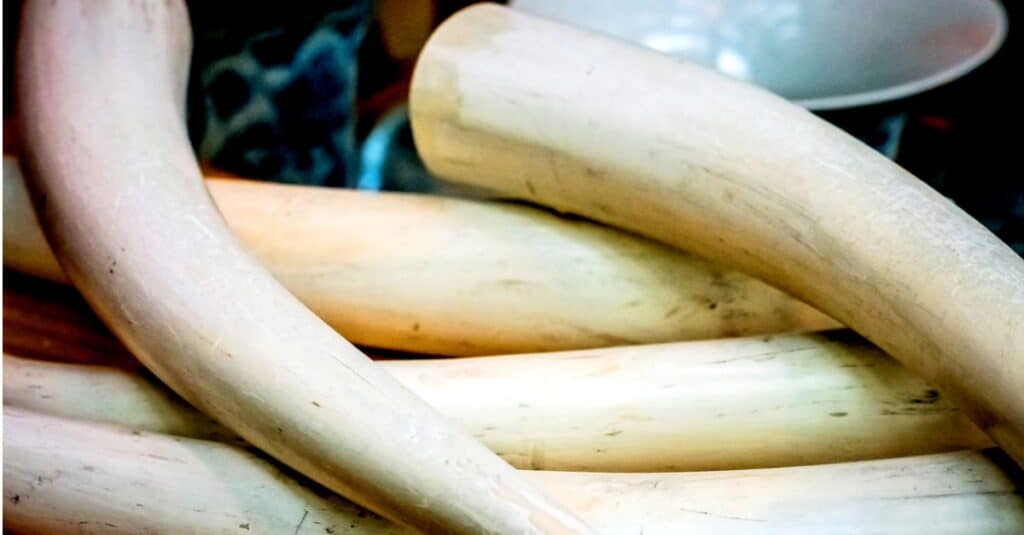
The Coalition was able to disrupt a sale of juvenile elephant ivory online, one of many examples of success.
©iStock.com/MagicColors
The collaboration fostered by the Coalition has had a real-world impact. For example, Grein recalls how a partner of their organization stopped the sale of tusks on Etsy when law enforcement did not have the capacity to investigate.
“While this doesn’t prevent the animal from being poached, working to shut down the online marketplaces that traffickers rely on can serve as a deterrent for engaging in this illicit trade,” Grein says. “The Coalition has amplified this example, massively scaling action to disrupt criminal activity across the Internet, with tens of millions of potential sales already blocked.”
Still Much to Be Done

Without uniform regulations regarding wildlife trafficking, conservationists must depend on the voluntary cooperation of tech companies.
©PeopleImages/Shutterstock.com
Grein emphasizes that the most powerful weapon against these sellers lies in the same digital space they exploit. “The technological capabilities of online companies and platforms, like language and image detection, are the most efficient tools for finding prohibited wildlife sales at scale,” Grein says. “The scale of online illegal wildlife sales and species impacted is so vast that detection models need constant training on new species, products, and trends.”
There are also significant policy gaps between different international jurisdictions. “Technology companies are not legally required to act against or report on wildlife trade online consistently around the world,” Grein points out.
This inconsistent patchwork of policies allows traffickers to exploit jurisdictions with weak enforcement. Until such regulations are standardized, companies must voluntarily dedicate resources to detection, training, and user education. However, without legal mandates, progress depends on the continued goodwill and initiative of the tech sector.
What You Can Do

Wildlife lovers have a plethora of options to contribute to the fight against animal trafficking.
©PeopleImages.com – Yuri A/Shutterstock.com
The fight isn’t only in the hands of governments and corporations. Everyday internet users play a crucial role.
“If someone sees suspicious wildlife listings online, they should report it directly to the platform they found it on, or to the Coalition’s reporting page, where we will direct it to the right company or organization if it violates their policies. Users should not engage with the seller in any way,” Grein advises.
On a broader level, consumers can help in these ways:
- Don’t buy illegal wildlife products. Avoid ivory, exotic pets, rhino horn, pangolin items, turtle shells, and traditional medicines with unverified ingredients.
- Be an informed traveler and shopper. If you’re unsure about the origin of a product, don’t buy it.
- Financially support trustworthy conservation groups working to stop the trade.
- Use your voice online. Share accurate information and help raise awareness.
- Be a responsible tourist. Avoid attractions that exploit wildlife for entertainment or profit.
- Vote and advocate for strong wildlife protection laws and meaningful funding for anti-trafficking work.
- Shop sustainably. Look for certified wood, seafood, and other resources that don’t contribute to habitat destruction.
By taking actions like these together, we can help ensure that endangered species remain in the wild where they belong.